Why Bioelectric Devices for Spinal Pain Are Changing Recovery
Back pain used to run my life. Every morning was a gamble — would I wake up stiff as a board or relatively mobile? I tried it all: stretches, ice, heat, chiropractors, physical therapy, even going totally offline to “reconnect with my spine” (yes, that happened). But what genuinely changed the game? Bioelectric devices. These aren’t science fiction gadgets from a far-off future — they’re real, they’re FDA-cleared, and they’re offering real relief for people like me who thought they’d just have to live with spinal pain.
What Are Bioelectric Devices and Why Are They a Game-Changer for Spinal Pain?

Bioelectric therapy devices use low-level electrical impulses to interact with the nervous system and modulate pain signals. Unlike traditional medication, which can mask symptoms temporarily and often bring side effects, bioelectric devices target the source of pain — your nerves and muscle tissue — with measurable, modulated electrical energy.
They Don’t Just Block Pain — They Can Rewire It
One of the most fascinating aspects of bioelectric therapy is its potential to retrain pain pathways. Devices like TENS (Transcutaneous Electrical Nerve Stimulation), NMES (Neuromuscular Electrical Stimulation), and newer bioelectric wearables are designed to not only block pain signals but also stimulate healing and promote better muscle function.
- TENS Units: Ideal for temporary relief, especially for acute lower back pain.
- NMES Devices: Often used in rehabilitation, great for strengthening weak back muscles.
- Bioelectric Patches: Lightweight, often wireless, and usable during daily routines.
One day I slapped on a wearable patch while working remotely, expecting minimal change. By the end of the day, I realized I hadn’t stood up stiffly even once. That moment — totally unremarkable to anyone else — was transformative.
How Bioelectric Technology Interacts with the Spine

Our spine isn’t just a column of bones — it’s a communication hub packed with nerve roots and sensory feedback loops. When pain becomes chronic, these signals can become overactive, distorted, or downright miswired. Bioelectric devices deliver calibrated electrical signals that “interrupt” these messages, essentially quieting the alarm system without shutting it down completely.
In clinical trials reviewed by ncbi.nlm.nih.gov and clevelandclinic.org, patients with lower back pain using electrical stimulation showed statistically significant reductions in pain and improvements in range of motion compared to control groups. What’s more impressive? Many needed less medication over time.
Back Pain Types That Benefit Most
While not a one-size-fits-all fix, bioelectric devices have proven particularly effective for:
- Muscle strain-related lower back pain
- Sciatica or radiating nerve pain from the lumbar spine
- Postural stress from prolonged sitting (guilty as charged)
- Post-surgical back discomfort and stiffness
If you’ve been living with pain that feels like a stabbing, burning, or throbbing ache down your spine, you might want to read up on lumbar radiculopathy or poor posture-induced back pain. These conditions are often excellent candidates for bioelectric relief tools.
Are Bioelectric Devices Safe? Absolutely — With a Few Caveats

Let’s be honest — anything involving electricity and your nervous system sounds a little intense. But these devices are highly regulated and widely used in rehabilitation clinics. They’ve been around for decades, but today’s versions are smarter, more precise, and way more wearable.
Still, if you have a pacemaker or implanted defibrillator, or you’re pregnant, you should consult a physician first. Safety-wise, they’re on par with heating pads and massage tools — only smarter and scientifically validated.
What to Expect When You Try One
Your first time using a TENS or NMES device might feel like a tingling or pulsing sensation. You’ll likely need to experiment with settings to find what works best for your back pain type. Within 15–20 minutes, many people report noticeable relief. For me, it’s usually a combination of loosening in my lumbar area and less of that nagging soreness that hits around 3 PM daily.
Where to Start — And Where to Go From Here

If you’re thinking of trying bioelectric therapy for spinal pain, you’re not alone — and you’re definitely not taking a fringe approach. Devices can range from under $50 for basic TENS units to a few hundred dollars for FDA-cleared smart wearables with app integration.
Before you go all-in, it’s a good idea to understand how this therapy fits within a broader pain management plan. If your pain comes and goes with stress or posture issues, a device might be just one tool in your recovery arsenal. You may also want to explore other conservative treatment options like those outlined here, or explore the broader context in this main guide on back pain.
Choosing the Right Bioelectric Device for Your Specific Spinal Pain
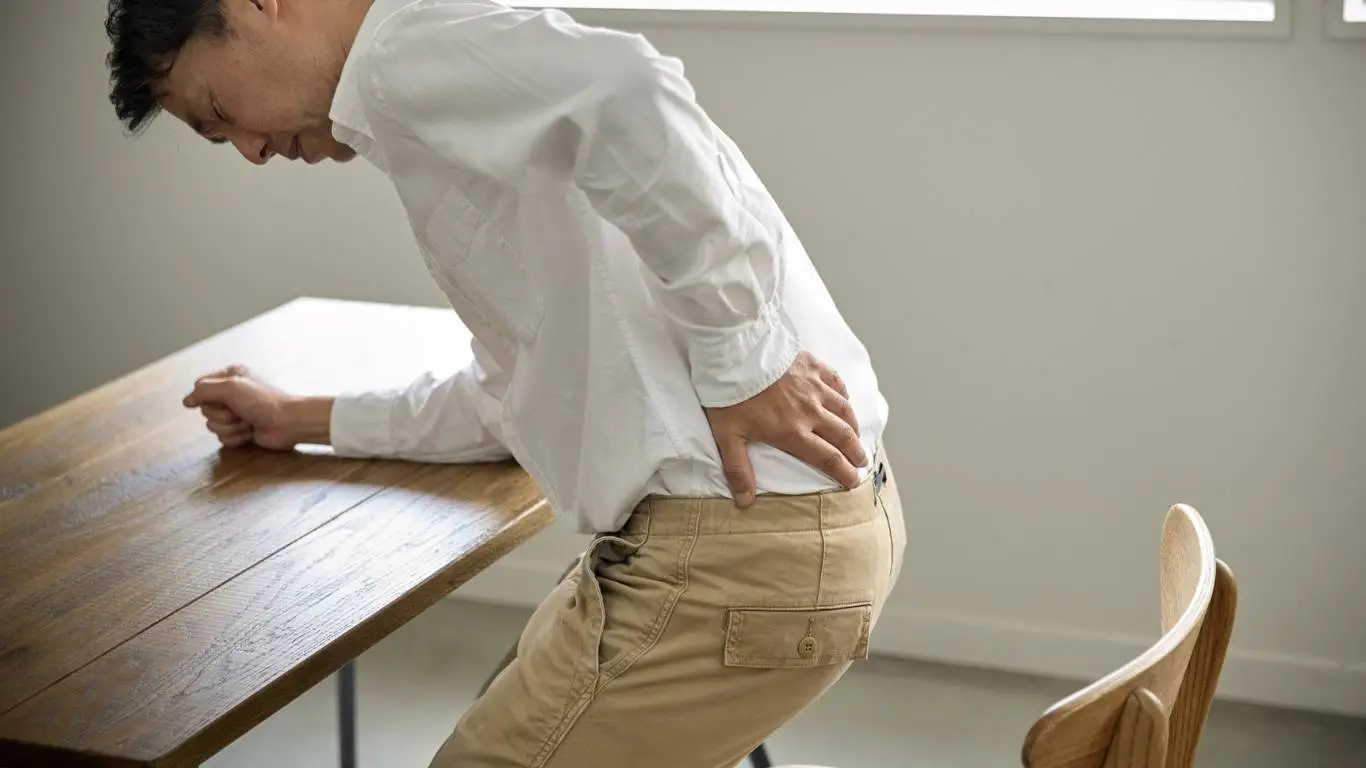
This is where it gets personal. You’ve got options — and not all of them are created equal. When I first explored these devices, I was overwhelmed. Some units were so technical, I felt like I needed an engineering degree just to get started. Others were oversimplified, barely delivering any results.
Here’s what I’ve learned — matching the device to your pain profile is critical.
If Your Pain Is Triggered by Movement…
Go with a wireless wearable bioelectric patch that offers mobility without cables or fuss. These are ideal if you’re dealing with muscle strain or chronic soreness that worsens with activity. Something like this helped me survive long workdays at a standing desk.
If You’re Recovering from Surgery or Injury…
NMES devices are solid for rebuilding muscle function and restoring motor control. This is especially useful if you’ve had spinal fusion or microdiscectomy. You can pair this with physical therapy for better, long-lasting outcomes.
For Sciatic Nerve Irritation or Radiating Pain…
TENS units are still the gold standard. Look for ones with customizable frequency settings and automatic shut-offs. And if you’re dealing with sharp pain down your leg, definitely check out this in-depth piece on sciatica and back pain.
Pairing Bioelectric Devices with Other Pain Management Strategies

Here’s the thing: no device is a miracle cure. But combine bioelectric stimulation with smart lifestyle shifts, and you’re stacking the odds in your favor. What helped me the most was using my device daily, plus getting serious about yoga for spinal pain and core-strengthening Pilates.
Other strategies that synergize well:
- Posture correction: Use lumbar support cushions or try out a standing desk.
- Targeted movement: Explore dynamic back stretches daily.
- Nutrition: Anti-inflammatory diets can really support the recovery process — especially this one.
- Emotional support: Chronic pain is tied to mental strain. Read more about that here.
On tough days, I’d use my patch in the morning, stretch mid-day, and finish with a turmeric latte and 10-minute meditation. Did I feel instantly healed? No. But after 3 weeks, I was sleeping better, standing longer, and smiling a bit more.
Understanding the Science Behind the Buzz

Some folks are skeptical — and I get it. “How can electricity help pain?” is a common question. But the research is solid. According to studies cited by ncbi.nlm.nih.gov and mayoclinic.org, bioelectric devices stimulate A-beta fibers in your skin and tissues. These fibers suppress pain-transmitting C-fibers, making your nervous system shift its focus away from pain signals. This effect is often called “gate control theory” — and it’s more than just theory. It’s the foundation of modern electrotherapy.
When I spoke with my physiatrist, she explained it like this: “It’s like a traffic jam — when bioelectric signals hit, they redirect the traffic and ease congestion in your spinal nerve highway.” Simple, clear, and exactly how it feels.
Are There Any Side Benefits?

Absolutely. Besides pain relief, many users report better muscle engagement, improved posture, and fewer flare-ups. Personally, I noticed I was moving more freely — no longer stiffly twisting to avoid a sudden jolt of pain.
Others mention improved sleep, especially when using devices during the evening. And if you’re like me and sit at a desk most of the day, pairing a bioelectric device with an ergonomic chair makes a massive difference.
The Bottom Line: Why Bioelectric Devices Deserve a Spot in Your Recovery Toolkit

If you’ve tried other options and your spine still holds you hostage, bioelectric therapy is worth a real look. It’s not flashy. It’s not instant. But it is effective — and it’s empowering. For many of us, it’s the missing piece in a long-overdue recovery plan.
I’d suggest starting with something basic — then upgrade as your comfort and understanding grows. And always combine your efforts with knowledge. For a deeper understanding of how bioelectric solutions fit into broader spinal rehab, check out this guide on exercise, rehab, and ergonomics. Or dive into the bigger picture in our complete back pain resource.

Camellia Wulansari is a dedicated Medical Assistant at a local clinic and a passionate health writer at Healthusias.com. With years of hands-on experience in patient care and a deep interest in preventive medicine, she bridges the gap between clinical knowledge and accessible health information. Camellia specializes in writing about digestive health, chronic conditions like GERD and hypertension, respiratory issues, and autoimmune diseases, aiming to empower readers with practical, easy-to-understand insights. When she’s not assisting patients or writing, you’ll find her enjoying quiet mornings with coffee and a medical journal in hand—or jamming to her favorite metal band, Lamb of God.