Why Floaters Get Worse in Rooms with Patterned Wallpaper
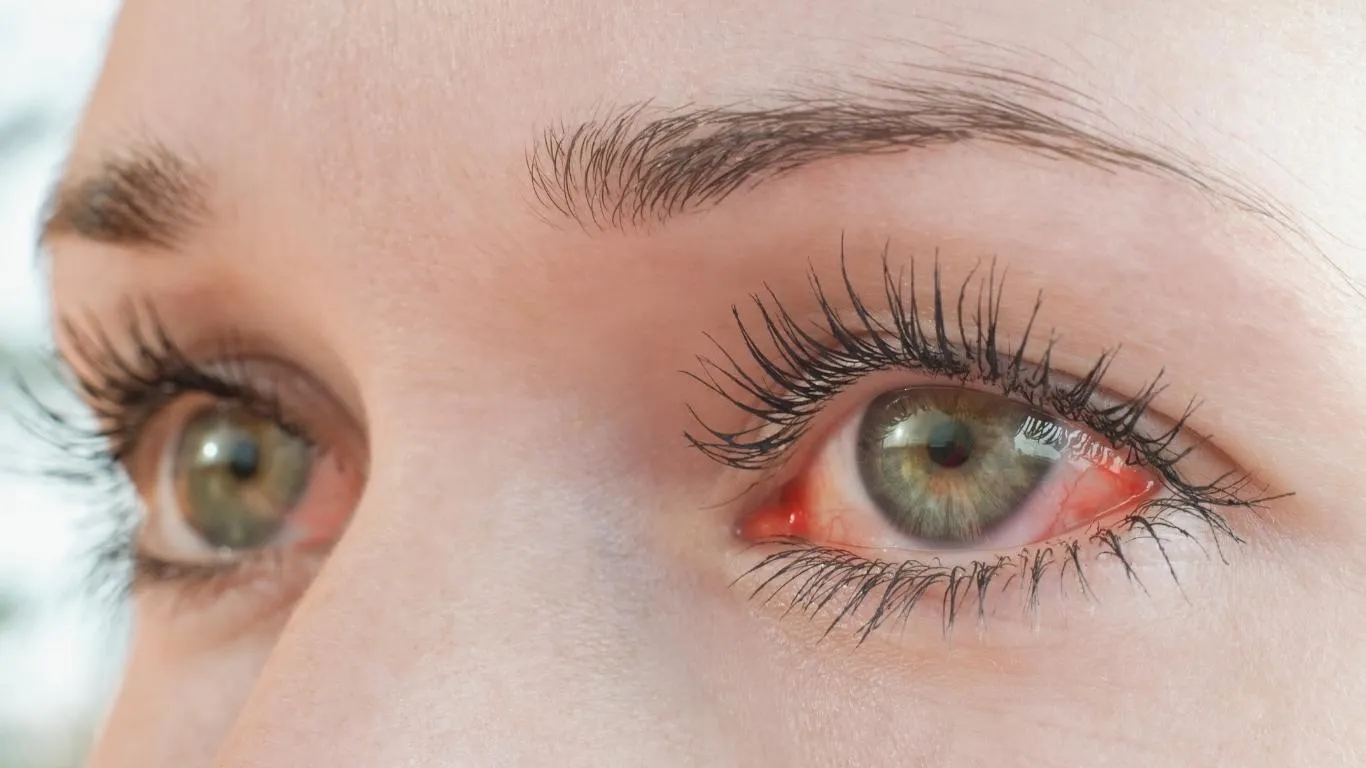
Ever been in a room with busy wallpaper, looked up, and suddenly caught some weird, squiggly things floating in your vision? You’re not alone. I noticed mine for the first time in a friend’s retro-themed living room — think bold florals and stripes everywhere. At first, I thought it was the lighting. Or maybe my eyes were just tired. But after it happened again (and again), I knew something was up. Turns out, it’s a common experience for people who have eye floaters — especially in rooms with patterned wallpaper. Weird combo, right?
Why Patterned Walls Make Floaters Stand Out
There’s a pretty logical reason behind this. Patterned wallpaper — especially ones with high contrast or repetitive designs — gives your eyes tons of visual data to process. Your brain works overtime trying to focus. Floaters, which normally blend into plain backgrounds, suddenly become way more visible.
It’s Not Just the Wallpaper — It’s the Contrast
Rooms with harsh lighting, glossy finishes, or layered wall patterns can make floaters jump out like crazy. You’re essentially creating the perfect storm: a contrast-rich environment and a sensitive retina trying to filter real from fake objects.
I’ve personally noticed mine more when walking into rooms that mix floral wallpaper with sunlight streaming through blinds. The floaters almost seem like they multiply, and for a split second, it feels like something is crawling across your vision. (Don’t worry, it’s not.)
How Light Position Plays a Role
According to this breakdown, sunlight or overhead lights reflecting off wallpaper can make floaters dance more wildly. The brighter the room, the sharper they appear.
So, What Exactly Are These Floaters?
Floaters are these tiny bits of collagen or cellular debris inside your eye’s vitreous gel. As we age (or if you’re nearsighted like I am), that gel starts to change consistency — think from jelly to more watery. That’s when those stringy shadows appear. They drift around, mostly harmless, but they’re super annoying in certain settings like… you guessed it, wallpapered rooms.
Common Triggers
- Bright backgrounds — especially white walls or patterned surfaces
- Sudden head movements
- Post-laser eye treatments
- Dehydration (yes, seriously)
- Eye strain from focusing on detailed textures
If you’ve ever asked, “Why do I only see floaters in bright rooms?” — this is why. It’s not that they disappear in other places; you’re just less likely to notice them.
Why It Happens More Indoors
Let’s be honest — most people don’t notice floaters outdoors unless they’re staring at the sky. Indoors, though, especially in a small, detailed space like a study or dining room, the setting becomes ripe for floaters to show off. Combine that with patterned wallpaper, maybe a few mirrors or light sources, and bam — there they are, floating across your view like microscopic jellyfish.
It’s a Visual Trick… But Not in Your Head
It’s easy to brush it off as paranoia or eye fatigue. But floaters showing up in patterned wallpaper settings is actually quite explainable. You’re not imagining it. Some people even notice them more after long reading sessions or during eye strain from screen time. Think of your eye as a projector — when the “screen” (the background) is noisy or busy, imperfections in the lens (your vitreous) become more noticeable.
When to Be Concerned
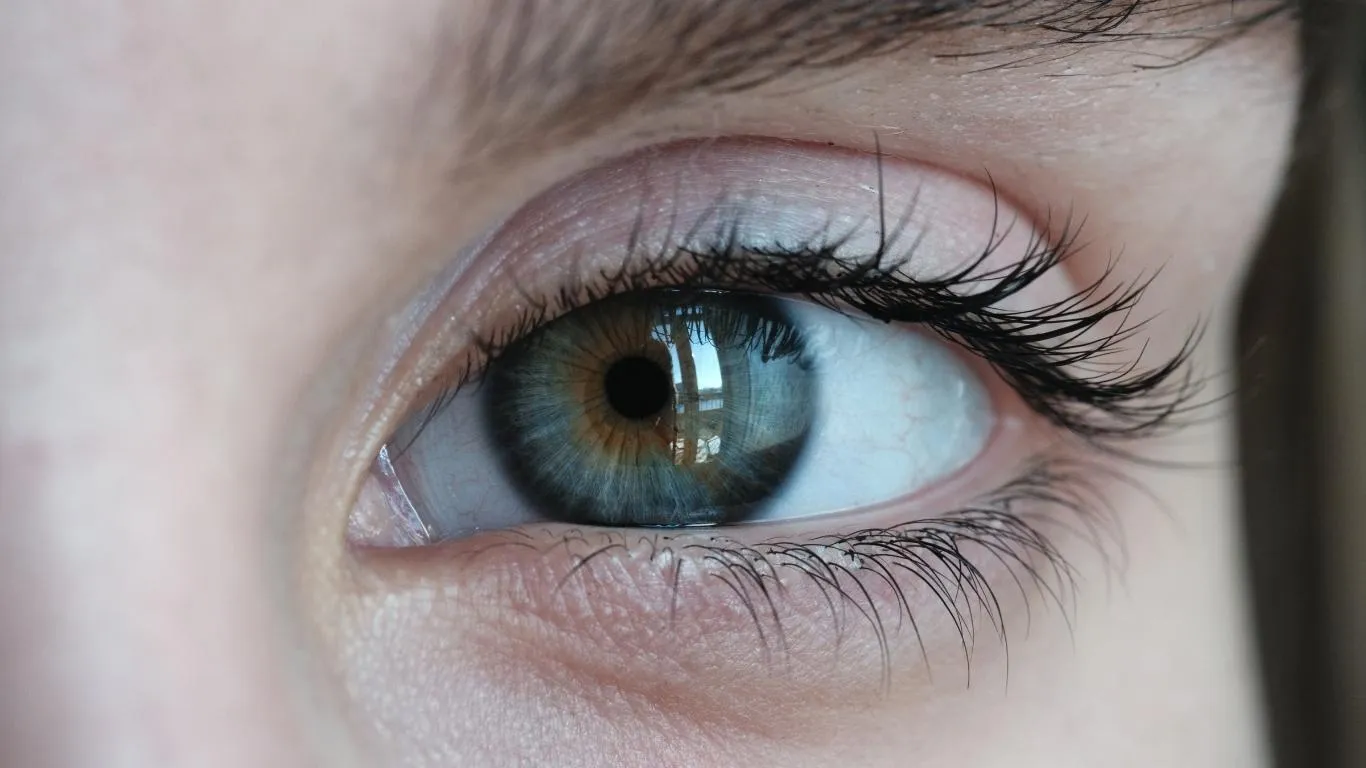
Most of the time, floaters are harmless. But if you suddenly notice a bunch of them — especially with flashes or peripheral darkness — you could be looking at something more serious, like a retinal tear. I’m not here to scare you, but it’s important to know when to check in with your optometrist.
- Sudden increase in floaters
- Flashes of light or zigzags
- Dark shadows or curtain-like vision
- Floaters that don’t move or seem fixed
These might signal something like a posterior vitreous detachment or worse, retinal detachment. If you’re unsure, don’t guess — get checked.
Managing Floaters in Decorated Spaces
Personally, I’ve made a few subtle changes at home. Nothing drastic. But reducing high-contrast elements on walls, adding soft matte textures, and adjusting lighting angles really helped. If your floaters are making you anxious, these little environmental tweaks might bring some relief.
Try These Tips
- Switch out harsh lighting for warm diffused options
- Use curtains or blinds to control sunlight glare
- Choose wallpaper with lower contrast or more matte finish
- Avoid shiny furniture or metallic surfaces that reflect too much
- Position desk/workstations away from patterned walls if possible
You can read more on improving vision clarity post-floaters through environmental adjustments and supplements.
Dig Deeper into Causes
If you’re curious about all the things that could trigger or worsen floaters (beyond wallpaper), check this detailed guide on common causes of floaters. It’s one of the more comprehensive sources I’ve found that covers both obvious and obscure triggers.
And for a broader breakdown that goes into symptoms, treatment paths, and medical advice, this main pillar article is worth bookmarking.
Do Floaters Actually Change Based on Your Environment?
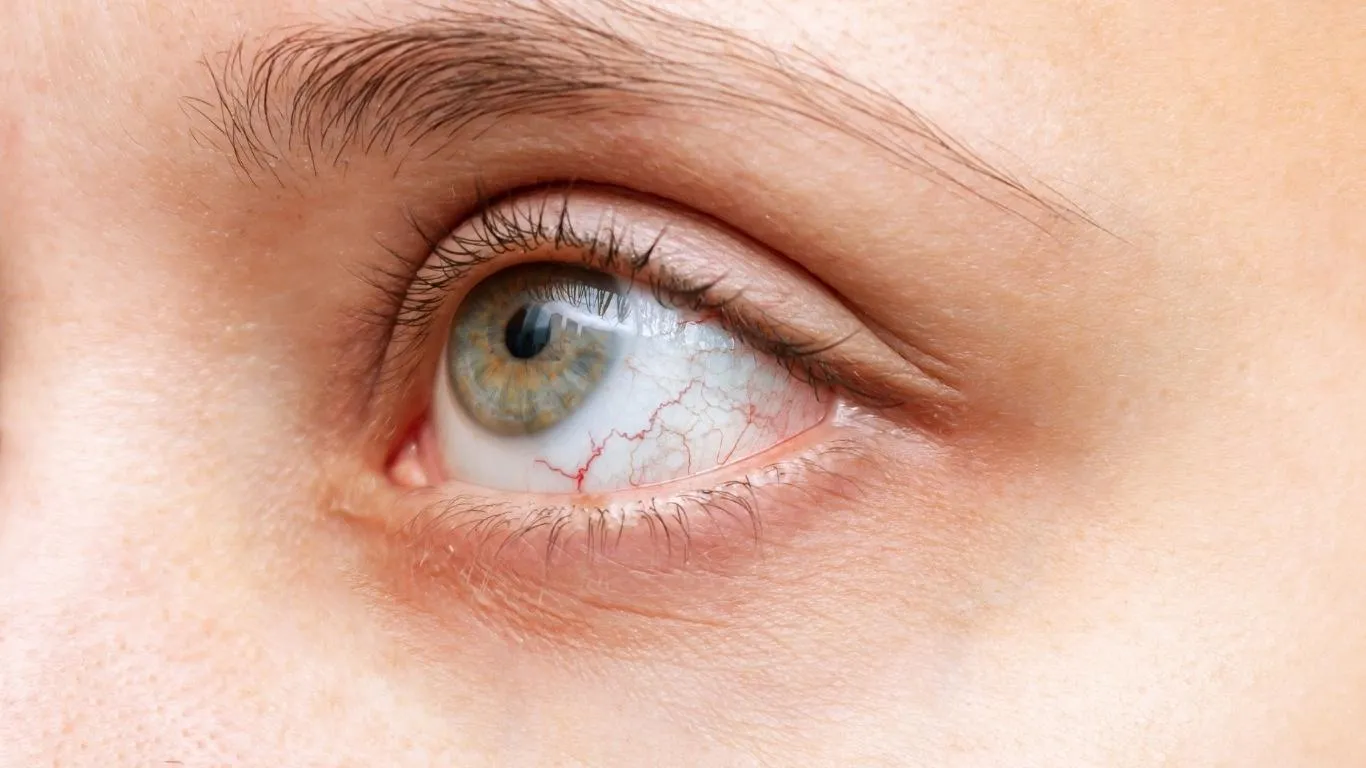
It’s wild how floaters can seem to disappear in some settings, only to reappear with a vengeance when you enter a space with detailed surroundings. In my experience, I rarely notice them while outdoors or walking through an all-white hallway. But the moment I step into my aunt’s living room — floor-to-ceiling paisley wallpaper and a chandelier — they’re practically waving at me.
That’s because floaters don’t actually change. It’s your perception of them that shifts based on the backdrop, lighting, and eye focus. Rooms with patterned wallpaper often include visual noise — and your brain just can’t filter it all cleanly.
It’s Like Trying to Spot a Smudge on a Dirty Window
Imagine looking through a smudged car window on a sunny day. If you focus on the outside world, the smudge fades. But glance at the glass itself, and suddenly, it’s all you can see. That’s exactly how floaters behave in environments rich with patterns, shapes, and reflected light.
This is especially true in places with artificial lighting or uneven ambient light — conditions that make contrast sharper and floaters more defined.
When Floaters Interfere with Daily Tasks
Okay, let’s be real — most eye doctors will tell you floaters are “normal” and just to ignore them. That’s true to a point. But what they often don’t acknowledge is how they mess with your focus and even mood. I remember trying to design a new webpage (yes, with a wallpapered mockup) and spending more time chasing floaters across the screen than actually working.
Turns out, I’m not alone. Floaters can cause:
- Visual confusion during tasks that require precision
- Mental fatigue from over-focusing and straining the eyes
- Frustration or anxiety, especially when they seem to multiply in patterned spaces
And if you’re dealing with this often, especially in conjunction with sinus pressure or allergies, things can feel worse than they actually are.
Working from Home? Watch Out
With so many people remote these days, the home office has become a trigger zone. If your walls are patterned, lighting is uneven, or you’ve got clutter behind your screen, you may be unintentionally creating the ideal visual trap for floaters to stand out.
Quick tip: a solid-color backdrop behind your monitor can make a world of difference. I switched mine from bookshelves to a light matte gray panel, and the impact was immediate.
Can You Get Rid of Floaters Altogether?
Short answer: maybe. Long answer: it depends. There are several treatments out there, but most docs won’t jump to surgical options unless your floaters are seriously affecting your vision or tied to another issue.
Options People Explore
- Vitrectomy – highly effective but invasive (removes vitreous gel completely)
- Laser vitreolysis – uses lasers to break up floaters (mixed results)
- Supplements & hydration – while not proven, many people report improvement with antioxidant support
- Behavioral adjustments – like reducing contrast in environments or using specialized eyewear
This deeper guide on treatments for eye floaters does a good job breaking down each method, risks, and who it’s best for.
Personally? I haven’t gone the medical route. But I’ve found that staying hydrated, avoiding too much screen time (especially in dark rooms), and keeping my living space visually calm really helps. Also, eye yoga sounds goofy, but it genuinely eased the tension for me. Worth trying.
Creating a Floater-Friendly Environment
We talk a lot about meds and supplements, but your environment might be the low-hanging fruit you haven’t considered. If wallpaper is your thing, no need to ditch it — just be smart with patterns and lighting. Here’s what helped me:
- Switched to low-contrast, matte-finish wallpaper in work areas
- Added warm, ambient lighting instead of direct overhead LEDs
- Positioned screens and desks away from windows to avoid glare
- Use natural tones around high-focus areas (desks, reading chairs)
Also, using blue light filters and resting your eyes regularly reduces overall eye fatigue. It might not erase floaters, but it keeps your eyes from locking onto them.
Still Seeing Them? Don’t Panic
Here’s the thing — most of us with floaters won’t ever get rid of them entirely. But with some clever environmental design, awareness, and a little patience, they don’t have to dominate your field of view. My floaters used to stress me out daily. Now, they’re just a minor nuisance — like background noise you learn to tune out.
If your floaters have changed shape recently or you’ve noticed new symptoms like dizziness or pain, check out this guide on when to worry about floaters. It’ll help you figure out if what you’re seeing is part of the norm, or if it’s time to talk to an eye specialist.
Also, for understanding the subtle differences between floaters and similar symptoms, this comparison article is a must-read. Trust me, it cleared up a lot of confusion I had early on.
And if you’re just getting started learning about floaters and how they impact your vision, bookmark this comprehensive eye floater guide from Healthusias — it’s solid and trustworthy, pulling in input from specialists and real patient stories.

Camellia Wulansari is a dedicated Medical Assistant at a local clinic and a passionate health writer at Healthusias.com. With years of hands-on experience in patient care and a deep interest in preventive medicine, she bridges the gap between clinical knowledge and accessible health information. Camellia specializes in writing about digestive health, chronic conditions like GERD and hypertension, respiratory issues, and autoimmune diseases, aiming to empower readers with practical, easy-to-understand insights. When she’s not assisting patients or writing, you’ll find her enjoying quiet mornings with coffee and a medical journal in hand—or jamming to her favorite metal band, Lamb of God.