
How the Effect of Weather Forecast on Migraine Can Disrupt Your Day
If you’ve ever found yourself checking the weather forecast not for weekend plans but to mentally prep for a migraine, welcome to the club. For years, I thought it was just me overreacting—until I noticed how predictable the pattern became. Every time the barometer dipped, my head throbbed like an overinflated balloon. This isn’t just in your head (well, figuratively)—turns out, the weather really *can* mess with your migraine.
How Weather Forecast Changes Impact Migraines

There’s growing research suggesting weather changes can be a major migraine trigger. For those of us who deal with migraine regularly, it’s not just a matter of discomfort—it can mean losing an entire day (or more) to pain, nausea, and fog.
Barometric Pressure: The Invisible Trigger
Barometric pressure changes are arguably the most notorious culprit. You can’t see it or feel it with your hands, but boy does your head know when it shifts.
- Sudden drops in pressure often precede storms—and migraines.
- Sharp increases can be just as disruptive for some people.
- It’s like your brain’s alarm system misfires under atmospheric stress.
Studies, including those shared by ncbi.nlm.nih.gov, have shown that pressure fluctuations can impact blood vessels and nerve endings, especially in people predisposed to migraine. It explains why I used to joke that my head had better forecasting skills than the local news.
Humidity, Heat, and the Overheating Brain
High humidity and heat waves have also been linked to increased migraine frequency. I noticed this especially during summer months—after just a few minutes in the sun, I’d feel that familiar pulse behind my eyes.
Here’s how it hits:
- Dehydration sneaks in fast when it’s hot, especially if you’re outdoors or exercising.
- Sweat loss throws off electrolyte balance, stressing the nervous system.
- Heat stress alone can trigger migraines, particularly in those with existing sensitivity.
If you’re curious about how hydration affects migraine, check out this deeper dive into the dehydration-migraine link.
Can Cold Weather Be a Migraine Trigger Too?

Absolutely. Winter doesn’t get a pass. Cold air constricts blood vessels, which can lead to increased pain sensitivity and headaches in people prone to migraines. And don’t get me started on walking outside into freezing wind—instant regret, instant headache.
Dry Indoor Air and Winter Migraines
Running the heat nonstop dries out the air—and your sinuses. This dryness often mimics or aggravates sinus headaches, but it can also act as a standalone migraine trigger.
Try using a humidifier and staying hydrated. I’ve also found that applying a warm compress over the forehead and temples can offer immediate relief, especially if it’s combined with aromatherapy like peppermint or eucalyptus oils. Learn more about using natural approaches like essential oils for migraine.
Storms, Lightning, and That Pre-Migraine “Aura” Feeling

Ever feel off before a storm even hits? You’re not imagining it. Weather-triggered migraines often come with aura—visual disturbances like flashing lights, blind spots, or zigzag patterns. According to research from mayoclinic.org, these symptoms are neurological and may stem from rapid environmental changes.
Personally, aura episodes are the most unsettling part of my migraines. It’s like a warning siren going off in my brain. If you experience this too, you might find this article on migraine aura signs insightful.
Lightning and Electromagnetic Fields
There’s emerging research on whether lightning and even shifts in the electromagnetic field during storms could contribute to migraine onset. While evidence is still being gathered, it’s an intriguing area that might explain those “out-of-nowhere” headaches.
What Forecast Data Migraineurs Should Track

Weather-triggered migraines aren’t random if you know what to look for. Here’s what I personally monitor when checking the forecast:
- Barometric pressure trends – drops or spikes are red flags
- Humidity levels – 60%+ and I know I need to hydrate more
- Temperature extremes – both highs and lows can be problematic
- Storm activity – incoming fronts almost always spell trouble
For more on how to track your migraine patterns, this migraine diary guide can help you log triggers alongside weather data. That’s how I finally made the connection between local conditions and my worst episodes.
Of course, every person is different. You might react to dry heat, while someone else is triggered by damp chill. Still, identifying *your* weather sensitivity is step one toward avoiding unnecessary suffering.
And if you’re looking for a solid foundation on causes and prevention strategies beyond weather, check out the Migraine Triggers section—it’s one of the best starting points. I also highly recommend exploring the main migraine and headaches guide for a broader view of this condition.
How to Cope with Weather-Triggered Migraines

Once I accepted that the weather wasn’t going to change for me, I had to start changing for the weather. And that meant creating my own toolkit. Dealing with weather-triggered migraines is all about being proactive instead of reactive—which sounds cliché, but it honestly makes the difference between a mild annoyance and a full-blown, take-me-out-for-two-days migraine.
Use Apps That Track Weather & Pressure
There are apps out there designed specifically for people like us. Apps like WeatherX and Migraine Buddy allow you to track barometric changes, and some even send alerts when a pressure drop is predicted. I don’t rely on these for every decision, but on days where the pressure’s falling fast, I prep: I slow down, drink more water, cancel anything non-essential, and make sure my meds are nearby.
For a broader list of tech tools that can help, I’ve found this guide on migraine tracking apps incredibly useful.
Hydration and Electrolytes—Don’t Skip It
Weather swings often dry you out faster than you realize. Even in winter. I’ve learned the hard way that keeping a bottle of water next to me isn’t enough. I now mix in an electrolyte tablet once or twice a day when conditions are shifting rapidly.
- Look for formulas with magnesium—it’s often deficient in migraine sufferers.
- Avoid sugary sports drinks; go for clean, low-sugar electrolyte boosters.
You can explore the benefits of magnesium for migraine here if you want to go deeper into that rabbit hole.
Protective Habits for Sudden Weather Changes

Living in a place where the weather can’t make up its mind (looking at you, Midwest), I’ve had to build habits that shield me from the worst of it. It’s not about control—it’s about reducing exposure to known triggers.
Keep Sunglasses and Earplugs Handy
Bright sunlight after a storm or intense wind noise can both be unexpected migraine catalysts. I keep polarized sunglasses and a pair of soft earplugs in my bag. I never thought earplugs would be a must-have item, but they’ve saved me more than once in crowded, noisy spaces or during high winds.
This roundup of the best earplugs for migraine sensitivity is worth checking out if you’re sensitive to noise like I am.
Try Natural Pressure Regulation Tools
I used to be skeptical, but I’ve personally found that acupressure devices and wearable migraine bands help during abrupt weather changes. My go-to is a gentle neck wrap that offers pressure at the base of the skull while warming or cooling the area.
For more on devices that help reduce migraine symptoms naturally, I’d suggest browsing the top migraine relief devices list—they’re not miracle cures, but they’re great tools to have on hand when the clouds roll in.
Supporting Your Body Before the Migraine Hits

When I first started noticing the pattern between weather changes and migraines, I was constantly reacting to them. Now, I try to get ahead of them by preparing my body in ways that make it less reactive to stress, whether that stress comes from clouds, humidity, or pressure shifts.
Yoga and Breathing Practices
Simple stretches and breathing exercises keep my shoulders relaxed and my circulation steady. When I feel the telltale tension creeping up my neck on a humid day, I grab 10 minutes of gentle yoga or breathwork.
There’s a great beginner guide for yoga for migraine that breaks it down without overcomplicating things.
Routine Sleep and Eating Patterns
Weather might be unpredictable, but your habits don’t have to be. I’ve noticed that my migraine frequency drops when I eat and sleep at the same time every day—especially when weather’s about to shift. It’s like giving my body one less variable to freak out about.
For those struggling with sleep, explore this piece on migraine-friendly sleep habits—some of those tweaks helped me significantly.
Working and Traveling When the Forecast Isn’t on Your Side
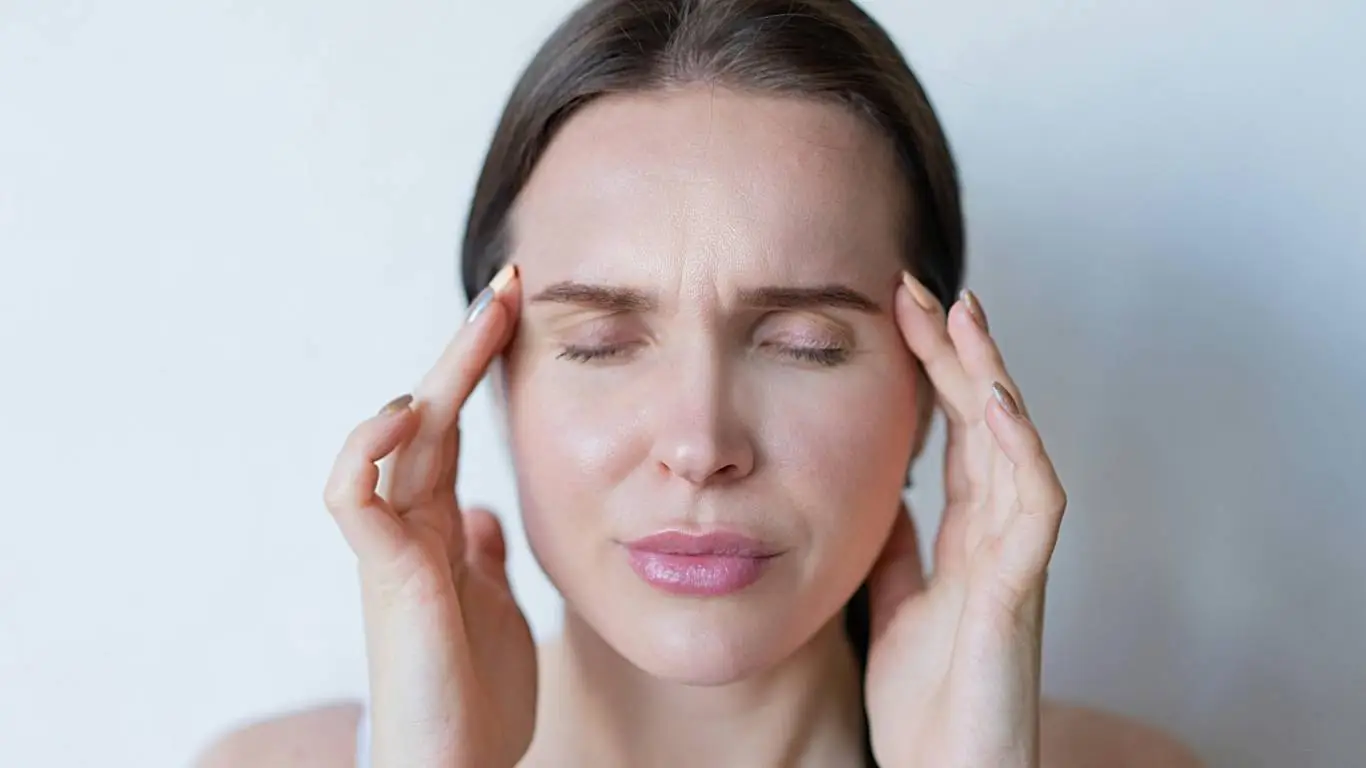
It’s hard enough to function with a migraine, but doing so while meeting deadlines or catching flights is a different beast. I’ve learned to build a travel and work routine that keeps me functional—even when the weather’s working against me.
Remote Work or Flex Hours
If you can, try negotiating a more flexible work setup. When I realized that stormy Mondays were my biggest trigger, I adjusted my week to be front-loaded, tackling demanding tasks earlier. This reduced missed deadlines and panic attacks.
More tips can be found in this resource on working with migraines.
Pack a “Migraine Go-Bag”
Whether it’s a short trip or a full vacation, I never travel without a small migraine kit. Here’s what’s in mine:
- Fast-acting meds (prescription or OTC)
- Polarized sunglasses and blue light glasses
- Cooling gel pads and a neck wrap
- Small electrolyte sachets
- Essential oil roller (peppermint + lavender)
If you’re often on the move, these travel tips for migraine sufferers will help you prepare better.
When to Get Help and Reevaluate

At some point, managing weather-related migraines might require more than hacks and habits. I reached that point a year ago and finally consulted a neurologist who helped me fine-tune my plan.
There are treatments specifically designed for people who deal with frequent migraines, including prescription preventatives and CGRP inhibitors. If your migraines are frequent and disruptive, it might be time to explore those options with a pro. You can learn more about how migraines are diagnosed and what to expect in your first consult.
And if you’re still wondering where to begin with prevention overall, don’t miss the complete guide on migraine prevention. It ties everything together—from triggers to treatment.
For a broader resource that covers weather and beyond, take a look at the main migraine hub—it’s my go-to for both foundational knowledge and newer strategies.

Bianca Nala is a compassionate Nurse Practitioner with a strong background in primary and respiratory care. As a health writer for Healthusias.com, she combines her clinical expertise with a talent for clear, relatable storytelling to help readers better understand their health. Bianca focuses on topics like asthma, COPD, chronic cough, and overall lung health, aiming to simplify complex medical topics without losing accuracy. Whether she’s treating patients or writing articles, Bianca is driven by a single goal: making quality healthcare knowledge accessible to everyone.