Worst Foods to Avoid When Treating BV Effectively
Managing bacterial vaginosis (BV) isn’t just about taking antibiotics or applying topical treatments. From what I’ve seen — and personally experienced — food plays a much bigger role than most people realize. It’s not always obvious, but what you eat can quietly influence how quickly you recover or how often BV keeps coming back. Some foods feed the imbalance. Others might make symptoms more irritating. So, let’s talk about the real deal: what not to eat when treating BV. Because your plate might be sabotaging your progress without you even knowing it.
Foods High in Sugar: A Fast Track to Imbalance

If there’s one thing BV bacteria love, it’s sugar. I learned this the hard way when I kept getting flare-ups even while on medication. Turns out, my nightly dessert habit wasn’t doing me any favors.
Why sugar is a problem:
- Feeds harmful bacteria and yeast, allowing them to thrive
- Weakens your immune response over time
- Disrupts blood sugar levels, which can indirectly affect vaginal pH
Avoid:
- Sodas and sweetened beverages
- Pastries, cakes, and cookies
- Breakfast cereals with added sugars
- Sweetened yogurts (especially the fruit-on-the-bottom kind)
Need proof? Research has shown that high sugar intake can negatively affect vaginal flora, especially when combined with antibiotic use. It’s like throwing fuel on a fire.
Dairy Products: Sneaky Triggers for Some Women

This one’s controversial — and very personal. Some women have no problem with dairy during BV treatment. Others, like me, feel like it stalls healing. It may come down to how your body reacts to lactose or casein.
Why it might be worth limiting:
- Lactose can promote mucous buildup, which contributes to vaginal discharge
- Conventional dairy can contain hormones or antibiotics that alter gut flora
- Milk sugar (lactose) may subtly support unwanted bacterial growth
If you’re not sure whether dairy is an issue for you, try removing it for 1-2 weeks. Many women find relief from persistent discharge or bloating — which often go hand in hand with BV symptoms. For additional insights on discharge changes, read this breakdown on BV discharge color and texture.
Highly Processed Foods: Your Gut (and Vagina) Deserve Better

Think chips, frozen dinners, instant noodles. All that shelf-stable junk that’s made to last months? Yeah, it’s also excellent at throwing your microbiome off track. After one week of eating mostly processed food during a hectic work trip, my symptoms came roaring back — no joke.
What’s wrong with them?
- Low in fiber and nutrients your immune system needs
- Often loaded with sodium, additives, and preservatives
- Disrupt healthy gut bacteria, which impacts vaginal flora
Your gut and vagina are more connected than most people think. When your gut’s off balance, it’s just a matter of time before your vaginal environment follows suit. Learn how your daily habits could be contributing to recurring BV.
Refined Carbohydrates: The Sugar You Didn’t Know Was Sugar

Not all carbs are the enemy, but refined carbs? They’re just sugar in disguise. White bread, pasta, and rice — these all break down quickly and spike blood sugar, which gives BV-causing bacteria more to thrive on. After replacing white rice with quinoa and whole grains, I noticed fewer flare-ups and better energy, too.
Foods to rethink:
- White pasta and white bread
- Crackers and white rice
- Bagels and hamburger buns
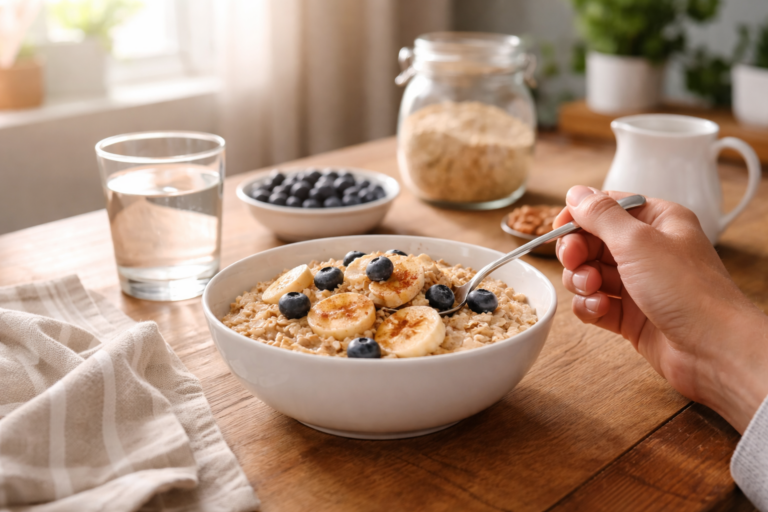
Instead, aim for fiber-rich options like oats, brown rice, and legumes. These help regulate blood sugar and nourish the gut — both of which support vaginal health. Need a bit more clarity on the diet-BV link? Check out this deep dive into sugar’s effect on BV.
Artificial Sweeteners: A Hidden Gut Disruptor
Trying to be “healthier” by cutting sugar with diet drinks and low-cal snacks? Been there, done that. But unfortunately, artificial sweeteners like aspartame and sucralose might be just as bad. Not only can they irritate your gut lining, but some studies suggest they may even change the way your gut bacteria behaves — in all the wrong ways.
Watch out for:
- Diet sodas and sugar-free drinks
- “Light” yogurts or low-cal desserts
- Protein bars with sucralose or maltitol
The impact might not be immediate, but over time, your body starts reacting. I felt bloated and just “off” after days of artificial sweeteners — it wasn’t until I cut them out that I noticed improvement in both digestion and BV symptoms. For more food-focused tips, this guide on BV food triggers might surprise you.
Connecting the Dots: Your Diet and BV Healing

Healing from BV isn’t just about pills or prescriptions. Every bite you take either supports balance or feeds the chaos. And while there’s no single perfect “BV diet,” there are definitely foods that make things worse — especially when your body’s trying to heal.
So if you’re treating BV and feeling like you’re stuck in a frustrating loop, take a close look at what’s on your plate. Your diet might be doing more harm than good.
For a complete understanding of how your eating habits affect your BV journey, dive into the full BV diet guide. It connects everything from symptoms to prevention strategies. And if you want a deeper context around the condition itself, this foundational BV resource is a solid starting point.
Once you’ve cut out the major offenders from your diet, you might be wondering — okay, what next? That was me after weeks of trial and error. I knew what not to eat when treating BV, but I wasn’t totally sure what to put in its place. Turns out, recovery and prevention go hand-in-hand, and food is your biggest ally. From gut-loving ingredients to smart eating habits, this next phase is all about rebuilding balance. And yeah, it really does make a difference.
Probiotic-Packed Foods: Real Allies in BV Recovery

If you’ve dealt with recurring BV, you’ve probably heard about probiotics. I’ll admit, I was skeptical. But after consistently adding a few probiotic-rich foods into my daily meals, the difference in my symptoms was actually noticeable — and way faster than I expected.
Top probiotic foods to include:
- Plain, unsweetened Greek yogurt
- Kimchi and sauerkraut (look for raw, unpasteurized versions)
- Kefir (go for unsweetened)
- Miso and tempeh
These foods help restore the balance of good bacteria in your gut and vaginal flora. That’s crucial when antibiotics wipe out everything — the good and the bad. For more on how probiotics affect BV, check out this detailed article.
Anti-Inflammatory Foods: Calm the Internal Chaos

When your body’s fighting BV, inflammation is part of the picture — whether you feel it or not. What you eat can either fan the flames or help put them out. Personally, once I leaned into anti-inflammatory meals, I noticed less bloating, better mood, and yeah, calmer symptoms down there.
Include more of these:
- Leafy greens like kale, spinach, and arugula
- Fatty fish like salmon or sardines
- Colorful berries — especially blueberries and raspberries
- Turmeric and ginger in cooking or tea
Adding even just a handful of these to your plate each day helps lower inflammation and supports healing. Want to know more about chronic BV triggers? This long-term guide for BV management lays it out well.
Hydration Habits That Actually Matter

This one seems simple, but it’s one of the most overlooked. Staying hydrated doesn’t just help with energy and digestion — it supports the natural detox processes that can flush irritants and keep vaginal pH stable. I never realized how dehydrated I was until I made it a point to drink water regularly, and honestly, it made my whole body feel more regulated.
Tips for better hydration:
- Start your day with a glass of water and lemon
- Swap soda or coffee for herbal teas
- Carry a refillable water bottle — always
- Add electrolyte-rich drinks (natural ones) post-workout
If you’re curious about hygiene habits and their impact on BV symptoms, this myth-busting article on BV and douching is a must-read.
Smart Snacking: Keep Sugar and Cravings in Check

One of the reasons sugar creeps back into your diet is simple — cravings. I know when that 3 PM slump hits, reaching for something sweet is just automatic. But once I found a few go-to snacks that kept me full and stabilized, it was easier to say no to sugary stuff.
Some personal favorites:
- Almonds with a few dark chocolate chips
- Celery with nut butter
- Greek yogurt with cinnamon and chia seeds
- Hummus with carrots or sliced cucumber
Stable blood sugar = stable hormones = fewer BV flare-ups. It’s all connected, and your snacks play a big role. Learn more about which foods can support good bacteria in this guide on feeding beneficial flora.
Supplements That Support, Not Replace

Let me be clear: supplements aren’t a cure — but they can give your body an extra push in the right direction. I started small: a probiotic, some vitamin D, and a zinc supplement. Within weeks, I felt more energized, and my cycles became less erratic. It wasn’t magic, just a little support in the right areas.
Supplements worth considering (talk to your doc first):
- Probiotics: Look for strains like Lactobacillus rhamnosus GR-1 and Lactobacillus reuteri RC-14
- Zinc: Supports immune function and tissue repair
- Vitamin D: Commonly low in women with recurring infections
- Omega-3: For overall inflammation support
For a breakdown of natural BV strategies, the natural remedies hub offers a range of effective options and research-backed guidance.
Support Healing with the Right Mindset

Last but definitely not least — your mindset. Treating BV isn’t just about food and prescriptions. It’s about patience, consistency, and knowing that slip-ups happen. I used to spiral every time symptoms returned. Now, I see it as my body sending a message — and I adjust accordingly.
Things that helped me stay balanced:
- Journaling symptoms and diet to notice patterns
- Practicing stress-reducing habits like walking or meditation
- Setting reminders to hydrate or take probiotics
- Letting go of the guilt when things aren’t perfect
It’s not about perfection. It’s about progress. Keep listening to your body — and trust that it knows how to heal when given the right tools.
For a full breakdown of how your habits influence your recovery, this in-depth piece on preventing recurring BV is worth bookmarking. And for a broader overview of how all these puzzle pieces fit together, check out this foundational guide on BV.

Dr. Gwenna Aazee is a board-certified Internal Medicine Physician with a special focus on hypertension management, chronic disease prevention, and patient education. With years of experience in both clinical practice and medical writing, she’s passionate about turning evidence-based medicine into accessible, actionable advice. Through her work at Healthusias.com, Dr. Aazee empowers readers to take charge of their health with confidence and clarity. Off the clock, she enjoys deep dives into nutrition research, long walks with her rescue pup, and simplifying medical jargon one article at a time.