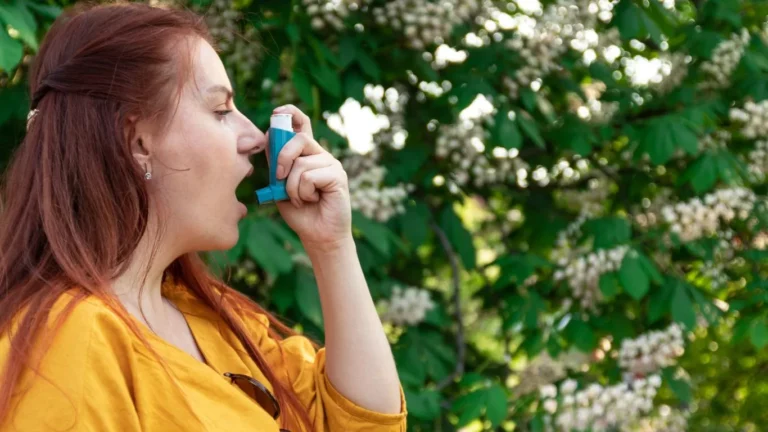
How To Manage Anxiety Over World Events Without Feeling Powerless
It feels like every time I scroll through my phone or turn on the news, there’s another crisis unfolding. Climate change, political unrest, economic instability—you name it. It’s exhausting. I’ve caught myself spiraling into “what-if” scenarios more often than I care to admit. If you’ve ever lost sleep over headlines or felt paralyzed by the sheer volume of global issues, you’re definitely not alone. Learning how to manage anxiety over world events has become more than a mental health tip—it’s become a survival skill. Let’s unpack it together.
Why Global News Can Quietly Hijack Your Nervous System

Our Brains Were Not Built For This Much Noise
Humans are wired for connection, but not constant crisis. Our ancestors dealt with immediate, local threats—things they could control or avoid. But modern life? We carry the weight of the *entire planet’s problems* in our pockets. One scroll through social media can send your nervous system into overdrive.
The Role of Empathy in Global Anxiety
Being empathetic is a strength, but it comes with a cost. Feeling deeply for others across the globe can trigger something called vicarious trauma. When we internalize suffering we cannot fix, it creates a loop of helplessness and guilt. I’ve definitely caught myself glued to updates from war zones or natural disasters, heart pounding—knowing full well it wasn’t helping anyone.
Real Signs You’re Struggling With News-Induced Anxiety

Not All Anxiety Looks Like Panic
- Difficulty sleeping after reading the news
- Constant urge to check updates “just in case”
- Feelings of doom or powerlessness
- Snapping at loved ones for no apparent reason
When I noticed I was waking up at 3 AM thinking about global inflation or climate change, I knew something had to shift. You can’t pour from an empty cup—and staying mentally grounded is crucial if you want to show up for causes that matter.
How to Ground Yourself When the World Feels Chaotic

1. Curate Your Content Intake
This one’s a game changer. Unfollow doom-heavy accounts. Mute terms temporarily. Create intentional time slots to check news from reliable sources like Reuters or BBC. You’re not ignorant—you’re protecting your bandwidth.
2. Focus on Your Circle of Control
You can’t fix the global economy, but you can build a local emergency fund. You can’t stop a war, but you can donate or raise awareness. Anchoring in action—even tiny ones—reduces anxiety. One of the best reads I found on this idea was in building personal resilience to ease anxiety.
3. Create an “Anti-Anxiety Routine”
I have a ritual now: I journal, stretch, sip caffeine-free tea, and do breathwork when I feel that anxious edge creeping in. It’s wild how often simple steps work better than complicated solutions. This method is echoed in practical breathwork guides for anxiety relief.
How Your Environment Feeds the Storm
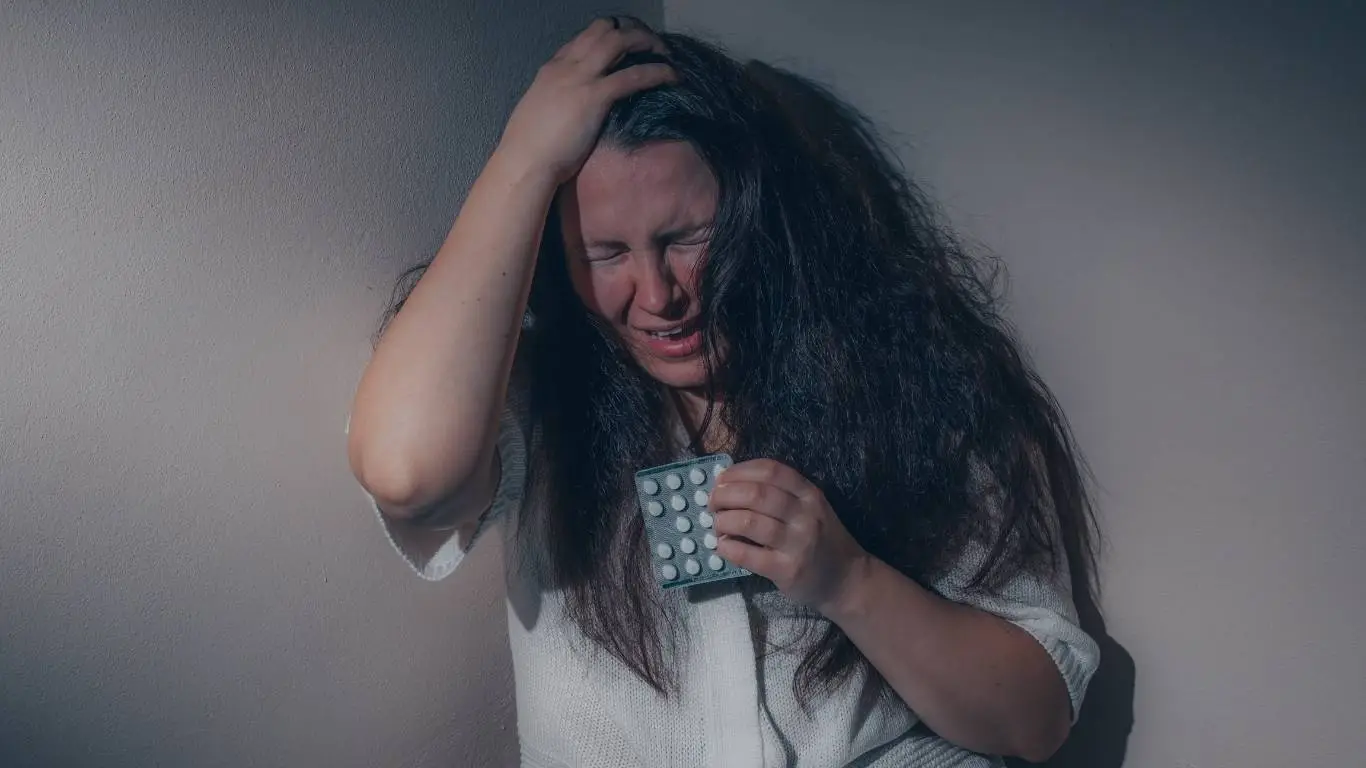
The Digital Rabbit Hole Is Real
One minute you’re checking a headline, and next thing you know, you’ve read ten articles, checked Twitter threads, and watched two YouTube documentaries. It’s addictive. And the anxiety doesn’t fade—it just morphs into background stress that messes with your productivity, appetite, and sleep.
Your Home Can Be a Stress Mirror
When I finally decluttered my bedroom and turned off push alerts at night, my sleep improved within a week. No joke. There’s solid science behind the impact of physical space on mental calm, which is also explored in this excellent piece on lifestyle and self-help methods for managing anxiety.
Why Talking About It Actually Helps

Find Your Safe People
Sharing your fears with someone who won’t judge or brush you off? That’s gold. I started texting a friend every time I spiraled into worst-case scenarios. We’d laugh, vent, and remind each other to breathe. Talking things out, even clumsily, keeps them from snowballing in your head.
Get Support If You’re Drowning
There’s zero shame in reaching out to a therapist—especially one trained in anxiety disorders. One resource I leaned on early was this article on how anxiety is diagnosed and assessed, which helped me understand what I was actually dealing with.
Is It Really Anxiety—Or Is It Something Deeper?

Sometimes It’s Not Just About The News
Constant stress from world events can uncover unresolved stuff—past trauma, control issues, or even undiagnosed disorders. I didn’t realize until later that my spirals were often tied to my own childhood experience with unpredictability. If that resonates, you might want to explore this deep dive into hidden causes of anxiety disorders.
Give Yourself Some Grace
If your anxiety over world events makes you feel overly sensitive, emotional, or exhausted—it’s not weakness. It’s your nervous system doing its best to keep you safe. Learning to manage that reaction is a skill, not a flaw.
For a broader understanding of how anxiety silently impacts your daily function, this main pillar article on anxiety’s invisible control offers a deep and thoughtful exploration worth reading.
Build a Resilience Toolkit That Works When the World Doesn’t
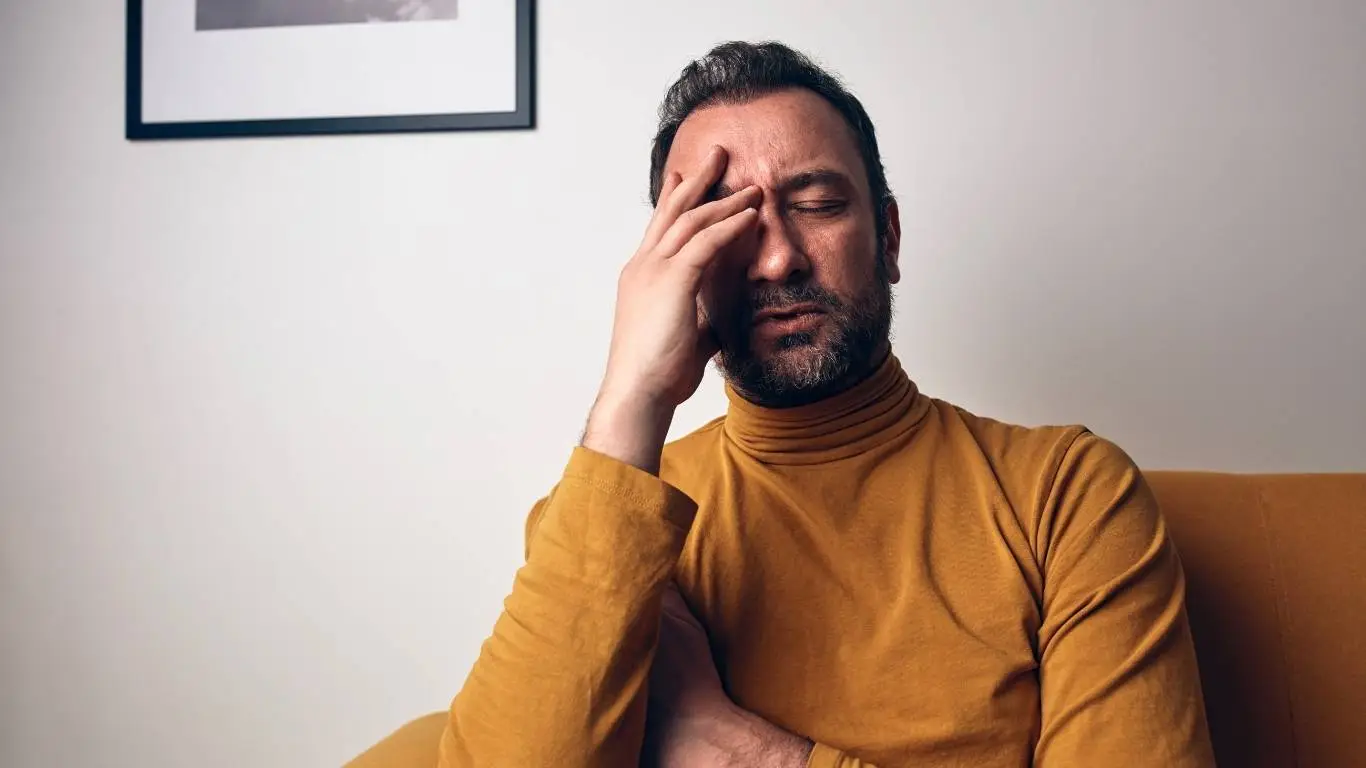
Have Go-To Tools Ready
I used to scramble for relief in the middle of an anxious spiral—now I keep a physical “calm kit.” Think noise-canceling headphones, peppermint essential oil, my favorite book, and a grounding stone. It might sound silly, but when your brain’s overloaded, simple sensory input can anchor you.
This technique is beautifully supported in progressive muscle relaxation techniques, which can teach your body to calm even when your mind’s spinning.
Mindfulness Isn’t Just a Buzzword
Mindfulness helped me notice when I was mentally time-traveling into disaster scenarios. A few minutes of just noticing my breath, sounds, or body helped break the loop. You don’t need an app or fancy mat—just your awareness. Still, I’ll admit, the research behind mindfulness and anxiety really sold me.
Set Boundaries With Conversations and People

Some People Trigger the Spiral
We all have that one friend who treats every news story like a personal apocalypse. I had to learn to lovingly distance myself during those moments. It doesn’t mean I don’t care—it means I care about my own peace, too. We talk about art, music, or dogs instead. Honestly, it’s better for both of us.
This aligns with why boundaries reduce anxiety—they prevent emotional burnout from secondhand stress.
Limit “Trauma Dump” News Chats
There’s a huge difference between informed discussion and obsessive venting. I started setting a rule with my partner: “We can talk about hard news for 10 minutes, then shift.” No guilt, just intention. It’s actually strengthened our connection because it protects the mood in our home.
Channel Anxiety Into Purpose—Even In Small Ways

Small Actions Matter More Than Doomscrolling
During one particularly tough news cycle, I joined a local food bank. It was a small time commitment, but the shift it gave me emotionally? Massive. Doing *something*, even when it felt like the world was on fire, restored a sense of power I didn’t realize I’d lost.
If that resonates, check out how purposeful action builds mental strength. It’s a reminder that impact doesn’t always require a hashtag or megaphone.
Support What Aligns With Your Values
Not everyone is built to be on the frontlines, and that’s okay. Donations, writing letters, showing up for community meetings—all of it counts. You’re allowed to care deeply and still prioritize your mental health. Burnout doesn’t help anyone.
Know When It’s Time For Help—And Get It
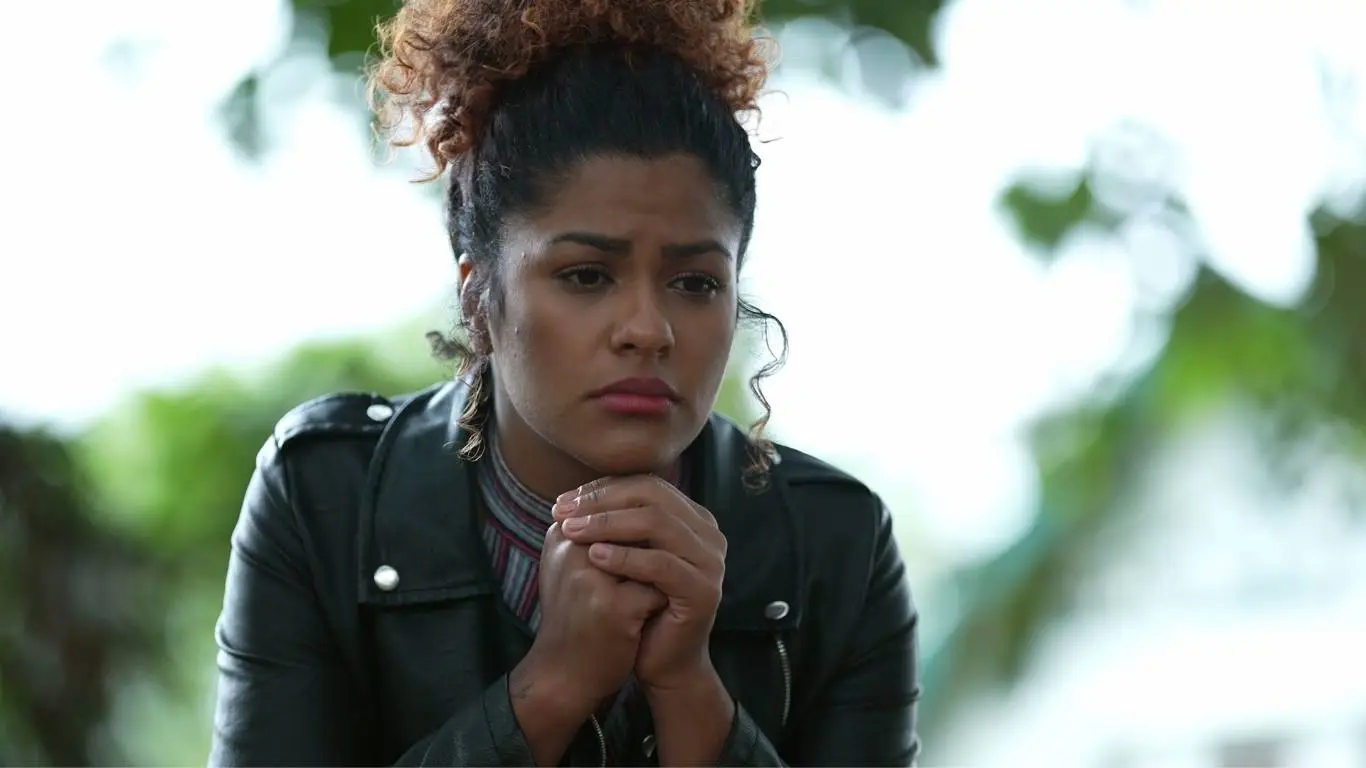
Therapy Can Help You Reframe Your Perspective
I’ll be honest—I waited too long to get professional help. I thought, “It’s just news, I should be able to cope.” But it wasn’t about headlines. It was the impact those headlines had on my nervous system, sleep, and relationships. A therapist helped me sort through the fear and learn to shift my inner dialogue.
Whether it’s general anxiety or something more specific, psychotherapy for anxiety is one of the most effective, research-backed ways to create long-term relief and clarity.
Explore Supportive Communities
There’s nothing quite like talking to people who get it. Online support groups, community circles, even group therapy sessions can provide an outlet. Just being reminded that you’re not the only one spiraling over world events can instantly reduce the shame and isolation that anxiety tends to bring.
Start by reading how complementary approaches to anxiety might support you holistically.
Managing Anxiety Over World Events Doesn’t Mean Disconnecting From Reality

You don’t have to stop caring. You don’t need to “just get over it.” What you need is permission to protect your mental bandwidth so you can stay present, grounded, and strong enough to contribute when it matters most. That isn’t ignorance—it’s wisdom. And if you’ve read this far, you clearly care enough to find better ways to cope.
If you’re curious about what else could be quietly contributing to your anxiety, the guide on hidden anxiety disorder causes sheds light on deeper, often-overlooked layers.
And for a holistic look at how anxiety can silently control your daily habits, mindset, and emotions, explore this important article—you’ll see you’re not alone in this struggle.

Camellia Wulansari is a dedicated Medical Assistant at a local clinic and a passionate health writer at Healthusias.com. With years of hands-on experience in patient care and a deep interest in preventive medicine, she bridges the gap between clinical knowledge and accessible health information. Camellia specializes in writing about digestive health, chronic conditions like GERD and hypertension, respiratory issues, and autoimmune diseases, aiming to empower readers with practical, easy-to-understand insights. When she’s not assisting patients or writing, you’ll find her enjoying quiet mornings with coffee and a medical journal in hand—or jamming to her favorite metal band, Lamb of God.