Bioidentical Hormones for Menstrual Migraine Relief That Lasts
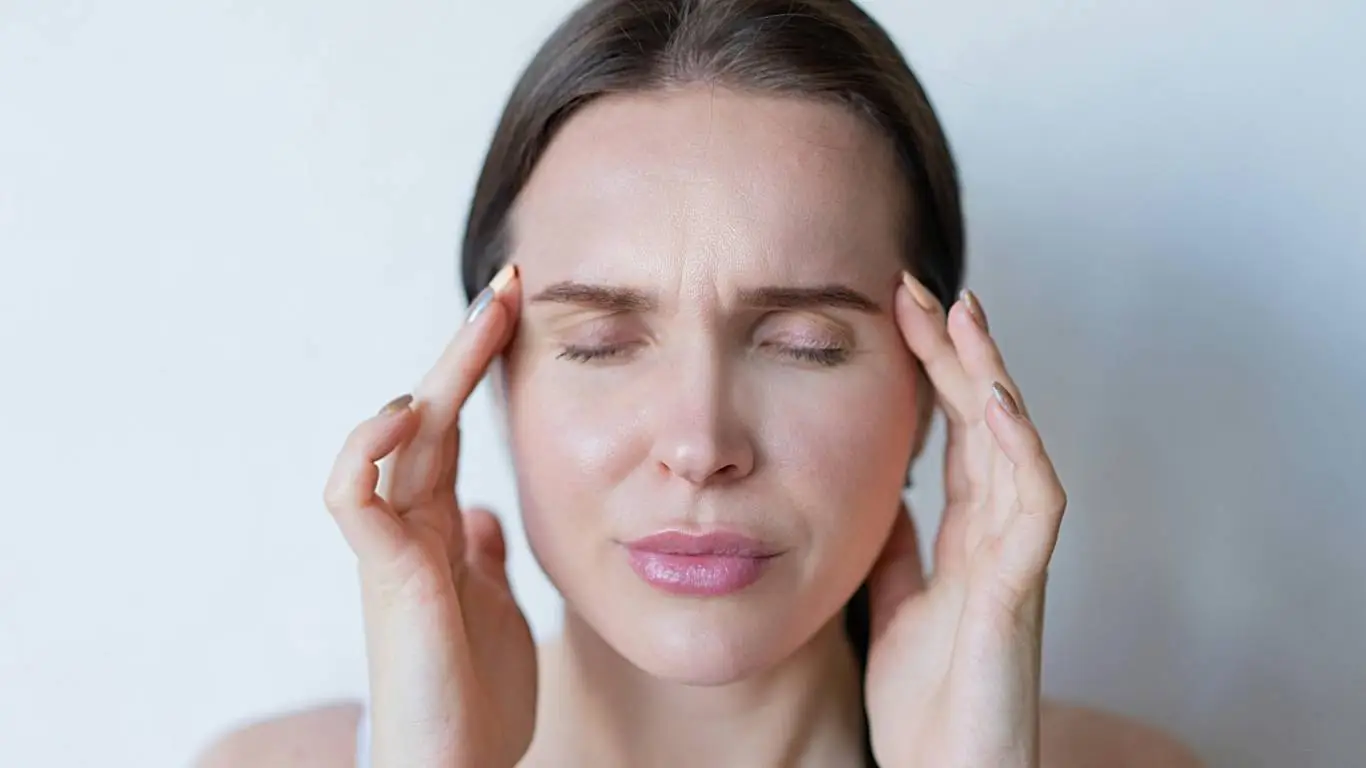
Back in my late twenties, I used to chalk up my throbbing headaches to stress or dehydration — until I noticed a pattern. Like clockwork, the pain would strike just before my period, usually followed by fatigue, light sensitivity, and nausea. It took me years (and several doctors) to finally understand what I was experiencing: menstrual migraines. What caught me by surprise, though, was how balancing my hormones, specifically through bioidentical hormone therapy, became a turning point in my life. If you’re reading this and thinking, “That sounds a lot like what I go through,” you’re not alone — and you’re definitely not imagining things.
What Are Menstrual Migraines and Why Are They So Brutal?

Menstrual migraines aren’t just regular migraines with bad timing. These are hormonally triggered attacks that often show up one to three days before menstruation starts, and they can feel more intense and last longer than non-hormonal migraines. They’re tightly linked to the drop in estrogen levels that happens just before a period.
For many women, this dip in hormones acts like a biological switch, flipping on severe migraine symptoms. The symptoms can include:
- Pulsating or throbbing pain on one or both sides of the head
- Sensitivity to light, sound, or smells
- Nausea or even vomiting
- Exhaustion, dizziness, and sometimes aura symptoms
Honestly, it can feel like someone hijacked your body just as you’re trying to function at work or with family. And if you’ve ever tried to explain this to someone who’s never experienced it, you know how quickly it gets dismissed as “just a headache.”
Why Traditional Treatments Often Miss the Mark

Over-the-counter pain meds might take the edge off for a mild headache, but when it comes to menstrual migraines, they often don’t cut it. I’ve tried them all — ibuprofen, acetaminophen, triptans, caffeine combos — and most offered only partial or temporary relief.
What’s frustrating is how often menstrual migraines are misdiagnosed or lumped in with general hormonal headaches. Even diagnosing menstrual migraines can be tricky unless you’re tracking your cycle religiously.
That’s where the conversation shifts to hormones, specifically bioidentical hormones.
Bioidentical Hormones: What They Are and How They Work

So, what exactly are bioidentical hormones? These are compounds designed to be chemically identical to the hormones naturally produced by your body. Unlike synthetic hormones used in conventional hormone replacement therapy (HRT), bioidentical hormones are typically derived from plant sources like yams or soy and customized based on your unique hormonal profile.
Here’s the part that really matters: because they match your body’s natural hormones, many women (including myself) find them easier to tolerate and more effective at stabilizing estrogen and progesterone levels — the key players in menstrual migraines.
Why Bioidentical Hormones for Menstrual Migraines?
- Estrogen Stabilization: Prevents the sharp hormonal drop that often triggers migraines.
- Customized Dosing: Can be tailored to your cycle and symptoms, offering more precise relief.
- Fewer Side Effects: Many women report fewer adverse reactions compared to synthetic HRT.
For me, switching to a topical estrogen cream (prescribed based on blood tests) was a game-changer. Within two cycles, I noticed fewer migraines, and when they did show up, they were milder and shorter.
What Science Says About Hormones and Migraines

Several studies have backed up what many women experience anecdotally. The National Institutes of Health has published research indicating that estrogen fluctuations can significantly impact migraine frequency and severity. Stabilizing those levels through hormone therapy, particularly with bioidenticals, may reduce attacks.
What’s promising is that some neurologists and gynecologists are now collaborating more closely to address menstrual migraines holistically — recognizing them as not just neurological but also endocrinological issues. Hormonal triggers deserve just as much attention as dietary or environmental ones, yet they’re often treated like an afterthought.
Want to dig deeper into how hormones affect your migraines? This migraine with aura article might help connect the dots if you also experience visual disturbances with your cycle.
Who Might Benefit (And Who Should Proceed With Caution)

Bioidentical hormone therapy isn’t a one-size-fits-all fix. It’s ideal for:
- Women in perimenopause or with irregular cycles
- Those who’ve confirmed their migraines are estrogen-related
- Patients who haven’t responded well to traditional treatments
That said, there are scenarios where it’s not recommended — especially if you have a history of hormone-sensitive cancers, clotting disorders, or certain autoimmune conditions. Always work with a knowledgeable practitioner, preferably one who understands both migraines and hormone therapy.
If you’re considering the hormone path, learning about migraine diagnosis techniques can help you advocate better during medical consultations.
Helpful Resources and Where to Start
I always recommend beginning with a migraine diary (check out our guide to tracking migraines). You’ll start spotting patterns that can help a specialist fine-tune your hormone therapy plan. It might also help to explore other treatment options if you’re not ready to dive into hormones yet.
For a deeper look at how hormones interact with migraines and what holistic strategies are working for others, the main migraine and headache article is a great place to explore broader insights. And if you’re navigating hormonal shifts more broadly, the pillar guide on hormonal triggers might be exactly what you need.
Beyond Estrogen: Addressing the Full Hormonal Picture

One thing I quickly learned on this journey is that estrogen doesn’t act alone. Progesterone balance plays a major role in stabilizing your cycle and preventing hormone-driven inflammation that can lead to migraines. For some women, it’s not just about topping off estrogen — it’s about getting that estrogen-progesterone ratio dialed in just right.
Many providers prescribing bioidentical hormones take a more integrated approach, measuring not just estradiol, but also progesterone, testosterone, and cortisol. That’s what helped me: turns out my progesterone was bottomed out, which only worsened the estrogen drops before my period. Once I began a low-dose compounded progesterone in sync with my cycle, things really started to shift.
Hormone Testing Options
- Blood tests (serum): Widely available, good for basic hormone panels.
- Saliva tests: Often used in functional medicine to track free hormone levels.
- DUTCH test (urine): Offers an in-depth look at hormone metabolites and adrenal function.
Just make sure you’re working with someone trained in interpreting these results — too many practitioners still rely on outdated ranges or overlook cycle timing. If you’re not getting helpful answers, consider a second opinion from a hormone-literate provider.
Delivery Methods: Finding What Works For You
Not all bioidentical hormone therapy is delivered the same way, and the method you choose can make a huge difference. Personally, I started with transdermal estrogen cream because it offered steady absorption without spiking levels. Others might prefer:
- Topical gels or creams: Applied to inner thighs or arms; great for consistent absorption.
- Troches (lozenges): Dissolve in the mouth; customizable dosing.
- Patches: Easy and consistent, but some women experience skin irritation.
- Vaginal applications: Useful for local relief during perimenopause.
Remember, it’s not just about the hormones — lifestyle adjustments like sleep hygiene, diet, and stress management often work synergistically with HRT to prevent migraines.
Working With a Provider: What to Ask and Expect

Finding the right practitioner might take some persistence. I’ve worked with OB/GYNs, neurologists, and even a functional medicine doctor before I found someone who truly “got” the menstrual migraine equation. Here are some questions that helped guide the conversation:
- Do you prescribe bioidentical hormones and customize dosing based on lab results?
- How do you monitor hormone levels once treatment starts?
- Have you treated patients with hormone-triggered migraines before?
- Will you also address lifestyle, gut health, and inflammation as part of this plan?
A provider experienced with migraine management and hormone care can make all the difference. Don’t settle for dismissive answers or vague protocols. Your migraines are real — and so is the science that supports treating the hormonal root.
Supplements That May Complement Hormonal Therapy

While bioidentical hormones were the anchor of my protocol, I also added specific supplements that helped reinforce hormone balance and reduce migraine frequency. Some of the best-researched options include:
- Magnesium glycinate: Known to ease migraine symptoms and support nervous system health. Magnesium and migraines are closely connected.
- Vitamin B2 (riboflavin): Shown in multiple studies to reduce migraine frequency.
- CoQ10: Supports mitochondrial function — something that’s often disrupted in chronic migraine sufferers.
- Evening primrose oil: Contains GLA which may improve hormonal balance.
Always check with your provider before starting supplements, especially if you’re layering them with hormone therapy or medications.
Potential Side Effects and How to Manage Them

As helpful as bioidentical hormone therapy can be, it’s not without potential downsides. I had a few weeks early on where I felt bloated and emotional — which, let’s be honest, made me question everything. But those symptoms eased as my body adjusted, and tweaking the dosage helped even more.
Some common (usually temporary) side effects include:
- Breast tenderness
- Mood swings
- Spotting between cycles
- Headaches (ironically, sometimes before improvement)
If side effects persist, your provider may adjust the delivery method or add supportive nutrients. Tracking symptoms in a migraine diary can really help pinpoint what’s working — or what needs adjusting.
Bioidenticals Are Not a Cure-All — But They Can Be a Game-Changer

Look, I’m not saying bioidentical hormones will magically fix every migraine. I still get the occasional headache — especially if I mess up my sleep or stress spirals out of control. But compared to how debilitating things used to be, it’s night and day. My cycles feel more stable, and the migraines that used to take me down for a day or two are now mostly manageable blips.
Everyone’s hormonal story is different, and this path isn’t a shortcut — it’s a process. But if you’ve tried the usual migraine meds with no lasting relief, especially if your symptoms tie to your period, this might be the missing link. Learn more about the broader migraine treatment strategies that can be used alongside hormone balancing.
Don’t be afraid to advocate for yourself. Explore our main migraine resource hub and educate yourself on the options available. There’s no one-size-fits-all — but with the right tools and support, real relief is possible.

Bianca Nala is a compassionate Nurse Practitioner with a strong background in primary and respiratory care. As a health writer for Healthusias.com, she combines her clinical expertise with a talent for clear, relatable storytelling to help readers better understand their health. Bianca focuses on topics like asthma, COPD, chronic cough, and overall lung health, aiming to simplify complex medical topics without losing accuracy. Whether she’s treating patients or writing articles, Bianca is driven by a single goal: making quality healthcare knowledge accessible to everyone.