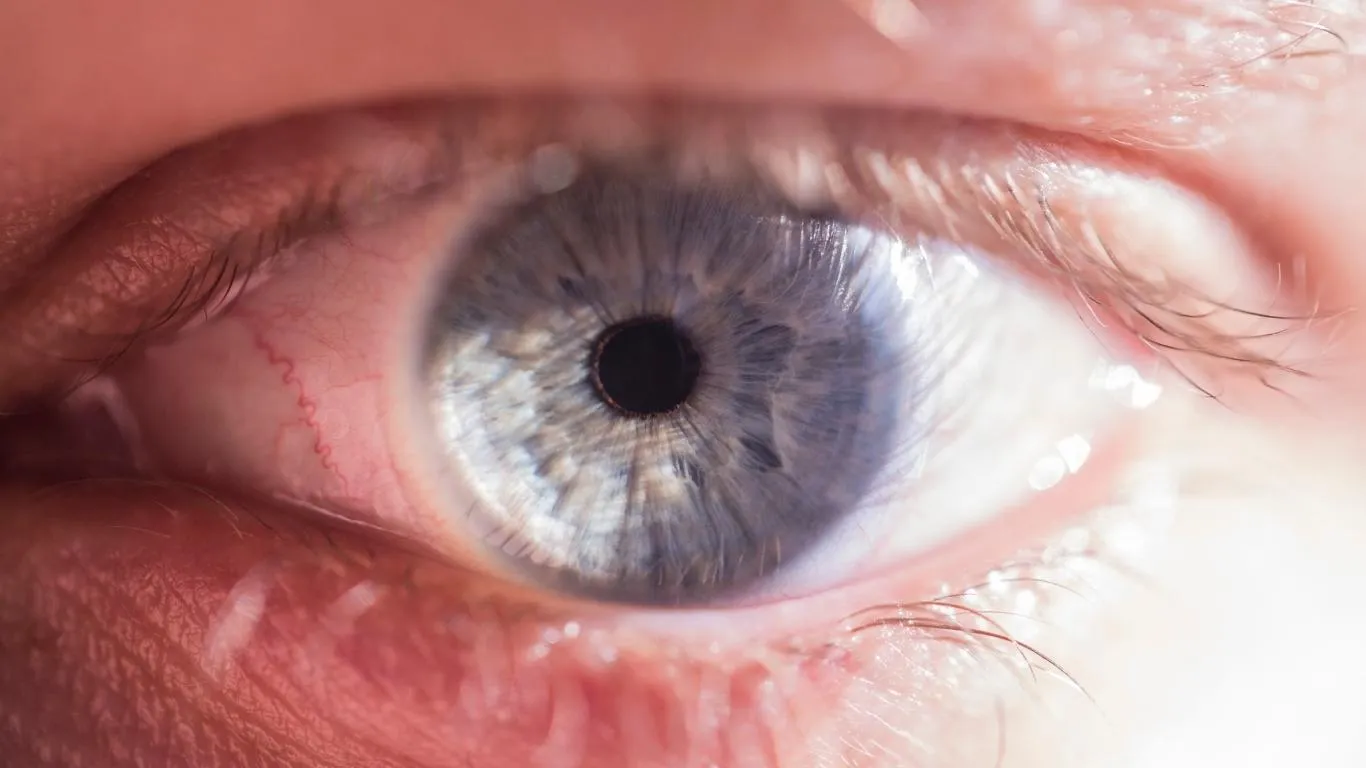
Why Floaters During Silence Therapy Sessions Feel More Intense
It’s always in the quiet moments. I remember sitting in a silent therapy session, trying to focus on my breath, only to be distracted by these tiny specks floating across my vision. At first, I thought they were just spots on the wall—or maybe something wrong with my contact lenses. But the more I sat still, the more they danced. Welcome to the weird world of floaters during silence therapy sessions.
Why Floaters Become Noticeable in Silence
Floaters are these shadowy shapes that drift through your field of vision. When you’re constantly moving, chatting, or looking at screens, they often go unnoticed. But the second you stop—like in silence therapy or meditation—they show up like uninvited guests at a dinner party.
Silence therapy requires focus and stillness, and those floaters? They love stillness. The less your eyes move, the more they float into center stage. For many of us, especially if you’re into mindfulness or deep-breathing work, this can be unexpectedly frustrating or even anxiety-inducing.
What Are These Floaters, Anyway?
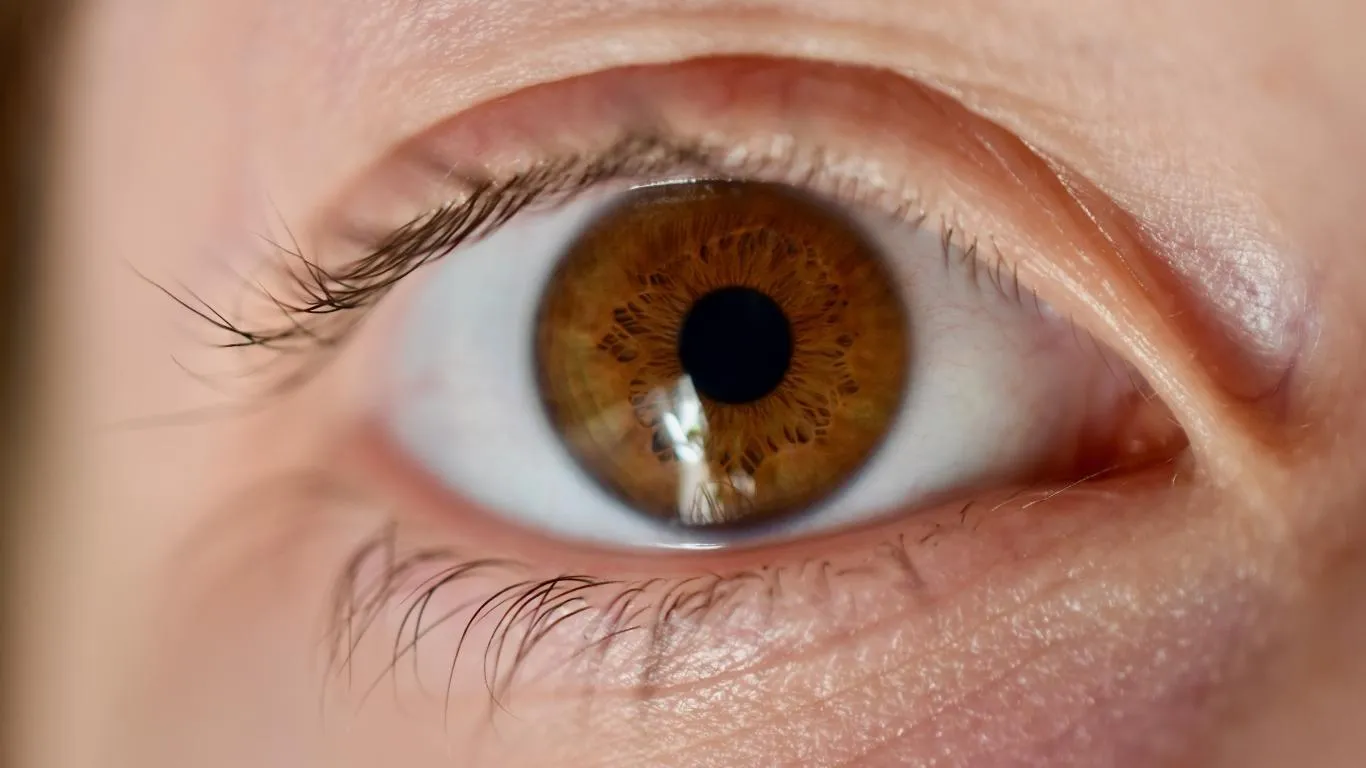
Let’s nerd out for a second—but keep it chill. Floaters are tiny bits of protein or collagen that clump up in the vitreous, the jelly-like substance inside your eyeball. As light hits them, they cast shadows on your retina. Voilà! Floating spots.
- They can look like specks, threads, cobwebs, or even squiggly lines
- Most people get them as they age—yes, another gift of growing older
- They’re usually harmless, but annoying as heck in still environments
During silence therapy, when your eyes aren’t darting around, your brain stops filtering them out. They become visually intrusive. It’s not that they suddenly appear—it’s that your stillness finally reveals them.
Silence Therapy Makes Them Worse?
It’s not that floaters are getting worse during silence therapy—they’re just more noticeable. But still, let’s not ignore the possibility that long hours of eye strain, dehydration, or even stress prior to your session could be making them more vivid.
According to this insight on floaters in daily life, high myopia (nearsightedness) and lack of movement both contribute to more persistent floaters. If you’ve got dry eyes, recent eye fatigue, or you’ve been fasting before a session (as some meditation practices suggest), floaters might come in swinging.
Here’s what might be making them more noticeable during silence:
- Lack of visual stimulation: A blank wall and closed eyes give floaters the perfect stage.
- Stress or anxiety: Ironically, your attempt to de-stress might make you hyperaware of them.
- Dehydration: This can thicken the vitreous gel, enhancing floaters.
- Poor sleep: Increases sensitivity to visual irregularities.
For me, skipping coffee and hydrating before a session has honestly helped. Also, making sure the room has some soft ambient light instead of pitch black keeps the floaters less intense for some reason.
Are Floaters a Sign of Something Bigger?
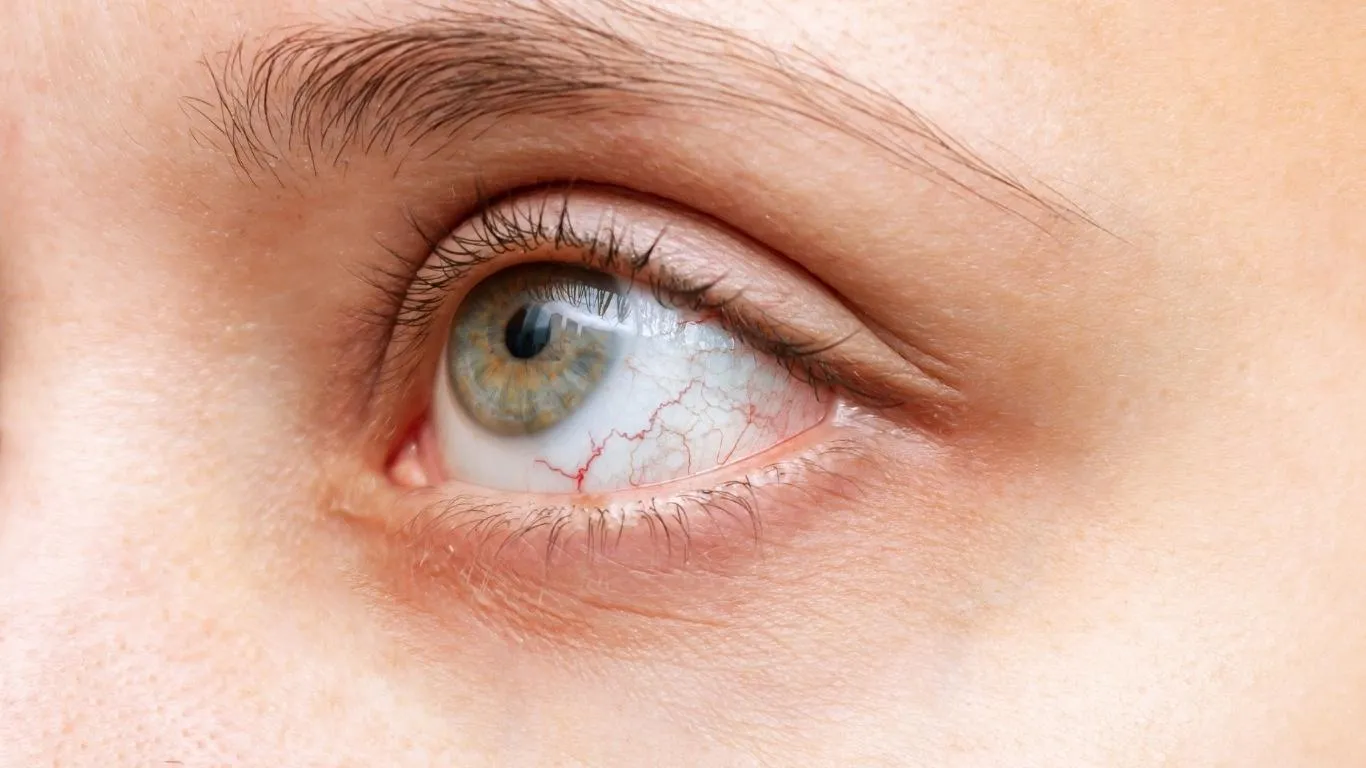
Most floaters are harmless. Seriously. But there are red flags you shouldn’t ignore. If they come with light flashes, sudden vision loss, or a dark curtain in your peripheral vision, stop reading this and go see an eye doctor. No, really.
Silence therapy just brings attention to what’s already going on in your eyes. But if the floaters seem new, more intense, or unusually shaped, don’t brush it off. According to this piece on retinal tears, floaters can be the early whisper before something serious.
It’s worth checking out this deep dive on when floaters are actually dangerous. Better safe than sorry, right?
Can You Train Your Eyes to Ignore Them?
You know what’s wild? Your brain is good at ignoring stuff. That’s how most people can live with floaters without losing their minds. But it takes time, especially in low-stimulus environments like silence therapy.
I’ve personally found that soft blinking techniques, gentle head turns, and even specific eye exercises can help reduce their intrusiveness. It’s not about making them disappear—it’s about making peace with them. Kind of like accepting that one friend who always talks during movies.
For a deeper guide on managing floaters naturally, this breakdown on natural floaters management offers some grounded advice—no snake oil involved.
Simple tricks that helped me:
- Look at patterned walls instead of blank ones
- Keep soft warm lighting in the therapy room
- Take 5–10 seconds to shift your gaze every few minutes
- Hydrate and stretch lightly before your session
Also, don’t underestimate the power of simply learning to recognize when your brain is focusing on them unnecessarily. That alone can take their power away.
Related Reading and Clinical Insights
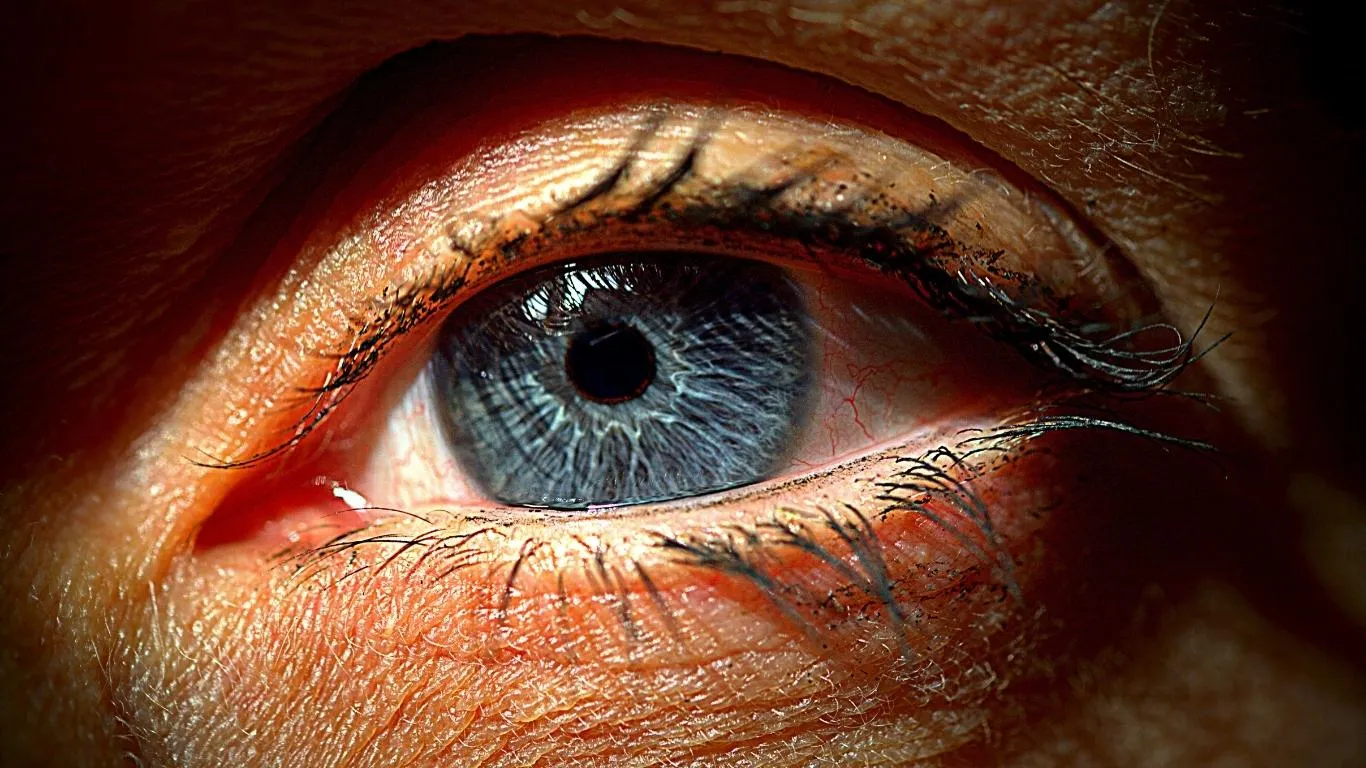
If you’re curious to dig into the medical side of floaters, the main guide on causes and symptoms gives you the clinical lowdown. It pairs nicely with this helpful breakdown on common causes of floaters, which covers everything from trauma to aging and even screen time.
And if you’re like me—sitting in a quiet room just trying to breathe and feeling like you’re being invaded by ghost floaters—know this: You’re not alone. Literally millions of people are seeing those same wiggly lines and wondering if they’re losing it. You’re not. It’s just part of the silence. A little too silent, sometimes.
When Floaters Disrupt the Therapy Experience
If you’ve ever found yourself fixated on floaters while sitting in a quiet therapy room, you’re not imagining it—it can mess with your focus. Personally, I’ve had moments where I was trying to tap into a deep emotional breakthrough, only to be yanked back into the present by a squiggly line floating across my vision. Not exactly zen, right?
This disruption can lead to frustration or even a loop of anxiety, especially if you’re working through stress or trauma. Ironically, the calmer the setting, the more your brain starts spotlighting anything that feels abnormal. It’s like your mind is scanning for distractions, and floaters end up stealing the show.
According to this article on stress-related floaters, mental tension can actually make floaters more prominent. So it becomes a cycle: stress makes them worse, and they, in turn, increase stress. Neat, huh?
How to Talk to Your Therapist About It
First off, don’t feel weird bringing it up. Therapists aren’t just there for emotional talk—they care about how your physical state might affect your mental clarity. Let them know if your floaters are making it hard to stay focused or calm.
I once casually mentioned it to my therapist, and to my surprise, she’d heard it before. We adjusted the lighting and seating arrangement. A small change, but it made a huge difference. Don’t assume it’s something you just have to “deal with.” Floaters are real distractions, and you deserve a session environment that works for you.
Can Certain Therapy Settings Trigger Floaters?
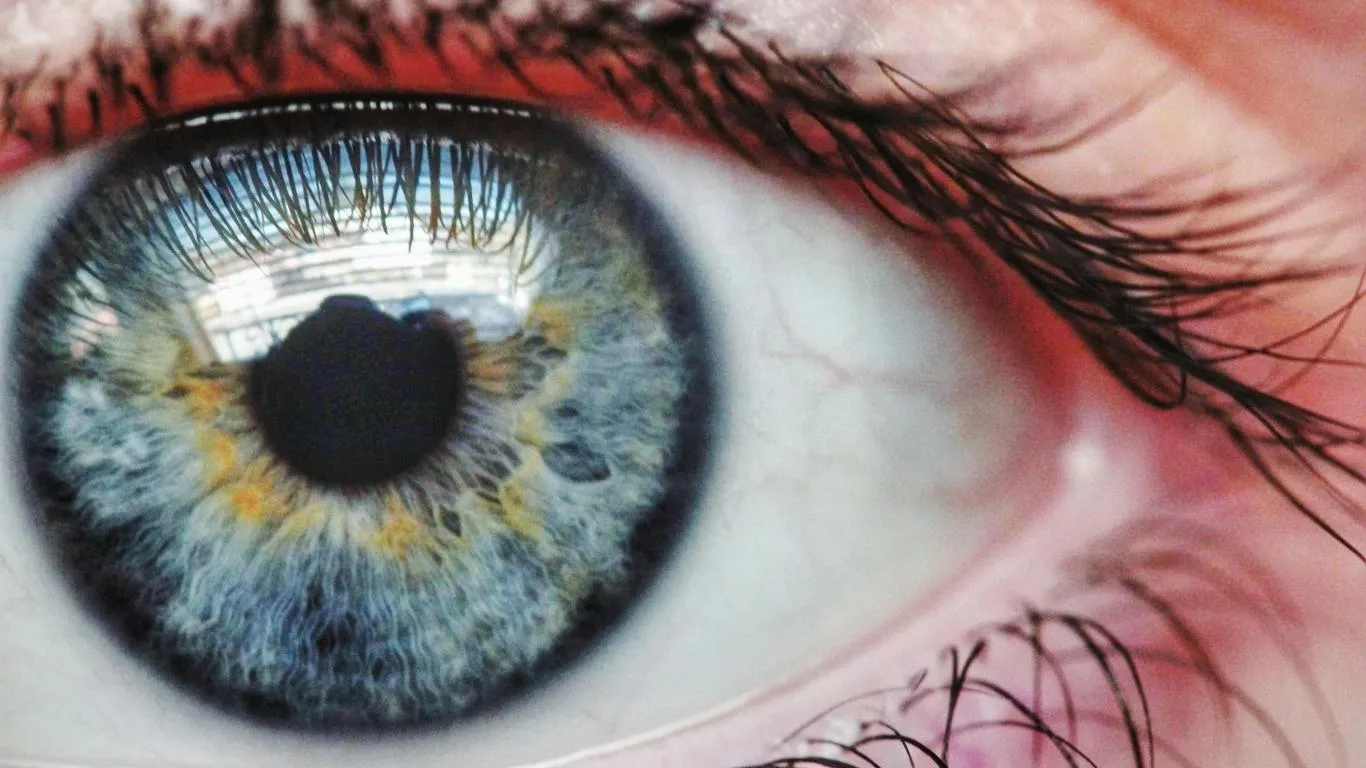
Short answer: Yes. Some environments are floaters’ playgrounds. Bright blank walls, stark lighting, and rooms with white ceilings make them pop like confetti at a birthday party. If your therapist’s office looks like an Apple Store, chances are your floaters will thrive in that visual field.
Some people even report that floaters feel worse in afternoon sessions when sunlight hits just right—or when fluorescent lights buzz overhead. I’ve personally found that evening sessions with warm-toned lamps offer better visual comfort. Less brightness equals less shadow casting.
One in-depth explanation highlights how floaters contrast heavily with white or brightly lit environments. No wonder they get so loud when everything else is quiet and plain.
Simple Setting Fixes That Might Help
- Choose therapy sessions in dimmer rooms or at dusk
- Ask to sit near a softly textured background instead of blank walls
- Use a light scarf or cap to shade peripheral light gently
- Try not to stare at one point too long—move your gaze naturally
Floaters and Visual Fatigue After Sessions
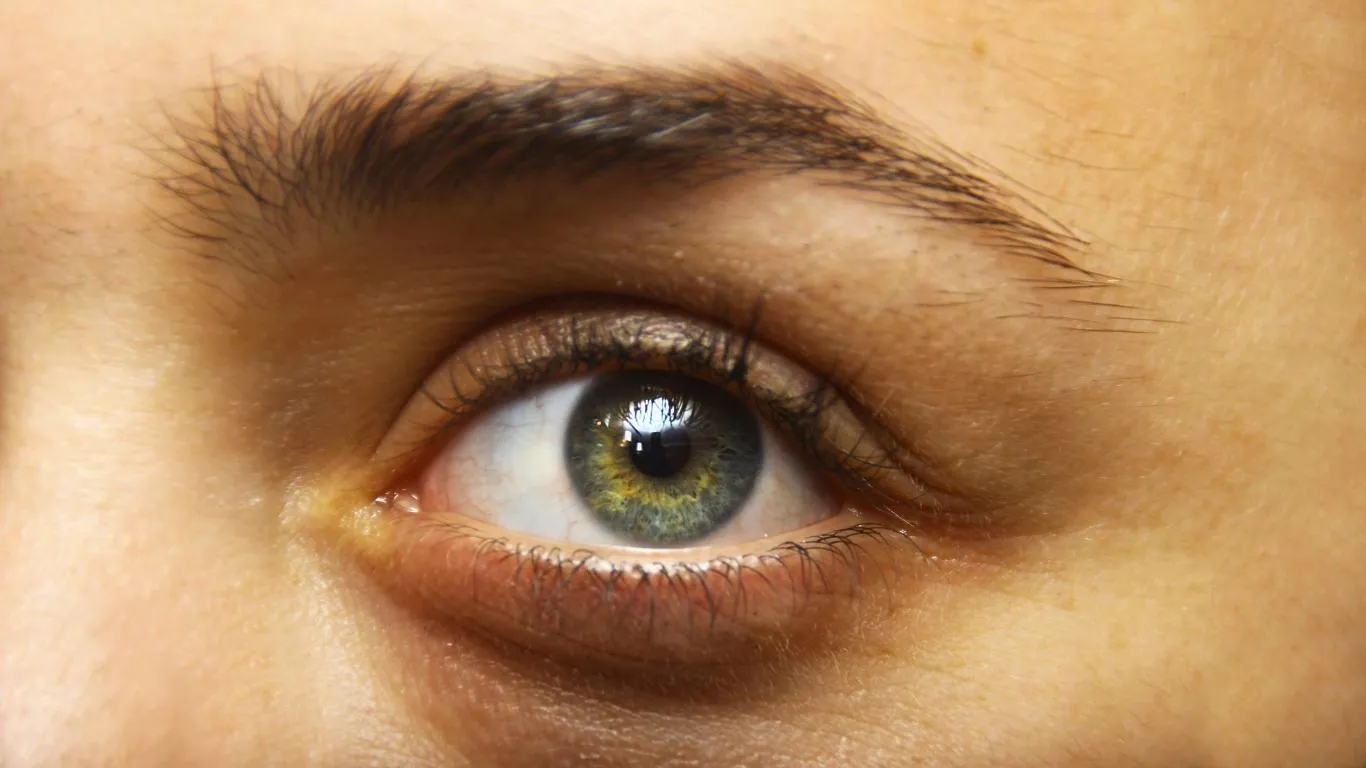
You might leave a silence therapy session feeling mentally refreshed but visually drained. Staring into space or keeping your eyes still for long periods can worsen awareness of floaters. Think of it like a workout for your eyes—with no cool-down stretch.
This is especially true if you’re also dealing with dry eyes or sensitivity to light, which is common in people who stare at screens most of the day. After one 90-minute silent session, I walked out squinting at the sun like a vampire. Not because of emotion—just visual burnout.
It’s not uncommon to experience visual fatigue from floaters post-session. A cool compress, a short walk outdoors, or even a few minutes of slow blinking in natural light can help reset your vision.
Some post-session relief habits I’ve adopted:
- Gentle eye rolling—yes, the kind you usually reserve for annoying people
- 5 minutes with a warm compress over closed eyes
- Looking at plants or textured walls—anything but blank white
- Hydrating like I just ran a marathon (because your eyes need it)
What to Avoid During Silence Therapy If You Have Floaters
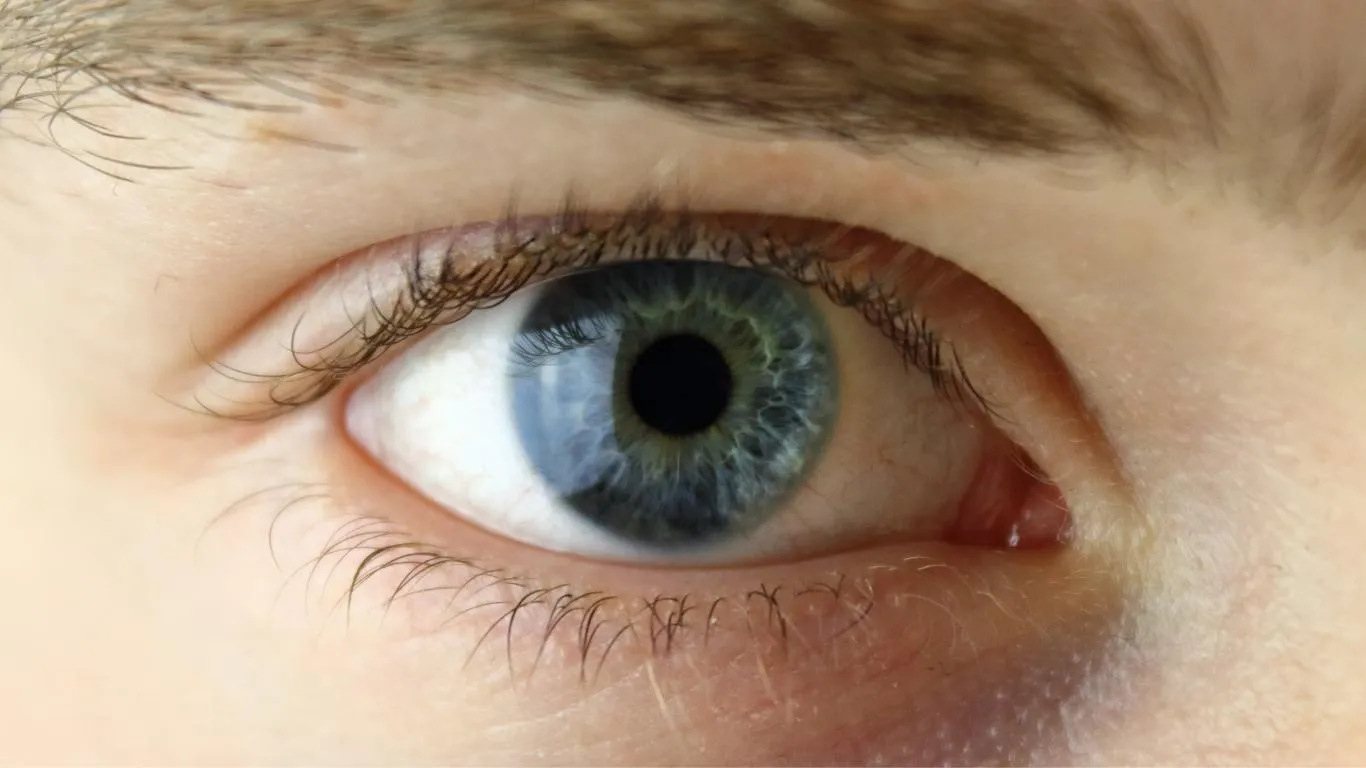
If you’re new to silent therapy or retreat settings, here’s a little survival kit based on trial and floater-filled error:
- Don’t pick a seat facing windows: Natural light is great, but not when it creates glare or contrast that exaggerates floaters.
- Avoid all-white settings: The less contrast, the less your floaters will stand out.
- Skip fasting or dehydration pre-session: It absolutely makes them worse for many people.
- Don’t try to “meditate through it” forcefully: That just builds tension. Acknowledge, adjust, continue.
If your floaters are triggered by screen time before therapy, consider reading a physical book or taking a walk instead. And if your therapy involves visual focus—like EMDR—you might want to schedule those on separate days to give your eyes a break.
Should You See an Eye Doctor About It?
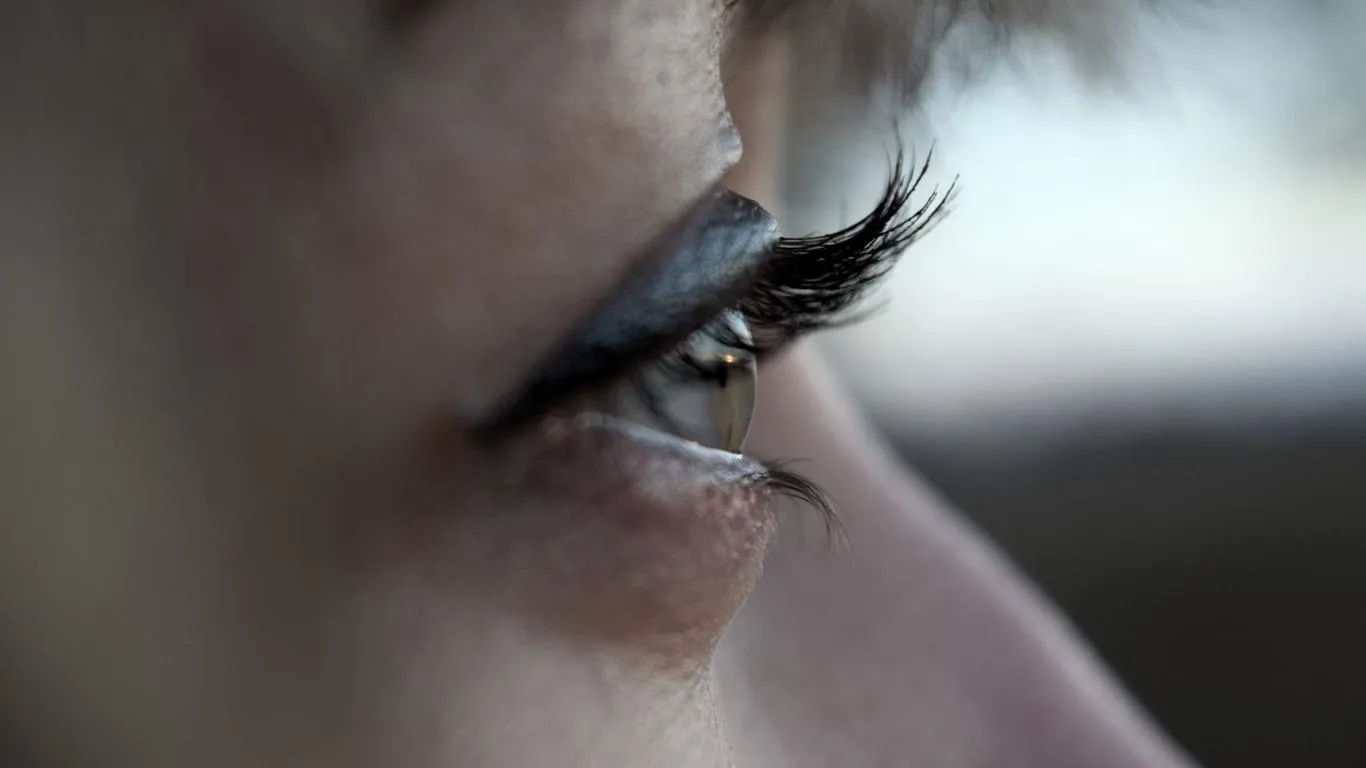
Yes—especially if floaters start affecting your ability to focus during daily activities or therapy. While most are benign, there’s always a risk of more serious retinal issues. And knowing that they’re not dangerous? That peace of mind alone can reduce your fixation on them.
Check in with this comprehensive guide to floater treatment options if you want to explore what’s out there—from observation to surgery (yes, it exists, but it’s rarely needed).
And don’t forget the foundational overview in this in-depth floaters guide, which really lays out all the causes and symptoms clearly. It’s my go-to whenever someone asks, “What the heck is a floater?”
Silent therapy is powerful—but so is your comfort. Managing floaters isn’t about fighting them—it’s about finding your way to focus, even when they float in uninvited. You’ve got this, even if your eyeballs occasionally disagree.

Camellia Wulansari is a dedicated Medical Assistant at a local clinic and a passionate health writer at Healthusias.com. With years of hands-on experience in patient care and a deep interest in preventive medicine, she bridges the gap between clinical knowledge and accessible health information. Camellia specializes in writing about digestive health, chronic conditions like GERD and hypertension, respiratory issues, and autoimmune diseases, aiming to empower readers with practical, easy-to-understand insights. When she’s not assisting patients or writing, you’ll find her enjoying quiet mornings with coffee and a medical journal in hand—or jamming to her favorite metal band, Lamb of God.