How Poor Posture Can Make Eye Floaters Worse Over Time
If you’ve been dealing with floaters and spend hours hunched over a desk or curled up looking down at your phone, you might be surprised how connected these things can be. I didn’t think posture could do much more than mess with my back, but when those annoying specks started floating across my vision more frequently, it sent me down a rabbit hole. Turns out, there’s more going on with poor posture and our eye health than most people realize.
How Poor Posture Impacts Eye Circulation
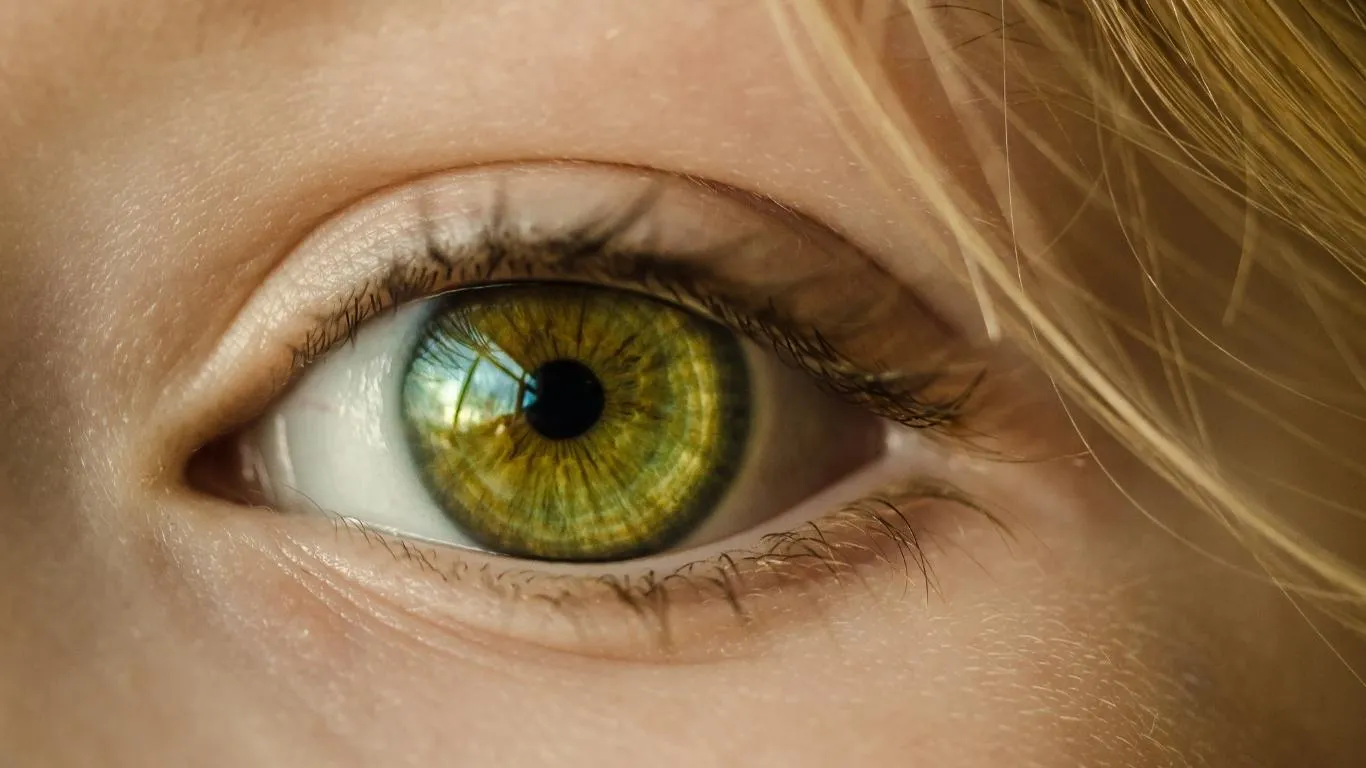
Our bodies aren’t designed to stay slouched all day. When we constantly lean forward—especially with what’s called “tech neck”—we’re not just straining muscles. We’re literally compressing blood vessels that supply the head and eyes. Reduced circulation can disrupt the delicate balance in the vitreous—the gel-like substance inside the eye—leading to visual disturbances like floaters.
Floaters are those tiny squiggles or specks you see drifting in your line of sight, especially against bright backgrounds. They’re common, yes, but posture might be playing a much bigger role than anyone expected.
The Posture-Vitreous Connection
One of the most overlooked things I learned from my eye specialist is that forward head posture doesn’t just affect the spine—it alters intraocular pressure. When your head juts forward, it subtly changes pressure behind the eyes. This pressure might not cause immediate damage, but over time, it can disturb the vitreous humor’s structure, encouraging floaters to form.
Some studies even suggest poor lymphatic drainage around the head and neck due to bad posture can impair waste removal from the eye tissues. That’s a fancy way of saying your body’s cleaning system slows down, allowing micro-debris in your eye to stick around longer—yes, more floaters.
What the Research and Experts Say
According to experts from nei.nih.gov and aao.org, proper posture is increasingly being acknowledged in eye health. While it’s not the only factor, it contributes to cumulative eye strain and may speed up vitreous degeneration in those already prone to floaters.
My Experience: Floaters and Sitting All Day
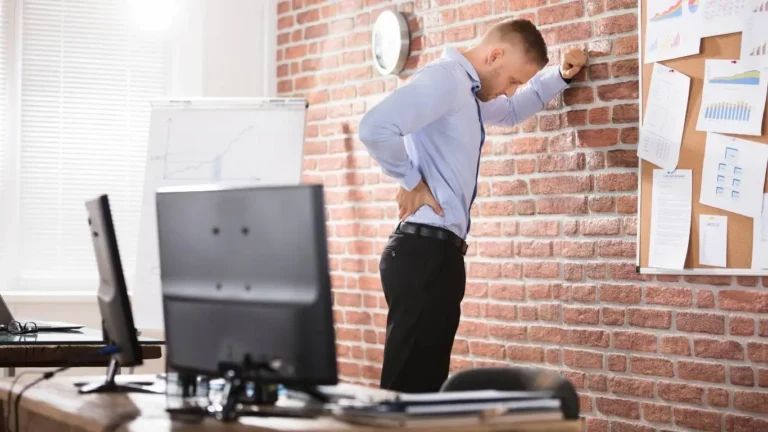
I work on my laptop most of the day, and I’m guilty of slouching. For a while, I thought my floaters were just age or random—but every time I’d do an 8-hour sit-marathon, I’d notice a spike in those specks and strands the next morning. I even started keeping track. Sure enough, when I improved my sitting habits, stretched, and kept my monitor at eye level, the floaters didn’t completely vanish, but they felt… quieter, less active.
Now that’s not medical advice, just a personal observation—but it was enough to convince me posture isn’t just about back pain.
Common Signs Your Posture May Be Affecting Your Vision
- Frequent eye floaters after long screen time sessions
- Neck and shoulder tightness paired with blurry vision
- Feeling of eye pressure or fatigue even with enough sleep
- Headaches centered around the forehead or eyes
- Increased floaters when working in poor lighting or awkward positions
These signs don’t always scream “go see a doctor” but when they start becoming your new normal, it’s time to question your posture as part of the problem.
Small Posture Fixes That Can Make a Big Difference
While floaters don’t magically disappear with a yoga stretch, improving your posture can reduce the intensity and frequency of their appearance, especially if they’re linked to digital strain or neck tension. Here are a few practical changes I made that helped:
- Elevate your screen: Make sure it’s at eye level. This reduces forward head tilt dramatically.
- Take posture breaks: Every 30-45 minutes, get up, roll your shoulders, or do a quick neck release.
- Chin tuck exercise: Weirdly effective! Helps align the cervical spine and relieves tech neck.
- Back support: A small lumbar cushion can do wonders for your posture without effort.
- Practice eye movement routines: Like following your thumb in slow circles to improve eye circulation.
If you’re noticing a pattern between poor posture and floaters, you’re not imagining things. Floaters in people with high myopia and even those with no underlying conditions have reported posture-related triggers.
What Else Might Be Behind Your Floaters?
While posture plays a role, don’t overlook the possibility of other causes. If you’ve recently been feeling fatigue, dry eyes, or even odd neurological symptoms, it’s smart to explore beyond just ergonomics. For example, neck strain has been cited in many floater-related complaints, especially among athletes and office workers alike.
And let’s not forget how easily floaters can be mistaken for other things. Knowing the difference between floaters and more serious eye issues can literally protect your vision. I’d highly recommend reading this breakdown on how to tell floaters apart from other eye conditions.
For a broader view on floater types and what causes them, you’ll find the full picture in the main explainer here: what are eye floaters? It’s a great starting point if you’re just beginning to research your symptoms.
Why You Might Notice Floaters More When Sitting or Lying Down
Ever lie on your back and suddenly those floaters become ridiculously obvious? I used to think it was just lighting or maybe my imagination. But turns out, when you lie down or slump deep into a chair, the position can shift the vitreous gel slightly in a way that makes existing floaters drift more into your central vision. Combine that with reduced eye fluid circulation from being still too long—and bam, they show up like uninvited guests.
Even eye doctors admit that posture may not cause floaters directly, but it does change the way we perceive them. A sedentary or hunched position compresses parts of the neck that regulate cerebrospinal fluid and venous flow from the brain—including the optic nerve and surrounding structures. That slight backup can alter intraocular dynamics just enough to amplify visual noise like floaters.
Posture-Induced Eye Strain Can Worsen Perception of Floaters
One surprising thing I’ve learned from chatting with an ophthalmologist is that most people with noticeable floaters are also dealing with digital eye strain. It’s not just the light or screens—it’s how you’re sitting while using them. Posture contributes to strained eye muscles and even dryness, which makes the vitreous appear more unstable than it really is.
And here’s the kicker: slouching narrows the chest cavity, which reduces oxygen intake. That means less oxygen delivered to your retina and optic nerve. Is it a stretch to say your floaters are screaming for more air? Maybe. But improving breathing through better posture has definitely helped me reduce eye tension overall.
Real-World Tips That Helped Me (Without Getting Weird)
- Switch chairs more often: I alternate between an ergonomic desk chair and a kneeling chair. It forces me to sit up straight.
- Try walking meetings: Floaters bother me less after light movement. Just pacing around while on calls works wonders.
- Stop multitasking posture with screens: No more checking emails while lying down on the couch. It wrecked my neck and aggravated floaters fast.
Oh—and don’t underestimate the power of posture-focused eye exercises. After learning about how floaters develop from minor sports trauma, I started doing controlled head turns and gaze shifts to relax my neck and optic muscles. Totally underrated.
What Eye Doctors Don’t Always Mention
Here’s something I noticed after a few appointments: Most ophthalmologists are laser-focused on retinal tears, detachment, or degenerative conditions when floaters are mentioned. That’s fair—it’s their job to rule out serious stuff. But very few bring up posture unless you ask. I had to specifically mention that my floaters seemed worse after slouching all day before they gave it a second thought.
One doctor finally admitted there’s a growing body of anecdotal evidence and clinical suspicion that musculoskeletal alignment does play a role in vitreous stability. But, it’s still not standard protocol to include postural correction in eye floater management—which is wild, considering how many of us live in front of screens now.
When Should You Be Concerned?
Floaters caused—or worsened—by posture tend to be mild, occasional, and stable. But there are some red flags that have nothing to do with posture and should not be ignored:
- Sudden explosion of floaters (like black dots raining down)
- Floaters combined with flashes of light or loss of peripheral vision
- Floaters that rapidly increase in size or density
- New floaters after recent trauma or surgery
These symptoms may point to something more serious like a retinal tear or detachment. If you’re ever unsure, it’s better to be overly cautious. Here’s a good breakdown of when floaters might mean something serious.
Can You Actually Get Rid of Floaters from Posture Correction?
Short answer: Not always—but you can significantly reduce how often and how severely you notice them. In some cases, floaters caused by posture-related tension might dissolve faster as your body realigns and rehydrates. Other times, they simply become less distracting as circulation improves and your eye adapts.
I’ve personally noticed a 30-40% reduction in floater frequency just by staying upright, adjusting my screen position, and avoiding couch scrolling marathons. It’s not a cure, but it’s a win. Also, check out the tips in this article on reducing floaters after irritation or infection. Many of the same circulation principles apply here.
Bonus: Hydration + Posture = Major Floater Relief
As weird as it sounds, posture can indirectly affect how hydrated your eyes stay. If you sit in a slouch all day, chances are you’re breathing shallow, forgetting to drink water, and restricting fluid flow through your spine and brainstem. All of that slows down eye fluid turnover—which means more floaters lingering around. Combine better posture with a solid hydration habit, and your floaters may not stand a chance.
Where to Go from Here
If you’re battling floaters and spend most of your day in a chair, start with the simple stuff: straighten your back, stretch every hour, and lift your screen. And then see what changes. For me, the improvement came gradually—but it came.
Want a deeper dive into what causes floaters in the first place? This guide on common causes of floaters is an eye-opener (pun intended). It pairs perfectly with this foundational resource: what are eye floaters.

Camellia Wulansari is a dedicated Medical Assistant at a local clinic and a passionate health writer at Healthusias.com. With years of hands-on experience in patient care and a deep interest in preventive medicine, she bridges the gap between clinical knowledge and accessible health information. Camellia specializes in writing about digestive health, chronic conditions like GERD and hypertension, respiratory issues, and autoimmune diseases, aiming to empower readers with practical, easy-to-understand insights. When she’s not assisting patients or writing, you’ll find her enjoying quiet mornings with coffee and a medical journal in hand—or jamming to her favorite metal band, Lamb of God.