Simple Ways to Stop Anxiety From Spiraling Into Panic Fast
Anxiety has a sneaky way of creeping in when you least expect it. One moment you’re mildly worried about an upcoming event, and the next, your heart’s racing, your thoughts are scattered, and you’re on the edge of a full-blown panic attack. I’ve been there—many of us have. You tell yourself, “Calm down,” but it only seems to make things worse. What helped me was learning *how to catch anxiety early before it spirals into panic*. If that’s what you’re here for, you’re in the right place.
Understanding the Spiral: Why Anxiety Escalates So Fast

When anxiety hits, your brain starts running wild with what-ifs. It’s like opening too many tabs on your computer, each one slower and more overwhelming than the last. It’s not weakness—it’s your nervous system going into overdrive. That fight-or-flight response? Totally natural. But if you don’t interrupt it early, it *snowballs fast*.
Trigger, Thought, Panic
Usually, the spiral begins with a single trigger. It could be a tight deadline, a strange bodily sensation, or even just a random thought. The mind jumps in: *“What if this gets worse?”* That thought triggers adrenaline, your body tightens up, and bam—panic city.
My Breaking Point Moment
Personally, it happened in line at a grocery store. I was thinking about a medical appointment, and then suddenly I couldn’t breathe. It felt like my chest was collapsing. Turns out, it was just anxiety—but try telling that to your body in the moment. That’s when I realized: I need to know how to stop anxiety before it takes control.
Spotting Early Warning Signs of a Spiral

The key is catching the spiral early. The earlier you act, the easier it is to de-escalate. Here’s what I’ve learned to notice before it gets out of hand:
- Racing Thoughts: You’re jumping from one worry to another, with no solution in sight.
- Physical Sensations: Tight chest, shallow breathing, nausea, muscle tension.
- Restlessness: Can’t sit still, pacing, fidgeting, avoiding people or tasks.
- Catastrophic Thinking: Everything feels like it’s about to collapse—even if nothing is actually wrong.
If you’re feeling dizzy or out of control, you’re not alone. This guide on anxiety-induced dizziness helped me realize those symptoms aren’t in my head—they’re real, and manageable.
How to Interrupt the Spiral in the Moment

1. Ground Yourself with Your Senses
One of the most underrated techniques is the 5-4-3-2-1 method. Here’s how it goes:
- 5 things you can see
- 4 things you can touch
- 3 things you can hear
- 2 things you can smell
- 1 thing you can taste
Yes, it sounds cheesy. But it works. When I’m on the edge, this method drags me back into the present moment fast. And sometimes, that’s all it takes to avoid spiraling further.
2. Shift Your Breathing First, Not Your Mind
Your body listens to your breath. If you breathe like you’re panicking, your body believes the threat is real. Reverse that. Slow, diaphragmatic breathing is key.
Try this: Inhale for 4 seconds, hold for 4, exhale for 6. Repeat. Don’t focus on calming down—just focus on the numbers.
There’s more on that in this article on effective breathing exercises that helped me ditch my old, frantic breathing habits.
The Role of Thought Reframing and Mental Anchors

Stopping anxiety isn’t just physical—it’s mental. But not in the way you think. You’re not trying to think “happy thoughts.” You’re trying to think *clearly* again. When anxiety spirals, your brain goes fuzzy. I use what I call “mental anchors”—short, simple truths that bring me back.
- This feeling will pass.
- I’ve felt this before—and I survived.
- This isn’t forever. It’s just now.
Sometimes I even write them down or say them out loud. There’s no shame in using what works. Reframing your inner monologue is powerful, especially when paired with journaling. This resource on journaling for anxiety changed the way I process panic triggers.
What Makes Some People Spiral Faster?
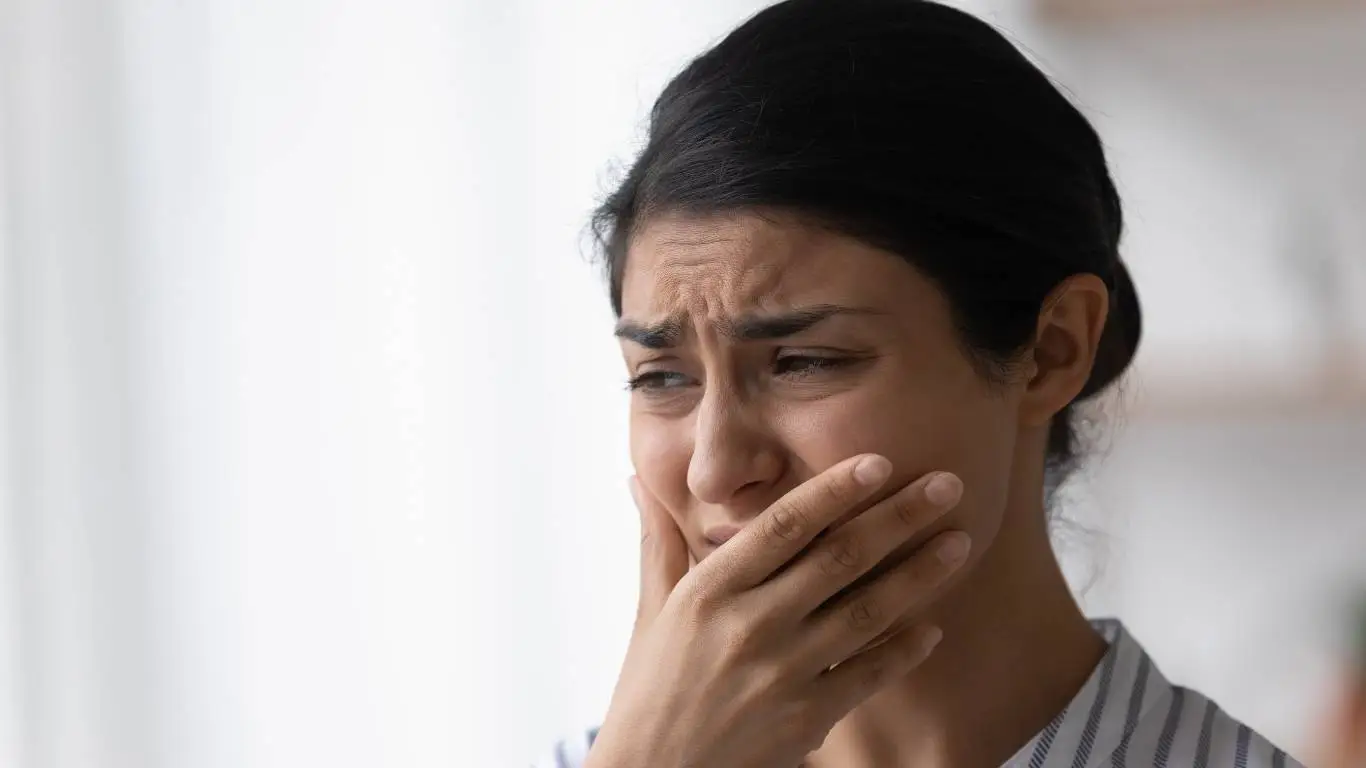
If you’ve ever thought, “Why do I spiral so fast while others stay calm?” — you’re not alone. Certain habits and lifestyle factors make the spiral more intense:
- High caffeine intake (yep, coffee lovers, I’m looking at us)
- Chronic sleep deprivation
- Skipping meals or poor nutrition
- Lack of movement or sunshine
- Not addressing past trauma
Turns out, understanding the deeper causes of anxiety made all the difference for me. When I worked on those, my spirals became fewer and farther between.
Also, this core breakdown on how anxiety secretly controls your daily life really opened my eyes. It’s worth a read if you’re trying to dig deeper than surface-level tips.
And for a full-spectrum guide on the underlying symptoms, check this foundational piece: Symptoms of Anxiety Disorders You Should Never Ignore.
Sometimes, the difference between staying calm and spiraling is simply awareness and knowing the right tools. The rest? We’ll cover that soon, especially how to build a daily lifestyle that protects you from panic altogether.
Daily Habits That Help Stop the Spiral Before It Starts
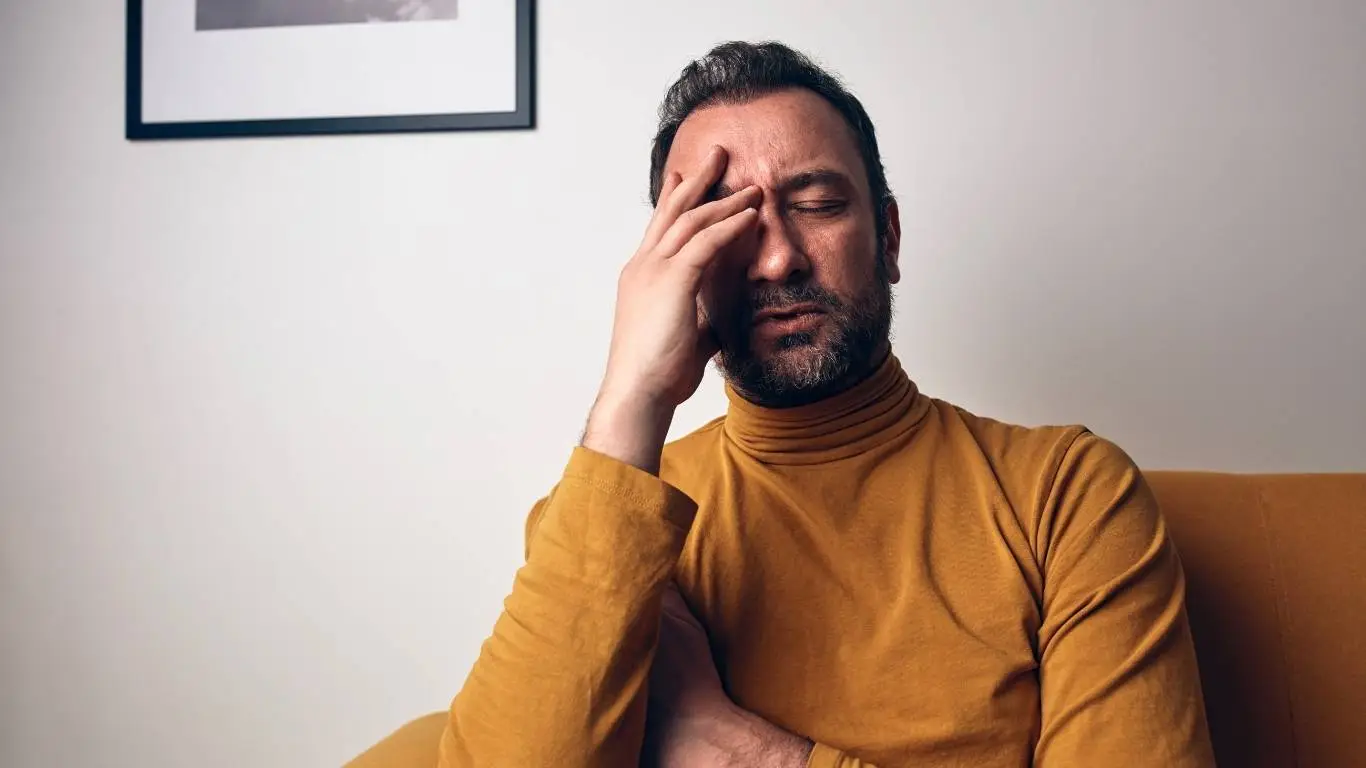
For me, learning how to stop anxiety from spiraling into panic wasn’t just about *what I did in the moment*—it was about what I started doing *every single day*. Think of it like maintenance for your mind. You wouldn’t expect a car to run smoothly without gas or oil, right? Your mental health is the same.
1. Set a Routine (Even If You’re Not a “Routine Person”)
This one used to make me cringe. I loved the idea of freedom—no schedules, no to-do lists. But the truth? Anxiety thrives in unpredictability. When I began waking up at the same time, eating regularly, and planning my day (even loosely), my spirals slowed down drastically.
There’s a clear link between lack of structure and rising anxiety. If that resonates, this guide on how lack of routine fuels anxiety is worth bookmarking.
2. Move Your Body, Calm Your Mind
I’m not talking about running marathons. I mean small, consistent movement. A 15-minute walk. Stretching after lunch. Dancing to one song in the kitchen. Physical movement is how your body tells your brain, “We’re not in danger.”
Plus, I never believed in yoga until I found moves that actually helped me breathe better. These simple yoga poses for anxiety became part of my weekly reset. No downward dog required.
Foods and Nutrients That Don’t Spike Your Panic

I didn’t want to believe food could affect my anxiety. But after tracking my habits, it was obvious: the more sugar and caffeine I had, the faster I spiraled. Now I focus on food that keeps my blood sugar stable and my brain fed.
What to Add
- Magnesium-rich foods like almonds, spinach, and black beans
- Omega-3 fatty acids from chia seeds, salmon, or walnuts
- Fermented foods like yogurt, kimchi, and kefir
Start small—swap one snack a day. I began with this article on magnesium-rich foods for calming anxiety and never looked back.
What to Ease Off
- Caffeine (switch to half-caf or try herbal tea)
- Refined sugar (especially on an empty stomach—it’s brutal)
- Alcohol (it messes with sleep and mood more than we admit)
Here’s a breakdown that helped me understand how sugar silently worsens anxiety. You don’t have to quit everything—just get mindful.
Natural Techniques That Actually Work (Yes, Really)

There are tons of natural methods out there. Some work. Some don’t. I tested a bunch so you don’t have to.
Progressive Muscle Relaxation
This one blew my mind. It teaches your body what *real* relaxation feels like by tensing and releasing muscle groups. It’s like a factory reset for physical anxiety.
I first tried it after reading this breakdown on progressive muscle relaxation. Ten minutes later, I felt like I’d taken a nap. Highly recommend for bedtime anxiety.
Journaling, But With Purpose
Not just brain-dumping. I mean specific prompts. Like, *“What am I afraid will happen?”* and *“What’s more likely to happen?”* This turns spirals into facts, and facts are a lot less scary.
If you want to try, these prompts for anxiety relief are where I started.
Herbal Help That Doesn’t Knock You Out
Chamomile tea is great. But there are other natural options that don’t make you sleepy. I tried lemon balm, L-theanine, and ashwagandha. All helped in subtle ways.
This article on effective herbal remedies for anxiety helped me figure out what was safe and what was hype.
Don’t Dismiss Therapy—It’s Not Just Talking

For a long time, I avoided therapy. I told myself, *“I’m managing okay.”* But managing and healing are different things. What changed everything? Finding the right type of therapy.
Try Cognitive Behavioral Therapy (CBT)
This isn’t just talk—it’s skill-building. CBT teaches you how to recognize distorted thoughts and replace them with more balanced ones. It helped me shorten spirals *and* build long-term resilience.
Here’s a great intro: CBT steps that actually work.
Group Support (Even If You’re Shy)
There’s something powerful about being around others who get it. I tried a virtual support group, and honestly? I felt normal again. It reminded me I wasn’t broken—I was just human.
If you’re unsure where to start, this guide on the benefits of support groups is a great place to dip your toe in.
Make Prevention Your Superpower

Eventually, I realized that stopping anxiety spirals wasn’t about emergency fixes—it was about prevention. Now, I have a go-to “anxiety hygiene” plan that I practice like brushing my teeth. Here’s what mine looks like:
- Morning breathwork (5 mins)
- Low-sugar breakfast with protein
- 15 mins outside — sunlight or no sunlight
- 30 mins tech-free before bed
- Journaling 3x a week
It’s not perfect. Life still throws curveballs. But now, I bounce back faster—and panic no longer calls the shots. If this sounds like something you want too, I highly recommend digging deeper into lifestyle habits that protect mental health.
To better understand how anxiety quietly messes with our routines, this main piece is a must-read: Why Anxiety Disorders Can Secretly Control Your Daily Life.

Camellia Wulansari is a dedicated Medical Assistant at a local clinic and a passionate health writer at Healthusias.com. With years of hands-on experience in patient care and a deep interest in preventive medicine, she bridges the gap between clinical knowledge and accessible health information. Camellia specializes in writing about digestive health, chronic conditions like GERD and hypertension, respiratory issues, and autoimmune diseases, aiming to empower readers with practical, easy-to-understand insights. When she’s not assisting patients or writing, you’ll find her enjoying quiet mornings with coffee and a medical journal in hand—or jamming to her favorite metal band, Lamb of God.