Why Somatic Experiencing Helps Ease Stubborn Lower Back Pain
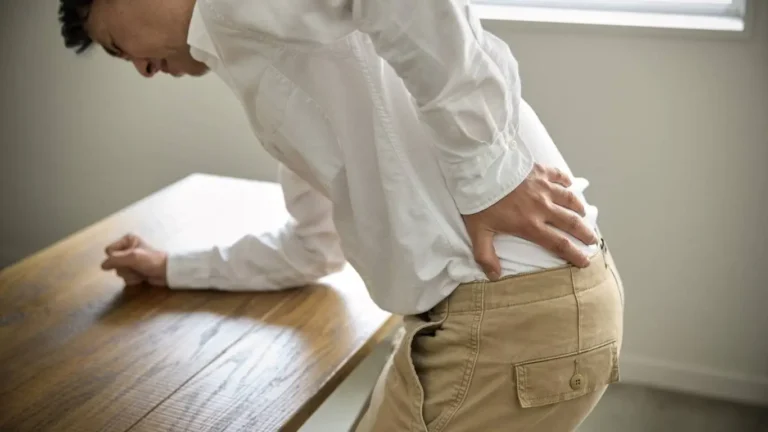
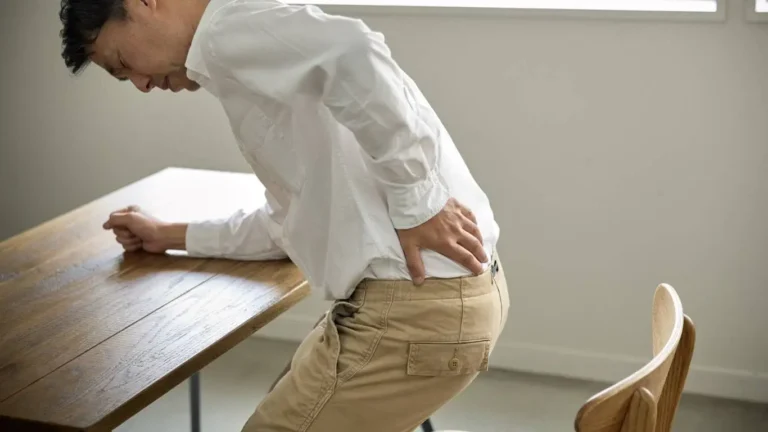
If you’ve ever dealt with lower back pain, you already know it can be a massive disruptor. I remember waking up one morning and couldn’t even tie my shoelaces. My back had just had enough. I wasn’t lifting anything weird or doing some wild CrossFit challenge — just life being life. I tried stretches, ice packs, a few YouTube yoga routines, and of course, the classic denial. Nothing stuck. Until I stumbled into something that sounded more like emotional therapy than physical healing: somatic experiencing. Surprisingly, that’s when things started to shift — in a good way.
What is Somatic Experiencing, Really?

Somatic experiencing (SE) isn’t just another trendy wellness term. It’s a body-based therapeutic method developed by trauma expert Dr. Peter Levine, originally intended for PTSD recovery. But here’s the kicker — it’s incredibly powerful for chronic pain, especially that stubborn lower back pain that lingers without clear physical cause.
At its core, SE helps you become aware of physical sensations in your body and how they connect to past stress, trauma, or daily tension you didn’t even know you were storing. It’s not just about emotions; it’s about how those emotions live in your back, your muscles, your nervous system.
Why SE Works for Lower Back Pain
- It targets the autonomic nervous system, which is often dysregulated in people with chronic pain.
- It encourages micro-movements and safe exploration of physical sensations — no aggressive stretches or forced adjustments.
- It promotes long-term change by retraining how your body responds to stress — a key factor in recurring back pain.
Most of us walk around bracing our bodies like we’re preparing for impact 24/7 — shoulders clenched, lower back tight, breath shallow. SE starts to unwind that.
Real Talk: How It Helped Me Personally

I went into SE sessions with a mix of skepticism and desperation. I mean, I wasn’t expecting magic. But over a few weeks, I began to notice subtle — yet powerful — changes. My breathing deepened. My hips loosened. That constant low throb in my lumbar spine? It became background noise, then faded altogether some days.
It turns out my back pain wasn’t just structural. It was also deeply tied to how I responded to life stress. SE helped me become aware of how I tensed up at work, during arguments, or even scrolling doom-laden headlines. And awareness is the first step to release.
Signs SE Might Be Right for Your Recovery

- You’ve had all the scans, and nothing “serious” shows up — yet pain persists.
- Traditional physical therapy helped… a little, but symptoms keep coming back.
- You feel emotionally fried or anxious, and your body constantly feels braced or guarded.
- You’ve experienced trauma (big or small), and suspect it might be living in your muscles.
If any of those hit home, SE could be the missing puzzle piece. It’s not a magic wand, but it might just rewire your relationship with pain in ways you hadn’t thought possible.
What Happens During a Somatic Experiencing Session?

Honestly, it’s pretty chill. There’s no massage table, no cracking joints. You sit or lie comfortably. The practitioner might ask you to notice a sensation — “tightness in the lower back” or “fluttering in the chest.” You don’t try to fix it; you just notice. Breathe into it. Let it shift on its own.
Sometimes, small movements or visualization is involved. Other times, it’s just holding space. It’s surprisingly effective because it respects where your body is — instead of pushing it to do something it’s not ready for.
Pro Tips if You’re Curious to Try SE
- Find a certified practitioner. It’s a delicate method — proper training matters.
- Pair it with gentle movement like yoga or walking for best results.
- Keep a journal — you’ll be surprised how your emotions and physical pain mirror each other.
There are no downsides if done with care. SE is incredibly gentle, and I’ve found it a solid complement to more conventional tools like ergonomics or posture exercises. Plus, it respects your pace — which is refreshing in a world of “no pain, no gain” recovery advice.
Want a More Holistic Plan?

Combining SE with core stability work, lifestyle tweaks, and posture rehab is where the real magic happens. If you’re wondering where to begin, start with our deep-dive on the mental and emotional aspects of back pain — it’s one of the most overlooked contributors to chronic pain cycles. Also, you’ll want to explore the overall strategies in our main back pain guide for a more integrated approach.
And for those like me who’ve sat through lectures on MRI reports, nerve impingements, and core bracing — all while still hurting — SE is a powerful reminder that your body already knows how to heal, if we give it the right signals.
How Somatic Experiencing Retrains Your Nervous System

Here’s the wild part: lower back recovery often has more to do with your nervous system than your vertebrae. Most people think pain equals damage. But in chronic cases, it’s often more about sensitivity — your body has become hypervigilant, almost like it’s stuck in “fight or flight” mode.
Somatic experiencing teaches your system to hit the brakes. It gives your brain and spine a chance to downshift into a state where healing can actually happen. It’s not about tricking your body; it’s about helping it feel safe again.
One of the most interesting things I learned? My pain wasn’t always proportional to my movements. Sometimes just a stressful email could flare it up. That’s when I realized my body wasn’t broken — it was trying to protect me. SE gave me the tools to let it know I was okay.
Simple SE Practices You Can Try Right Now
- Orienting: Sit comfortably and let your eyes move slowly around the room. Let your body settle as you take in the space.
- Grounding: Feel your feet on the floor. Really notice the contact and pressure. Breathe.
- Resourcing: Think of a place, person, or memory that makes you feel safe. Notice how your body shifts just thinking about it.
These aren’t just mindfulness tricks — they send safety signals to your brain and spine. Over time, those signals start to rewrite how your body processes pain. It’s subtle, but the long-term impact is very real.
Pairing SE with Movement for Even Better Results

While SE is great on its own, the best results often come when it’s paired with gentle, mindful movement. We’re not talking high-impact workouts. Just slow, intentional movements that keep your body engaged without pushing it past comfort.
Things like:
- Gentle yoga flows focused on breath
- Short walking meditations in nature
- Pelvic tilts and spine mobilizations done slowly with awareness
These kinds of movements, when paired with SE techniques, help reinforce the mind-body connection. You start to trust your body again. That trust alone is a game-changer when you’ve been in pain for months or years.
What If You’ve Tried Everything and Nothing Works?

Honestly, that was me. I’d been through the rounds — chiropractors, massage, PT, ergonomic chairs, even acupuncture. Some of it helped temporarily, but the pain always came back, especially after long drives or stressful weeks.
What I hadn’t tried was listening. I was always trying to override my body instead of working with it. Somatic experiencing flipped that. Once I started tuning in instead of tuning out, things shifted. Not overnight, but enough to say: this isn’t just woo. It’s grounded, science-informed, and deeply personal.
If that’s where you are — exhausted, frustrated, and maybe a little hopeless — SE is worth exploring. It’s especially powerful for people whose back pain seems tied to their mood, anxiety, or high-stress lifestyle. And if you’re already in that zone, check out how chronic back pain and mental health are more connected than most people realize.
Who Should You Work With?

Look for certified Somatic Experiencing Practitioners (SEPs). They go through years of training to understand how trauma, tension, and nervous system dysregulation manifest in the body. If possible, find someone with experience in pain recovery or physical rehabilitation.
But also — listen to your gut. Somatic work is intimate. You’ll want someone you feel safe with. Some folks also integrate SE with physical therapy, which can be especially powerful for lower back rehab.
And don’t forget the importance of your daily environment. Posture, movement habits, even your work setup can either help or hinder your healing. Here’s a great read on standing desk strategies for back health if you’re stuck in a chair all day like I was.
Why SE Aligns with the Latest Back Pain Science

Modern pain science now confirms what somatic therapies have known for decades — pain isn’t just about tissue damage. It’s about perception, attention, and nervous system regulation.
Studies from resources like PubMed and NCBI have shown how trauma, anxiety, and chronic stress can directly increase pain sensitivity. So, working through those issues via somatic experiencing isn’t fringe — it’s just smart.
It also complements the latest findings on neuroplasticity — the brain’s ability to rewire itself. When you reduce fear, increase safety, and shift your body’s habitual reactions, you quite literally change how your brain interprets your back signals.
Bringing It All Together

If lower back pain has taken up too much of your mental and physical bandwidth, somatic experiencing offers a way forward that feels — finally — sustainable. You don’t have to battle your body. You can work with it, slowly, with compassion and curiosity.
There’s no single fix, and honestly, that’s okay. But I’ve seen firsthand how integrating SE into my recovery made everything else work better — posture, strength, even rest. If you’re ready to shift gears, start with our overview on the emotional contributors to chronic back pain or explore the broader recovery landscape at our main back pain resource.
At the end of the day, your back pain isn’t just about your back. And your recovery won’t be just about pain. It’s about returning home to your body — gently, one breath at a time.

Camellia Wulansari is a dedicated Medical Assistant at a local clinic and a passionate health writer at Healthusias.com. With years of hands-on experience in patient care and a deep interest in preventive medicine, she bridges the gap between clinical knowledge and accessible health information. Camellia specializes in writing about digestive health, chronic conditions like GERD and hypertension, respiratory issues, and autoimmune diseases, aiming to empower readers with practical, easy-to-understand insights. When she’s not assisting patients or writing, you’ll find her enjoying quiet mornings with coffee and a medical journal in hand—or jamming to her favorite metal band, Lamb of God.