How To Set Small Goals When Anxiety Is High And Reclaim Control
Let me tell you, setting even the tiniest goal used to feel like climbing a mountain blindfolded. When my anxiety was at its peak, I’d open my to-do list, see “take a shower” or “respond to email,” and instantly feel overwhelmed. Sound familiar? If you’re in that headspace right now, you’re not alone—and you’re not broken. There’s a powerful shift that can happen when you start setting small, realistic goals when anxiety is high. And trust me, it’s not about productivity hacks—it’s about survival, healing, and finding a pace that respects your nervous system.
Why Small Goals Work Wonders for Anxiety
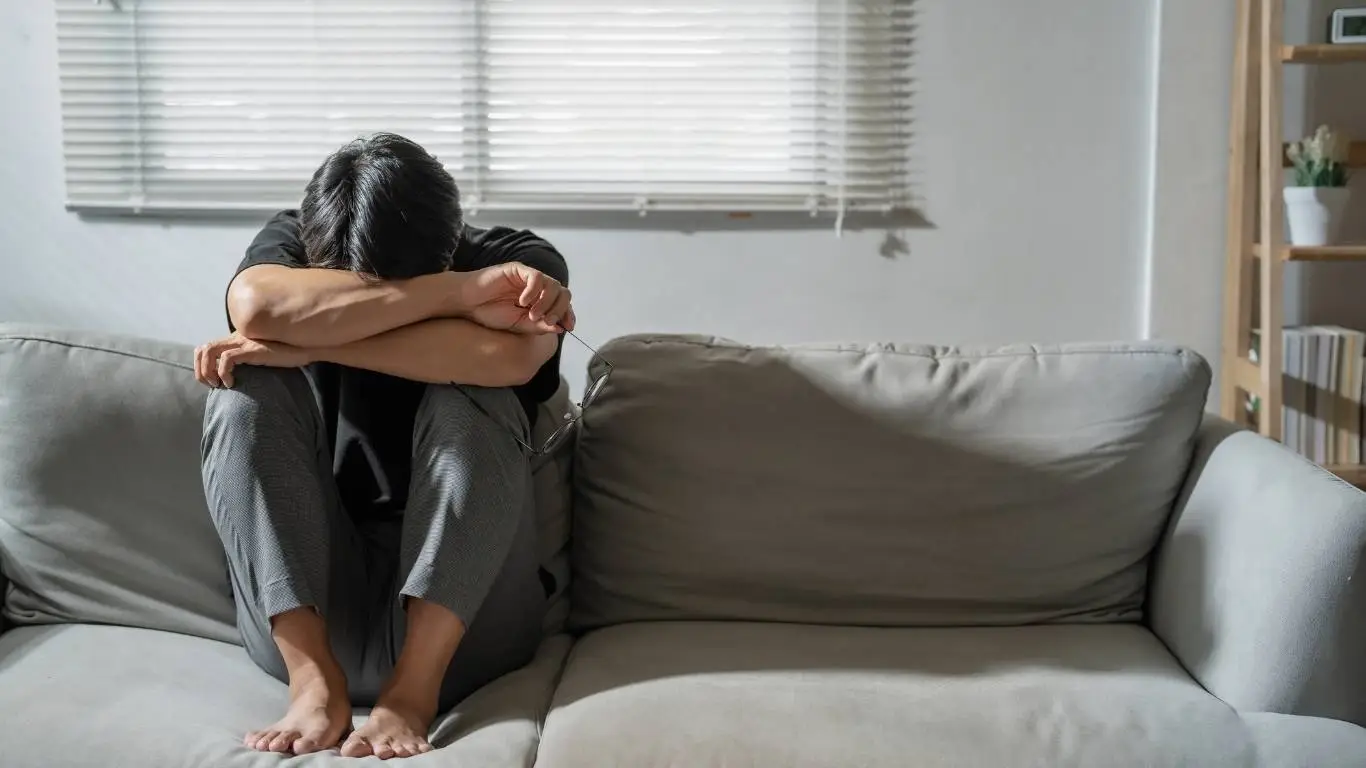
High anxiety messes with your brain’s ability to think clearly. It shrinks your focus down to survival mode. So asking yourself to plan your week, finish a project, or even meal prep can feel completely impossible. That’s where small goals shine—they help bypass overwhelm and build confidence without triggering your fight-or-flight response.
It’s Neurological, Not Laziness
Ever wonder why even basic tasks feel monumental during anxious spells? It’s not because you’re weak—it’s because your brain is reacting to a perceived threat. Setting micro-goals gives your prefrontal cortex something it can actually handle. And that builds momentum, even when your energy is low.
Examples of Tiny, High-Impact Goals
- Drink one glass of water before checking your phone
- Write down three things stressing you out
- Step outside for 90 seconds
- Brush your teeth without judgment
These might look trivial, but during anxiety spikes, they’re everything. Each small win nudges your brain out of panic and toward stability. It’s why grounding practices are often recommended, like these grounding techniques that are actually doable even when everything feels too much.
How to Choose the Right Small Goal

Start With What’s Urgent—but Not Overwhelming
If laundry has been piling up, maybe the goal isn’t to “do laundry,” but simply to put one shirt in the hamper. The idea is to set the bar ridiculously low—so low it almost feels silly. That’s the point. You’re not training yourself to hustle. You’re showing your nervous system that it’s safe to take action.
Use the 2-Minute Rule
Borrowed from productivity circles, the 2-minute rule works magic with anxiety. If a task takes less than two minutes—do it. But here’s the twist: if your anxiety says “nope,” just plan it instead. For example: instead of calling the dentist, your goal might be “find the number.” That’s still a win.
Write It Down (Yes, Even the Tiny Stuff)
Keeping a visible list of completed small goals helps reinforce progress. I use a mini whiteboard on the fridge with stuff like:
- Made the bed
- Fed the cat
- Stretched for 1 minute
When I was dealing with chronic health anxiety, these little wins gave me the proof that I wasn’t stuck—just healing. Health anxiety in particular can steal your sense of normal. Small goals bring it back.
When Motivation Fails, Rely on Structure

Use Templates or Goal Prompts
Having a go-to goal list for high-anxiety days can save your sanity. Try a few like these:
- Move: Stretch, walk around the room, do one yoga pose
- Breathe: One deep breath with shoulders relaxed
- Connect: Text a friend a meme—no context needed
- Nourish: Eat one thing with protein
- Ground: Name five things you can see
These also align with proven strategies in lifestyle-based anxiety relief practices that don’t feel clinical or cold.
Create a Safe Routine Anchor
Routines help reduce the number of decisions you make—which is key when anxiety is draining your bandwidth. I start every morning lighting the same candle and putting my feet on the floor the same way. It’s barely noticeable, but it grounds me. According to the National Institute of Mental Health, consistent patterns are a powerful part of anxiety recovery.
Celebrate the “Micro-Wins” Loudly

This might sound dramatic, but I throw mini celebrations when I complete a small goal. Finished writing one email? Time for a happy dance. Stepped outside to breathe? I call that a personal triumph. Anxiety shrinks your self-esteem—small goals rebuild it, one win at a time.
And it’s not just me. Studies from Psychology Today show that celebrating small accomplishments boosts dopamine, the feel-good chemical that anxiety often blocks. So even if your goal is “wash one fork,” celebrate it like you ran a marathon. Because emotionally—you kind of did.
Want a deeper understanding of how anxiety rewires your daily behavior? This main guide on how anxiety controls daily life lays it out clearly without being alarmist.
If you’re curious about the broader context of managing anxiety through goal-setting and habit change, I’d recommend reading this pillar on lifestyle self-help for anxiety. It pairs perfectly with what you’re doing here: taking back your life one small step at a time.
How to Keep Going When Anxiety Still Feels Loud

There will be days when even your smallest goal feels too heavy. That’s not failure—that’s part of the rhythm of living with anxiety. The key isn’t to push harder; it’s to adapt the goal, not abandon it. For me, some days the “goal” is literally just not spiraling for an hour straight. And that’s okay.
Let Your Goals Be Flexible
If brushing your teeth feels too big, the goal can shift to “stand in the bathroom.” If responding to texts is too much, try “open the messaging app.” This is how I avoided ghosting people unintentionally—just opening the app counted as effort. Anxiety communication issues are real, and this helped soften their impact.
Repeat Goals Without Shame
Don’t be afraid to have the same goals for a week. Or a month. My “stretch for one minute” goal stayed on my list for six months. The repetition was reassuring. It gave me something familiar to return to when everything else felt chaotic.
Using Tools to Make Tiny Goals Easier

Apps and Timers Can Work If Used Kindly
I’ve used apps like Done and Routinery to track small daily actions—but I do it with a twist. I turn off all notifications. No pressure. These apps serve me, not the other way around. If you like tactile stuff, even a sticker chart works. Yup, like we used in kindergarten. There’s something oddly satisfying about peeling a sticker after doing the dishes.
Set Visual Reminders for Self-Compassion
Sticky notes on mirrors. A calming phone wallpaper. A mug that says “You’re doing great.” Tiny nudges like these can help when your own thoughts aren’t being kind. There were times when my sticky note that just said “Drink water” got me through a panic wave.
How to Deal With the Inner Critic That Says ‘This Is Pointless’

Ah, the inner critic. Mine used to whisper stuff like, “Seriously? You’re proud you showered?” It’s ruthless. But here’s the truth: that voice is fear, not fact. I started replying to it—out loud sometimes. “Yes, I showered. That’s a win.” The more I defended myself, the quieter the voice became.
Cognitive reframing helps here. Challenging distorted thoughts isn’t about lying to yourself—it’s about offering your brain another possible story. One where you’re not failing, just managing an invisible battle.
Practice Celebrating Even Unfinished Goals
You planned to cook but ordered takeout instead? Celebrate that you ate. You meant to work out but only changed into gym clothes? Still counts. That’s energy spent toward intention—and with anxiety, that’s worthy of praise.
Social Support Makes Micro-Goals More Meaningful

Letting people in on your small wins makes them feel more real. I used to text my best friend: “Guess who got out of bed before noon?” And she’d respond like I won a Nobel Prize. That kind of validation builds a cushion of resilience.
If you don’t have someone like that yet, consider a support group. There’s power in being seen—especially for stuff the world says doesn’t matter. (Spoiler: it matters.)
Accountability Without Pressure
I also recommend journaling your goals daily—even if you never read them again. There’s something grounding about seeing your efforts on paper. Here’s a simple format I’ve used:
- Today I did: (List 1-3 tiny actions)
- Today I felt: (One honest word)
- Tomorrow I want to try: (Just one thing)
This format takes five minutes. But over time, it rewires your self-image from “I can’t get anything done” to “I show up in small ways that matter.”
Give Yourself Permission to Rest Without Guilt

This might be the most important micro-goal of all: rest. True rest. Not doomscrolling. Not numbing out. But laying down, breathing, and letting your body reset. That alone is a major step in anxiety recovery. Some days, it’s the only thing I manage—and it’s enough.
In fact, sleep hygiene is one of the most overlooked tools in the anxiety toolbox. Not to “fix” you—but to give your system the stability it’s begging for. Pair that with micro-goals and you’ve got the blueprint for emotional resilience.
Know That Progress Isn’t Linear
Some weeks you’ll be checking off small goals like a boss. Other weeks you’ll struggle to get dressed. That’s okay. Healing isn’t a straight line—it loops, dips, and meanders. The trick is to keep showing up. Not perfectly. Just consistently, in ways that are kind.
If this approach is resonating with you, you’ll find even more support in our guide on self-help strategies for anxiety. And if you want to understand why these cycles of progress and regression happen in the first place, this deep dive into daily anxiety patterns might give you the clarity you’ve been looking for.

Camellia Wulansari is a dedicated Medical Assistant at a local clinic and a passionate health writer at Healthusias.com. With years of hands-on experience in patient care and a deep interest in preventive medicine, she bridges the gap between clinical knowledge and accessible health information. Camellia specializes in writing about digestive health, chronic conditions like GERD and hypertension, respiratory issues, and autoimmune diseases, aiming to empower readers with practical, easy-to-understand insights. When she’s not assisting patients or writing, you’ll find her enjoying quiet mornings with coffee and a medical journal in hand—or jamming to her favorite metal band, Lamb of God.