Why Pelvic Floor Dysfunction Worsens Lumbar Instability Fast
If you’re anything like me, you might’ve brushed off occasional lower back pain as just “a bad night’s sleep” or blamed it on stress. But after months of dealing with nagging discomfort, I stumbled onto something most people never even consider: the connection between *pelvic floor dysfunction* and *lumbar instability*. Yeah, I was just as surprised as you are right now. But once I dove into it, everything started making sense—from my uneven gait to my occasional hip twinges and that stubborn ache after sitting too long.
Understanding the Overlooked Connection
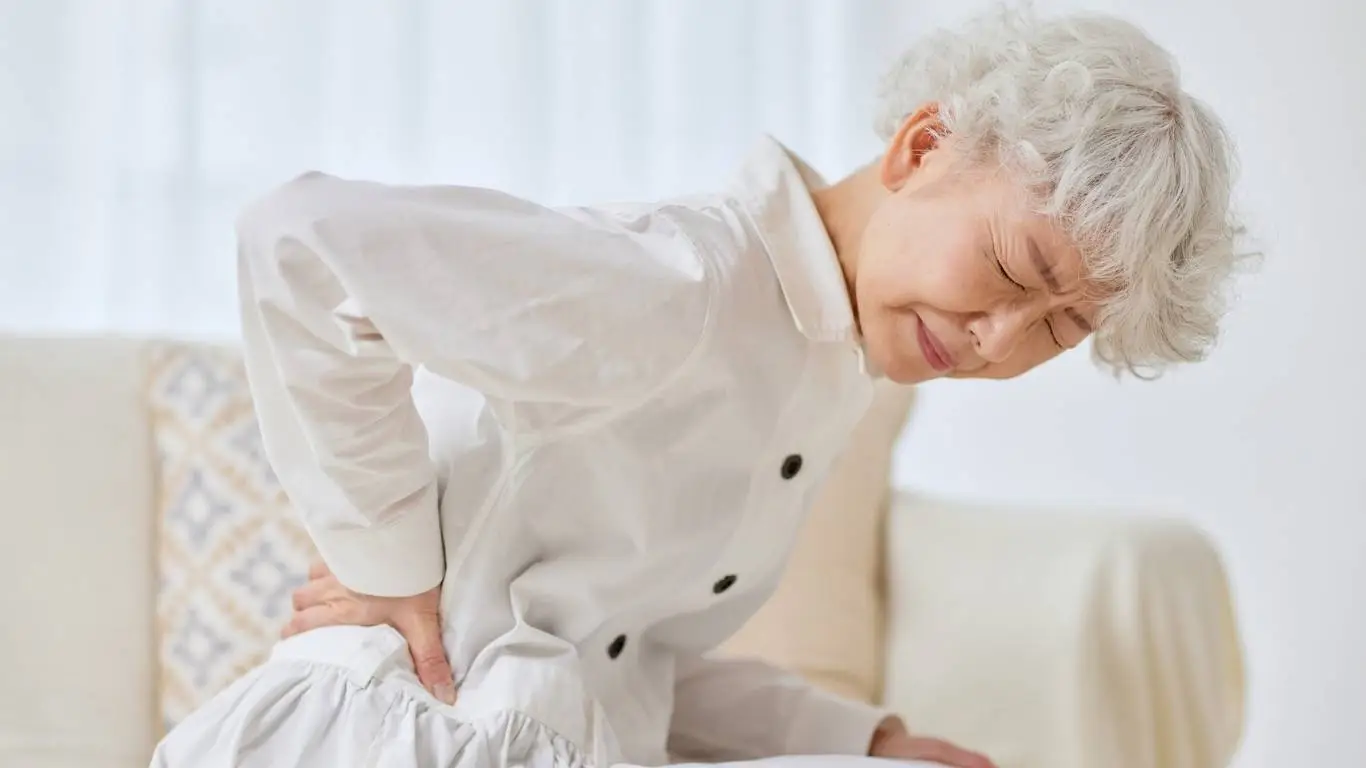
Most people think of the pelvic floor as something only relevant during pregnancy or post-childbirth. But guess what? That group of muscles is *central* to spinal stability. When your pelvic floor isn’t functioning properly, it throws off your entire core system—including your lumbar spine. And if you’re sitting there thinking, “But I’ve never had kids,” trust me, it still applies. I learned the hard way—lifting at the gym, constant poor posture, or even prolonged sitting can weaken these muscles.
How These Two Systems Work Together
The *pelvic floor* acts like a hammock of muscles that supports your internal organs. It’s intricately connected to the deep core muscles, including the transversus abdominis and the multifidus—two key stabilizers of the lower back. When the pelvic floor is weak or overactive, the pressure on the lumbar spine increases dramatically.
It’s like building a house on soft sand. No matter how solid the walls are, if the foundation shifts, everything else crumbles eventually. That’s exactly what happens to your spine when the pelvic floor loses coordination or strength.
Spot the Red Flags Early

What blew my mind was how subtle the signs are. You might not even realize your pelvic floor is involved. Here are some signals I wish I hadn’t ignored:
- Frequent urination or trouble initiating urine stream
- Lower abdominal heaviness or pressure
- Unstable feeling in the lower back, especially during twisting or lifting
- Clicks or pops in the hips or sacrum
- Poor balance or a sense of “wobbliness” in the core
At first, I thought my low back was acting up because of my old sports injuries. But after reading more, especially this article on pelvic tilt and back pain correction, things started adding up fast. What I thought was purely orthopedic turned out to have a major muscular and neurological component too.
Why Traditional Core Exercises Might Be Failing You

Let’s get something straight: doing crunches won’t fix your back pain. In fact, most traditional “core” workouts could be making your *pelvic floor dysfunction* worse. Think of exercises that increase intra-abdominal pressure—sit-ups, V-ups, Russian twists—they can stress the pelvic floor, further destabilizing the lumbar region.
When I made the shift to incorporating core engagement techniques that protect the spine, the change was incredible. I learned to activate the right muscles *gently* and stopped over-bracing or holding my breath—something I didn’t even realize I was doing during workouts.
The Better Way to Train Your Core
These are the core principles (pun intended) I started following:
- Focus on breathing patterns before adding any load
- Incorporate pelvic tilts and bridges with mindful activation
- Use resistance bands and focus on low-load, high-quality reps
- Pair pelvic floor contractions with diaphragm expansion—think yoga-style breathing
I picked up many of these techniques from this pillar article on exercise, rehabilitation & ergonomics, which breaks it down without all the jargon. It also emphasizes that not all exercises are created equal—especially when you’re dealing with an unstable spine.
Pelvic Floor Overactivity: A Hidden Instigator

Here’s something I hadn’t considered until I saw a pelvic floor physio: sometimes the issue isn’t weakness—it’s tightness. An *overactive pelvic floor* can clamp down and prevent proper spinal movement. That gripping sensation in the low back you feel when standing too long or walking fast? Yeah, that might be coming from your pelvic floor being in constant spasm.
One of the most eye-opening reads I found was this gem on trigger points and muscle dysfunction. It explained why my massage sessions brought short-term relief, but nothing ever stuck long-term—because I wasn’t addressing the root muscle imbalances.
Simple Daily Habits That Can Help
I know it sounds like a lot, but little shifts make a huge difference. Here are a few things I now do almost instinctively:
- Posture check-ins during desk work—set a phone reminder if needed
- 5-minute breathing practice before bed (box breathing works wonders)
- Use a lumbar roll while driving—it changed my commutes completely
- Added an ergonomic chair to my home office setup
Plus, I make it a habit to read credible, medically reviewed insights like the ones found in the main back pain guide and the section on root causes of back pain, which gave me a more complete picture than any single appointment ever did.
The Overlap of Mind, Muscle, and Mechanics

What I didn’t expect in this journey was how much my stress and anxiety were tied into my posture and pelvic tension. When I was going through a tough period at work, I noticed my back would tighten up even if I didn’t do anything physical. Sound familiar? Turns out, the link between mental health and back pain is stronger than we think.
I started to incorporate mindfulness practices (even just 5 minutes in the morning), and my body began to respond. My breathing improved, my shoulders relaxed, and even my gait felt lighter. It’s not woo-woo—it’s neurophysiology. According to sources like Cleveland Clinic and Mayo Clinic, stress management is just as critical as physical rehab when dealing with chronic pain.
Targeting the Root Cause: Functional Integration, Not Isolation

One of the biggest mistakes I made early on was treating my symptoms in isolation. I’d do a few back stretches here, throw in some Kegels there, and hope things improved. Spoiler alert: they didn’t. What finally made a difference was shifting to a more *integrated approach*—where pelvic floor function, spinal alignment, breathing, and even foot positioning worked together in harmony.
I started exploring this by working with a movement specialist who combined manual therapy with neuromuscular re-education. That’s when I first heard about spinal protection through dynamic core engagement. It’s not about tensing everything up—it’s about learning when and how to *relax* the right muscles and activate others at just the right time.
Where Most Rehab Programs Miss the Mark
If you’ve ever done a one-size-fits-all back rehab program, you know what I’m talking about. They rarely address the deeper coordination issues that pelvic floor dysfunction brings. Real healing comes from:
- Retraining breathing and intra-abdominal pressure
- Improving hip and rib cage alignment
- Learning to integrate pelvic floor contractions with global movement
- Building endurance and coordination, not just strength
One article that really opened my eyes on this was this one on inflammatory vs mechanical back pain. It helped me understand the deeper context behind my symptoms—and why band-aid solutions were only ever going to scratch the surface.
Breath, Posture, and Pressure: The Holy Trinity

Let’s talk breathing. No, not the kind you do when you’re trying to calm down after getting cut off in traffic. I mean real, diaphragmatic, intra-abdominal pressure-regulating breathing. Turns out, how we breathe literally affects the function of our pelvic floor and lower back. I had no idea I was a chronic chest breather—until I was shown how that type of shallow breathing was silently sabotaging my spinal support.
When the diaphragm, pelvic floor, and deep core muscles are in sync, they act like a pressure-regulating cylinder. Disrupt that pattern and your spine ends up taking the brunt of it. This article really breaks it down with simple drills that worked way better than any gadget or brace I ever bought.
My Go-To Reset Routine (5 Minutes, No Equipment)
- Lie on your back, knees bent, feet flat
- Place one hand on your chest, the other on your belly
- Inhale through your nose into the *belly*, not the chest
- On exhale, gently lift your pelvic floor (not squeeze!) and tighten your low abs
- Repeat for 10 rounds—super simple, super effective
I do this every morning and before workouts. It’s become my spine’s pre-game warmup. When I skip it, I feel the difference—tighter, less mobile, more guarded in my movement.
Support Beyond Rehab: Tools That Actually Help
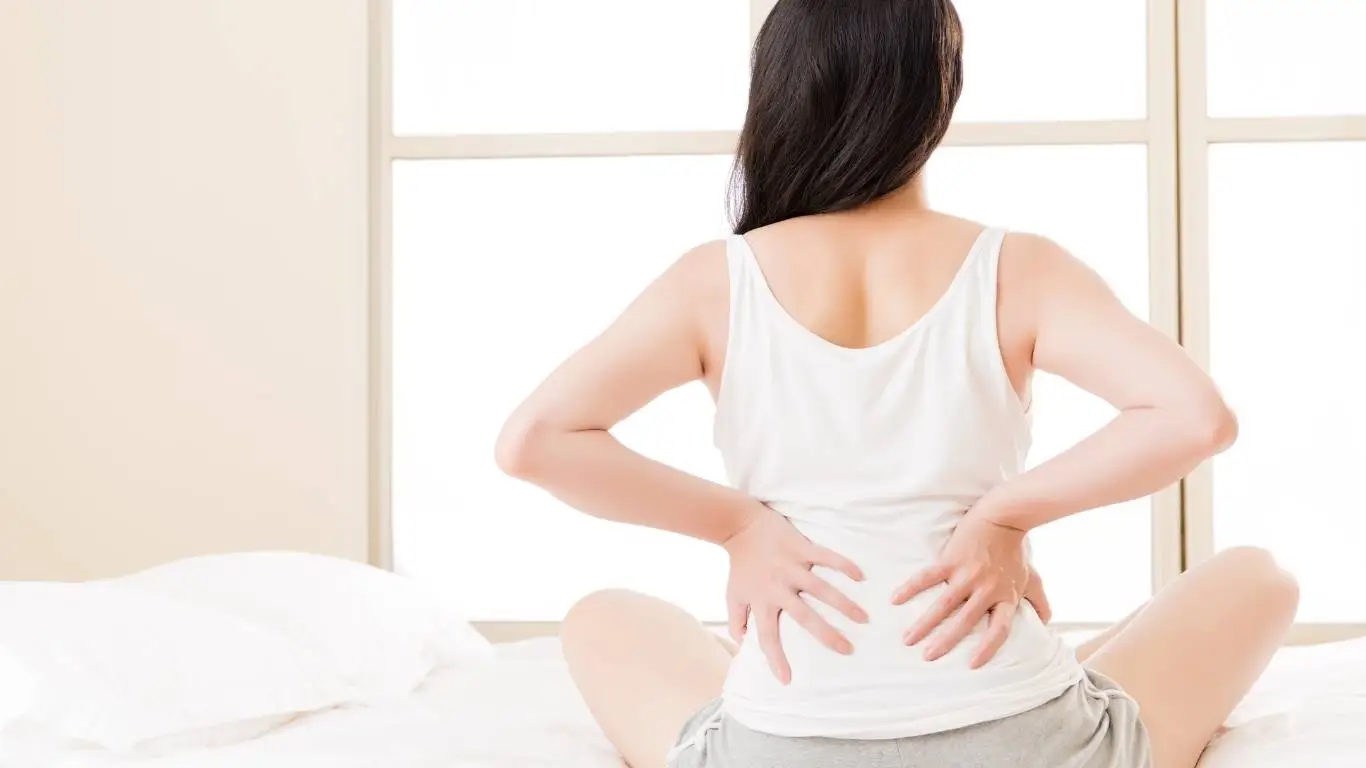
Let’s be real—rehab is only part of the equation. The way we sit, sleep, and even walk can either support our progress or quietly undo it. I made a few smart swaps at home and work, and suddenly my body wasn’t fighting me 24/7.
- Standing desk: Sitting less gave my pelvis a break from compression
- Lumbar support cushion: Especially helpful on long drives
- Supportive shoes: I didn’t realize how bad my flat soles were until I switched
- Daily stretches: Even just 5 minutes of mobility goes a long way
If you’re looking to dial in your setup, the pillar page on lifestyle and natural remedies was surprisingly practical—it wasn’t just about turmeric and CBD (though those helped too!). It covered everything from ergonomic setups to posture-based fixes that made real, tangible improvements in my day-to-day comfort.
What I’d Tell Anyone Starting This Journey
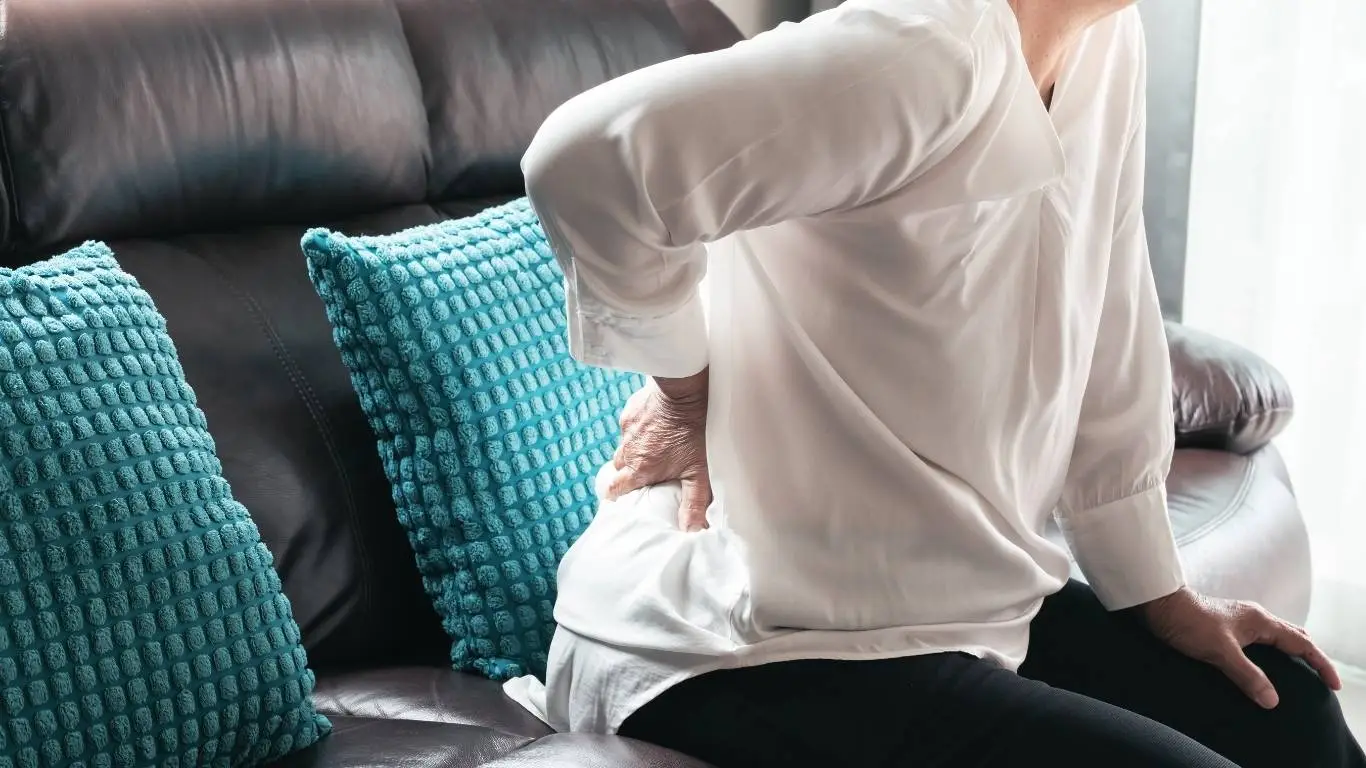
Honestly? Don’t wait. If something feels off—whether it’s your back, hips, pelvic floor, or even just your gut telling you that something’s out of whack—start paying attention. These issues don’t go away by pushing through or hoping they’ll resolve on their own.
Find a pelvic health therapist, dive into educational content like this main back pain resource hub, and don’t be afraid to explore lesser-known but deeply effective strategies. Sites like csp.org.uk and ninds.nih.gov have some great foundational overviews too.
My only regret? Not connecting the dots sooner. If someone had told me five years ago that breathing and pelvic floor work would be more effective than crunches and painkillers, I probably would’ve laughed. Now, I live it—and honestly, I feel stronger and more stable than I did in my twenties.

Camellia Wulansari is a dedicated Medical Assistant at a local clinic and a passionate health writer at Healthusias.com. With years of hands-on experience in patient care and a deep interest in preventive medicine, she bridges the gap between clinical knowledge and accessible health information. Camellia specializes in writing about digestive health, chronic conditions like GERD and hypertension, respiratory issues, and autoimmune diseases, aiming to empower readers with practical, easy-to-understand insights. When she’s not assisting patients or writing, you’ll find her enjoying quiet mornings with coffee and a medical journal in hand—or jamming to her favorite metal band, Lamb of God.