Why Diastasis Recti Triggers Lower Back Pain and How to Fix It
When I had my second baby, I knew my core wasn’t the same — not just how it looked, but how it functioned. I’d try to sit up, lift groceries, even get out of bed, and my lower back would scream at me. Turns out, I had something called diastasis recti. And like so many others, I didn’t realize how much it messes with the rest of your body, especially your lower back.
What Is Diastasis Recti, Really?

Diastasis recti isn’t some obscure medical condition. It’s the partial or complete separation of the rectus abdominis muscles — those “six-pack” muscles — which normally stay aligned. It happens when the connective tissue in between, called the linea alba, gets stretched too thin.
Pregnancy is the most common culprit, but anyone — men included — can get it from things like improper weightlifting, chronic straining, or even repeated coughing.
Spotting the Signs
- A visible bulge or “doming” in the midline of your stomach when you do a crunch or sit up
- Lower back pain that seems to creep in and never fully goes away
- Weakened core, poor posture, or difficulty stabilizing your trunk during movement
For me, the bulge wasn’t the concern — it was the nagging lower back pain that just wouldn’t let up. That’s where the “compensation” part really kicks in.
How Diastasis Recti Triggers Lower Back Compensation

When your core isn’t doing its job, your back tries to pick up the slack. That’s a problem. The lumbar spine — the lower back — isn’t designed to handle that kind of load.
The Compensation Chain Reaction
- Weak Core Engagement: Without proper abdominal pressure, your spine lacks support.
- Increased Lumbar Load: Your back muscles overwork to stabilize your torso.
- Pelvic Tilt & Instability: Your pelvis might tilt forward (anterior pelvic tilt), throwing off alignment even more.
It becomes a vicious cycle. The more your back compensates, the more your core avoids working, and the deeper the dysfunction grows. I noticed I started clenching my glutes just to stabilize — another clue that compensation was in full effect.
Symptoms You Shouldn’t Ignore

If you’re dealing with diastasis recti and your back has started acting up, pay attention to these:
- Persistent low back pain, especially after standing or lifting
- Feeling “disconnected” from your core
- Difficulty breathing deeply from your diaphragm
- Poor posture that worsens throughout the day
It’s not just annoying. It can lead to structural damage, disc issues, and chronic compensation patterns. I read a great breakdown on acute vs. chronic back pain here that helped me realize my “annoying discomfort” was becoming chronic.
What Causes This Core Dysfunction Beyond Pregnancy?
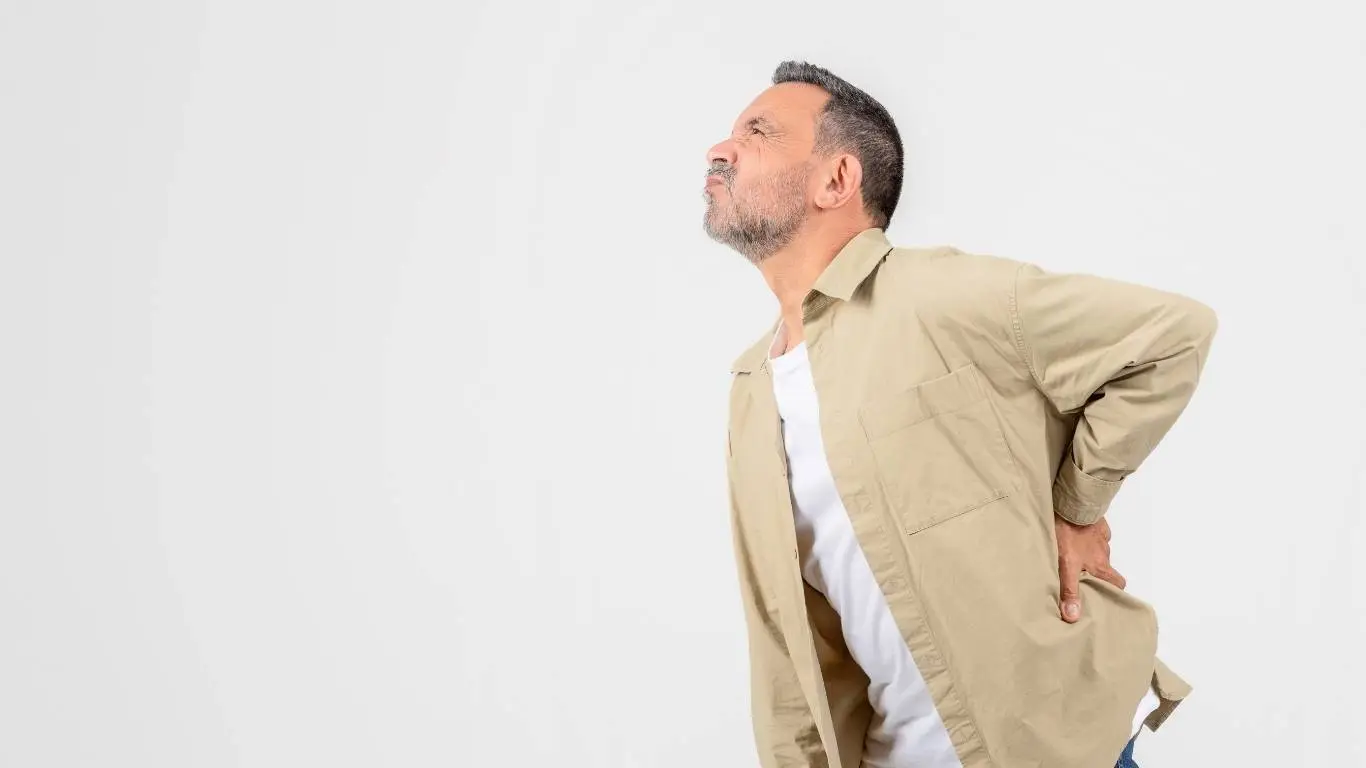
While childbirth is the big one, plenty of other factors play a role in creating and worsening diastasis recti:
- Improper lifting technique — especially when bracing your core incorrectly
- Rapid weight changes or abdominal pressure from obesity
- Chronic constipation or bloating that leads to straining
- Excessive backbends or spinal extension exercises without core control
For me, years of doing crunches wrong and over-relying on backbends in yoga were just pouring fuel on the fire. According to ncbi.nlm.nih.gov, consistent intra-abdominal pressure management is essential to core function — and most of us are doing it completely wrong.
Can You Fix It Without Surgery?

The good news? Yes. Diastasis recti can often be improved significantly — sometimes fully — through targeted, consistent rehab. And I’m not talking about crunches or planks. The right exercises rebuild core connection, not just strength.
Here’s What Helped Me Most
- Breathwork: Learning how to breathe using the diaphragm was a total game-changer. You can explore more on diaphragmatic breathing for spine stability.
- Transverse Abdominis Activation: These deep core muscles are crucial. Think “hug your baby in” rather than “tense your abs.”
- Pelvic Floor Work: Yep, it’s not just a postpartum thing. A strong pelvic floor stabilizes everything above it.
I also found this exercise and rehab guide incredibly useful — it walks through safe movement strategies and how to build stability first before chasing strength.
Postural Fixes That Actually Work

Most people with diastasis recti end up in a posture that screams “instability” — rib flare, belly bulge, tight hip flexors. I was standing like a banana without realizing it. Here’s what helped correct my alignment:
- Stacking ribs over hips — sounds basic, but it made a world of difference.
- Engaging glutes gently while relaxing the low back.
- Working on thoracic mobility — that middle back area gets tight fast.
This article on posture and chronic back pain lays it all out in plain English. Worth bookmarking if you’re serious about retraining your habits.
If you’re starting your recovery or looking to understand the broader picture of how lifestyle and movement patterns affect your back, the main resource on back pain is a great place to explore. You can also deep dive into related guidance under the lifestyle and natural remedies section for long-term strategies.
Daily Movements That Can Either Help or Hurt

I didn’t realize how much my day-to-day routine was sabotaging my healing. It wasn’t the workouts — it was the way I stood while brushing my teeth, how I hoisted my kid onto my hip, and how I slumped into the couch. Diastasis recti doesn’t just flare during crunches — it creeps in everywhere.
Movements That Can Make It Worse
- Twisting while lifting (like loading groceries into the trunk)
- Slouching while sitting for long hours
- Getting out of bed like you’re doing a crunch
- Standing with your pelvis tilted and core disengaged
These may seem minor, but over time, they reinforce the instability. I got a ton of insight from this guide on recurring back pain from daily activities — it helped me reframe how I approach the little stuff.
Rebuilding Core Function Safely
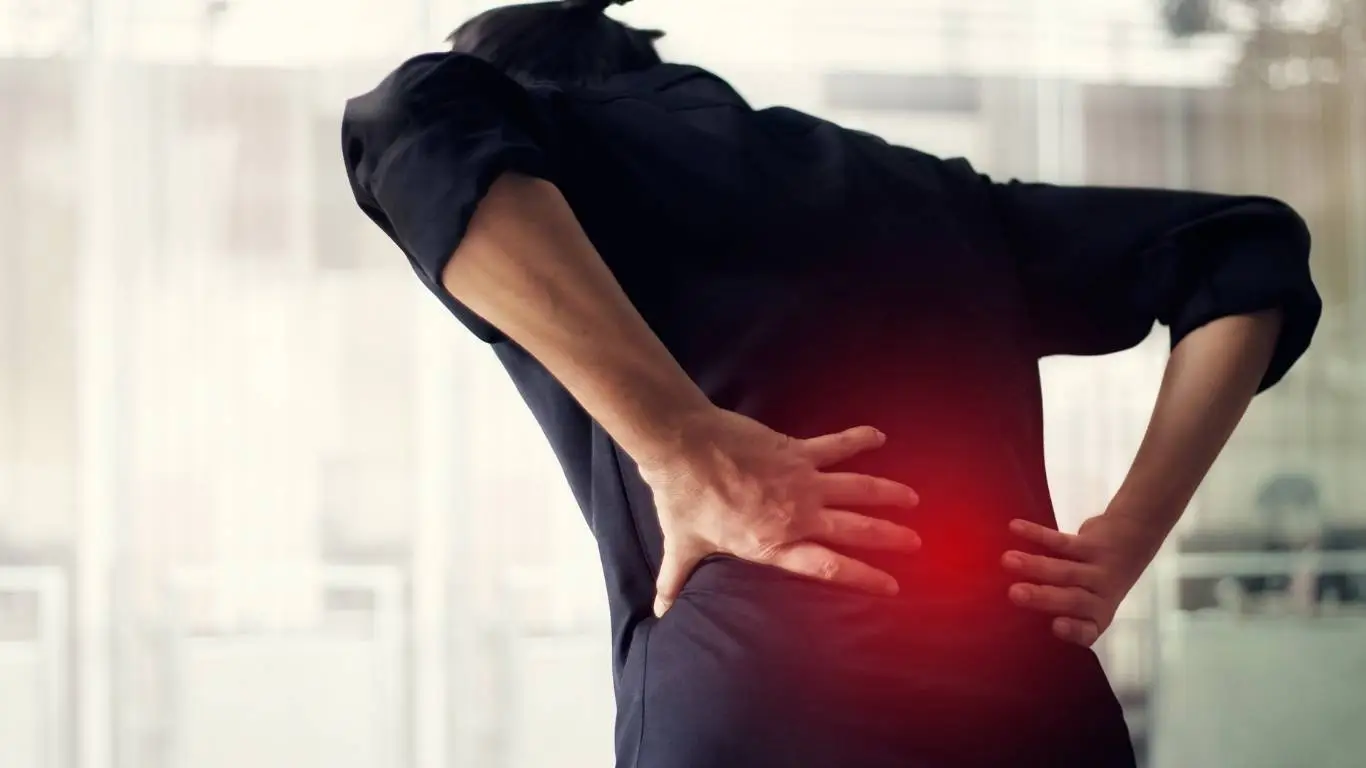
Healing diastasis recti while minimizing lower back compensation means retraining your brain and body — not just muscling through harder ab exercises. It starts with basics.
Key Concepts That Changed the Game for Me
- Intra-abdominal pressure control: Learning to exhale with effort, not hold your breath
- Gentle core coordination drills: Dead bugs, heel taps, wall sits with core engagement
- Neutral spine awareness: Practicing alignment during daily tasks — not just workouts
And I can’t say enough about this post on core engagement techniques for spinal protection. It really broke things down in a way that felt doable, not overwhelming.
Tools That Actually Help (and Which to Avoid)

There’s a lot of noise online about what works for core rehab and back pain. Let me spare you some frustration — not everything that’s marketed “for support” actually helps.
Helpful Tools
- Resistance bands: For gentle core reactivation and muscle feedback
- Foam rollers: For opening up the thoracic spine and releasing tight hip flexors
- Lumbar support cushions: Game changer for driving or working long hours — here’s why
What to Be Cautious With
- Back braces: They’re fine short term, but can make your core lazy fast. Read this breakdown before relying on one.
- Crunch-based workouts: Nope. Until your core reconnects, these do more harm than good.
- Waist trainers: Just no. They don’t “fix” anything — they just compress your organs.
The Breathing-Pelvic Floor Connection

This was the most unexpected connection for me — how much breathing and pelvic floor control mattered. Once I learned how to coordinate my diaphragm with my pelvic floor, things started shifting.
Many people ignore this part because it feels… abstract. But your diaphragm, transverse abdominis, pelvic floor, and multifidus all form your “deep core.” You can’t just plank your way into strength — you need synergy.
If you’re skeptical (I was), check out this well-written piece on mind-body integration for back healing. It bridges the science and strategy beautifully.
Back-Friendly Habits to Incorporate Now

Once I understood the biomechanics behind my issues, I started layering in micro-habits that made a huge impact. These didn’t feel like “workouts” — they were just smarter ways to move through the day.
Simple Daily Shifts
- Engage your core while walking the dog or standing in line
- Place one foot on a step when standing at the sink or brushing teeth
- Use a cushion or lumbar roll when sitting — especially while driving
- Switch up sitting, standing, and walking throughout the workday — this guide helped
And hydration, sleep, and inflammation control matter more than you think. I started using an anti-inflammatory diet strategy and noticed my core felt less “bloated” and my back ached less.
What to Watch As You Progress
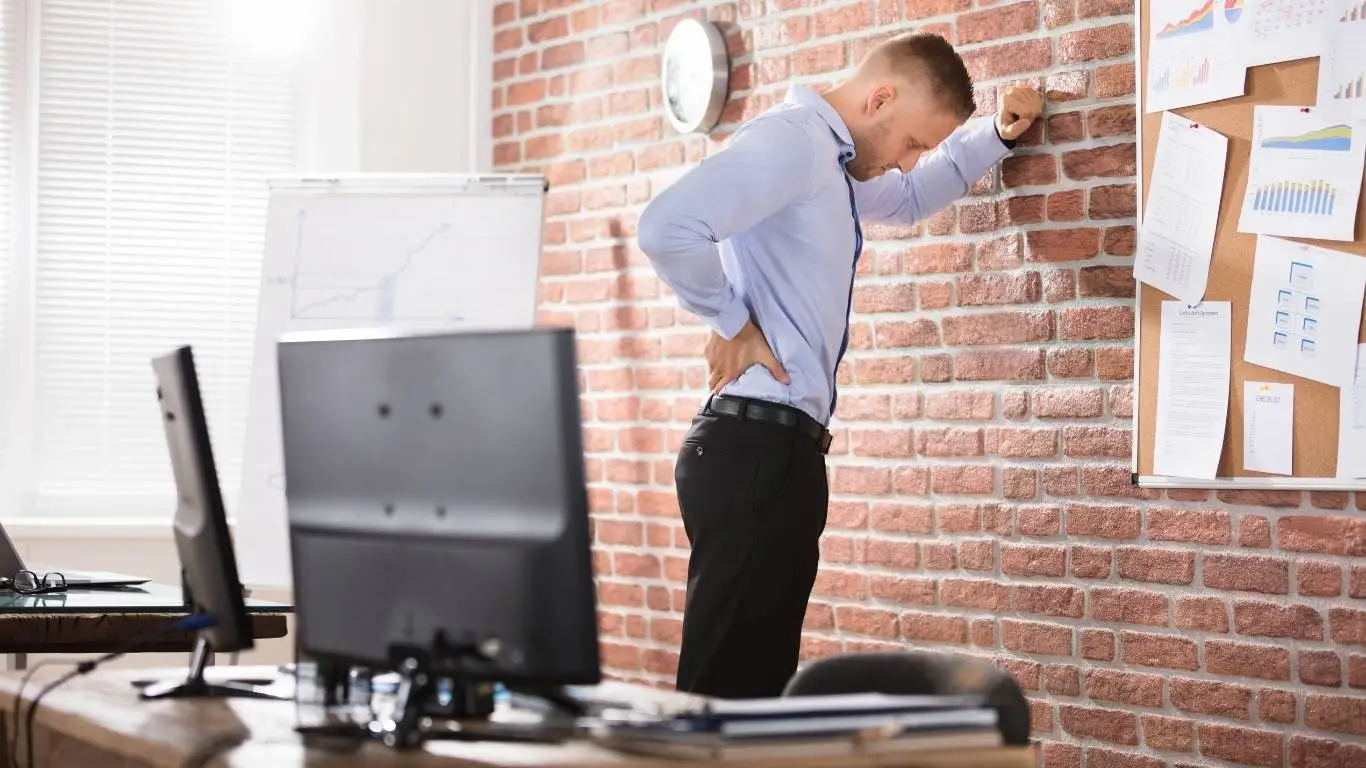
As your body adapts, be mindful of subtle regressions or flare-ups. Healing isn’t linear, especially when you’re trying to rewire patterns that have been in place for years.
Warning Signs You’re Still Overcompensating
- You still feel tightness in your low back after “ab” workouts
- You’re holding your breath during basic lifts or movements
- Your hips ache or feel unstable after walking or standing too long
These are red flags your core isn’t fully online yet. I circled back to this guide on muscle imbalances and back pain several times as a checkpoint in my rehab.
Putting It All Together

Recovering from diastasis recti isn’t just about looking better — it’s about function, alignment, and moving through life without fear of triggering back pain. My approach wasn’t perfect, but being consistent and curious made the biggest difference.
If this sounds like your journey, or you’re just starting to piece things together, take a deeper dive into the broader picture of back pain. For long-term support and more tailored lifestyle strategies, I highly recommend the lifestyle, diet, and natural remedies section — it connects all the dots most people miss.

Camellia Wulansari is a dedicated Medical Assistant at a local clinic and a passionate health writer at Healthusias.com. With years of hands-on experience in patient care and a deep interest in preventive medicine, she bridges the gap between clinical knowledge and accessible health information. Camellia specializes in writing about digestive health, chronic conditions like GERD and hypertension, respiratory issues, and autoimmune diseases, aiming to empower readers with practical, easy-to-understand insights. When she’s not assisting patients or writing, you’ll find her enjoying quiet mornings with coffee and a medical journal in hand—or jamming to her favorite metal band, Lamb of God.