
Why Shockwave Therapy for Deep Muscle Back Pain Is a Game Changer
When I first heard about shockwave therapy for deep muscle back pain, I’ll admit—I was skeptical. It sounded like something from a sci-fi movie. But after months of battling chronic lower back tension and tight glutes that wouldn’t release no matter how much stretching or foam rolling I did, I finally gave it a try. And wow—what a game changer. Turns out, shockwave therapy isn’t just hype—it’s legit science with powerful results, especially when traditional methods just don’t cut it anymore.
What Is Shockwave Therapy, Really?

Shockwave therapy, also known as extracorporeal shockwave therapy (ESWT), is a non-invasive treatment that uses high-energy acoustic waves to target deep musculoskeletal pain. It’s not the same as ultrasound—it actually triggers a cascade of biological responses, including increased blood flow, tissue regeneration, and nerve desensitization.
This therapy was originally used to break down kidney stones. But now, it’s being embraced by sports doctors, physical therapists, and chronic pain specialists to treat tough soft tissue issues—especially in the back where deep muscular knots and chronic myofascial pain often refuse to budge.
How It Feels (And What to Expect)

Let me be straight: it doesn’t tickle. When I had my first session, it felt like someone was rhythmically snapping a thick rubber band against my lower back. Not unbearable, but definitely intense. The good news? Each session only lasts about 10-15 minutes, and there’s no downtime.
For many, it’s the kind of pain that signals something is working. After a few sessions, that stubborn tension in my glutes and lower spine started to unravel. Sleeping improved, my posture felt easier to hold, and I didn’t have that annoying “locked up” feeling in the mornings anymore.
Key Benefits of Shockwave Therapy for Back Pain
- Breaks up scar tissue that’s restricting deep back muscles
- Increases collagen production for long-term tissue health
- Improves microcirculation in areas with poor blood flow
- Desensitizes nerve endings to reduce chronic pain signals
- Accelerates healing in muscle and connective tissue layers
It’s especially effective when back pain stems from myofascial dysfunction, trigger points, or postural muscle strain that massage and stretching alone can’t fix.
Who Actually Needs It?

Shockwave therapy isn’t for every type of back pain. But if your pain is caused by:
- Chronic tightness in deep spinal muscles (especially QL, glutes, piriformis)
- Stubborn trigger points that return after massage or needling
- Recurring pain from old injuries or microtrauma
- Myofascial adhesions limiting range of motion
…then this might be the missing piece in your recovery plan.
Many people dealing with trigger point-driven back pain or chronic nerve-related pain find that shockwave works when nothing else does. It’s especially helpful for cases that don’t show up clearly on imaging but still hurt like hell.
Where the Science Stands

There’s real evidence behind this. A 2020 review published in NIH found that shockwave therapy showed statistically significant pain reduction in patients with chronic low back pain compared to placebo and standard physiotherapy alone. Another study in the Journal of Orthopaedic Research highlighted its regenerative effects on soft tissue structures—including tendons and fascia.
It’s also included in many modern multidisciplinary pain treatment plans, right alongside manual therapy, guided exercise, and posture retraining. That holistic angle is crucial. Pain like this isn’t just structural—it’s often a result of habit, stress, sleep, and movement dysfunction.
Combining It with Other Therapies

Shockwave therapy isn’t a one-trick pony. On its own, it’s powerful—but pair it with smart movement retraining and lifestyle change? That’s where the magic happens.
What I personally found effective with it:
- Foam rolling to prep the tissue before treatment
- Core stability exercises to maintain gains post-treatment
- Gentle mobility work daily to keep fascia gliding smoothly
- Pain tracking apps to monitor flare-up patterns
Once I layered those in, not only did my pain drop significantly, but I felt stronger and more in control of my body.
How to Know If You’re a Candidate

If you’ve been grinding through back pain for months and you’ve already tried the basics—like exercise and ergonomics—but the deep tightness keeps coming back, it might be worth getting evaluated by a clinician who offers shockwave therapy.
Especially if you’re active and your back pain flares with specific movements, like bending, twisting, or sitting for long hours, this treatment could be a game changer. A focused assessment can identify if your pain is driven by soft tissue restrictions or nerve hypersensitivity, which respond especially well to shockwave.
And don’t just rely on generic treatment—you want someone who understands the layered complexity of back pain and who integrates modern modalities with a whole-body approach. If your provider also offers support around mobility, posture, and load management? Even better.
Want to understand more about how back pain works in the first place? Check out our in-depth breakdown of the causes of back pain for insights into what might be holding you back from full recovery.
How Many Sessions Do You Actually Need?
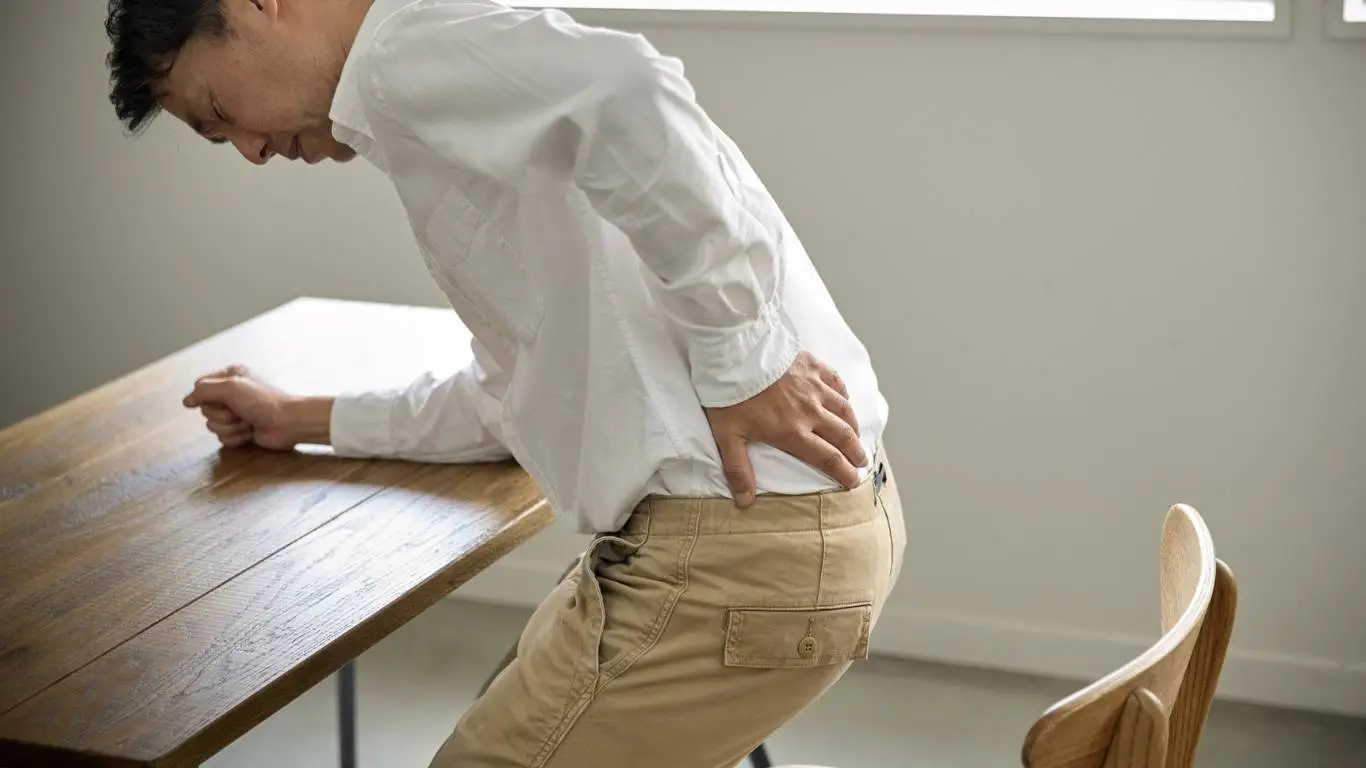
This was one of my first questions too. Turns out, most people see meaningful results after about 3 to 6 sessions, spaced out weekly. It’s not a one-and-done kind of fix, but it also doesn’t drag on for months like traditional therapy sometimes can.
What really made the difference for me was consistency. I treated it like a series—same time every week, tracked how I felt after each session, and followed through on the home rehab my therapist suggested. That last part’s critical. Just getting zapped and going back to slouching in a bad chair all day? Not gonna cut it.
Each session builds on the last. At first, the relief felt subtle—less tension, easier movement. By session four, I was sleeping better, moving freer, and even got back into some gentle weight training without worrying about flare-ups.
Shockwave Therapy vs Other Options

If you’re weighing options, here’s a breakdown of how shockwave compares to other commonly used treatments for deep muscle back pain:
| Therapy | Invasiveness | Downtime | Effectiveness for Deep Muscle Pain |
|---|---|---|---|
| Shockwave Therapy | Non-invasive | None | High (esp. for myofascial pain & trigger points) |
| Chiropractic Adjustments | Manual (non-invasive) | None | Moderate |
| Steroid Injections | Invasive | Minimal (1-2 days) | Varies (strong short-term relief) |
| Acupuncture | Minimally invasive | None | Moderate to High (great as adjunct) |
| Exercise Therapy | Non-invasive | None | High (with proper guidance) |
In my experience, combining therapies—especially shockwave with posture correction and mobility work—delivers the best results. One by itself might not fully resolve deep, chronic pain patterns. But together, they form a well-rounded strategy that gets your body back on track.
Who Should Avoid It?

As powerful as it is, shockwave therapy isn’t for everyone. There are certain conditions and situations where it’s not recommended. You should avoid or delay it if you have:
- Pregnancy – due to lack of research on fetal safety
- Bleeding disorders or are taking strong anticoagulants
- Active infections or tumors in the treatment area
- Severe osteoporosis in the spine
- Pacemakers or electronic implants near treatment zones
Always talk to a qualified provider who understands your full medical history. A good clinician will screen you thoroughly before recommending shockwave sessions. That’s part of ensuring not just effectiveness, but safety too.
Choosing the Right Provider

This is where your outcome can rise or fall. Shockwave therapy is only as good as the hands behind the machine. You want a practitioner who understands the nuances of back anatomy, trigger point referral patterns, and how your daily habits impact your recovery.
In my case, I found a rehab specialist who combined shockwave with deep knowledge of movement therapy. That combo made all the difference. They weren’t just blasting my back randomly—they were targeting specific problem areas based on how I moved, stood, and worked throughout the day.
If you’re searching, make sure your provider:
- Uses a medical-grade shockwave device (radial or focused)
- Does a full movement screen before treatment
- Provides a rehab or mobility plan alongside the sessions
- Tracks your pain and progress—not just your appointments
Making It Work in the Long Run

This was something I had to learn the hard way: shockwave therapy is just the catalyst—it’s what you do afterward that cements the results. Once your pain calms down, it’s the perfect time to rebuild better habits that prevent flare-ups in the future.
Here’s what helped me maintain the gains:
- Daily wall posture exercises (just 5 minutes!)
- Mobility warm-ups before workouts or long workdays
- Frequent micro breaks when sitting for hours
- Switching to a standing desk setup with lumbar support
- Consistent strength training to support my spine
And honestly, tracking my progress helped too. I used a simple mobile tracker to log stiffness levels and energy during the day. Over time, I could spot what triggered setbacks—bad sleep, too much sitting, stress—and course-correct faster.
Should You Try It?
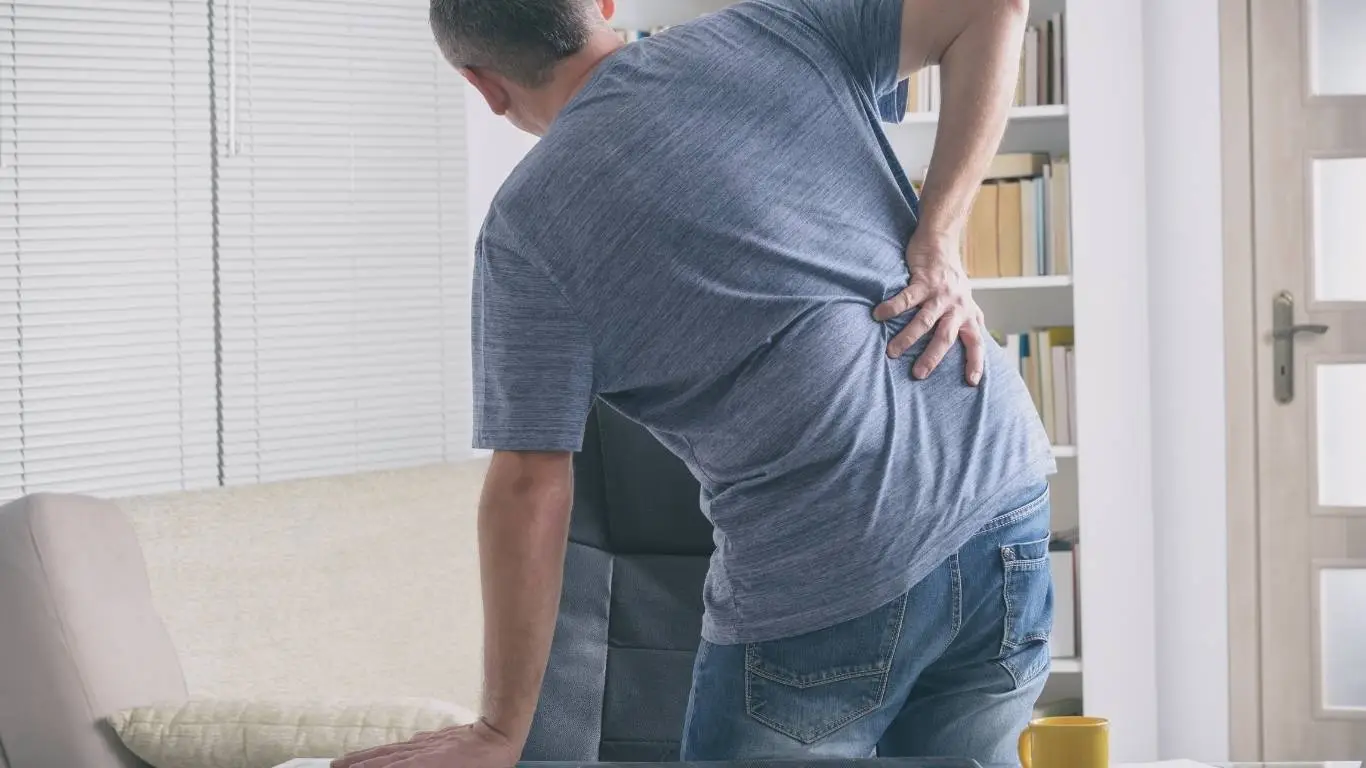
If you’ve tried the foam rollers, the stretches, the ergonomic chairs… and that nagging deep ache in your lower back still haunts you—yes, shockwave therapy might be worth exploring. For me, it didn’t just treat pain—it gave me back confidence in my body again.
Paired with smart movement, intentional lifestyle shifts, and the right support team, it can be a powerful part of your recovery toolkit. And remember, back pain isn’t just a spine issue—it’s a whole-body, whole-life issue. The more holistic your approach, the better your results will stick.
For a deeper look at complementary therapies that accelerate healing, check out our main guide on managing back pain holistically or explore how other options like conservative treatments fit into your long-term plan.

Camellia Wulansari is a dedicated Medical Assistant at a local clinic and a passionate health writer at Healthusias.com. With years of hands-on experience in patient care and a deep interest in preventive medicine, she bridges the gap between clinical knowledge and accessible health information. Camellia specializes in writing about digestive health, chronic conditions like GERD and hypertension, respiratory issues, and autoimmune diseases, aiming to empower readers with practical, easy-to-understand insights. When she’s not assisting patients or writing, you’ll find her enjoying quiet mornings with coffee and a medical journal in hand—or jamming to her favorite metal band, Lamb of God.