Why BV Is Shockingly Common After Childbirth
When I had my first child, I was flooded with advice—some helpful, some questionable, and most of it unsolicited. But nobody mentioned bacterial vaginosis (BV). It wasn’t until weeks postpartum, when something felt off, that I realized this was a thing many women go through, silently and often confused. So, let’s talk about it. If you’ve just had a baby and you’re wondering, “Is BV common after childbirth?”—you’re definitely not alone, and yes, it happens more often than you think.
Why BV Shows Up After Having a Baby

The postpartum period is a hormonal rollercoaster. Estrogen levels plummet, and your vaginal microbiome shifts rapidly. This disruption creates the perfect storm for *Gardnerella vaginalis* and other bacteria to throw your balance out of whack. That’s essentially what BV is—an overgrowth of “bad” bacteria outnumbering the good ones, like *Lactobacillus*.
Now, you might think BV is linked to sexual activity (and that’s partially true), but the bigger culprit post-birth is your shifting internal environment. Between lochia, sanitary products, postpartum pads, sleep deprivation, and even stress, your vaginal pH doesn’t stand a chance.
- Vaginal flora becomes unstable
- Heavy bleeding or lochia alters natural defenses
- Weakened immunity post-labor
- Hygiene habits change drastically
Here’s a helpful deep dive into the hygiene habits that can lead to BV, especially during recovery when you’re just trying to stay clean and sane.
What BV Feels Like After Delivery

For me, it started with a very distinct odor—not like postpartum bleeding, not like a yeast infection either. Just… different. Some describe it as “fishy,” especially after sex or during urination. Others might notice grayish-white discharge or a burning sensation. And here’s the kicker: sometimes there are no symptoms at all. But if you’ve had BV before, you’ll likely recognize the signs.
This BV and vaginal odor guide breaks it down perfectly.
Common Symptoms After Childbirth Include:
- Persistent vaginal odor
- Thin, watery discharge (often grayish)
- Mild irritation or burning
- Itching is rare—but not impossible
Keep in mind: your body’s already dealing with postpartum healing. A symptom like discharge might be chalked up to “normal” unless you know what to watch for. That’s why knowing the nuanced symptoms of BV during and after pregnancy is so valuable.
Does Childbirth Directly Cause BV?

Not directly, but indirectly—absolutely. After delivery, your vaginal pH becomes more alkaline. If you had a C-section, BV is less common, but still possible. For vaginal births, all the internal trauma, shifts in hormone levels, and recovery-related hygiene make you more susceptible. One study on *nih.gov* highlights how postpartum pH levels remain disrupted for weeks, even months in some cases.
Notably, women who used antibiotics during labor (like those with GBS) have a higher chance of developing BV within a few weeks postpartum. If you’re curious about that, check this helpful resource on how antibiotics can increase BV risk.
Vaginal Birth Factors That Raise BV Risk:
- Extended labor or multiple internal exams
- Use of catheters or surgical tools
- Retained lochia or tissue
- Postpartum antibiotics
For an overview of multiple causes, explore this main hub on BV causes and risk factors. It’s a solid foundation that ties in with a lot of what happens postpartum.
Diagnosis Isn’t Always Straightforward

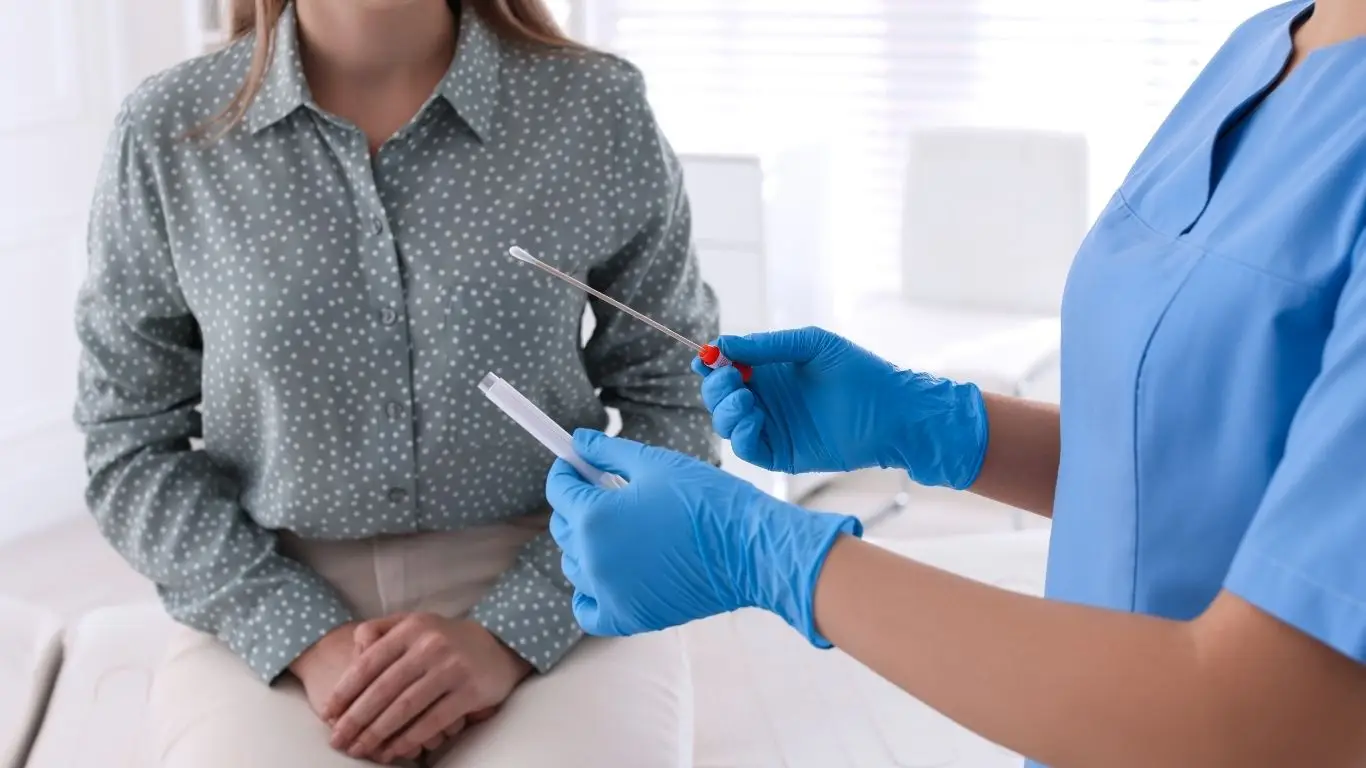
Here’s something that surprised me: my OB almost missed it. She initially chalked my symptoms up to “normal postpartum discharge.” And unless your healthcare provider is specifically testing vaginal pH or using a microscope, BV might not get caught early.
Most doctors use the Amsel criteria or Nugent score for diagnosis, but let’s be real—after giving birth, most of us are too overwhelmed to even make it to follow-ups unless it’s urgent. That’s why self-awareness is key. Tools like pH testing kits are available, but with caution. Learn more about what’s accurate (and what’s not) in this honest guide to home tests for BV.
Still unsure? Get a deeper look at how BV is diagnosed by professionals.
You’re Not Alone—BV Is Incredibly Common Postpartum

I remember texting a friend one night in frustration—“Is this smell normal?” Her reply: “Girl, SAME.” That moment of solidarity meant everything. Truth is, a significant number of women experience BV in the first few months postpartum. It’s just not talked about enough.
Many moms think it’s a hygiene issue. It’s not. It’s a microbial imbalance. And if untreated, it can linger or trigger more serious infections down the road. This makes understanding bacterial vaginosis as a whole incredibly important, not just during postpartum but across all life stages.
Want to explore deeper topics like diet, sexual health, and prevention strategies? Start here: recurring BV and prevention tips.
How to Treat BV Safely After Childbirth

Once I knew what I was dealing with, the next question was—how do I treat BV without messing up postpartum healing or affecting breastfeeding? The good news: there are several safe treatment options, even while you’re nursing or still bleeding postpartum. But it’s important to avoid the trial-and-error approach, especially this early on.
The two most common prescriptions are metronidazole and clindamycin. They come in pills, gels, or vaginal creams. I was prescribed the gel version of metronidazole for BV, which was less harsh on my system than the oral option. No side effects, no impact on my milk supply.
What Your Doctor Might Recommend:
- Metronidazole (gel or oral) – Safe during breastfeeding when used as directed
- Clindamycin cream – Effective but avoid if allergic to lincomycin antibiotics
- Boric acid – Not recommended postpartum or while breastfeeding
Want a full breakdown of all available treatments and how they compare? This guide on BV treatment options is worth bookmarking.
Does BV Come Back After Birth? Sadly, Yes—And Often

This part was the most frustrating for me—thinking I had it under control, only for symptoms to return weeks later. BV recurrence is very common, especially in postpartum women. The vaginal environment takes time to rebalance, and certain triggers (like sex, period return, douching, or even diet) can knock things off again.
If you’ve already been treated but symptoms sneak back, you’re not alone. Here’s a super helpful breakdown on why BV can relapse after antibiotics and what you can actually do about it.
What Can Trigger a BV Comeback?
- Using the wrong type of soap or feminine wash
- Having sex before full healing
- Hormonal birth control starting back up
- Low-quality postpartum pads or liners
The more I learned, the more it made sense why long-term solutions matter—not just treatment, but prevention too.
Natural Remedies That Actually Help (And What to Avoid)

I’ll admit—I love a good natural remedy. But the key is making sure it’s evidence-backed and safe for postpartum use. Probiotics were a game changer for me. I started using a reputable oral brand and added plain yogurt into my routine (not inserted—just eaten!).
Some women swear by apple cider vinegar baths or coconut oil, but always check with your doctor first. You’re healing from birth; the last thing you need is a DIY treatment gone wrong. Here’s a well-researched list of natural BV remedies that actually work.
My Personal Picks That Worked Postpartum:
- Probiotics (oral only) – Restores gut and vaginal flora
- Unsweetened yogurt – Adds good bacteria to your system
- Hydration + fiber – Helps flush bad bacteria naturally
Want to know if tea tree oil or boric acid are safe in your case? Here’s a closer look at tea tree oil for BV, and why it’s a maybe—not a must.
Prevention Tips for New Moms: Keep BV Away Naturally

After round two with BV, I finally got serious about prevention. I switched to breathable cotton underwear, avoided scented pads, and even changed my detergent. Simple stuff, but it made a massive difference. I also stopped using wipes with alcohol (who knew those were a problem?) and made sure to change pads often—even if there wasn’t much bleeding.
These BV prevention tips are gold for new moms, especially if you’re juggling baby care and personal healing at the same time.
Here’s What Helped Me Personally:
- Switching to pH-balanced wash or just warm water
- Wearing looser, breathable clothes around the house
- Probiotic-rich diet (kefir, yogurt, kimchi)
- Cutting back on sugar (hard, but it helped!)
Also, if you’re wondering about diet and BV? Check out this article on foods to avoid when you’re prone to BV. Spoiler alert: sugar’s on the list.
BV and the Emotional Toll No One Talks About
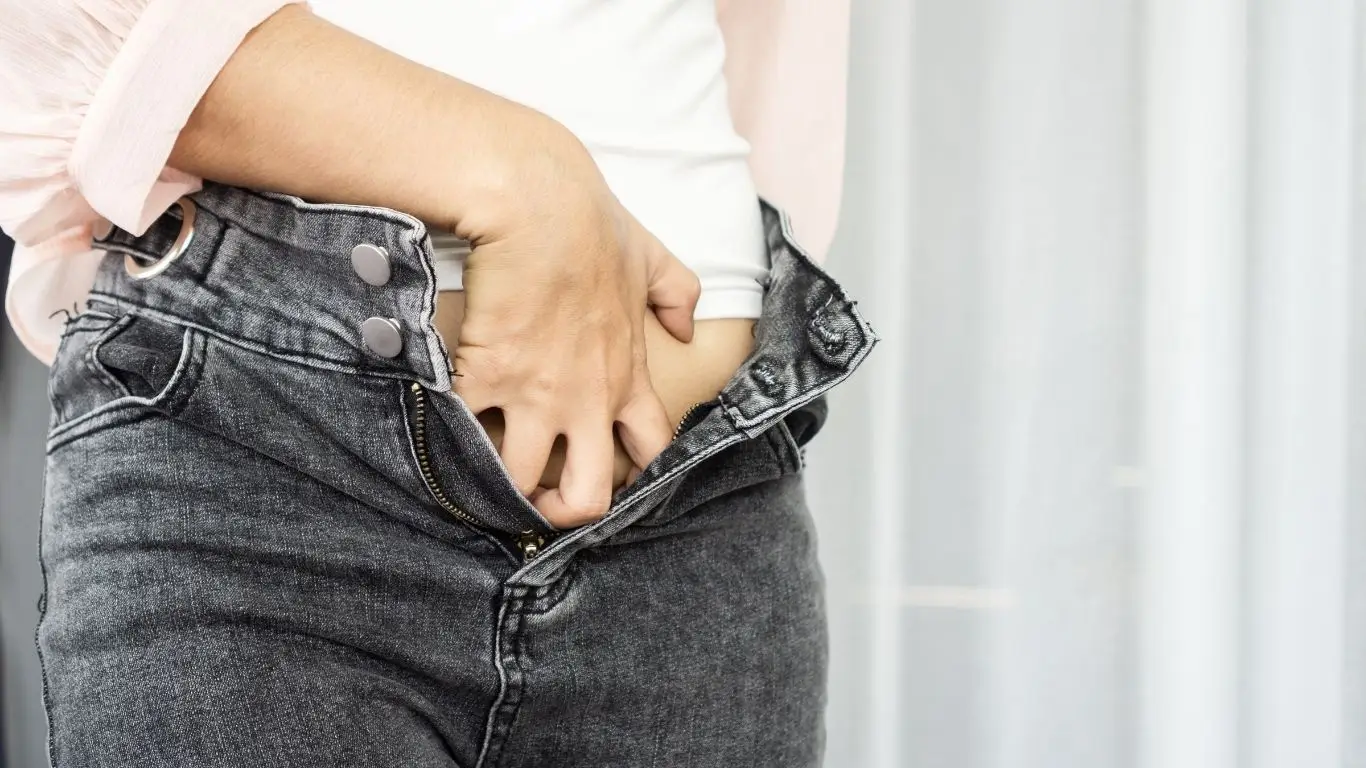
This part doesn’t get enough attention. BV can make you feel dirty or broken—especially when you’re already vulnerable from childbirth. I felt embarrassed, ashamed, and honestly, just tired of feeling “off.” But it’s not your fault. BV isn’t about cleanliness. It’s chemistry. And it’s far more common than you’d think.
Having a support system, even just one friend to text at midnight, made a huge difference for me. If you feel alone in this, know there’s a whole tribe of moms who’ve been through it. And if you need to understand the bigger picture about this condition, start here: Bacterial Vaginosis Main Pillar Guide. It has everything from causes to recovery plans.
And if you’re exploring this because you’re dealing with multiple symptoms or unsure if it’s BV or something else? You’ll want to dive into this comprehensive guide on symptoms and signs of BV.

Dr. Gwenna Aazee is a board-certified Internal Medicine Physician with a special focus on hypertension management, chronic disease prevention, and patient education. With years of experience in both clinical practice and medical writing, she’s passionate about turning evidence-based medicine into accessible, actionable advice. Through her work at Healthusias.com, Dr. Aazee empowers readers to take charge of their health with confidence and clarity. Off the clock, she enjoys deep dives into nutrition research, long walks with her rescue pup, and simplifying medical jargon one article at a time.