Why Tactile Aura Migraine Numbness Feels So Overwhelming
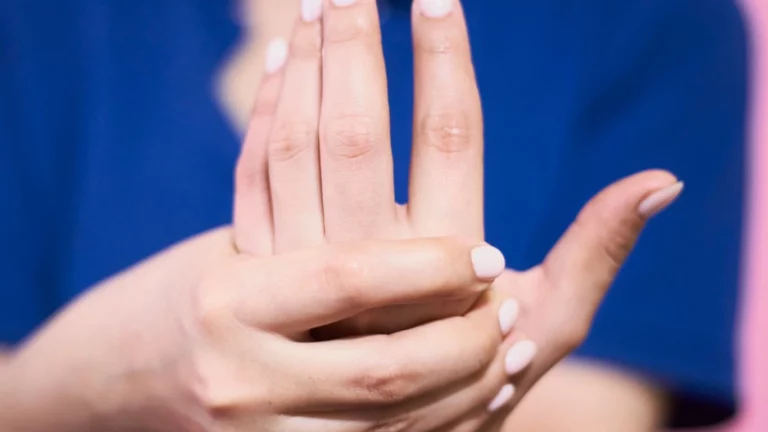
It started with a faint tingle in my fingertips — not painful, not alarming, just… odd. Almost like my skin had fallen asleep without warning. A few minutes later, a slow-burning wave of numbness crept up my arm. Then came the migraine. If this sounds familiar, you might be dealing with a tactile aura migraine — a lesser-known but incredibly disruptive form of migraine that includes numbness or sensory disturbances before the headache hits.
What Is a Tactile Aura Migraine?
A tactile aura migraine, sometimes called a migraine with somatosensory aura, presents with physical sensations like tingling, pins and needles, or numbness — usually preceding the headache phase. While visual auras (like flashing lights or blind spots) tend to dominate discussions around migraines, the tactile form is under-recognized and often misunderstood.
Unlike tension headaches or standard migraines, the symptoms here start in your skin. The aura usually travels slowly — beginning in the hand or face and spreading gradually. It’s disorienting, especially if you’re not expecting it, and can be misdiagnosed as a neurological event like a mini-stroke.
How Numbness Manifests in Migraine Aura
The numbness or tingling sensation typically follows a pattern. It often begins on one side of the body and migrates — fingers, arm, face, or even tongue. For me, it starts in my palm and crawls up toward my cheek, like an invisible current just beneath the skin.
This progression may last anywhere from 20 minutes to over an hour and is typically followed by a pounding migraine. Interestingly, the numbness doesn’t always align with the pain — sometimes the headache shows up on the opposite side. That unpredictability is one of the hallmarks of migraine with aura.
Common Sensory Symptoms to Watch For:
- Paresthesia – tingling or “pins and needles”
- Numbness – often on one side, gradually spreading
- Skin sensitivity – even light touch feels exaggerated
- Electric shock sensations – rare, but disorienting
Some people also report speech difficulties or facial drooping, which understandably causes panic. While rare, these symptoms resemble a hemiplegic migraine — a more severe subtype that may mimic a stroke.
What Causes This Type of Aura?
Researchers believe cortical spreading depression (CSD) — a slow wave of electrical activity across the brain — is the primary mechanism behind migraine auras, including tactile ones. As this wave moves, it temporarily disrupts normal brain function in the areas it crosses, including those responsible for touch and sensation.
For example, if the wave hits the somatosensory cortex — the part of your brain that processes touch — you’ll likely experience numbness or tingling. If it crosses the visual cortex, you get visual aura. Simple as that… sort of.
While there’s still a lot to uncover, studies from ncbi.nlm.nih.gov and aan.com suggest that genetics play a role too. If your parent has aura symptoms, your odds increase significantly.
Triggers You May Not Realize Are Connected
Over the years, I’ve learned that certain situations practically guarantee an aura episode. Bright light through the windshield while driving? That’s one. Skipping lunch? Another. But I also found some subtle ones I never suspected until I started journaling my symptoms (which I highly recommend — here’s a handy migraine diary guide if you’re curious).
Potential Triggers:
- Sleep changes – too much or too little throws off your neurochemistry
- Dehydration – surprisingly common and sneaky
- Hormonal shifts – ovulation and periods often worsen aura symptoms
- Screen glare or flickering lights – especially LEDs
- Skipped meals or low blood sugar
- Weather changes – barometric pressure is a big player
To dive deeper into how external factors might influence your attacks, check out our guide on weather-triggered migraines or explore the impacts of hormonal migraine triggers.
Diagnosis: It’s Not Always Clear-Cut
One of the challenges with tactile aura migraines is that they’re often confused with more serious neurological issues — particularly stroke or epilepsy. It’s not uncommon to end up in the ER the first time it happens, like I did, fearing something far worse.
If you suspect this is what you’re experiencing, see a neurologist who’s familiar with migraine subtypes. A proper diagnosis is essential, especially if your symptoms are progressing or feel different from your usual pattern.
For more information on diagnosis protocols and screening, visit our full overview on understanding migraines or check out the core main migraine pillar for broader context.
Living With Tactile Aura Migraines: Managing the Unseen
It took me months — honestly, years — to stop being afraid of the numbness every time it came. There’s this split-second moment of panic, especially when it hits my lips or tongue. It’s scary. But the more I learned to manage the early tactile warning signs, the more I regained a sense of control over my body and my day.
Let’s face it — living with this type of migraine isn’t just about surviving the headache. It’s also about navigating the lead-up, that surreal stage when your skin betrays you before your head explodes. There’s no universal fix, but a handful of strategies really changed the game for me.
Practical Tips That Actually Help:
- Track patterns – I use a digital journal to log every episode and identify sneaky triggers (heat, dehydration, weird sleep cycles).
- Hydration rules – I underestimated water until I connected dehydration to my worst tactile auras. Now I keep electrolyte tablets on hand.
- Light blockers – Blue light glasses saved me from digital triggers. I switch screens to “night mode” all day, not just evenings. Bonus: reduced eye strain headaches too. Here’s more on screen settings to reduce migraines.
- Emergency snacks – Skipped meals bring on fast numbness for me. I stash protein bars in my glove box and bag now — zero excuses.
- Stretch and ground – Light yoga or pressure-point massage sometimes prevents the aura from escalating. Learn how to use pressure points for relief.
When to Worry: Signs You Shouldn’t Ignore
Let’s be real — migraine with tactile aura can look dangerously like something else. You should never assume all numbness is “just migraine.” I’ve made that mistake once before, and it landed me in a neurologist’s office with a battery of tests.
Red Flags to Get Checked Immediately:
- Sudden onset of numbness or tingling without your usual warning signs
- Facial drooping or slurred speech
- Unusual weakness that lingers beyond your normal episode window
- Loss of coordination or confusion
- First-time experience of numbness aura — always worth a neurologist visit
While rare, some migraine types like hemiplegic migraines can mimic strokes. Always err on the side of caution.
Treatment Options: What Works (and What Didn’t)
I’ve cycled through the usual suspects: NSAIDs, triptans, meditation apps, herbal teas, cold compresses — some helped, some didn’t. But for tactile aura migraines, early intervention is everything. You need to catch it during the aura window or before it fully escalates.
Pharmaceutical Options:
- Triptans – work well if taken during aura, not after pain starts
- Magnesium supplements – recommended by many neurologists, especially for aura types (more on magnesium and migraines)
- CGRP inhibitors – like Aimovig or Emgality, prescribed for prevention
Natural Remedies That Help Some People:
- Butterbur and feverfew – common herbs used in migraine prevention
- Essential oils – peppermint or lavender during aura phase (use carefully)
- Biofeedback therapy – helps you “train” your body’s stress response
If you prefer holistic approaches, our guide to natural migraine remedies breaks them down in practical, science-backed terms.
Lifestyle Tweaks That Make a Bigger Difference Than You’d Think
What’s helped me most is consistency. Not just meds or hacks — lifestyle rhythm. I get up the same time every day (even weekends), I limit caffeine swings, and I treat aura days like signals to slow down instead of power through.
Things I Stick to Religiously:
- Soft lighting at home — nothing fluorescent
- Noise-canceling headphones when overstimulated
- Weekly yoga or tai chi — for blood flow and balance
- Nighttime wind-down rituals — screen off, low lighting, calming music
- Sleep habits that support migraine stability
If your symptoms flare up during hormonal shifts or sleep cycle disruptions, you might also benefit from the guide on migraine and sleep disorders. I found tons of hidden connections there that made a big difference.
Support and Validation Matter More Than We Think
Living with tactile aura migraine numbness can be lonely, especially when your symptoms don’t “look” serious to others. But let me tell you — the discomfort is real, the fear is real, and the frustration is valid. What helped me most (besides treatment) was joining a support group. Other people describing the same weird numb hand thing made me feel seen.
If you’re still figuring out your pattern, I recommend starting with the Understanding Migraines pillar and exploring the full Main Migraine Resource for deep dives into triggers, types, and tools you may not have heard of yet.

Bianca Nala is a compassionate Nurse Practitioner with a strong background in primary and respiratory care. As a health writer for Healthusias.com, she combines her clinical expertise with a talent for clear, relatable storytelling to help readers better understand their health. Bianca focuses on topics like asthma, COPD, chronic cough, and overall lung health, aiming to simplify complex medical topics without losing accuracy. Whether she’s treating patients or writing articles, Bianca is driven by a single goal: making quality healthcare knowledge accessible to everyone.