Smart Insoles and Gait Correction Can Ease Your Back Pain Fast
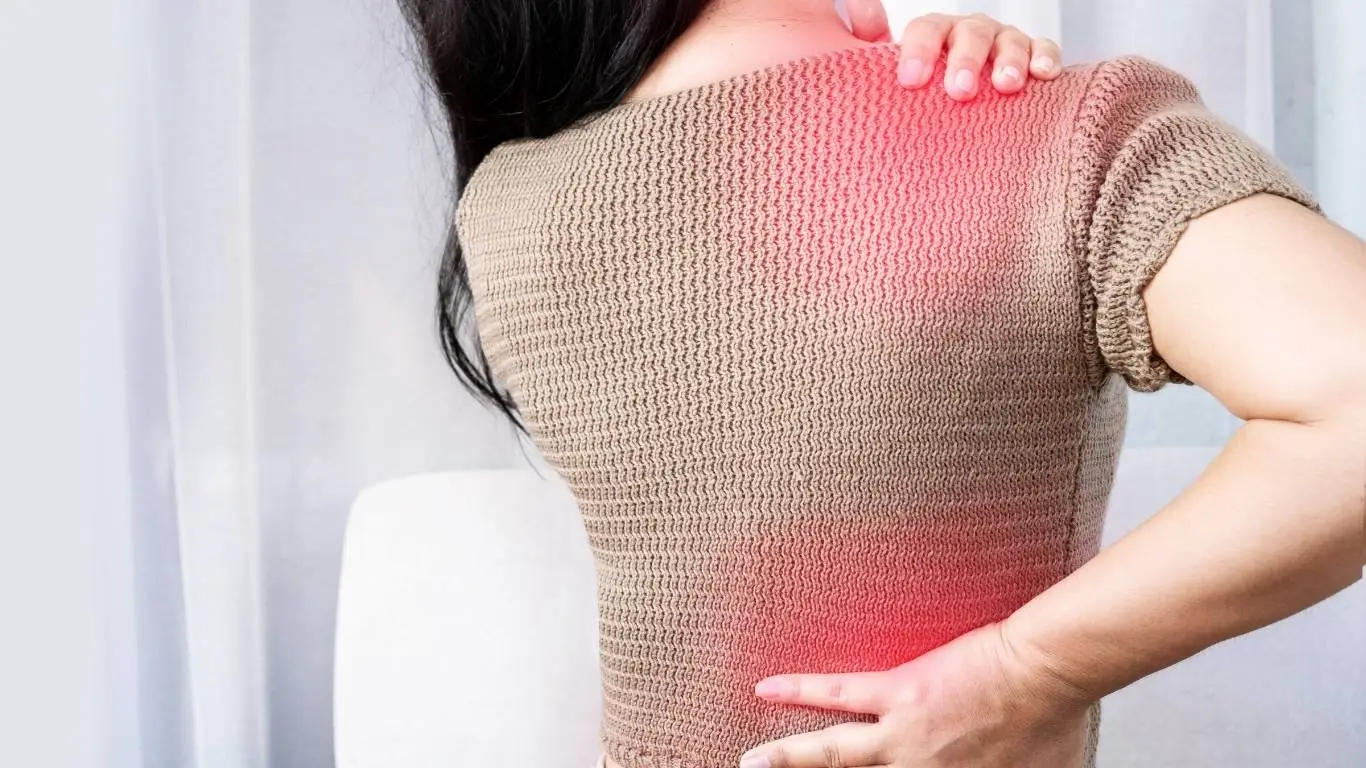
Ever noticed how a small tweak in your walk can change the way your whole body feels? Yeah, I didn’t think much of it either—until I found myself battling lower back pain that just wouldn’t go away. Turns out, the way I was walking was silently setting me up for discomfort. That’s when I stumbled upon smart insoles. These nifty little devices didn’t just change how I move—they reshaped my relationship with back pain. Here’s what I learned.
Why Your Feet Might Be to Blame for Your Back Pain

Most people don’t connect their feet to their spine, but here’s the truth: your gait—how you walk—affects everything up the chain. If your foot strikes the ground unevenly or rolls inward too much (a common issue called overpronation), your knees compensate. Your hips shift. Your spine adjusts. And bam—back pain.
Studies from https://www.ncbi.nlm.nih.gov have shown a direct correlation between poor gait mechanics and spinal load distribution. If you’re dealing with chronic lower or mid-back pain and haven’t looked at your walking pattern, you might be missing the root cause entirely.
What Exactly Are Smart Insoles?

Smart insoles are not your average shoe inserts. These tech-forward insoles come with built-in sensors that track data in real-time—think foot pressure, stride length, arch support, and balance. Some even connect to your phone and give you a visual breakdown of your gait.
I tried one of the more popular brands on the market. At first, it felt a little like stepping into the future. Within minutes, it showed I was favoring my left leg slightly and shifting weight to my toes instead of my heels—habits I didn’t even realize I had. Over time, these micro-imbalances lead to spine stress and that familiar backache many of us brush off.
How Smart Insoles Help with Gait Correction
Gait correction isn’t about forcing your body into some idealized posture. It’s about feedback and awareness. That’s what smart insoles deliver:
- Real-time feedback: They alert you when your foot strike or balance is off.
- Customized guidance: Some pair with apps that offer daily tips and exercises to improve your stride.
- Long-term tracking: You can monitor progress over weeks or months and adjust routines as needed.
It’s one thing to hear “you walk funny,” and another to see exactly how and where your steps go wrong. Smart insoles give you that power—and they do it in a subtle, private way that’s perfect if you’re not quite ready to see a specialist.
What I Noticed After a Month of Using Smart Insoles

After four weeks, here’s what changed for me:
- My morning stiffness decreased—especially after getting out of bed.
- I stopped leaning forward when walking (an old bad habit).
- Most importantly, my lower back pain, especially the deep ache I used to feel after sitting too long, eased significantly.
These results didn’t just “happen.” I was following suggestions from the app paired with my insoles. That included short back stretches in the morning, being mindful of foot placement, and walking more mindfully—like, actually thinking about how my feet hit the ground instead of just going through the motions.
Should Everyone Try Smart Insoles?

Honestly? No. If you have structural issues—say, scoliosis or lumbar radiculopathy—you’ll probably need more than insoles. But if your back pain is functional, posture-related, or caused by lifestyle (think sitting too much, walking in bad shoes, or ignoring muscle imbalances), smart insoles might be your secret weapon.
Before investing, though, it’s worth exploring other ergonomic upgrades too. For example, I paired my insole use with a standing desk setup and made sure my office chair actually supported my lumbar curve.
And let’s be real—some days I forget to wear them. But even then, the awareness they’ve given me sticks. I walk differently now. I sit more consciously. I even stretch without feeling like it’s a chore.
Where This Fits in Your Back Pain Toolkit
If you’re already working on lifestyle shifts—like tweaking your daily habits or dialing in your diet—it’s worth considering your gait as well. Smart insoles don’t solve everything, but they give you insights most of us didn’t know we needed.
For a broader understanding of how movement, posture, and ergonomics tie together with pain, check out our guide on exercise, rehabilitation, and ergonomics. You can also explore the full picture at our main back pain hub filled with helpful resources.
Common Gait Issues That Contribute to Back Pain

If you’ve never had a gait analysis done, you might be surprised at what it reveals. I sure was. I assumed my sneakers and morning walks kept me aligned—but I was wrong. Here’s what commonly pops up for folks like me:
- Overpronation: Feet rolling inward too much, flattening the arches, and rotating the knees inward.
- Supination: The opposite—feet rolling outward, which leads to poor shock absorption.
- Asymmetrical stride: One leg might step slightly longer than the other, causing pelvic tilting and uneven spinal load.
- Heel striking: Landing heavily on your heels instead of distributing weight through the midfoot.
Any of these—if left unchecked—can lead to compensations that over time result in muscle imbalances, disc compression, or even nerve pain. It’s wild how something so “simple” can spiral into weeks (or months) of nagging discomfort.
Pairing Smart Insoles with Other Tools
When I started using smart insoles, I didn’t stop there. I took it as a sign to overhaul how I approached movement. It wasn’t about “fixing” back pain in one go—it was about creating better habits around it. Here’s what helped:
- Foam rolling the calves and hamstrings to reduce tension in the posterior chain.
- Using a posture reminder app to stay mindful of slouching while working.
- Taking micro-breaks every 25–30 minutes during desk work. Even just walking barefoot for a minute helped reset my gait.
- Wearing proper shoes at home, especially if you’re on hard floors like tile or hardwood.
These paired beautifully with the insights my smart insoles gave me. And I’m not exaggerating—it felt like I was rewiring how I moved, one step at a time.
What About People with Flat Feet or High Arches?
This was something I asked a physical therapist about. Turns out, both extremes—flat feet and super-high arches—affect gait differently. Smart insoles can help identify these patterns, but personalized support (sometimes through orthotics or guided rehab) is crucial.
For people with flat feet, lower back pain is more common due to collapsed arches shifting the pelvis. On the other hand, high arches often mean poor shock absorption, which rattles the spine with each step.
If that sounds like you, look for smart insoles that offer both analysis and real-time pressure mapping. Some models even allow custom calibration based on your foot type.
Real-World Use Cases for Smart Insoles

This isn’t just about techy solutions for fitness enthusiasts. I’ve seen smart insoles work wonders for:
- Runners trying to fix posture and avoid injuries like running-related back pain.
- Teachers or nurses on their feet all day trying to ease daily tension.
- Office workers pairing them with better chair setups.
- Older adults dealing with balance issues and age-related back stiffness.
That’s the thing about these insoles—they’re simple, accessible, and scalable to your lifestyle. No gym required. No equipment. Just walk.
But Are They Worth It?
Honestly, yes. Especially if you’ve already tried other fixes like stretching, medication, or chiropractic adjustments and nothing seems to stick. The long-term benefit isn’t just about pain relief. It’s the confidence that you’re finally addressing the cause—not just treating symptoms.
Plus, they can be a great complement to other interventions like conservative treatments, which are often recommended before jumping into invasive options.
The Future of Gait-Aware Pain Management
We’re heading into an era where wearables will play a bigger role in how we manage pain and move throughout the day. From AI-enhanced insoles to posture-tracking smartwatches, the idea is simple: more awareness equals less strain.
And for those like me who’ve dealt with lingering discomfort for years, that’s huge. I no longer see my back pain as this mysterious curse. It’s data. It’s habits. And now, it’s manageable.
Ready to explore more about how your movement habits and muscle balance impact pain? Don’t miss our deeper guide on rehabilitation and gait ergonomics. You’ll also find holistic strategies on our main back pain hub that tie it all together.

Camellia Wulansari is a dedicated Medical Assistant at a local clinic and a passionate health writer at Healthusias.com. With years of hands-on experience in patient care and a deep interest in preventive medicine, she bridges the gap between clinical knowledge and accessible health information. Camellia specializes in writing about digestive health, chronic conditions like GERD and hypertension, respiratory issues, and autoimmune diseases, aiming to empower readers with practical, easy-to-understand insights. When she’s not assisting patients or writing, you’ll find her enjoying quiet mornings with coffee and a medical journal in hand—or jamming to her favorite metal band, Lamb of God.