Can Bacterial Vaginosis Clear Up On Its Own or Get Worse Fast?
Bacterial vaginosis—ugh, I remember the first time I had to Google it. That awkward search, trying to find answers without panicking. If you’re here wondering, can bacterial vaginosis clear up on its own?, you’re definitely not alone. I’ve been there, and so have millions of women silently dealing with it, often unsure whether to rush to the clinic or wait it out. So, let’s break this down—informally, but factually.
What Exactly Is Bacterial Vaginosis (BV)?
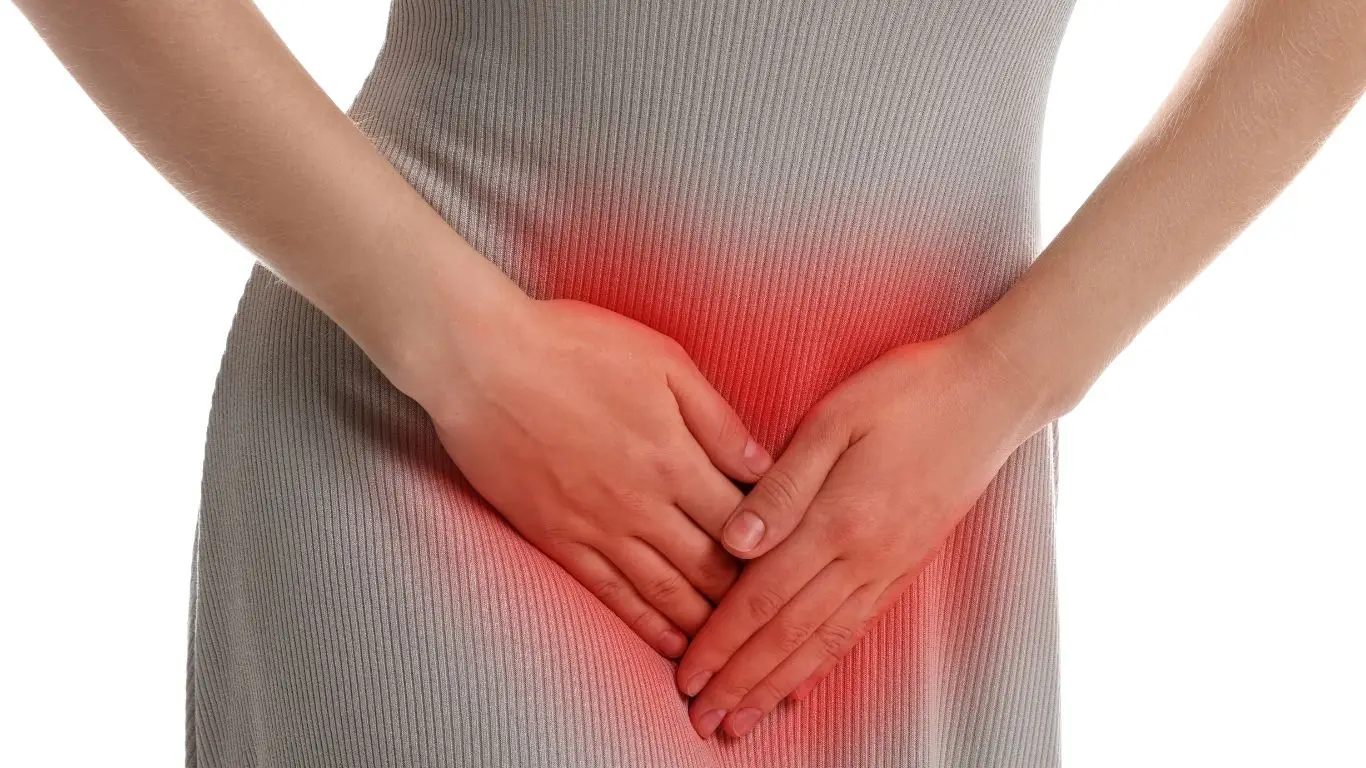
BV is one of the most common vaginal conditions, especially among women of reproductive age. It’s not technically an infection like a yeast infection—more like a disruption. The healthy balance of vaginal flora shifts, and harmful bacteria start to overgrow. Suddenly, there’s odor, discharge, discomfort, or—sometimes—nothing at all. Yep, you can have BV without symptoms (source).
Can It Really Clear Up Without Treatment?

This is the big question—and honestly, the answer isn’t black and white. Yes, in some mild cases, BV may clear up on its own. Especially when it’s triggered by things like a temporary change in pH (after your period or new soap, maybe), your body sometimes resets. But here’s where I want to get real with you: just hoping it goes away isn’t always the best bet.
In one instance, I ignored that odd discharge and mild fishy smell thinking it might vanish on its own—it didn’t. It got worse, and then I needed antibiotics. That’s not to scare you but to say, our bodies can be resilient, but they also send signals for a reason.
When It Might Clear Up Naturally

1. Mild, First-Time BV
If you’ve never had BV before, and the symptoms are super mild (maybe just a little odor or slight discharge), there’s a small chance your vaginal microbiome can rebalance itself. This especially applies if the cause was short-term (like after menstruation—read more).
2. Healthy Lifestyle
Sometimes the best medicine is what you’re already doing: good sleep, staying hydrated, a diet with fermented foods and no sugar overload. Those with healthier habits tend to bounce back faster from minor imbalances. Check out how diet influences vaginal bacteria.
3. No High-Risk Factors
Not sexually active? Not douching? No recent antibiotics? You’ve got better odds of BV resolving naturally than someone who checks all those boxes. But if you’re doing any of those things, it’s best to evaluate your habits—these hygiene habits might be making things worse.
When It Probably Won’t Go Away On Its Own

Let’s not sugarcoat this—BV usually needs treatment. Especially if:
- The odor is getting stronger
- You’ve had BV before (hello, repeat offender!)
- It’s been more than a week and no change
- You’re pregnant or planning to be
- You’re experiencing any unusual discharge or itching
In fact, untreated BV can lead to other issues. It’s been linked with higher risks of STIs, pelvic inflammatory disease, and even pregnancy complications (see why that matters). Not something to ignore.
Pregnant? Definitely don’t wait it out. BV during pregnancy is tricky. Check out our detailed post on BV treatment while pregnant and consult your doctor.
What You Can Do While You Wait (If You Decide to Wait)

If you’re in that “wait and see” phase, here’s how to support your body naturally:
- Use probiotics – Not just any probiotic. You want ones with strains like Lactobacillus rhamnosus or reuteri. Yes, yogurt helps, but supplements are more targeted. More here: best probiotics for BV.
- Skip scented stuff – That vanilla-scented soap? Toss it. Opt for pH-balanced, fragrance-free products like those listed here.
- Loose clothing & cotton underwear – Yep, grandma had it right. Your vagina needs to breathe (underwear tips for prevention).
When to Seek Help Without Question

If your symptoms linger, worsen, or if this is your second, third, or—let’s be honest—tenth round of BV, don’t mess around. Your OB-GYN can do a quick swab, confirm it’s BV (not something else like a yeast infection—differences matter), and prescribe metronidazole or clindamycin if needed. I’ve had both—pill and gel—and honestly, the gel was easier on my gut.
Also, if you’re tired of repeat BV, dive deeper into long-term solutions—this guide helped me get off the hamster wheel of recurrence.
For a more complete understanding of BV, including symptoms and causes, don’t miss our symptoms guide and the main overview at healthusias.com/bacterial-vaginosis/.
Want to explore the role of vaginal health in your broader lifestyle? The lifestyle-based BV prevention tips are a great place to start. Also, don’t skip our comprehensive guide to natural treatments using apple cider vinegar—yes, it actually helped me during one flare-up.
And if you’re curious about how BV ties into other reproductive health issues, including those that relate to special populations, visit our detailed guide on recurrence causes and prevention and the broader BV Pillar Page that covers everything from causes to long-term strategies.
Don’t forget, your starting point for a bigger picture of vaginal and reproductive health can always be the main healthusias.com health hub.
What Happens If You Don’t Treat BV?

I get it. Sometimes life gets in the way. You’re too busy, you’re hoping it’ll go away, or honestly, you just don’t feel like dealing with it. But here’s the thing—BV left untreated is not harmless. It might seem minor at first, especially if the smell goes away for a while. But under the radar, that bacterial imbalance could be setting the stage for more serious issues.
Research from ncbi.nlm.nih.gov and cdc.gov links untreated BV with increased vulnerability to STIs like chlamydia and gonorrhea. It can also raise your risk for pelvic inflammatory disease (PID), which can lead to fertility complications. Honestly, the more I learned, the more I regretted not taking action sooner during my own second bout of BV.
Increased Risk for Pregnant Women
Pregnancy and BV are a complicated combo. If you’re expecting or trying, untreated BV can increase risks of preterm birth, low birth weight, and even miscarriage in rare cases. Not trying to freak anyone out, but this is one of those times when playing it safe with treatment matters—here’s the science.
What Actually Works for Clearing BV?

If you’re past the “wait and see” phase, you’ve got a few solid routes. The conventional go-to is metronidazole—either as a pill or a vaginal gel. Clindamycin is another option. But be warned: antibiotics often clear the symptoms, but BV likes to boomerang back. According to multiple studies, up to 50% of women experience recurrence within six months.
So what’s a girl supposed to do? For me, it was a combination approach: conventional meds + lifestyle changes + daily probiotics. And it worked. No recurrences in over a year now (knock on wood).
Natural Options That Help (When Used Smartly)
Natural doesn’t mean risk-free—but some home remedies have legit benefits when used correctly:
- Apple cider vinegar: Can help rebalance vaginal pH. How to use it safely
- Probiotics: Both oral and vaginal ones are shown to lower recurrence. Best strains for BV
- Tea tree oil: A powerful natural antibacterial, but use with caution—dilution is key. Application guide
I’ve used all three at different points, and while they’re not always miracle cures, they’ve definitely helped with maintenance and preventing relapses. Especially probiotics—I swear by them now.
How to Keep BV from Coming Back

This is the real challenge, right? Even after you get rid of it, BV can come creeping back. But it doesn’t have to. Here’s what worked for me and what experts generally recommend:
1. Build a BV-Friendly Routine
Your hygiene routine matters—big time. Skip the scented washes, douches, and harsh soaps. Your vagina is self-cleaning; it doesn’t need help. I switched to a pH-balanced wash years ago, and it made a difference. Check out how to clean properly without disrupting pH.
2. Reinforce with Probiotics
Daily probiotics became my ride-or-die. Not just during treatment, but as a maintenance tool. Especially important if you’re on antibiotics or prone to recurring BV. Read about how often to take them.
3. Post-Antibiotic Healing Plan
Antibiotics wipe out both bad and good bacteria. So after treatment, you need to rebuild. I followed a post-treatment plan involving probiotic-rich foods (yogurt, kefir), supplements, and minimal sugar intake for a few weeks. It’s all in this post-antibiotic recovery guide.
4. Tweak Your Lifestyle
I know—changing habits is hard. But little things matter: breathable underwear, wiping front to back, managing stress (yes, stress affects BV), staying hydrated, and avoiding unnecessary antibiotics. Here’s a guide to lifestyle shifts that make a difference.
How Do You Know If It’s Gone?

No more odor, no abnormal discharge, and you feel like yourself again. That’s the general sign it’s cleared. But it’s also easy to mistake a temporary pause in symptoms for a cure. I once thought mine was gone after three days—only to have it return full-force a week later.
If you’re unsure, you can always check out this quick breakdown: How to know for sure BV is gone. It also covers when to retest and what symptoms to keep an eye on.
Still dealing with confusing symptoms like burning but no discharge? You’re not imagining things. Some types of BV present differently. Learn more here: atypical BV signs.
The Bottom Line: Listen to Your Body

At the end of the day, your body knows when something’s off. BV might clear up on its own, sure—but for most of us, it needs attention. I’ve learned to trust my gut (and my nose, let’s be honest), and to take action early. Whether you’re team “watch and wait” or “treat it fast,” understanding how BV works is your best defense.
Explore more in-depth info on causes, treatments, prevention, and long-term strategies in our Bacterial Vaginosis Pillar Page. It’s the ultimate hub if you’re tired of guesswork and just want clear, straight-up facts (and real-life advice).
Need to understand how BV fits into overall women’s health? Check out our main women’s health guide—because vaginal health isn’t just a footnote, it’s a key chapter in your overall well-being.

Dr. Gwenna Aazee is a board-certified Internal Medicine Physician with a special focus on hypertension management, chronic disease prevention, and patient education. With years of experience in both clinical practice and medical writing, she’s passionate about turning evidence-based medicine into accessible, actionable advice. Through her work at Healthusias.com, Dr. Aazee empowers readers to take charge of their health with confidence and clarity. Off the clock, she enjoys deep dives into nutrition research, long walks with her rescue pup, and simplifying medical jargon one article at a time.