Why Floaters Seen During Breathing Exercises May Worsen
So there I was, laying on my yoga mat in my tiny apartment, mid-breath, when I noticed something odd—these squiggly little shapes drifting across my vision like lazy jellyfish. It wasn’t the first time, but it was the first time I noticed them specifically when doing deep breathing exercises. If you’ve ever spotted these floaty specs during meditation or breathwork, welcome to the club. It’s weird, it’s common, and yes, it can be annoying as hell. Let’s break it all down and make sense of what’s actually going on with floaters that pop up during those mindful moments.
Why Do Eye Floaters Show Up During Breathing Exercises?
When you’re breathing deeply, you’re not just filling your lungs — you’re changing pressure in your body, especially in your head and eyes. That subtle shift might be why those tiny translucent strands, dots, or cobweb-like forms show up front and center. These are what we call eye floaters, and they’re often more noticeable when your eyes are still, and your attention isn’t pulled elsewhere.
Breathing exercises can lower your heart rate and reduce your blood pressure. In that more relaxed state, the vitreous humor (the jelly-like substance in your eye) can shift slightly, which might make floaters drift into your line of vision.
Floaters Aren’t “New,” They’re Just More Obvious
Here’s something I learned from my optometrist (shout out to Dr. Feldman) — floaters are always there, but you usually don’t see them because your brain filters them out. During breathing exercises, especially in quiet or softly lit rooms, your brain isn’t as distracted, so you notice them more. That’s especially true if you’re staring at a blank ceiling or closing your eyes with light filtering through your eyelids.
What Exactly Are These Floaters?
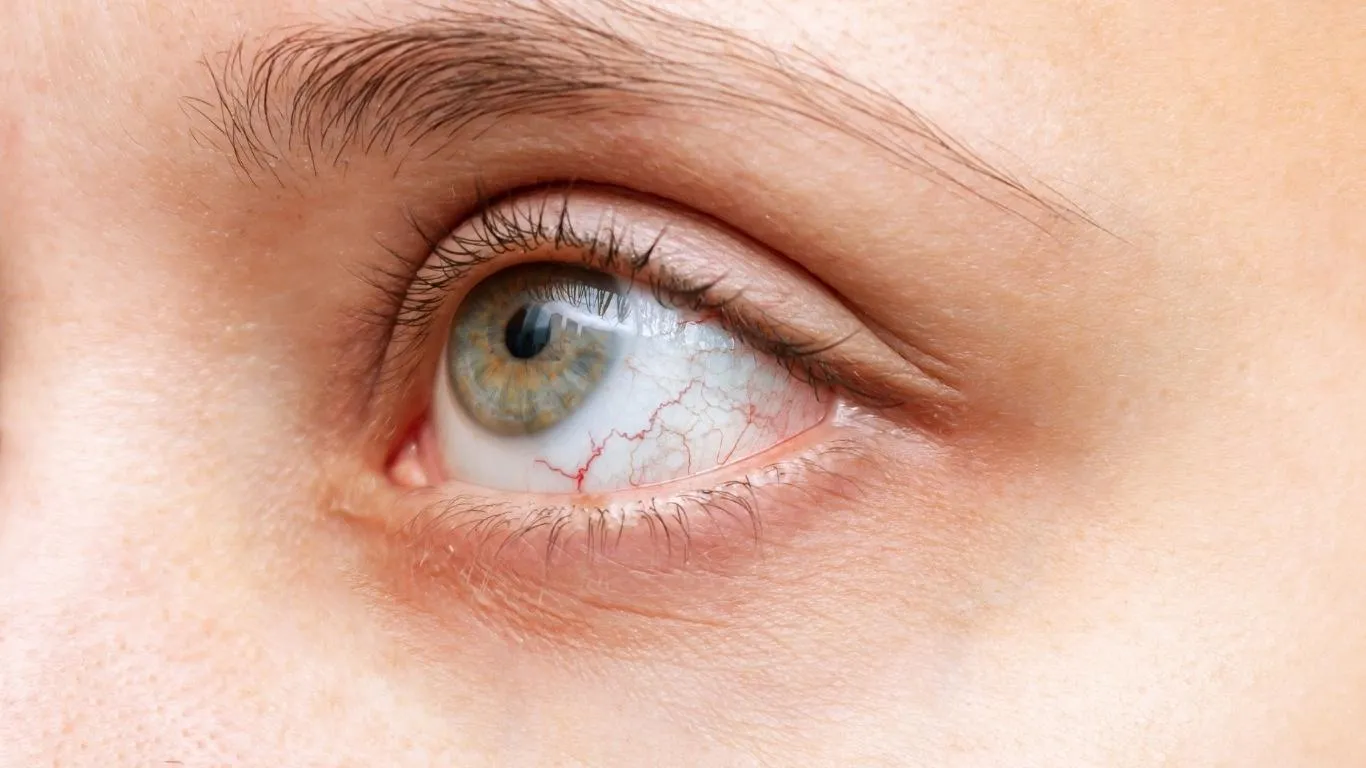
Floaters are tiny clumps of gel or cells inside the vitreous humor of your eye. Most of the time, they’re harmless, just little bits of debris floating in the gelatinous soup that fills your eyeball. When light comes into your eye, these clumps cast shadows on your retina, and boom—you see floaters.
- They’re more common as you age—your vitreous starts to shrink and pull away from the retina, a process called posterior vitreous detachment (PVD).
- They’re more visible in bright conditions, like doing pranayama near a window or under studio lighting.
- They move when your eyes move and seem to “drift” when you stop moving your eyes—classic floater behavior.
Check out the article on how to recognize eye floaters and their symptoms to be sure you’re dealing with floaters and not something more serious.
Why They’re More Noticeable With Breathwork or Meditation
This part clicked for me while reading a deep-dive on floaters in different light conditions—when you’re meditating or doing slow breathing, your environment plays a big role. A softly lit room, your eyes slightly open or closed, even focusing on your breath with your eyes pointed upward—all of these give floaters a literal spotlight to do their thing.
Also, deep breathing increases oxygen to your brain and eyes. While that’s great, it can subtly alter fluid dynamics in your eyes. For some people, this makes existing floaters more prominent during those mindful moments.
The Eye-Brain Connection
Your brain filters tons of visual data every second. But when you’re still, focused, and relaxed, it lets in details you’d normally ignore. That hyper-awareness is part of what makes mindfulness so powerful—and ironically why floaters become so annoying during those calm moments.
Are Floaters During Breathing Exercises a Warning Sign?
Here’s the good news — in most cases, they’re not a danger sign. But if you suddenly notice a burst of floaters, flashes of light, or a dark curtain coming down over your vision, that’s a red flag. In that case, skip the next breathing session and see an eye doctor ASAP.
If your floaters come on gradually and always seem worse during breathing sessions or when you’re relaxing, it’s likely just your environment and focus making them more obvious.
Still not sure? Here’s a great breakdown from the signs floaters may be dangerous article to give you peace of mind.
Can Breathing Techniques Make Floaters Worse?
Not directly. Breathing doesn’t cause floaters, but if you already have them, breathing exercises may just make them more visible. Think of it like using a flashlight in a dusty room—you didn’t create the dust, but you sure can see it better.
Floaters can appear more intense with:
- Strong lighting overhead
- Eyes focusing on a blank surface (like a ceiling)
- Being super still—no eye movement means floaters just hang in place
If this is frustrating, I get it. Sometimes during long breath sessions, I just open my eyes and give them a little movement to shift those floaters out of the center of my vision. Simple, but effective.
Some Tips That Helped Me
- Use dim, diffused light during breathing exercises. Direct light makes floaters pop.
- Keep your eyes moving slightly between inhales and exhales. Just a soft shift side to side.
- Hydrate more often. I noticed fewer floaters after bumping up my water intake — and I later stumbled across this tip in a hydration and floaters article.
For a comprehensive breakdown on causes beyond breathwork, see the main guide to causes, symptoms, and treatment of floaters.
How to Reduce the Distraction of Floaters During Breathing Sessions
I’ll be honest—there were weeks when I nearly gave up on my daily breathwork because those floaters were all I could see. They’d swirl into focus the moment I tried to zone out. But after a lot of trial and error (and a couple of late-night Google spirals), I found a few ways to make floaters less intrusive without sacrificing the calm of a good breathing session.
Light and Contrast Make a Big Difference
Floaters love contrast. A bright ceiling, white walls, or sunlight coming through a window? Prime visibility conditions. When I started dimming the lights, pulling down sheer curtains, or facing a textured wall instead of the ceiling, things changed fast. Suddenly, the floaters didn’t have a high-contrast background to show off against.
Try this:
- Use warm ambient light instead of cold, bright overheads.
- Lie down facing something with subtle texture or color, like a patterned yoga blanket.
- Avoid staring up into light diffusing through your eyelids — even that can make floaters pop out more.
I found this tip echoed in an article about artificial lighting and floaters—a super underrated factor that’s worth tweaking.
Are There Exercises That Actually Reduce Floaters?
Yes and no. There’s no proven way to get rid of floaters with exercises alone, but I did come across some eye movement practices and lifestyle tips that helped me notice them less—and over time, that was enough.
Simple Eye Movements to Try
These are great to do before you settle into a breathing routine:
- Gently roll your eyes clockwise, then counterclockwise (5 reps each)
- Look far left, hold 3 seconds; far right, hold 3 seconds
- Blink rapidly for 10 seconds, then close eyes and breathe slowly
Doing these resets the visual field and can shift floaters out of the center of your focus. Bonus: it feels oddly refreshing. This approach is supported in an in-depth post on floaters and eye exercises.
Can Supplements or Diet Help Floaters Go Away?
Okay, real talk—there’s no magic vitamin that zaps floaters instantly. But improving your eye health can help the vitreous stay clearer and healthier over time. I started adding more lutein-rich foods (like kale and eggs), upping my hydration, and yes, I tested a few supplements too.
Here’s what’s commonly recommended:
- Lutein and zeaxanthin — for retina and macula health
- Vitamin C — helps with collagen integrity in the eye
- Omega-3s — support fluid balance and inflammation
This isn’t just anecdotal—many of these are covered in detail in this guide on floaters and supplements.
When Floaters Mean Something More Serious
While most floaters are harmless, there are times when they might signal something bigger. That’s the one part of this journey I didn’t mess around with. If you’re seeing:
- A sudden explosion of new floaters
- Bright flashes of light (like camera flashes)
- Shadow or curtain-like shapes blocking part of your vision
Don’t wait—those are classic signs of a possible retinal tear or detachment. I read up on this after a friend ignored hers and ended up needing emergency surgery. No joke. This comparison guide between floaters and other eye problems was extremely helpful in understanding what to watch for.
Breathwork-Friendly Tips for Living With Floaters
Look, if you’re someone who leans on breathwork, meditation, or yoga to manage stress or anxiety, floaters shouldn’t be the thing that breaks your flow. Here’s how I adapted and kept going:
- Eyes half-open: instead of fully closing your eyes, try a soft gaze downward.
- Focus inward, not up: avoid eye positioning that sends your gaze straight up toward bright ceilings.
- Audio-based sessions: guided breathing or meditations with soothing voice prompts helped me keep focus away from visual distractions.
In time, your brain really does start to ignore the floaters again. I went from obsessing over them during every session to barely noticing them at all.
If you’re looking to understand everything floaters can stem from—aging, injury, infection, or pressure changes—definitely read the full breakdown in this detailed guide on floaters.

Camellia Wulansari is a dedicated Medical Assistant at a local clinic and a passionate health writer at Healthusias.com. With years of hands-on experience in patient care and a deep interest in preventive medicine, she bridges the gap between clinical knowledge and accessible health information. Camellia specializes in writing about digestive health, chronic conditions like GERD and hypertension, respiratory issues, and autoimmune diseases, aiming to empower readers with practical, easy-to-understand insights. When she’s not assisting patients or writing, you’ll find her enjoying quiet mornings with coffee and a medical journal in hand—or jamming to her favorite metal band, Lamb of God.