Why Floaters Get Worse After Long Journaling Sessions
Last week, while wrapping up another marathon journaling session—tea on one side, calming playlist on the other—I noticed something odd. Those familiar little specks and squiggles started dancing across my vision again. “Here we go,” I thought. If you’re like me and enjoy writing for long stretches, you might have also seen those annoying floaters sneak in and steal the clarity from your page. But what’s the real connection between intense journaling and these visual distractions?
Why Floaters Seem to Pop Up After Deep Writing Sessions
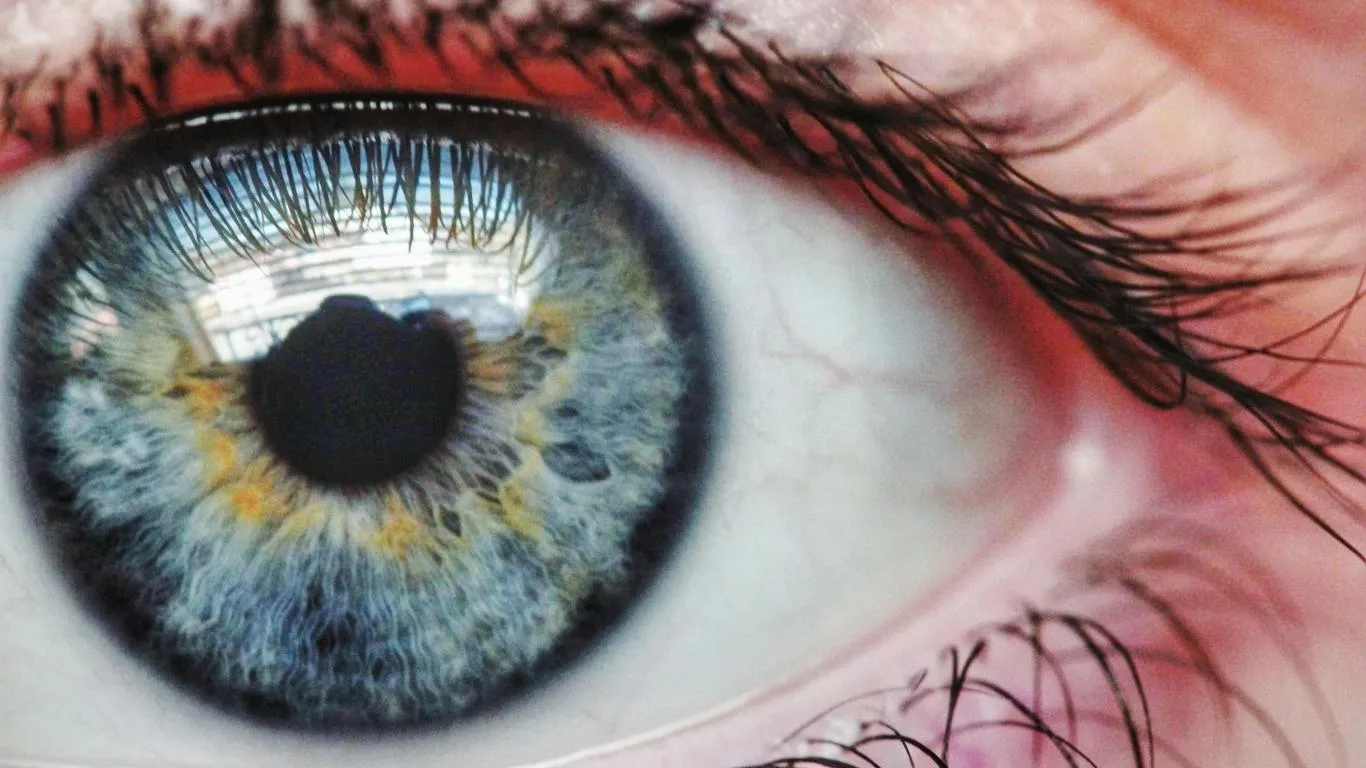
First, let’s get the basics straight. Eye floaters are tiny bits of collagen or other tissue that cast shadows on the retina. They often look like cobwebs, dots, or thread-like shapes and move when your eyes move.
Now, here’s the kicker—when you’re deep into journaling, your eyes don’t move around much. You’re staring at a fixed point, probably under soft light, with reduced blinking. This combo can dry out your eyes, cause temporary strain, and make floaters more obvious. It doesn’t mean the floaters weren’t there before; they’re just more noticeable now.
The Posture Connection
I used to write hunched over my notebook, elbows on the table, neck craned. Turns out, posture during long writing sessions may affect eye floaters too. Slouching restricts circulation and oxygenation to the head and eyes. Less blood flow means your eyes get a little “tired” faster—potentially amplifying the shadows that floaters cast.
- Neck tension can reduce eye comfort
- Poor spinal alignment might disrupt blood delivery to ocular tissues
- Shoulder stiffness may worsen overall eye fatigue
Could Journaling Stress Be a Subtle Trigger?
Let’s be honest—journaling can be therapeutic, but also intense. I’ve poured out emotions on paper that I wouldn’t say aloud. Stress, even when released through writing, causes your body to react. Your cortisol levels may spike, your heart rate may subtly increase, and your eye muscles might tense. This internal response? It can temporarily heighten your awareness of floaters.
There’s research tying anxiety and stress with floaters. The connection isn’t imaginary. Floaters might not increase in number during journaling, but your perception of them might.
Lighting Matters More Than You Think
My journaling corner used to have those cozy Edison bulbs—moody but dim. I later learned that low or uneven lighting makes floaters stand out more. That contrast between dark ink and bright paper under uneven light? It creates the perfect backdrop for those annoying floaters to show up uninvited.
This might explain why floaters become more visible against bright or high-contrast surfaces like a white page.
Top Lighting Tips to Minimize Floater Visibility
- Use soft white LED desk lamps for even lighting
- Avoid direct overhead light that casts shadows
- Opt for a matte journal paper over glossy finishes
Dehydration: A Silent Culprit During Long Writing Routines
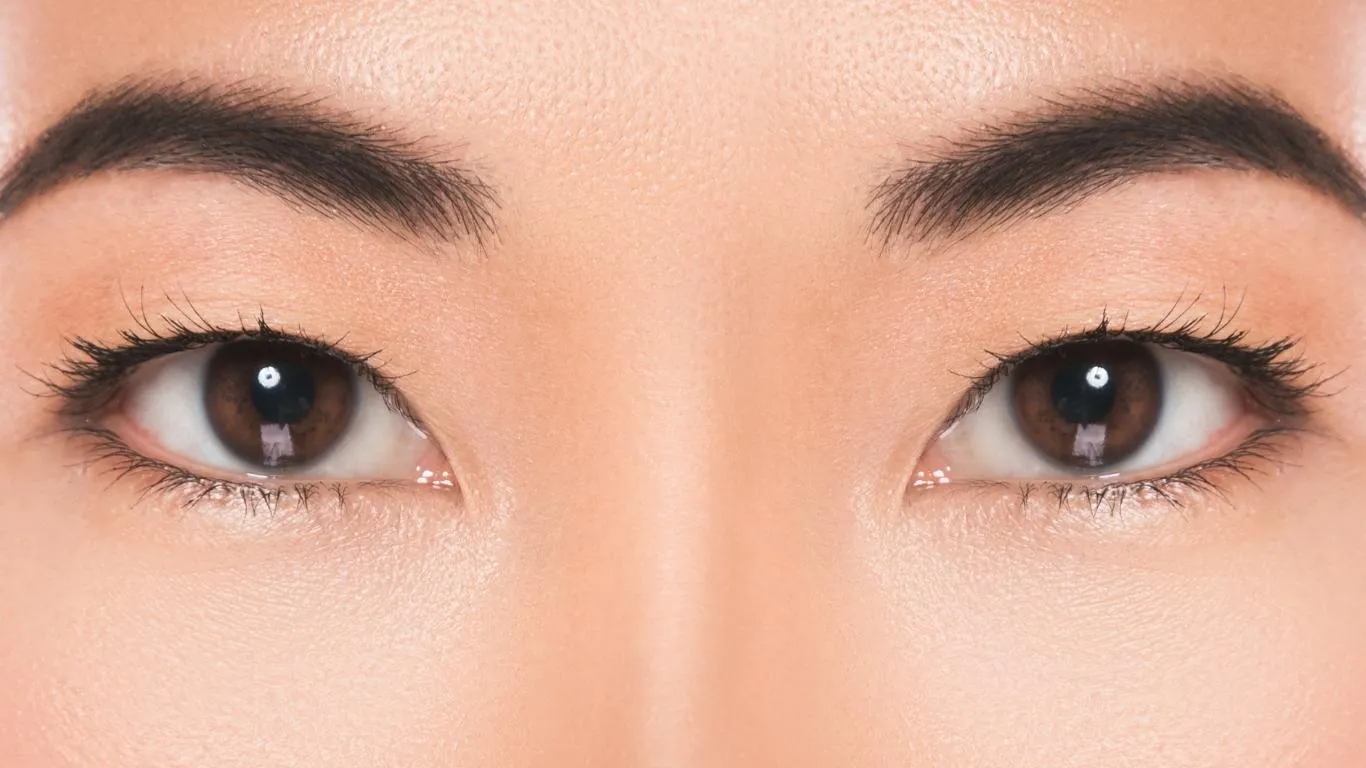
Confession: I often forget to drink water while writing. It’s not just bad for your kidneys—dehydration can exacerbate floater visibility too. A dry vitreous (the gel-like substance in your eye) tends to shrink and pull away from the retina, making existing floaters more mobile and prominent.
If you’ve been staring at your journal for two hours and haven’t touched your water bottle, there’s a strong chance your floaters are making an unnecessary appearance.
See more on the impact of hydration in this hydration-focused article from our archive.
How Journaling Habits Might Reveal Underlying Eye Conditions
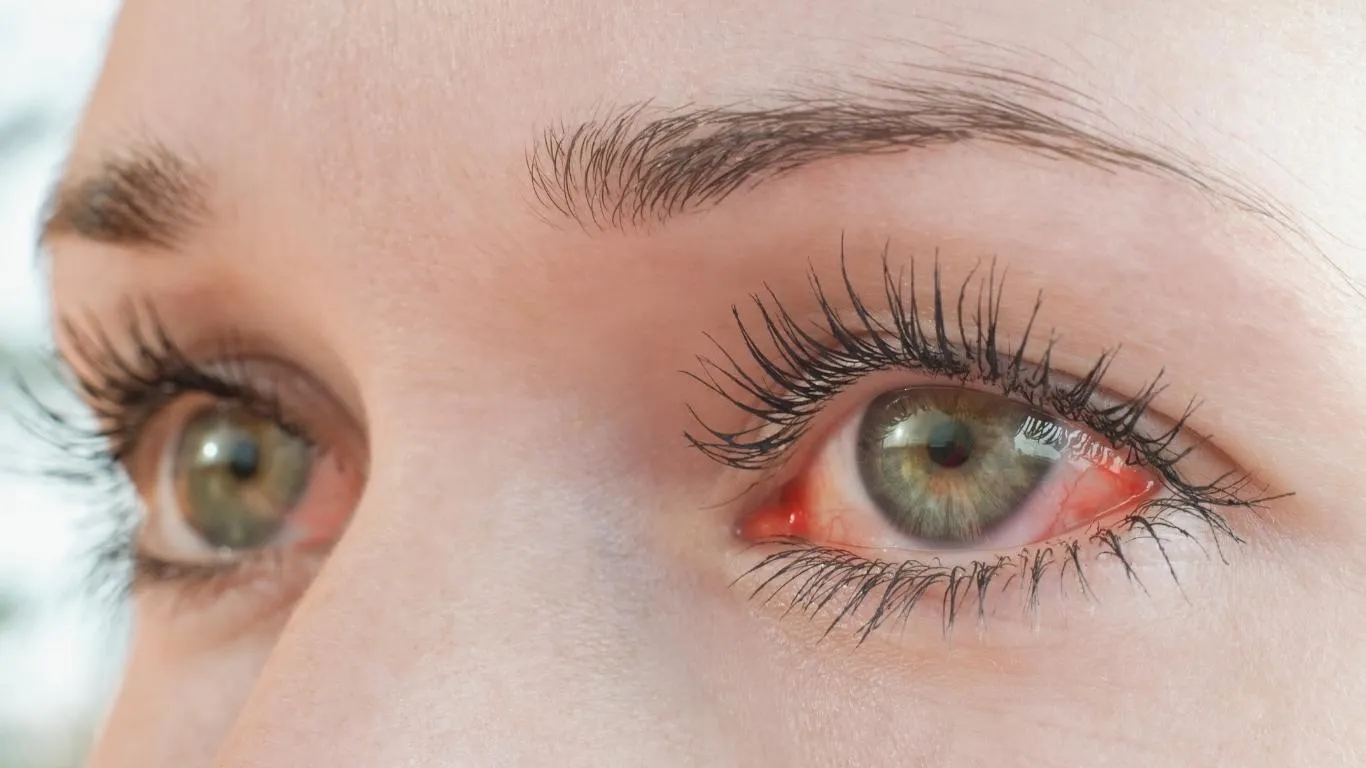
If floaters only appear after journaling and fade away later, it’s likely nothing serious. But if they start sticking around longer, getting darker, or appearing with flashes of light or blurring—stop reading and start dialing your eye doctor.
It could indicate posterior vitreous detachment or even early signs of retinal trouble. See our in-depth breakdown of dangerous floaters to know when it’s time to worry.
As noted in our main floaters guide, sudden floater increases, especially post-stress or extended eye use, deserve professional attention.
When to Book an Eye Check Immediately
- You see a curtain-like shadow in your vision
- Floaters appear with light flashes
- Floaters don’t fade even after breaks or rest
For a deeper dive into floater symptoms that shouldn’t be ignored, check out our symptom recognition article.
Practical Fixes That Actually Help Floaters During Journaling
While floaters don’t vanish completely (unfortunately), I’ve picked up a few habits that genuinely help during long journaling stretches:
- Blink more often: Set a soft metronome if needed.
- Hydrate before and during writing: Keep a bottle right on the table.
- Use clean, soft lighting: Natural light with diffused LED helps.
- Change gaze frequently: Look up and into the distance every 15-20 minutes.
- Eye drops: Preservative-free lubricating drops reduce dryness-related floater annoyance.
If floaters are starting to disrupt your concentration or peace while journaling, you’re not imagining it. But they don’t have to ruin your favorite ritual either. There’s hope and better ways to manage their impact while still enjoying every pen stroke.
Eye Exercises That Help While Writing or Journaling
One thing I’ve learned the hard way—your eyes need breaks just like your hands do. You wouldn’t write non-stop for hours without stretching your fingers, so why treat your vision differently?
When I started doing simple eye exercises designed to reduce floaters during journaling breaks, I noticed fewer distractions across the page. These quick routines help improve eye fluid movement and keep your gaze active, minimizing floater perception.
My Go-To Eye Movement Routine
- Palming: Rub your hands and cup your eyes for 30 seconds
- Figure 8 tracing with the eyes: 1 minute clockwise, 1 minute counter-clockwise
- Near-far focusing: Look at your pen tip, then out the window, back and forth
These take less than 5 minutes but make a noticeable difference—especially during longer writing sprees.
Can Blue Light Glasses Make It Worse?
This surprised me: after switching to a pair of trendy blue light glasses, my floaters started feeling more vivid. Turns out, certain lenses can sharpen contrast, unintentionally making floaters more obvious against white journal pages or digital notes.
We dove deeper into this topic in our breakdown on how blue light glasses may enhance floater visibility. If you’re wearing these during journaling and your floaters seem bolder, it might be time to swap lenses or adjust lighting instead.
Could Mental Fatigue Be Fueling the Floaters?
After particularly emotional or intense journaling sessions, I’d notice my floaters became almost hypnotic—following my every word. It wasn’t just my eyes—it was mental fatigue, too. When you’re mentally drained, your perception becomes more sensitive to minor distractions like floaters.
Our bodies are wired to over-focus on little disturbances when we’re tired. And according to sources like ncbi.nlm.nih.gov, cognitive load can increase sensory sensitivity, which includes your visual processing.
It’s a good idea to break your journaling into shorter sessions. 20-30 minutes at a time with breathing exercises in between works wonders. Pair this with natural lighting, and you’ll instantly reduce mental and visual clutter.
Nutrition Tips for Clearer Vision
Here’s a personal shift I didn’t expect to help as much as it did: diet. Once I added more lutein-rich foods and omega-3s to my meals, I noticed a subtle but steady decrease in floater irritation. They didn’t disappear, but they stopped stealing my focus mid-sentence.
Try incorporating these daily:
- Spinach, kale, and egg yolks (lutein)
- Chia seeds, salmon, walnuts (omega-3s)
- Hydration: Aim for 8+ glasses of water daily
You can learn more from our coverage on dietary improvements for managing floaters.
When Floaters Need Real Attention
If floaters only creep up after journaling, they’re probably harmless. But if they’re growing in size, becoming more frequent, or showing up alongside light flashes, it’s time to get serious. One of the most common causes of persistent floaters in adults is posterior vitreous detachment (PVD).
Our main resource dives into causes, symptoms, and treatment options at healthusias.com’s floater overview. It’s worth bookmarking if floaters start to shift from “occasional annoyance” to “daily visual disruption.”
Making Journaling Enjoyable Again (Without Floaters Ruining the Flow)

Look, journaling is one of those sacred self-care routines that shouldn’t be compromised by visual static. Since implementing small changes—better posture, breaks, lighting, hydration—I’ve reclaimed the calm and focus I used to love about writing.
Here’s a quick recap checklist I still keep taped to my desk:
- Use matte, cream-colored journals to reduce contrast
- Hydrate before writing, not just after
- Switch eye focus every 20 minutes
- Eye drops during dry seasons
- Don’t journal in total silence—soft background sound helps
For more insight into how to manage floaters with calm, non-invasive options, check out our natural remedies article—it busts myths and offers real strategies that work long-term.

Camellia Wulansari is a dedicated Medical Assistant at a local clinic and a passionate health writer at Healthusias.com. With years of hands-on experience in patient care and a deep interest in preventive medicine, she bridges the gap between clinical knowledge and accessible health information. Camellia specializes in writing about digestive health, chronic conditions like GERD and hypertension, respiratory issues, and autoimmune diseases, aiming to empower readers with practical, easy-to-understand insights. When she’s not assisting patients or writing, you’ll find her enjoying quiet mornings with coffee and a medical journal in hand—or jamming to her favorite metal band, Lamb of God.