How to Prevent High-Altitude Migraines Before They Start
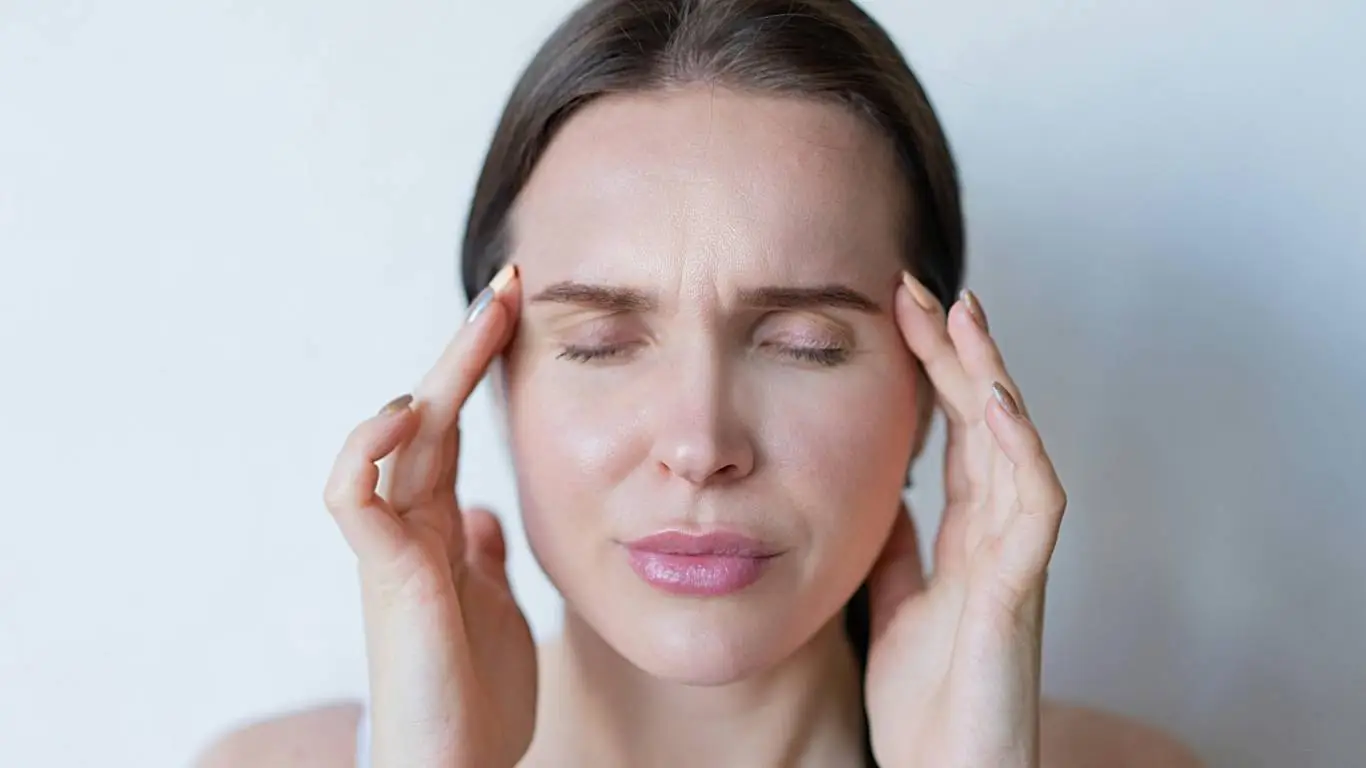
As someone who’s spent a fair bit of time hiking in the Rockies and even once embarrassingly puked mid-trek thanks to a pounding headache, I can tell you—high altitude and migraines are not a fun combo. If you’ve ever felt your head ready to explode after a scenic climb or a high-altitude flight, you’re definitely not alone. And it’s not just a random occurrence either—altitude can genuinely trigger migraines or make existing ones way worse. Let’s unpack why that happens, what you can do about it, and how you can enjoy your adventures without your head turning into a war zone.
Why High Altitudes Can Be a Migraine Trigger

Lower Oxygen Levels and Your Brain
At high elevations, the oxygen concentration drops. Your brain, being a total oxygen hog, doesn’t love this. The reduced oxygen can cause blood vessels to dilate—a process that’s closely linked with migraine onset. I remember being in Denver for just a weekend and waking up with a dull, pounding pressure right behind my eyes. Turns out, my brain was just adjusting to the elevation (and it wasn’t happy about it).
Barometric Pressure Drops
Another major culprit is barometric pressure. As you climb higher, atmospheric pressure decreases, and this can impact the fluids and gases in your sinuses and brain. The resulting imbalance can set off a migraine like flipping a switch. According to CDC data, rapid altitude changes—like flying or driving into the mountains—are one of the lesser-discussed but real migraine triggers.
Altitude Sickness Overlap
Ever had nausea, dizziness, and a pulsating head while hiking? Yeah, could be a migraine—or it could be altitude sickness. The symptoms overlap, making it tough to tell them apart. Worse, they can stack. In fact, research shows that people prone to migraines are more likely to experience severe altitude sickness symptoms.
Who’s Most at Risk for Altitude-Related Migraines?
If you already get migraines, you’re more likely to deal with them at altitude. But even people who don’t typically suffer from migraines can get triggered. These factors make you more susceptible:
- Genetic migraine history
- Low hydration levels
- Sleep deprivation before ascent
- High stress or anxiety before or during travel
Interestingly, hormonal shifts—like during your period—can intensify the chances of a high-altitude migraine, especially if combined with jet lag or fatigue. Here’s a useful read on menstrual migraines if you suspect hormones are playing a double role.
Smart, Science-Backed Prevention Tips That Actually Work
1. Acclimate Slowly
I used to think rushing straight into the mountains gave me “real hiker” cred. Turns out, it just gave me a day-long migraine. Let your body adjust by spending a day or two at mid-altitude before climbing higher. The body needs time to adapt to oxygen and pressure changes.
2. Hydrate More Than You Think You Need
This one’s easy to ignore, but dehydration is so common at altitude. And yes, it’s also a known migraine trigger. Pack extra electrolytes or even oral rehydration salts. You’ll thank yourself later.
3. Avoid Alcohol and Caffeine Early On
Yeah, I know—no morning coffee sounds brutal. But try cutting back during your ascent. Both substances mess with hydration and blood vessels, increasing your chances of a migraine attack.
4. Sleep Strategically
Sleeping at altitude can be tough (ever tossed and turned at a mountain lodge?). But bad sleep means a higher migraine risk. Make use of sleep masks, white noise apps, or melatonin if needed. Check out these sleep habits for migraine sufferers that genuinely help.
Pack These Altitude-Specific Migraine Essentials
- Portable oxygen canisters – Lifesaver on higher climbs, especially above 8,000 ft
- Anti-nausea meds – Dramamine or ginger chews go a long way
- Prescription migraine treatments – Like triptans or CGRP inhibitors
- Compression eye mask – Reduces light sensitivity and pressure
- Hydration packs or electrolyte tabs
If you’re exploring medical options, read up on CGRP inhibitors or consult with a neurologist for migraine care. These have changed the game for many high-altitude adventurers, myself included.
Understanding the Long-Term Impact of Repeated Altitude Exposure
Here’s the kicker—repeated altitude exposure without protection can lead to more chronic migraine patterns. If you’re a climber, flight attendant, or someone who lives between altitudes often, your migraine threshold may get lower over time. Start tracking attacks with something like a migraine diary. It’s nerdy, sure—but it helps you spot patterns and time your preventative strategies better.
Don’t underestimate the role your environment plays in how your head feels. The connection between weather and migraines is real, and so is the high-altitude effect. For a deeper understanding of migraine types, triggers, and treatments, here’s the foundational pillar article on migraines. You can also explore the full overview at our main migraines hub.
Real-Life Stories and Lessons from High-Altitude Migraine Warriors

I once chatted with a fellow traveler in Cusco, Peru—she was tough as nails, former triathlete, and still found herself curled up in bed after hiking to 11,000 feet. Her story? She didn’t take her usual meds because she thought she’d outgrown migraines. Big mistake. She now swears by pre-hike magnesium and daily journaling. Honestly, hearing her story made me more cautious—and grateful I brought my migraine kit on that trip.
Another friend, a digital nomad who splits time between Mexico City and Lake Tahoe, noticed a pattern: every time she flew into a city with higher elevation, she’d get hit with a crushing migraine within hours. What helped her? Acupressure, staying ultra-hydrated on the plane, and wearing blue light glasses during travel.
These aren’t isolated cases. Whether you’re a casual traveler or a high-altitude junkie, prevention starts with paying attention to your body—and other people’s experiences can help you avoid the same pitfalls.
Holistic Tools and Natural Remedies Worth Trying

Magnesium & B Vitamins
These aren’t just trendy—they’re backed by solid studies. Magnesium deficiency is pretty common among migraine sufferers, and supplementing with Vitamin B2 or B6 can help regulate brain energy metabolism. Personally, I take a combo supplement before high-altitude trips—it’s part placebo, part real protection, and hey, it works.
Essential Oils & Acupressure
A dab of peppermint oil at the temples or behind the neck? Feels weird at first, but surprisingly effective. And acupressure bands—especially those targeting pressure points like the LI4 (between thumb and index finger)—have been helpful for me during sudden pressure drops. Here’s a great intro to using acupressure for migraine relief that actually makes sense.
Hydration with Electrolytes
This one’s non-negotiable. At higher elevations, the dry air and increased respiration dehydrate you quickly. I’ve started carrying powdered electrolytes on hikes. They make water taste better and help keep those migraine monsters at bay.
Tech and Tools Making a Difference
Wearable Migraine Devices
Devices like the Cefaly and Nerivio have been game changers for people with frequent attacks. These gadgets stimulate nerves linked to migraines and can either prevent or interrupt an attack in progress. If you’re skeptical, check out our full breakdown of migraine devices—some of them look futuristic, but the relief is very real.
Tracking Apps That Help Spot Triggers
Apps like Migraine Buddy or even simple health logs help you see trends over time. One trip might leave you fine, but another—same altitude, different conditions—wipes you out. The only way to tell what’s going on is to track consistently. Start with this guide to tracking migraine patterns.
Planning High-Altitude Trips Smarter

Being proactive matters more than you think. Here’s a quick pre-trip checklist I go through before any high-altitude excursion:
- Book flights that allow an overnight rest day before big elevation climbs
- Pack a separate bag just for migraine essentials (don’t rely on local pharmacies!)
- Have an emergency med plan—what you’ll take if an attack strikes mid-travel
- Hydrate aggressively the day before your flight or climb
- Review your migraine history and know your triggers
Watch Your Sleep & Screen Time
Sleep disruption is a huge factor at altitude. So is overstimulation from screens. Keep your phone on night mode and reduce evening use, especially when flying or staying in mountain lodges. These screen setting tips help reduce migraine risk significantly.
Staying Informed and Prepared—Not Paranoid

I’ll say this—migraines shouldn’t stop you from seeing the world. They just require a bit more preparation, awareness, and backup plans. The more you know about your body, your triggers, and your coping strategies, the better your chances of not letting a migraine hijack your high-altitude plans.
Explore more on how altitude influences migraine frequency and intensity in our deep-dive on pressure point therapies. Or jump straight into the wider ecosystem of proven prevention strategies that can support your next trip into the clouds.
For a wider overview of what’s causing your headaches and how to manage them with science-backed solutions, our main migraines and headaches hub is always updated with the latest insights.

Bianca Nala is a compassionate Nurse Practitioner with a strong background in primary and respiratory care. As a health writer for Healthusias.com, she combines her clinical expertise with a talent for clear, relatable storytelling to help readers better understand their health. Bianca focuses on topics like asthma, COPD, chronic cough, and overall lung health, aiming to simplify complex medical topics without losing accuracy. Whether she’s treating patients or writing articles, Bianca is driven by a single goal: making quality healthcare knowledge accessible to everyone.