Why Floaters Appear While Cooking Under Spotlights And How To Reduce Them
So there I was, just whipping up dinner like usual—chopping onions, sautéing garlic, when something weird caught my eye. Literally. These tiny specks started floating across my vision, dancing every time I glanced toward the stove light. At first, I thought it was steam or maybe water vapor messing with the light. But it kept happening. And honestly? It freaked me out a little. Turns out, it’s more common than you’d think—floaters appearing while cooking under spotlights is actually a thing.
What Are Eye Floaters and Why They Suddenly Show Up While Cooking?
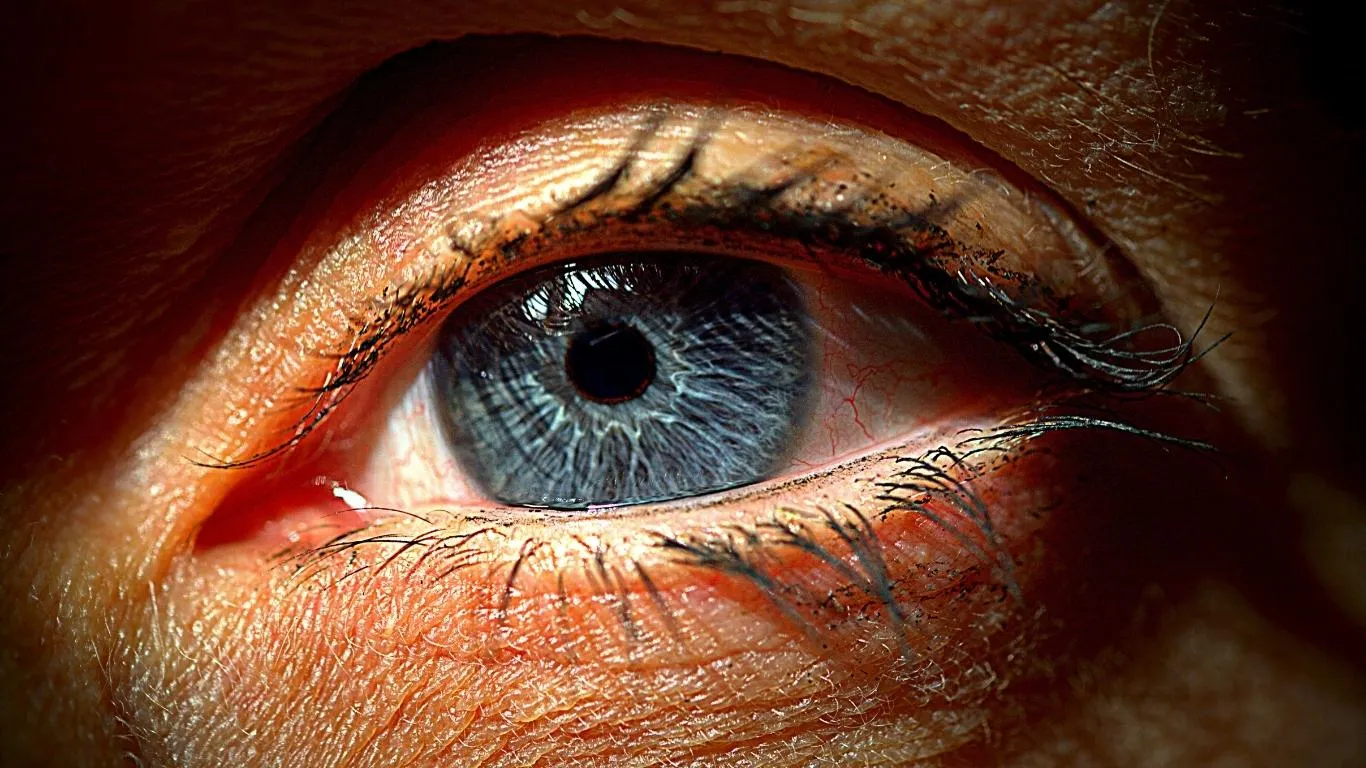
Eye floaters are those odd little threads, spots, or squiggly shapes that drift through your line of sight. They’re not on the surface of your eye—they’re actually inside the gel-like vitreous in your eyeball. Most of the time, we don’t notice them because they’re subtle or move out of focus. But toss in bright, focused light like a kitchen spotlight, and suddenly those floaters are the star of the show.
From personal experience, I’ve found they show up more when I’m facing a high-contrast background, like white walls or bright LED-lit counters. The glare seems to make them ten times more visible. It’s not just me—this visual phenomenon is well-known among people dealing with floaters. According to American Academy of Ophthalmology, lighting plays a huge role in how often we notice floaters.
Why Cooking Spotlights Specifically Make Floaters Appear
- Directional lighting: Spotlights focus light directly onto the cooking area, highlighting anything that passes in front of your eyes—floaters included.
- Bright backgrounds: Stainless steel surfaces and white countertops amplify the visibility of floaters.
- Visual fatigue: After a long day, eye strain can make your eyes more sensitive, making floaters more noticeable under kitchen lighting.
Here’s the kicker: it’s not a one-size-fits-all issue. You might not see anything while reading in a cozy nook, but step into the kitchen under recessed LEDs, and bam—floaters galore.
Could Spotlights Be a Trigger or Just a Spotlight on an Existing Issue?

Truth is, those floaters were probably already there. The light just helped you notice them. But sometimes, they really do increase or worsen under certain conditions, especially if your eye health isn’t in its prime.
For instance, people with diabetes-related eye changes are more prone to noticing floaters under intense lighting. Similarly, if you’ve recently had an eye infection or inflammation, like uveitis, floaters might become more prominent under harsh lights like spotlights.
Lighting, Contrast & Your Vitreous Humor
The vitreous—the clear gel in your eye—naturally degenerates with age. But if it starts pulling away from the retina (called posterior vitreous detachment), floaters become more than just a nuisance. Cooking lights don’t cause this directly, but they can highlight the symptoms.
Also, consider dehydration, which tends to be more common than we think during busy days when we’re cooking meals and skipping water. Dehydration affects your eye’s fluid balance, possibly amplifying existing floaters.
Is It a Sign of Something Serious? Not Always, But Don’t Brush It Off
Most floaters are harmless and just a result of aging or eye strain. But there are certain times when you need to take them seriously. If they suddenly multiply, or if you see flashes of light, shadows, or feel pressure—don’t wait. These could signal a retinal tear or detachment, which is a medical emergency.
See, a friend of mine thought her floaters were just a lighting thing, too—until she started seeing a dark curtain over her vision. Turned out it was a retinal tear. She was lucky she didn’t ignore it longer.
If you’re uncertain whether the floaters you’re seeing while cooking are harmless or a symptom of something more, check out this guide on when eye floaters could be dangerous. It’s a solid resource to know what to look out for.
Simple Adjustments to Help You Cook Without the Floaters Distraction
Alright, here’s the good news—you don’t have to live with floaters ruining your cooking vibe. While you can’t really get rid of them on the spot (no pun intended), there are some things you can do to stop noticing them so much.
- Diffuse your kitchen lighting: Swap out harsh spotlights for softer, diffused lighting that spreads evenly across the kitchen.
- Avoid white-on-white workstations: Too much contrast is a trigger. Use colored or matte surfaces when possible.
- Stay hydrated while you cook: Sounds simple, but hydration helps maintain healthy vitreous consistency.
- Limit eye fatigue: Take breaks from visually intense tasks. Avoid jumping from screens to cooking under bright lights too fast.
And if you’re curious about non-invasive ways to help manage these visual interruptions, this breakdown on natural eye floater solutions is worth a scroll-through.
More broadly, if this has become a regular thing and not just an occasional annoyance under kitchen lights, it’s a good idea to dig deeper into what’s really going on inside those eyes. This comprehensive overview is where I started my own eye health journey, and it gave me the context I needed without panic or fluff.
When Floaters While Cooking Become Unbearably Distracting
If you’re like me, you’ve probably tried to ignore them. I mean, how annoying can a few specks be, right? But when they start interrupting your focus—burnt garlic, missed steps in a recipe, squinting every few seconds under those lights—it stops being a small issue and starts affecting your daily quality of life.
That’s where you have to ask: is this just a nuisance or something deeper? In my case, the floaters weren’t multiplying, but the spotlight made them appear bigger and darker than usual. And oddly enough, they’d vanish the moment I stepped away from the stove or dimmed the overhead lights. So I started experimenting.
Little Changes That Made a Huge Difference
These adjustments helped me take back control in the kitchen:
- Switched to warmer bulbs: Cooler temperature LED lights (like 5000K+) made my floaters pop. Going warmer (2700K–3000K) toned it down.
- Added indirect lighting: A couple of under-cabinet diffused LEDs made visibility better without spotlighting my eyeballs.
- Anti-reflective lenses: I don’t wear glasses full-time, but I use blue-light-filtered lenses now when cooking, and it’s oddly helped reduce the floater contrast.
These weren’t miracle fixes. The floaters are still there. But I no longer notice them unless I really try. If you’re experiencing this while preparing food, especially if you’re dealing with floaters that only appear in bright rooms, this is your cue to start tweaking your environment, not just your vision.
When Cooking Highlights an Underlying Eye Issue
Now, here’s the not-so-fun truth. Floaters that seem more visible while cooking under spotlights can sometimes be your body’s not-so-subtle nudge to get your eyes checked. Especially if they show up with other symptoms.
If you notice:
- New flashes of light along with floaters
- Blurred peripheral vision
- Floaters that suddenly appear in clusters
- Worsening after physical strain or after intense activity
Then yes, it’s worth booking an eye exam sooner than later. And no, it’s not overreacting. Many people brush it off thinking it’s just stress or lighting. But if your retina is under stress—or worse, starting to tear—early detection makes all the difference.
Interestingly, pregnancy, hormone changes, and even blood pressure spikes (which, fun fact, I experienced during a particularly spicy dinner prep) can increase floater activity. It’s all interconnected. Spotlights aren’t the culprit; they’re just shining a literal light on what’s already going on.
Real Talk: Can You Ever Truly Get Rid of Floaters?
Short answer? Not really—not entirely, anyway. But there are legit treatment paths worth exploring, especially if they interfere with daily tasks like cooking or driving.
From Observation to Intervention
If your floaters are mild, most ophthalmologists will suggest the “wait and watch” approach. And honestly, that’s often enough. Over time, your brain gets better at tuning them out. But if they’re dominating your field of vision under every overhead light, you might look into:
- Laser vitreolysis: A laser targets and breaks up the larger floaters so they’re less visible. Some love it, some say it didn’t do much.
- Vitrectomy: This is more invasive and reserved for severe cases. It removes the vitreous gel entirely. But it comes with risks.
For a breakdown of what’s legit and what’s just online buzz, this guide on eye floater treatments is honestly one of the clearest I’ve found.
Daily Strategies That Actually Help You Forget They Exist
You don’t need a prescription or procedure to start feeling some relief. A few tweaks in your daily habits (and how you treat your peepers) can go a long way:
- Improve your posture: Slouching forward while cooking? It may worsen blood flow to the eyes, making symptoms more noticeable.
- Cut down on caffeine: Weird, but caffeine withdrawal or overconsumption can affect ocular circulation.
- Control stress: High cortisol levels have been linked to more active floaters. Managing stress might be part of the solution.
And let’s not ignore what we eat. Nutritional changes have helped many people—I’ve personally added more omega-3s, lutein, and foods high in vitamin C. Not a magic fix, but I’ll take any edge I can get.
Also, here’s where I started learning the science and reality behind floaters in a way that didn’t scare me but equipped me—the main breakdown on eye floater causes and symptoms. It’s basically your roadmap if you’re starting to take this more seriously.
When You Realize It’s Not Just the Spotlights
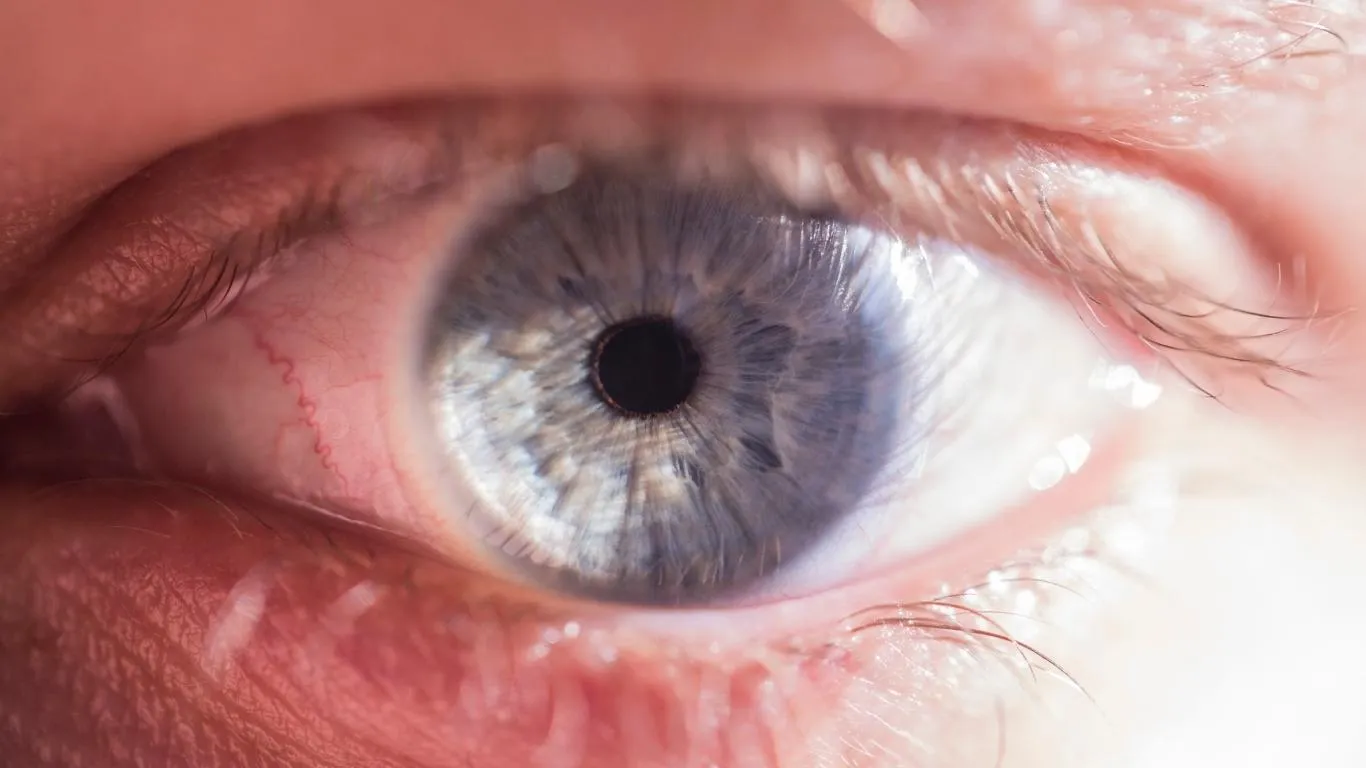
Here’s the thing: the floaters aren’t new, but your awareness of them is. Bright lighting like cooking spotlights just throws them into your field of vision in a way that’s hard to unsee. But once you understand what’s going on—and make small daily tweaks—you start to forget they’re even there.
They might not disappear entirely, but the goal isn’t perfection—it’s peace of mind. And trust me, that’s achievable.

Camellia Wulansari is a dedicated Medical Assistant at a local clinic and a passionate health writer at Healthusias.com. With years of hands-on experience in patient care and a deep interest in preventive medicine, she bridges the gap between clinical knowledge and accessible health information. Camellia specializes in writing about digestive health, chronic conditions like GERD and hypertension, respiratory issues, and autoimmune diseases, aiming to empower readers with practical, easy-to-understand insights. When she’s not assisting patients or writing, you’ll find her enjoying quiet mornings with coffee and a medical journal in hand—or jamming to her favorite metal band, Lamb of God.