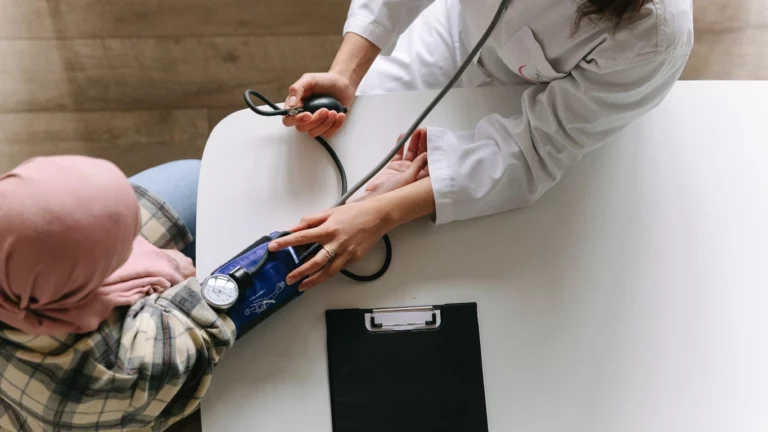
Why Does BV Smell Get Worse After Exercise? What You Should Know
Okay, let’s talk about something that no one wants to bring up at brunch but pretty much everyone wonders at some point: that not-so-fresh feeling down there after a workout. You’re drenched in sweat, your body feels amazing from the rush of endorphins… and then, bam — an unpleasant vaginal odor hits you out of nowhere. It’s not just you. And if you’re dealing with bacterial vaginosis (BV), that smell? It can feel ten times worse post-exercise. So, does BV smell get worse after exercise? Oh yes. Let’s unpack why — and more importantly, what you can actually do about it.
Why That “Off” Smell Gets Intense After a Workout

First, you’re not imagining things. It’s totally valid. I’ve personally noticed it after spin class and even just power walking on a hot day. When BV is in the mix, the natural pH balance in your vagina gets disrupted — and sweat, friction, and tight workout clothes add fuel to the fire.
Let’s Talk Science (Real Quick)
Bacterial vaginosis is caused by an overgrowth of certain “bad” bacteria that throw your vaginal microbiome out of whack. Normally, good bacteria (like lactobacilli) keep things in balance. But when BV happens, that balance is gone — and one of the most telltale signs is a strong, fishy odor, especially after sex or sweating it out.
- Heat and sweat accelerate the breakdown of bacteria
- Moist environments (hello, tight leggings) trap odor-causing bacteria
- Friction and movement stir things up — literally
So… What Does It Smell Like?
Many describe the smell as fishy or metallic. For some, it’s mustier — and definitely more noticeable after sweating. It’s often confused with yeast infections, but this guide breaks it down well if you’re wondering what you’re really dealing with.
The Exercise Connection: Why Movement Matters

Here’s the weird part — exercise itself isn’t the cause of BV, but it sure can amplify the symptoms if you already have it. It’s the conditions you create during and after your workout that make things ripe for odor:
- Humidity from sweat creates a breeding ground for anaerobic bacteria
- Compression gear holds moisture close to your skin, worsening irritation
- Lack of airflow disrupts your vagina’s ability to self-regulate pH
Trust me, switching to loose shorts for outdoor jogs helped a lot. And I always change immediately after working out — which is probably the best thing I’ve done for my downstairs health.
Post-Workout Routine That Helped Me
- Change out of workout clothes immediately
- Use unscented, pH-balanced wipes — but skip harsh soaps
- Let the area breathe — loose cotton underwear for the win
- Shower with lukewarm water (hot water can disrupt pH even more)
Keeping it simple and consistent helps more than overloading with scented products, which can actually make BV worse. If you’re wondering how to reset your pH naturally, that’s a good place to start.
Could Your Workout Routine Be Part of the Problem?

It’s not about blaming the gym. Exercise is amazing for immune health, circulation, and even hormone balance. But some factors might be worth tweaking if BV keeps coming back:
1. Type of Exercise
Spinning, hot yoga, and running in non-breathable gear can trigger flare-ups. Try alternating with low-sweat routines like Pilates or strength training to give your body (and lady parts) a break.
2. Hygiene Habits
If you’re going straight from workout to errands in your gym clothes, that’s a hard no. Sweat dries, bacteria spreads, and suddenly BV symptoms show up again. I started bringing a change of underwear and leggings in my gym bag — total game changer.
3. Period Timing
Some people notice odor flares more after their period ends. That’s because hormonal shifts affect pH, and when combined with post-period discharge and exercise, the smell gets even stronger. It’s worth reading more on BV after your period.
What Doctors and Experts Say

According to the CDC and NCBI, bacterial vaginosis is the most common vaginal condition in women ages 15–44. And yes — it’s notorious for coming back, especially if the underlying factors like hygiene and lifestyle aren’t addressed.
Some doctors are starting to recommend probiotics, not just orally but also vaginally, especially post-antibiotic treatment. Curious about this? The probiotic guide covers strains that actually help rebuild good bacteria.
For in-depth treatment options — from metronidazole to boric acid — check out the detailed boric acid guide and everything else under the BV treatment pillar.
How to Tell if It’s Actually BV or Something Else
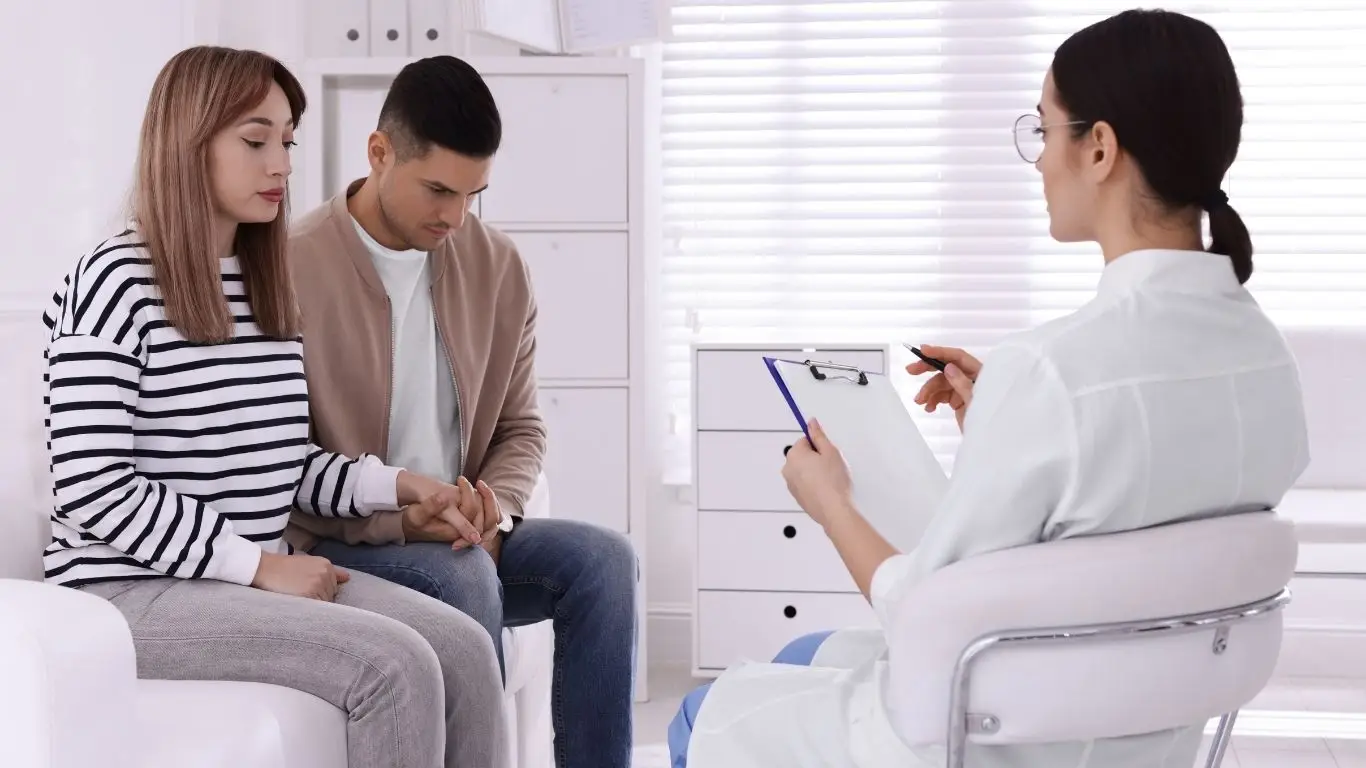
Exercise can bring out all kinds of vaginal smells — and not all of them mean BV. Here’s a quick way to know what’s normal versus not:
- Normal sweat odor: fades after a shower and doesn’t linger
- BV odor: fishy, pungent, often worse after sweating or sex
- Yeast infections: no odor, but you’ll notice itching and thick discharge
If you’re unsure, don’t guess. You can read about self-diagnosis here, but I always recommend getting a professional opinion — especially if symptoms keep coming back. There’s also a great breakdown on BV vs. Trichomoniasis which is another common confusion.
For more comprehensive insights on how BV interacts with lifestyle, including exercise and other factors, check out the dedicated page on bacterial vaginosis and the broader BV causes and risks section.
How to Keep BV Smell From Getting Worse After You Exercise

Let’s be honest — we’re not giving up our workouts just because BV is being extra. The trick is figuring out what works for your body, and your vagina. You can’t out-sweat BV, but you can absolutely outsmart it with small habit shifts.
Swap Out the Wrong Fabrics
If you’ve ever stayed in sweaty yoga pants too long and regretted it later — same. I started switching to moisture-wicking cotton-blend underwear, and it made a difference almost immediately. Skip synthetics unless they’re really breathable.
- Opt for loose-fitting shorts post-workout
- Change underwear after any sweat-heavy session — even if you can’t shower yet
- More on how underwear impacts BV
Give Your Vagina a Chance to Breathe
Literally. BV thrives in dark, warm, moist environments — so after a hot yoga class, don’t trap your lower half in damp leggings for hours. I keep an extra pair of comfy cottons in my car and change in a restroom if I’m out and about.
Be Gentle With Your Cleaning Routine
Here’s where a lot of people go wrong: trying to scrub away the smell with harsh soaps or heavily scented washes. Please don’t. You’ll only mess with your pH more.
- Stick with pH-balanced, unscented cleansers
- Rinse with lukewarm water — no need to “deep clean” inside
- Cleaning safely without disrupting your vaginal microbiome
The Role of Probiotics in Post-Exercise BV Management

One thing my OB-GYN recommended (after my third BV flare-up in one year) was incorporating probiotics into my daily routine. And wow, wish I’d started sooner.
Probiotics help maintain a healthy balance of vaginal flora. Not all are created equal, though. Look for strains like Lactobacillus rhamnosus or Lactobacillus reuteri — they’ve been shown in multiple studies to help fight recurring BV episodes.
When to Take Probiotics
I take mine right before bed, with a light snack — but here’s what matters more: consistency. Don’t skip doses and expect long-term results. Whether you choose capsules or vaginal suppositories, give it at least 2-4 weeks before judging effectiveness.
Other Remedies That Actually Help Post-Workout

Boric Acid Suppositories
Yep, they sound intense, but they’ve been a lifesaver for me. I use them a few times a week after workouts during the summer, and they really help keep odor in check. They’re especially useful if you’re prone to recurring BV. Just make sure they’re pharmacy-grade and used properly.
Get the scoop here: boric acid guide
Apple Cider Vinegar Sitz Baths
This is more of a Sunday routine than a daily fix, but soaking in warm water with a splash of organic apple cider vinegar has helped calm symptoms. ACV may help rebalance pH slightly, though results vary. Always dilute, and keep it under 15 minutes.
More on this remedy: ACV for BV: what works and what doesn’t
FAQs About BV and Exercise

Can I exercise if I currently have BV?
Absolutely — just adjust your hygiene routine. Shower right after, wear breathable fabrics, and avoid tight clothes while symptoms persist. If symptoms worsen or cause discomfort, take a day or two off.
Will BV go away if I improve my hygiene?
Hygiene helps manage symptoms but may not clear the infection completely. BV often needs medical treatment. Explore this treatment guide to understand your options.
How do I know if BV is recurring after exercise?
If the odor returns regularly after workouts, especially with thin gray discharge, you might be dealing with chronic BV. This article on recurrence triggers breaks it down.
What’s the best time to apply BV medication if I exercise?
Many prefer applying vaginal treatments like gels or suppositories before bed, to reduce leakage or movement. Avoid inserting anything right before cardio — it won’t stay where it needs to.
What Worked for Me Long-Term

What finally helped me get BV under control — and avoid the dreaded post-gym odor — wasn’t just one thing. It was a full-on shift in how I approached fitness, hygiene, and vaginal health overall. Here’s what I stick to:
- Loose, cotton underwear always — even during workouts
- Quick shower or clean-up after any workout, even short ones
- Taking probiotics daily without fail
- Using boric acid weekly (with doctor’s guidance)
- Tracking symptoms — especially before/after my period
And honestly? Talking to my doctor and not guessing made all the difference. If you haven’t already, here’s how to bring it up without awkwardness.
To go deeper into overall vaginal health, this guide on lifestyle and diet strategies is packed with things I wish I knew earlier. And don’t skip the main BV article if you’re new to this topic: Bacterial Vaginosis Explained.
For a more comprehensive resource that connects vaginal health with daily habits — including what happens during travel, work, workouts, and more — check out this great overview: BV in Daily Life: Occupation & Travel.

Dr. Gwenna Aazee is a board-certified Internal Medicine Physician with a special focus on hypertension management, chronic disease prevention, and patient education. With years of experience in both clinical practice and medical writing, she’s passionate about turning evidence-based medicine into accessible, actionable advice. Through her work at Healthusias.com, Dr. Aazee empowers readers to take charge of their health with confidence and clarity. Off the clock, she enjoys deep dives into nutrition research, long walks with her rescue pup, and simplifying medical jargon one article at a time.