Chest Pain From Anxiety Or Heart Attack? How To Tell The Scary Difference
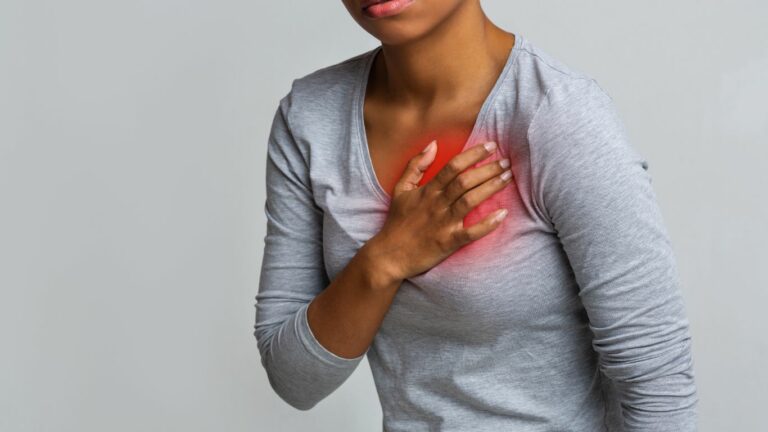
Chest pain is scary. There’s really no other way to say it. I remember sitting at my desk one afternoon, feeling this tight, nagging pain right in the center of my chest. For a split second, I thought, “Is this it? Is this a heart attack?” I was in my early 30s, relatively healthy, no major risk factors, but that didn’t stop the panic. And let me tell you—trying to Google your symptoms while your heart’s racing and your palms are sweaty? Not helpful. What I didn’t know then, and what many people still don’t realize, is just how real and overwhelming chest pain from anxiety can feel. But how do you know if it’s anxiety… or a heart attack?
Why Chest Pain from Anxiety Feels So Alarmingly Real

Chest pain caused by anxiety isn’t “in your head”—it’s real. It often stems from your body’s fight-or-flight response. When you’re anxious, your nervous system releases stress hormones like adrenaline and cortisol, which speed up your heart rate, tighten your muscles (including those around your chest), and alter your breathing. This chain reaction can easily mimic cardiac symptoms.
What It Actually Feels Like
- A sharp or stabbing pain in the chest, especially when inhaling deeply
- Chest tightness that comes and goes
- Discomfort that eases when you calm down or distract yourself
- Increased awareness of your heartbeat (sometimes described as “heart flutters”)
For me, the sensation felt like my chest was being squeezed in a vice. It didn’t help that I’d just downed a second iced coffee, which can spike anxiety levels like nobody’s business. Caffeine and anxiety are a terrible combination.
How Heart Attack Pain Typically Presents
Now let’s talk about the serious stuff. Heart attacks usually feel different, and their pain doesn’t just go away when you distract yourself. While anxiety-induced chest pain is scary, heart attack pain can be downright life-threatening—and the signs shouldn’t be brushed off.
Classic Heart Attack Symptoms
- Persistent, crushing chest pain that lasts more than a few minutes
- Pain radiating to the arms, jaw, neck, or back
- Shortness of breath not tied to panic
- Cold sweats, lightheadedness, nausea
Here’s the thing: some of these symptoms can show up in both anxiety and a heart attack. That’s what makes the distinction tough. For example, shortness of breath during an anxiety episode can mimic the breathing difficulty from a cardiac event.
The Overlap That Drives Everyone Crazy

The overlap between chest pain caused by anxiety vs heart attacks is the exact reason so many people end up in the ER. And that’s okay—better safe than sorry. Doctors take chest pain seriously, and so should you. But it’s also worth knowing how to recognize patterns.
Typical Anxiety-Driven Triggers
- Sudden onset during stressful situations
- Pain that improves with deep breathing or distraction
- History of panic or anxiety disorders
One article I came across during my panic-fueled research was a game changer: Panic disorder vs heart attack. It helped me understand that the fear of the chest pain can actually feed the anxiety, creating a vicious cycle.
Why Diagnosing the Cause Is Tricky—but Essential
If you show up at the hospital with chest pain, they’ll likely run some tests—ECG, blood work, maybe even a stress test. And thank goodness for that. But if those come back normal and your symptoms keep showing up, especially during periods of intense stress, chances are it’s anxiety-related.
This is where proper evaluation plays a crucial role. Anxiety symptoms can be physical. You’re not making them up. Medical professionals now recognize that comprehensive anxiety disorder diagnosis and assessment can be just as life-changing as ruling out a heart condition.
My First Real Wake-Up Call

After two ER visits and an overnight stay that racked up a lovely $3,800 bill, I finally sat down with a therapist. She explained that my mind and body weren’t on the same page—and that my chest pain wasn’t a heart issue, but rather my body screaming from burnout, caffeine overload, and repressed stress. That’s when I started journaling every time I felt symptoms.
One day, I wrote: “Heart racing. Tight chest. But no pain down the arm. No nausea. This is probably anxiety.” Writing it out calmed me. Journaling for anxiety has since become my go-to reset button.
When You Should Seek Emergency Help—Every Time

Here’s the bottom line: If you’re not sure, get checked. It’s not worth the risk. The best way to know if chest pain is anxiety or a heart attack is with a proper evaluation. While you can learn to recognize the differences over time, you should never self-diagnose in the moment when symptoms are new or severe.
Many people silently battle these anxiety-driven symptoms and never realize there’s an underlying pattern. Articles like how anxiety disorders quietly control your daily life show just how easily these symptoms can take over if left unchecked.
And if you’re someone who constantly finds yourself Googling symptoms in the middle of the night (been there), do yourself a favor and read this foundational piece on why chest pain from anxiety feels so real. It’s helped more than a few of us get a grip on what’s happening inside our own bodies.
How to Stop Anxiety-Driven Chest Pain Before It Starts

The first time I realized I could interrupt a chest pain spiral with simple breathing, I felt like I’d discovered a cheat code. It sounds almost too easy—but slowing your breath really does calm the nervous system. The trick is remembering to use it when your brain is on fire.
Breathing That Actually Works
- Inhale through your nose for 4 seconds
- Hold it for 4 seconds
- Exhale slowly through your mouth for 6–8 seconds
- Repeat until the pressure eases
This method, paired with evidence-backed breathing exercises, helped me reframe my relationship with chest pain. It stopped feeling like a threat and more like a signal—a reminder to slow down.
The Lifestyle Fixes That Make a Long-Term Difference

We all want the quick fix. But anxiety—especially the kind that causes chest pain—demands consistency. I started tweaking my daily routines, not overhauling them. Here’s what moved the needle for me:
- Better Sleep: Lack of rest throws everything out of whack. I now treat sleep like a prescription.
- Move Your Body: You don’t need to run marathons. Walking, stretching, or yoga can help reduce nervous energy. Check out why yoga works for anxiety.
- Watch the Fuel: I ditched the triple-shot espressos and focused on steady hydration, complex carbs, and less sugar. The changes were noticeable.
These sound simple because they are. They don’t just help your anxiety—they improve your heart health too. And if you need structure, here’s a great guide on anxiety lifestyle changes that actually work.
What Therapy Taught Me That Google Never Could

I waited way too long to talk to a professional. I thought I could “out-think” anxiety. Spoiler: you can’t. What therapy gave me—besides coping tools—was perspective. It rewired how I viewed fear. One of the most effective methods was CBT, and I’ll never forget when my therapist asked:
“What if this pain isn’t something to fight… but something to understand?”
CBT helped me untangle years of mental knots. Here’s how cognitive behavioral therapy actually works when you’re tired of just “managing.”
Other Therapies That Help with Anxiety-Related Chest Pain
- EMDR – especially for trauma-based anxiety
- ACT (Acceptance & Commitment Therapy)
- General counseling approaches for long-term support
Therapy isn’t one-size-fits-all. But it’s way more effective than late-night symptom searches (been there).
Medications and Natural Remedies: When They Make Sense
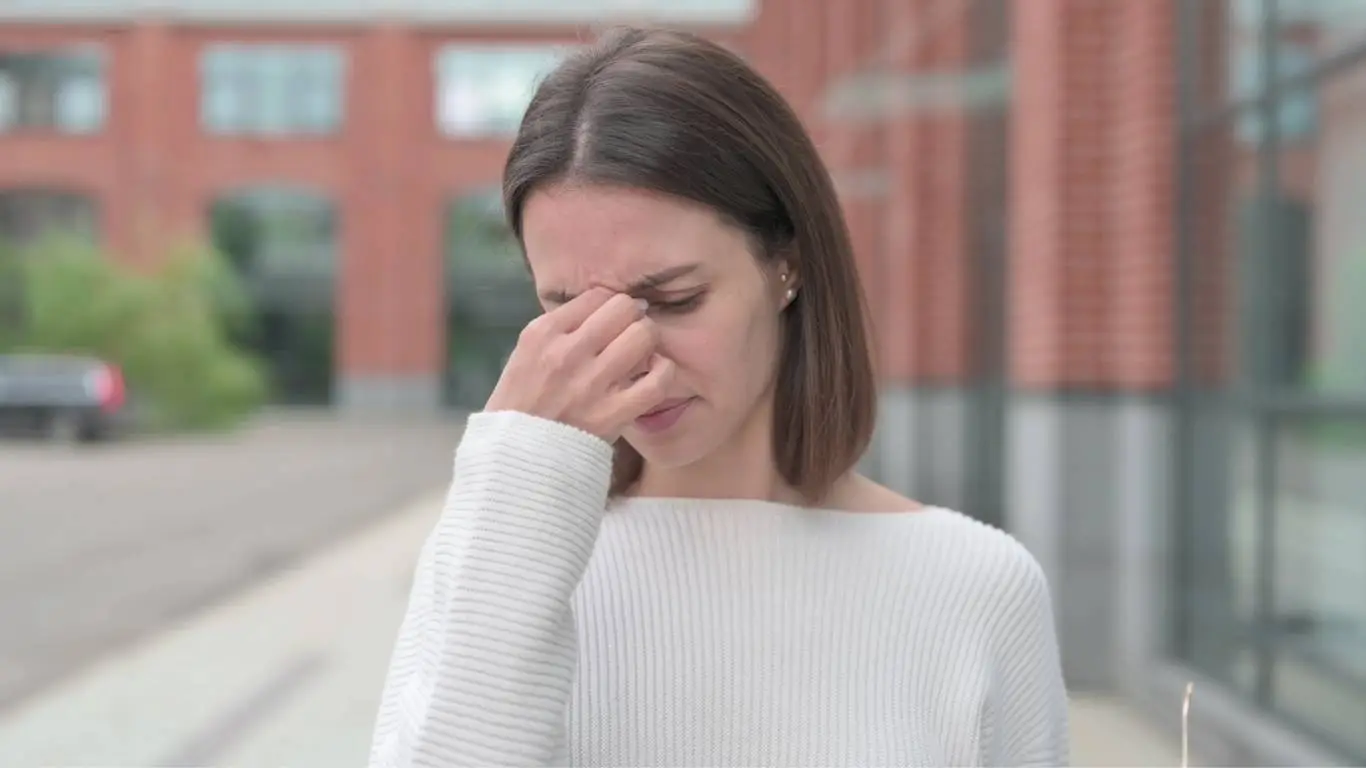
For some people, therapy and lifestyle changes aren’t enough. And that’s okay. I tried SSRIs after my third ER visit. It wasn’t my first choice, but it gave me the space I needed to get back in control.
Here’s the key: medication is not a weakness—it’s a tool. If your chest pain is disabling your daily life, here’s what medical treatment options really look like.
Natural Options Worth Exploring (But Do Your Research)
- Magnesium-rich foods
- CBD oil (use trusted sources)
- Herbal teas for anxiety
I still keep a few chamomile tea bags in my backpack. Rituals matter more than we give them credit for.
Building a Toolbox for Life—Not Just for Panic
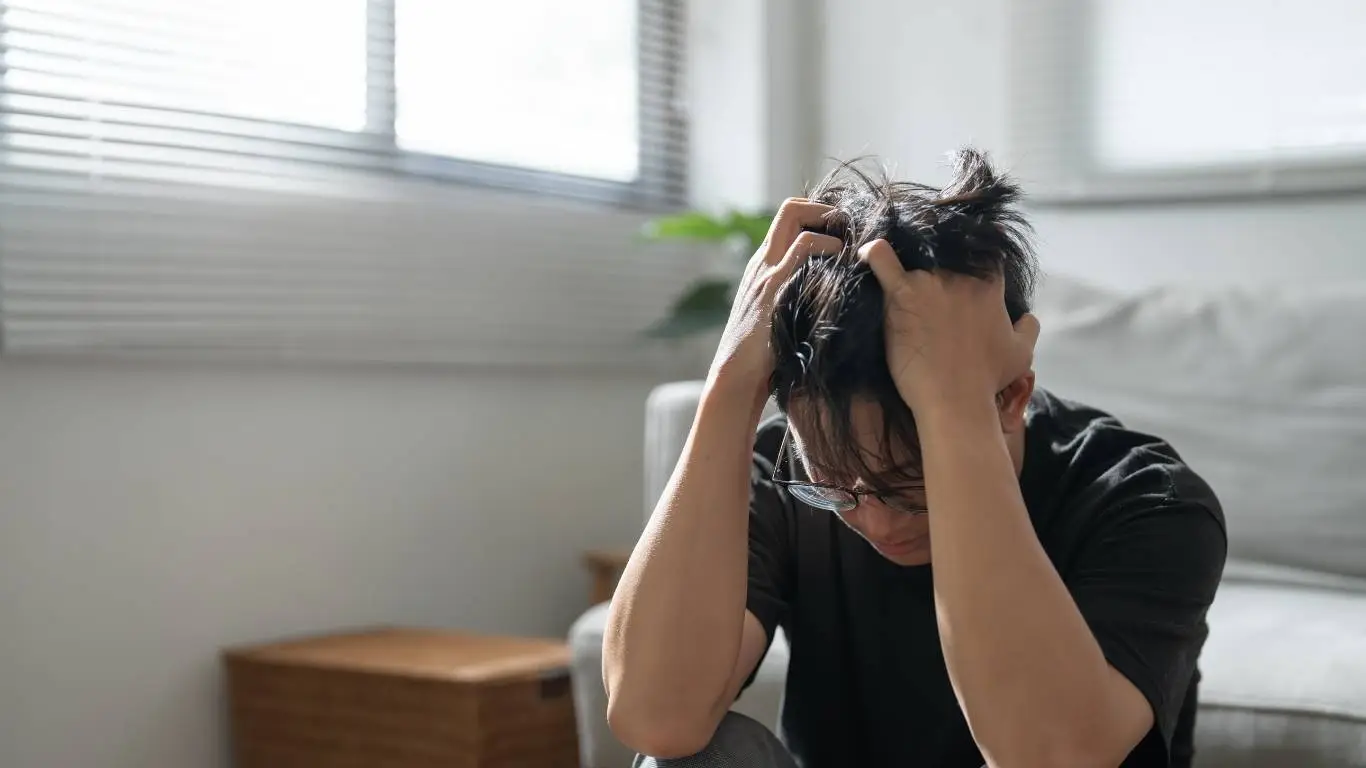
These days, I don’t wait until my chest hurts to address stress. I’ve built a routine—a mix of journaling, breathwork, stretching, and therapy—that keeps me ahead of the curve. And yeah, I still get flare-ups. But now, I recognize them before they snowball.
If you’re in this fight, know you’re not alone. Learning how to navigate anxiety in your daily life can be the shift that changes everything.
And if you’re still wondering if what you’re feeling is anxiety or something worse, start here: get evaluated properly. That clarity? It’s worth everything.
Looking back, that pain in my chest was real—but it wasn’t my heart failing me. It was my body begging me to listen. Today, I do. And it’s made all the difference.

Camellia Wulansari is a dedicated Medical Assistant at a local clinic and a passionate health writer at Healthusias.com. With years of hands-on experience in patient care and a deep interest in preventive medicine, she bridges the gap between clinical knowledge and accessible health information. Camellia specializes in writing about digestive health, chronic conditions like GERD and hypertension, respiratory issues, and autoimmune diseases, aiming to empower readers with practical, easy-to-understand insights. When she’s not assisting patients or writing, you’ll find her enjoying quiet mornings with coffee and a medical journal in hand—or jamming to her favorite metal band, Lamb of God.