Why Floaters Get Worse When Watching Sunrise
There’s something magical about watching the sunrise—until those little squiggly shadows start dancing across your vision, stealing the moment. If you’ve ever thought, “Why do I notice floaters more when watching the sunrise?”—you’re definitely not the only one. I remember sipping my morning coffee, eyes fixed on the soft golden light peeking over the trees, and boom—there they were. Floating, swirling, and downright distracting. And yes, it had me spiraling down a rabbit hole of research, worry, and weird eye exercises. Let’s break it down so it finally makes sense.
Why Do Floaters Stand Out More During Sunrise?
Floaters are usually more noticeable when looking at a bright, uniform background, and sunrise provides the perfect canvas—light sky, low glare, and high contrast. It’s like pointing a flashlight at dust in a dark room. Suddenly, you’re hyperaware of every speck.
The way sunlight scatters across the atmosphere during sunrise increases the contrast between the floaters in your vitreous and the background. It doesn’t mean they’ve multiplied or gotten worse; it just means the conditions are perfect for them to make an annoying appearance.
Let’s Talk About Contrast and Pupil Response
During sunrise, your pupils are still adjusting from darkness to daylight. This transitional lighting tricks your eyes. The narrowed pupils create a pinhole-camera effect, which can actually make floaters appear sharper and more defined. So yeah, you’re not imagining it.
Are These Floaters a Sign of Something Serious?
In most cases, floaters are harmless. But if you notice a sudden increase, flashes of light, or a curtain-like shadow over your vision, don’t just brush it off. These can be signs of a retinal tear or detachment. I once had a friend who ignored what he thought were “just more floaters” after a morning jog—and ended up in emergency eye surgery.
For a comprehensive breakdown, check out this detailed guide on when floaters signal something more serious.
Why the Sunrise Is a Floater Magnet
There’s a reason floaters show up like clockwork every morning.
- Lighting angle: Low-angle light from sunrise casts shadows in just the right way to highlight floaters.
- Increased contrast: The gradient from dark to light exaggerates the visibility of floaters.
- Post-sleep hydration: Dehydration after sleep can reduce vitreous fluid clarity, making floaters more pronounced. Curious? Read more on how dehydration impacts floaters.
My Morning Routine Changed Because of This
I started wearing amber-tinted lenses during my early walks. It helped cut the contrast just enough so I could enjoy the view without a symphony of swirls in my vision. That said, these tricks don’t work for everyone, but small changes can make a difference.
Is It Just Age? Or Is There More?
If you’re over 30, you might be dealing with vitreous syneresis—a fancy term for the natural shrinking and liquefying of the eye’s gel-like center. It’s normal, and it happens with age, but it doesn’t mean it’s fun. The science behind age-related floaters shows this process can begin earlier than most expect.
Still, floaters don’t discriminate. Even young adults get them. Stress, eye strain, even a night of poor sleep can bring them out to play. That’s why floaters during sunrise might not be about your age—it could be how your lifestyle intersects with light.
Can You Reduce Floaters Naturally?
I’ve tried the turmeric, the floaters eye drops, even those vision yoga routines from YouTube. Spoiler alert: not everything works. But what surprisingly helped? Upping my water intake, minimizing screen time before bed, and following tips from this excellent breakdown on natural floater management.
Some eye specialists argue that certain supplements like lutein, zeaxanthin, and vitamin C may support vitreous health. Sites like aao.org and ncbi.nlm.nih.gov provide well-backed data if you want to dig into the research.
Quick Tips That Worked for Me
- Start the morning in indirect light before heading outdoors
- Hydrate first thing with a glass of water and electrolytes
- Use polarized sunglasses with yellow or amber tint during sunrise
- Limit screen time the night before to reduce eye stress
- Try this article for deeper strategies: how to reduce floaters after eye strain or infection
When to Actually Call a Specialist
Let’s be real—if floaters start interfering with your ability to enjoy the sunrise (or life in general), it might be time to stop scrolling Reddit for answers and book an appointment. If they suddenly worsen, bring flashes, or come with loss of peripheral vision, check this guide on treatments for eye floaters to understand your options.
For a full understanding of what floaters actually are and how they’re formed, the main article on eye floaters lays it all out beautifully.
That feeling when you’re soaking in the beauty of the sunrise, only to have your vision hijacked by a swarm of floaters again—yeah, it’s not just frustrating, it’s downright disruptive. But what if I told you there’s more to understand about why it happens and, more importantly, what you can *actually* do about it?
Why Do Some Floaters Seem Worse on Certain Mornings?
Not every morning is the same. I used to think it was just in my head—some days the floaters were bearable, and others, they were like an army marching through my vision. Turns out, a few subtle things make a huge difference:
- Humidity and air quality: Dry air or allergens can cause your eyes to become irritated, making floaters more noticeable.
- Sleep position: Ever notice worse floaters after sleeping on your stomach? That could increase intraocular pressure.
- Screen time before bed: Yep, too much phone or laptop time can irritate the vitreous, especially in darker rooms.
There’s even a breakdown on how poor sleep habits can worsen floaters—and honestly, it made me rethink how I wind down before bed.
Can Anxiety and Stress Amplify Floaters in the Morning?
Absolutely. I used to get this weird spike in floaters after a night of anxiety or racing thoughts. Turns out, stress-induced floaters are a thing. Elevated cortisol levels can impact the eyes’ vascular and fluid balance, making any existing floater more prominent when you step into the morning light.
If you’ve experienced floaters only when you’re mentally overstimulated or after intense emotional episodes, you’re not imagining it. The nervous system and your vision are closely connected.
Helpful Habits That Calmed My Floaters Down
- Breathing exercises before sleep—especially box breathing
- Soft warm compresses in the morning to help relax the eyes
- Waking up in dim light and gradually letting my eyes adjust before looking at the sky
It’s not woo-woo—it works. And for those wondering about more lifestyle support, the guide on relieving stress-related floaters is worth bookmarking.
What About Floaters Getting Worse With Age?
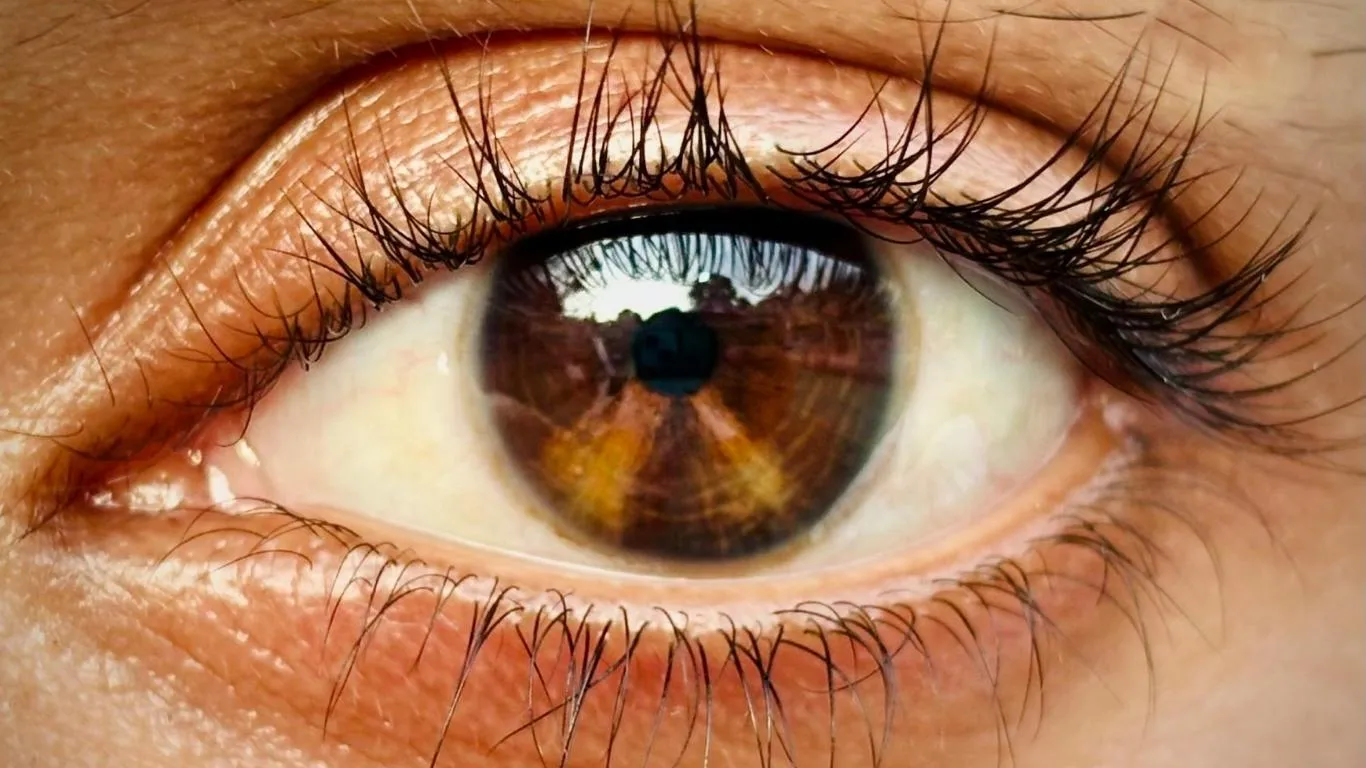
As you age, the vitreous humor in your eye naturally becomes more liquid and starts to pull away from the retina. This process, known as posterior vitreous detachment (PVD), is a common cause of floaters. If your floaters have increased with time and are especially bothersome in the morning, that could be why.
This article on PVD and eye floaters lays out the science in a way that’s easy to understand without feeling like you’re in med school.
Most of the time, it’s not dangerous. But in rare cases, PVD can lead to retinal tears or even detachment—especially if the floaters come on suddenly or are accompanied by flashes. That’s why it’s smart to stay informed and not just assume every floater is harmless.
Advanced Options: What Can You Do If Floaters Become Too Distracting?
If you’ve tried the lifestyle hacks, supplements, hydration, and your floaters still mess with your sunrise serenity, there are more serious options. But they’re not without risks.
Laser Vitreolysis
This procedure uses a laser to break up floaters. It’s non-invasive but not suitable for everyone. Your floaters have to be in the right location and composition.
Vitrectomy
It’s the nuclear option—a surgical procedure that removes the vitreous gel and replaces it with a saline solution. Effective? Yes. Risky? Also yes. Retinal detachment, cataracts, and infection are potential complications.
That’s why most ophthalmologists still lean toward a “wait and see” approach unless the floaters are causing major disruptions. For more on this, check out the full coverage on eye floater treatments.
Helpful Tools That Actually Made a Difference
Okay, here’s where it gets practical. These are the things that really helped me enjoy the sunrise again without focusing on those annoying little squiggles:
- Polarized sunglasses – Cut down glare and contrast. Life-changing for sunrise viewing.
- Dry eye drops – Helped flush the eye just enough to reduce floater sharpness.
- Blue light blockers – Reduced evening eye fatigue, which oddly helped the next morning.
- Eye movement exercises – Following a circular motion pattern slowly helped shift floaters out of my central vision.
And if you’re wondering about long-term strategies, this article on the best supplements for floaters really digs into what’s worth trying (and what’s just overpriced hype).
Eye Floaters Aren’t Just Annoying—They’re a Message
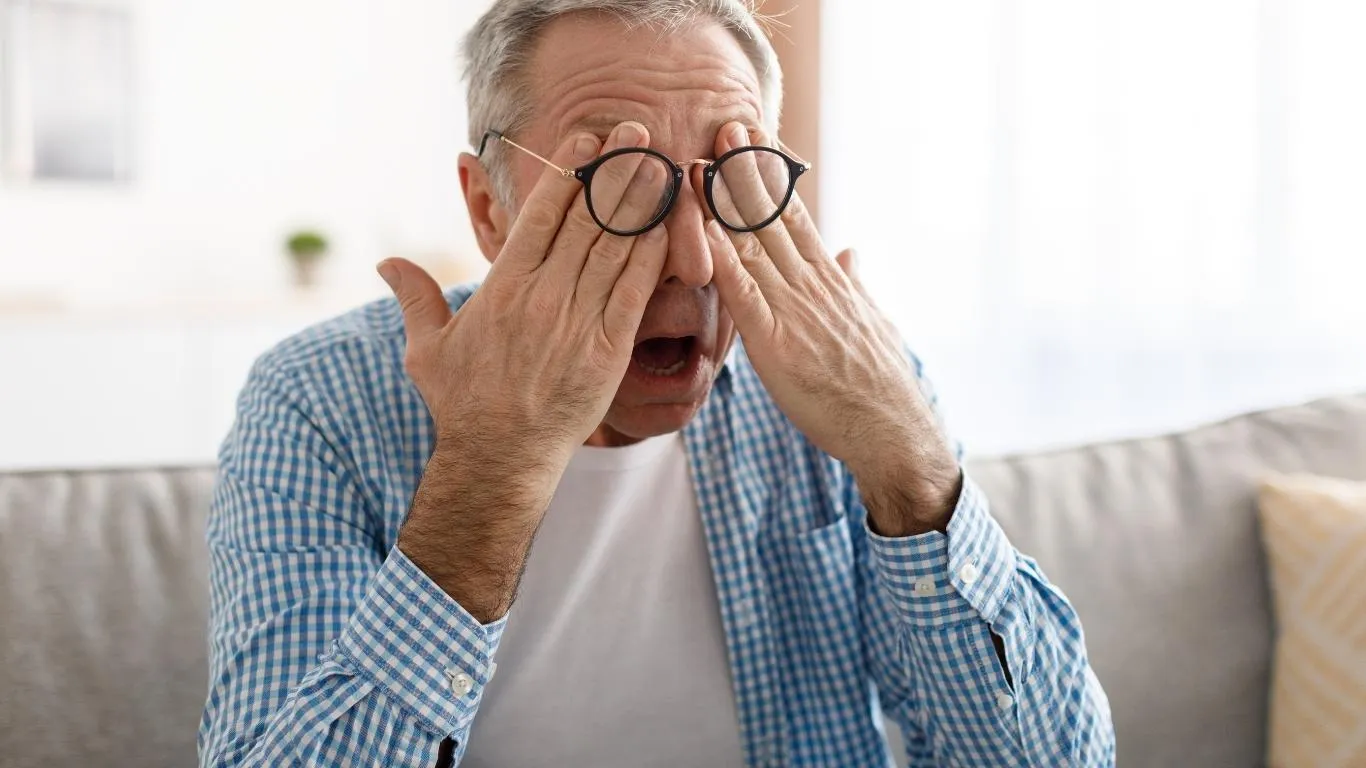
Look, I’ve been there—sunrise walk ruined, mood tanked before 8 AM. But I’ve also learned that floaters, as annoying as they are, can be your eyes’ way of nudging you toward better vision habits, lifestyle balance, and even mental clarity. When they first showed up, I hated them. Now, weirdly, I see them as my cue to slow down.
If this sounds like your experience, you’re not alone. And you’re definitely not out of options. Want a solid understanding of what’s going on and where to begin? The ultimate floaters guide on Healthusias.com is the best starting point to get clarity—literally and figuratively.

Camellia Wulansari is a dedicated Medical Assistant at a local clinic and a passionate health writer at Healthusias.com. With years of hands-on experience in patient care and a deep interest in preventive medicine, she bridges the gap between clinical knowledge and accessible health information. Camellia specializes in writing about digestive health, chronic conditions like GERD and hypertension, respiratory issues, and autoimmune diseases, aiming to empower readers with practical, easy-to-understand insights. When she’s not assisting patients or writing, you’ll find her enjoying quiet mornings with coffee and a medical journal in hand—or jamming to her favorite metal band, Lamb of God.