How Post-Viral Syndrome Triggers Spine Stiffness And Slows Recovery
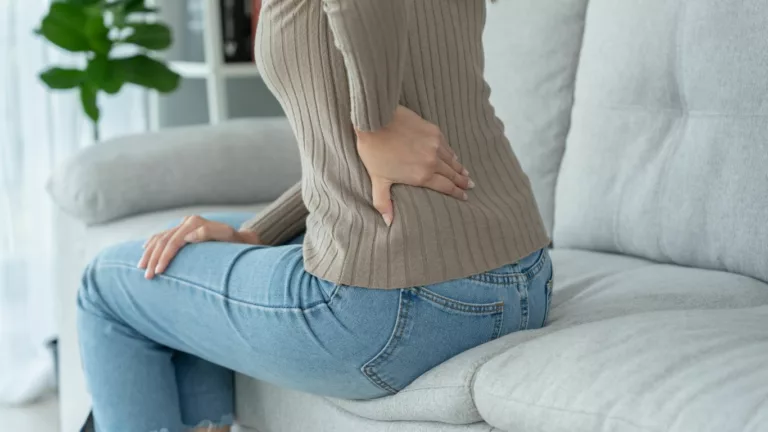
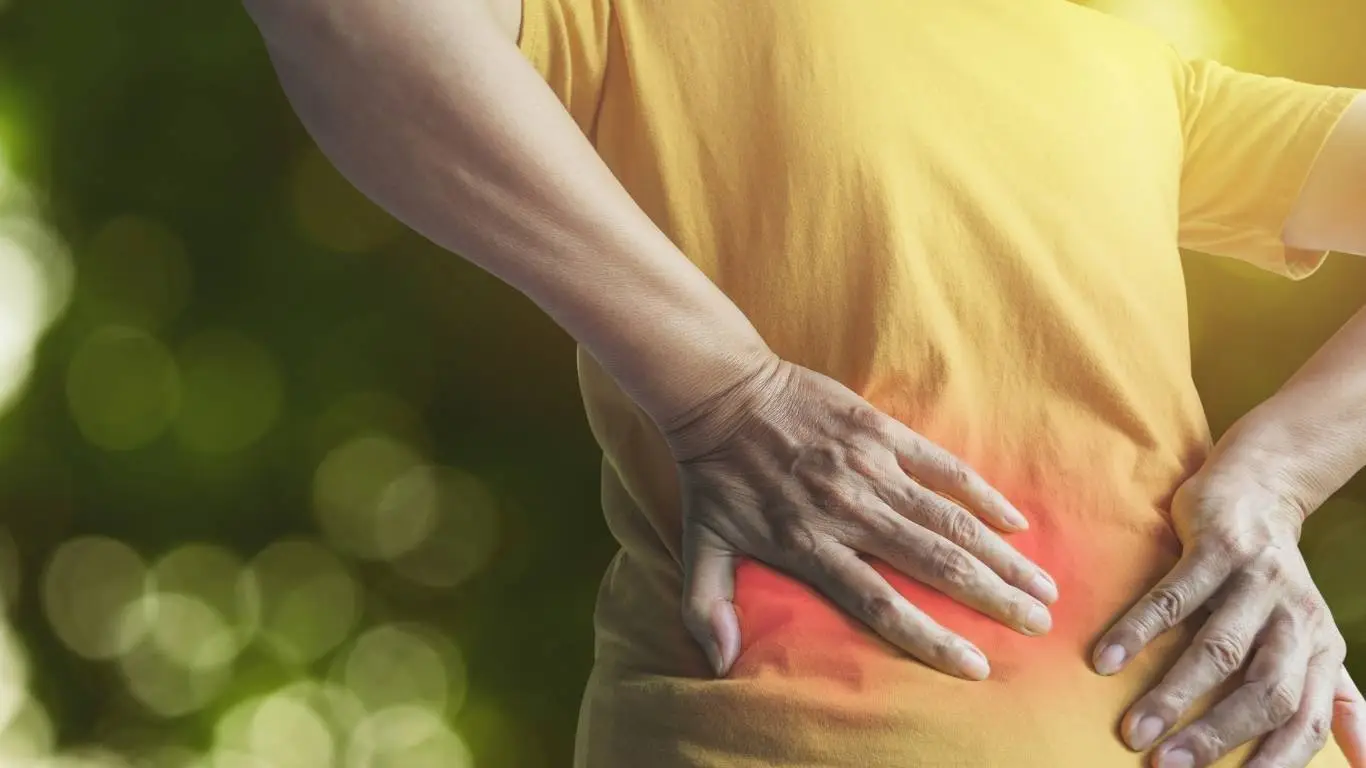
Ever since I recovered from a viral infection earlier this year, there’s been this lingering tightness in my back that just wouldn’t quit. I thought it was just me, overthinking it. But after speaking to others and doing a bit of digging, turns out post-viral syndrome and spine stiffness are far more common than we realize. And it’s not just about “muscle soreness” – it’s a deeper, nagging discomfort that affects daily movement, sleep, and even mood. Let’s talk about why this happens and what can be done about it – because trust me, ignoring it isn’t the answer.
Understanding Post-Viral Syndrome and Its Surprising Impact on Spine Stiffness
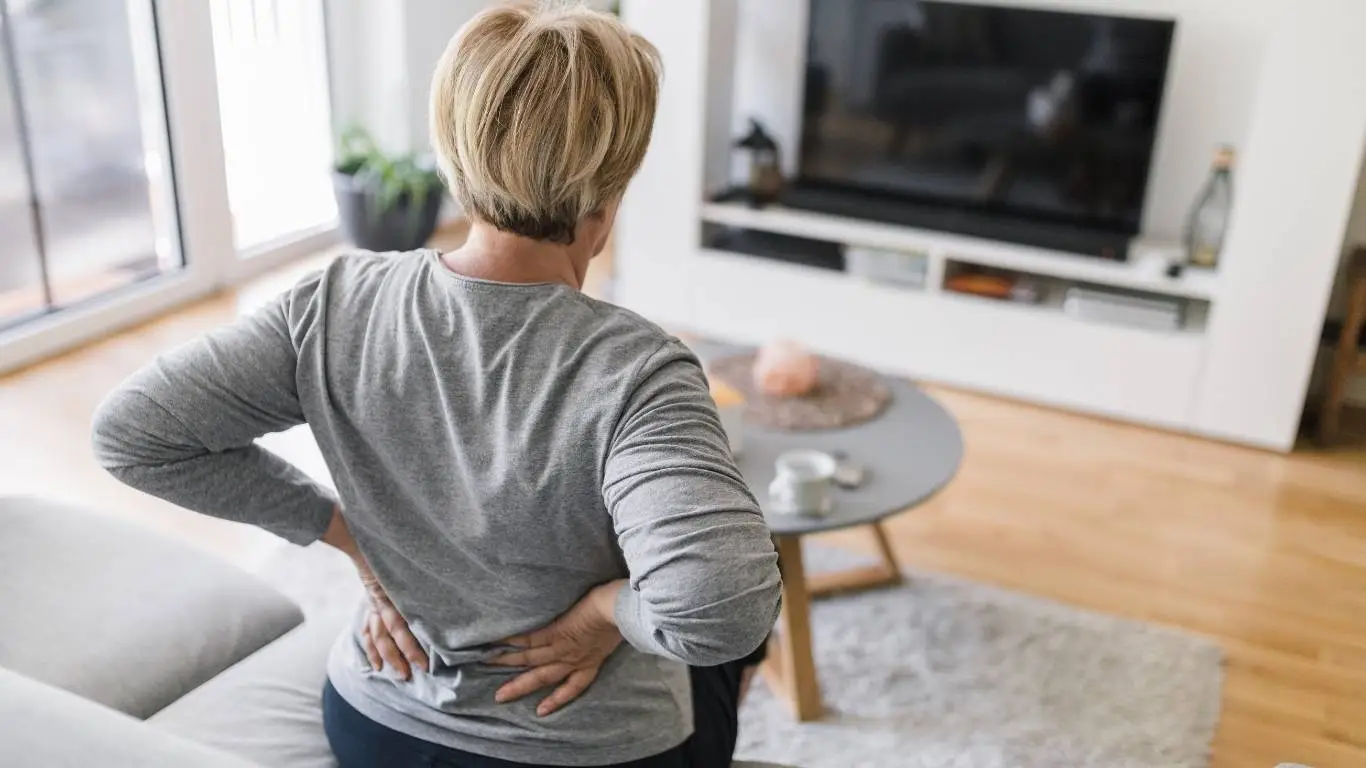
Most people think of viral infections as a hit-and-run scenario. You get sick, you recover, and life goes on. But sometimes, your body doesn’t get that memo. Post-viral syndrome refers to a collection of symptoms that linger long after the initial infection clears up. Fatigue, joint aches, and yes, persistent spine stiffness can stick around for months.
The spine, being the central pillar of our body’s structure, becomes especially vulnerable because of how viruses impact the body’s inflammatory responses. Muscles surrounding the vertebrae might tense up as a protective mechanism, while nerve pathways become hypersensitive.
Why Does Spine Stiffness Persist Post-Virus?
- Inflammatory Overdrive: Viral infections can trigger a prolonged inflammatory state that keeps spinal tissues irritated.
- Muscle Guarding: The body’s instinct to ‘lock down’ areas of pain often leads to chronic stiffness around the back muscles.
- Neurological Cross-Talk: Viruses may disrupt nerve signaling, amplifying sensations of tightness and discomfort along the spine.
Daily Activities That Quietly Worsen Post-Viral Spine Tension

I didn’t realize how much my everyday habits were feeding into my spine issues until I paid closer attention. Simple things like sitting in a slouched position while working from home or even binge-watching shows with poor back support were making things worse. If you’re experiencing post-viral spine stiffness, these activities might be stealth culprits:
- Prolonged sitting with poor posture.
- Lack of micro-movements during the day.
- Incorrect sleeping positions that don’t support spinal alignment.
This isn’t just theory — studies have shown that postural habits can exacerbate existing inflammatory pain responses. Implementing small ergonomic tweaks, like using standing desks or lumbar cushions, makes a noticeable difference.
Simple Home Strategies to Ease Post-Viral Spine Stiffness
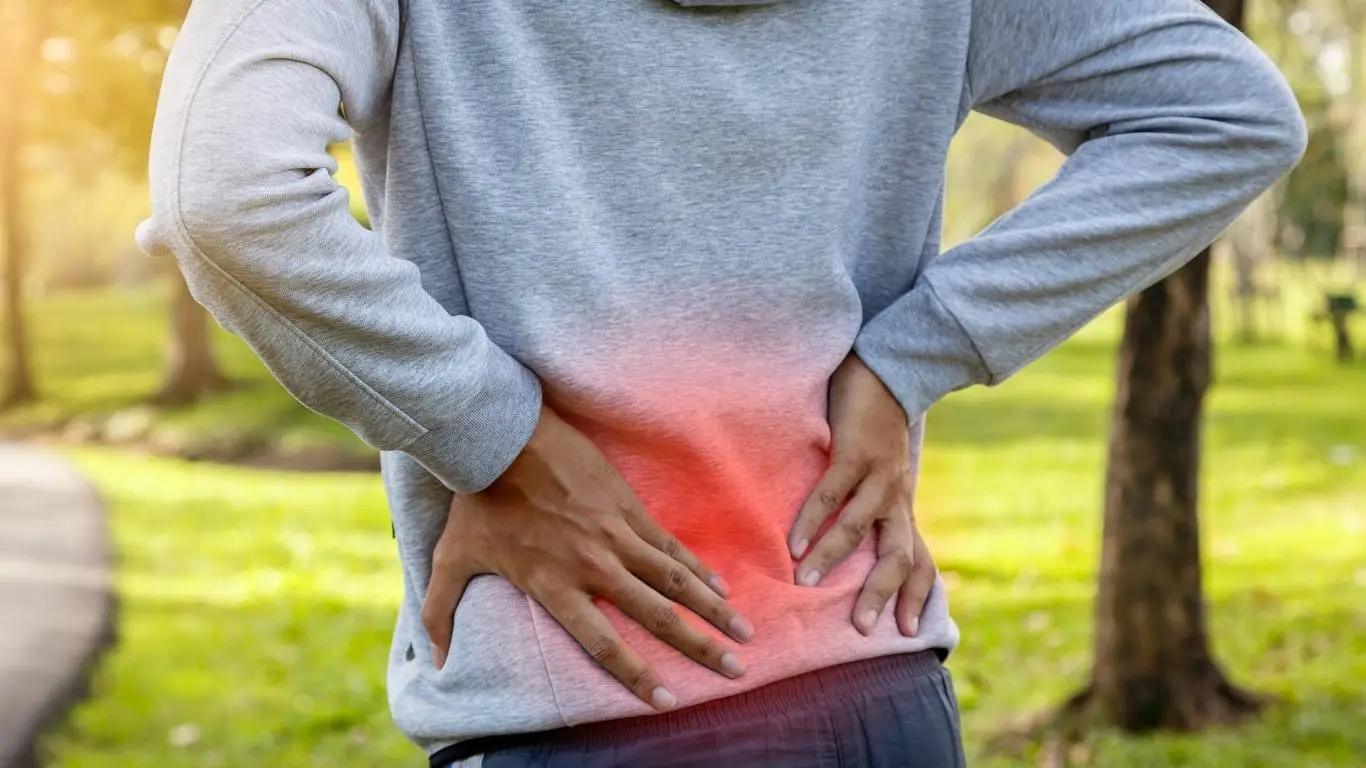
One thing I learned (the hard way) is that aggressive stretching or intense workouts aren’t the answer here. What your spine needs is gentle, consistent care. Here are a few strategies that personally helped me and are often recommended by experts:
- Diaphragmatic Breathing: Helps in resetting muscle tension around the thoracic spine.
- Wall-Assisted Stretches: Gentle movements to mobilize tight spinal segments without strain.
- Foam Rolling (Light Pressure): Targeting fascia around the lower back to release built-up tension.
For a more structured approach, you might want to explore these nerve-friendly exercise routines that emphasize gentle mobilization rather than forceful stretching.
When to Seek Professional Help for Post-Viral Spine Stiffness
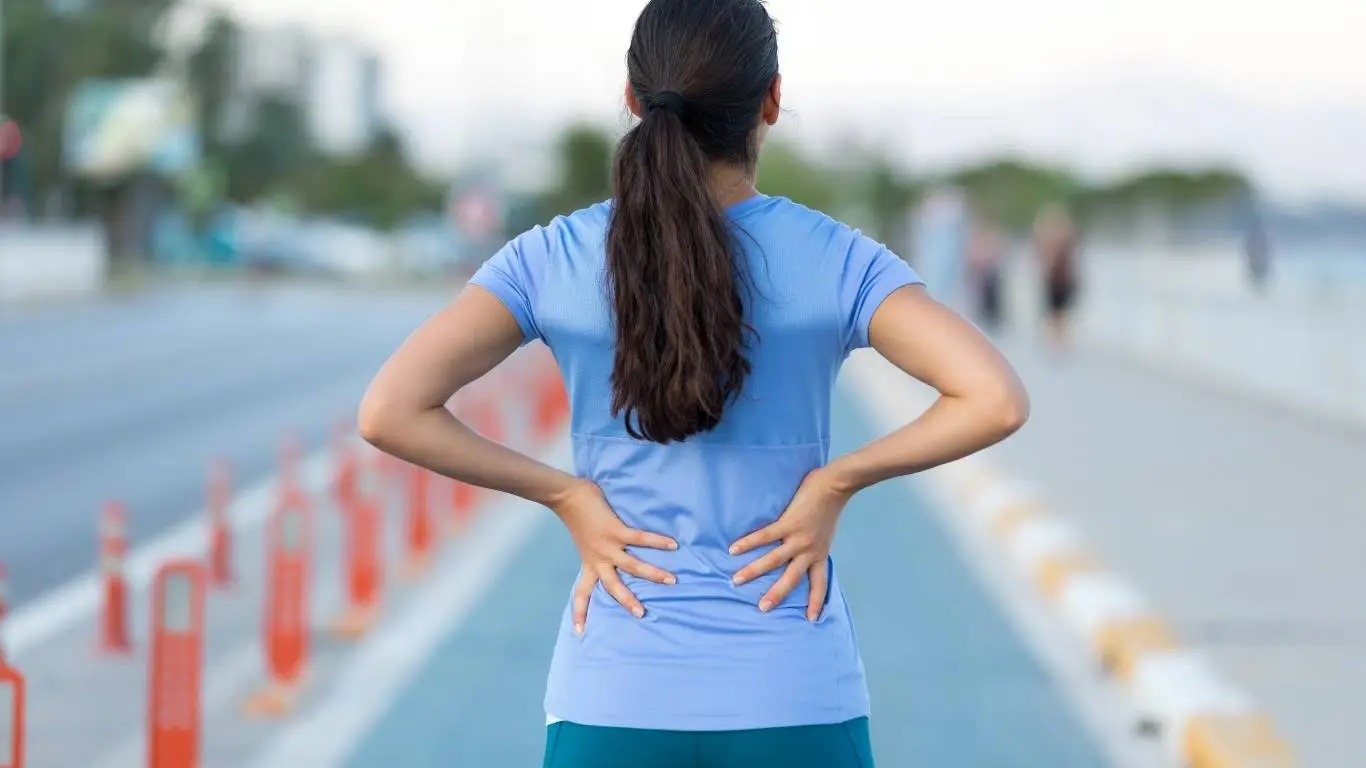
It’s easy to dismiss post-viral spine stiffness as something that will eventually “work itself out.” I did the same, and it backfired. If the stiffness is:
- Limiting your range of motion for weeks without improvement
- Accompanied by nerve-like symptoms such as tingling or radiating pain
- Disrupting your sleep or ability to perform daily tasks
…it’s time to involve a professional. Physical therapists can offer targeted interventions, while specialists can rule out other complications. If you’re unsure about the right diagnostics, this guide on MRI evaluations might clear things up.
Building a Long-Term Recovery Plan
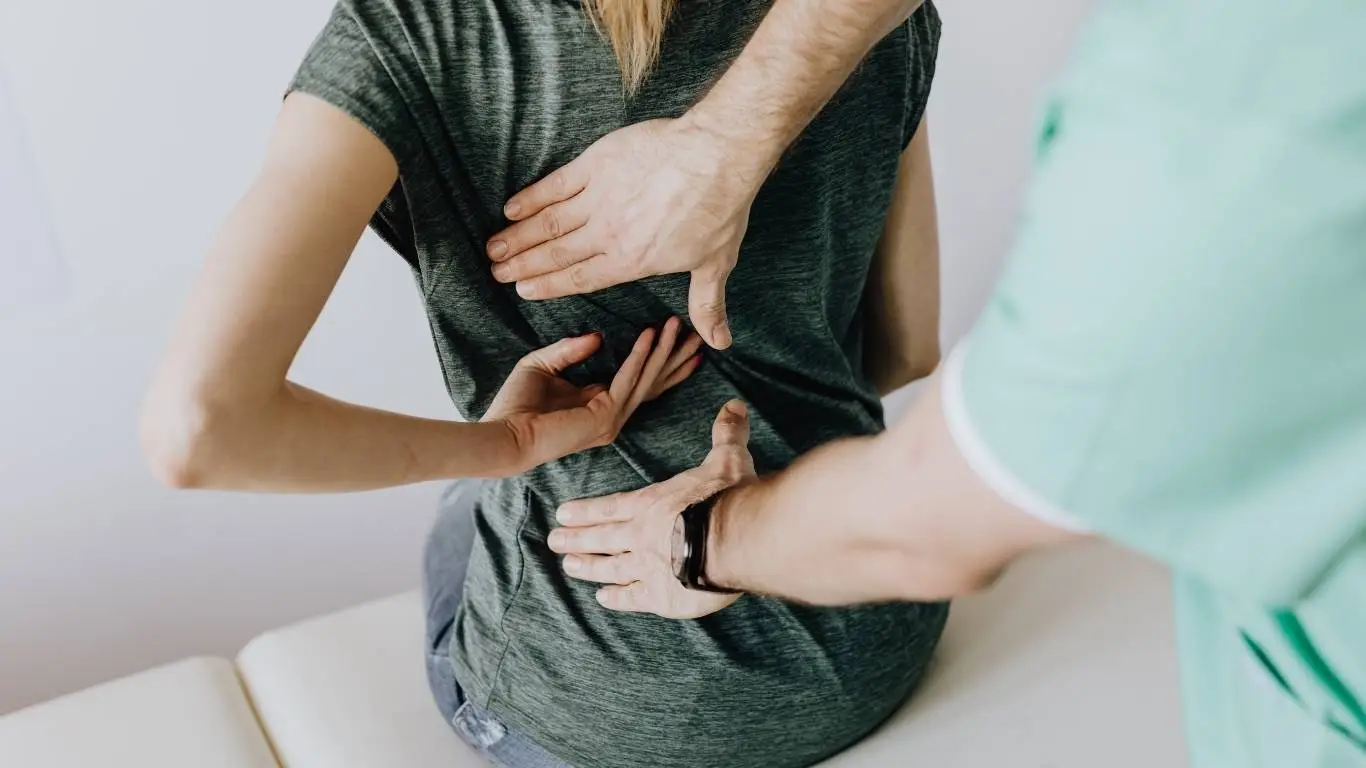
Recovery from post-viral spine stiffness isn’t a one-off fix. It’s a marathon, not a sprint. What worked for me was creating a structured routine that combined mobility exercises, ergonomic adjustments, and mindful movement. This wasn’t about quick results; it was about rebuilding resilience over time. A valuable resource that lays out comprehensive lifestyle strategies is the Lifestyle & Natural Remedies Pillar section on Healthusias.
Moreover, understanding the wider context of back pain can be game-changing. If you want to dive deeper into the anatomy, types, and systemic factors influencing spinal health, I’d highly recommend the main Back Pain Pillar Article as your go-to guide.
Addressing Emotional & Mental Strain Tied to Post-Viral Spine Stiffness

One thing I didn’t expect from this journey was how mentally draining spine stiffness could be. You start avoiding activities, social plans, even simple chores because your back feels like a rigid plank. It gets frustrating. That’s when I realized this isn’t just a physical recovery — the emotional weight needs attention too.
Practices like mindfulness meditation and guided imagery genuinely helped me manage the tension cycle. They might sound cliché, but teaching your body to ‘switch off’ that constant state of guarding is half the battle. Pairing this with simple breathing exercises that reset your nervous system made a noticeable difference in how my back felt throughout the day.
Nutrition & Anti-Inflammatory Support for Spinal Recovery
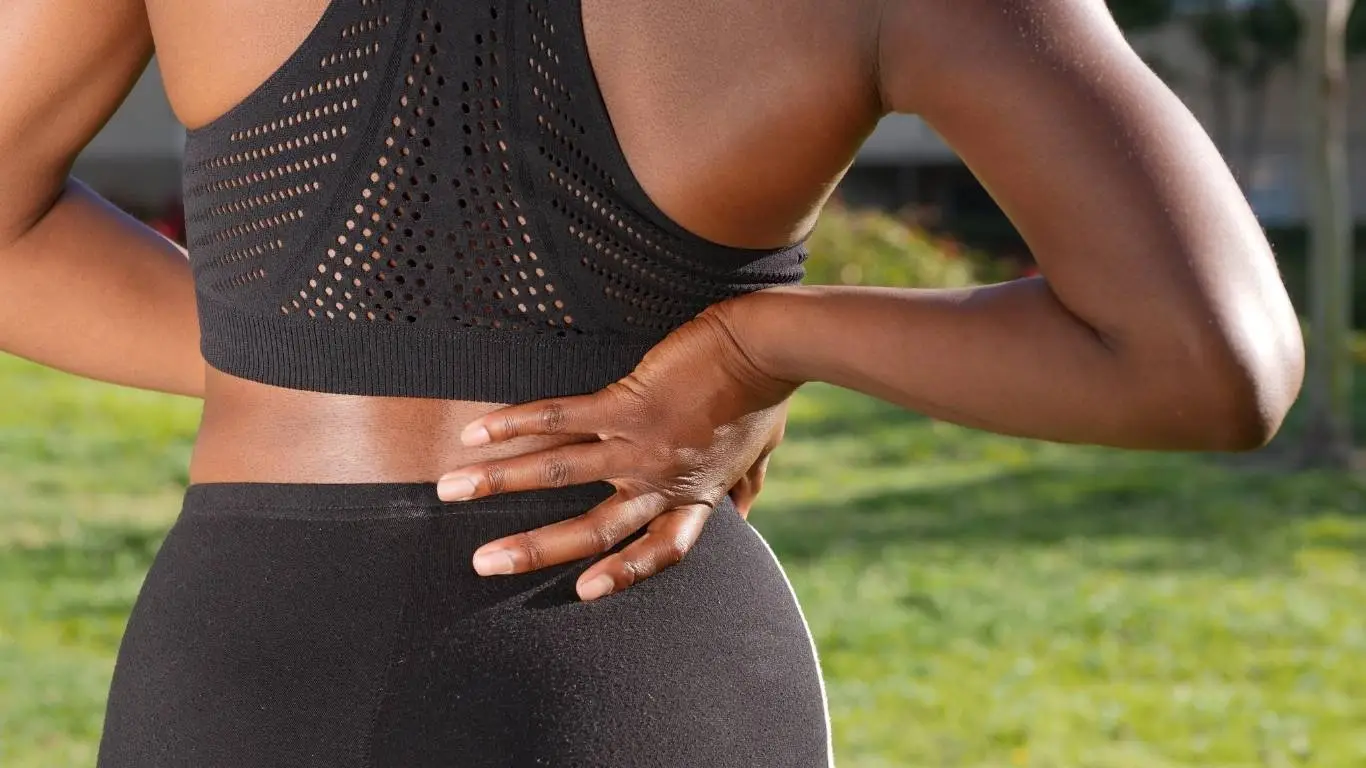
Let’s be honest, most of us underestimate how much diet plays a role in muscle recovery and inflammation. I was guilty of this too. But after tweaking my meals to include more anti-inflammatory foods — think turmeric, leafy greens, omega-3s — the stiffness started easing. Not overnight, but progressively.
There’s a lot of buzz around supplements like omega-3s and turmeric capsules, and for good reason. They’re not miracle pills, but they support your body’s repair processes in the background. It’s like giving your spine a better fighting chance against the post-viral inflammatory storm.
Practical Ergonomic Tweaks That Actually Help (Not Gimmicks)
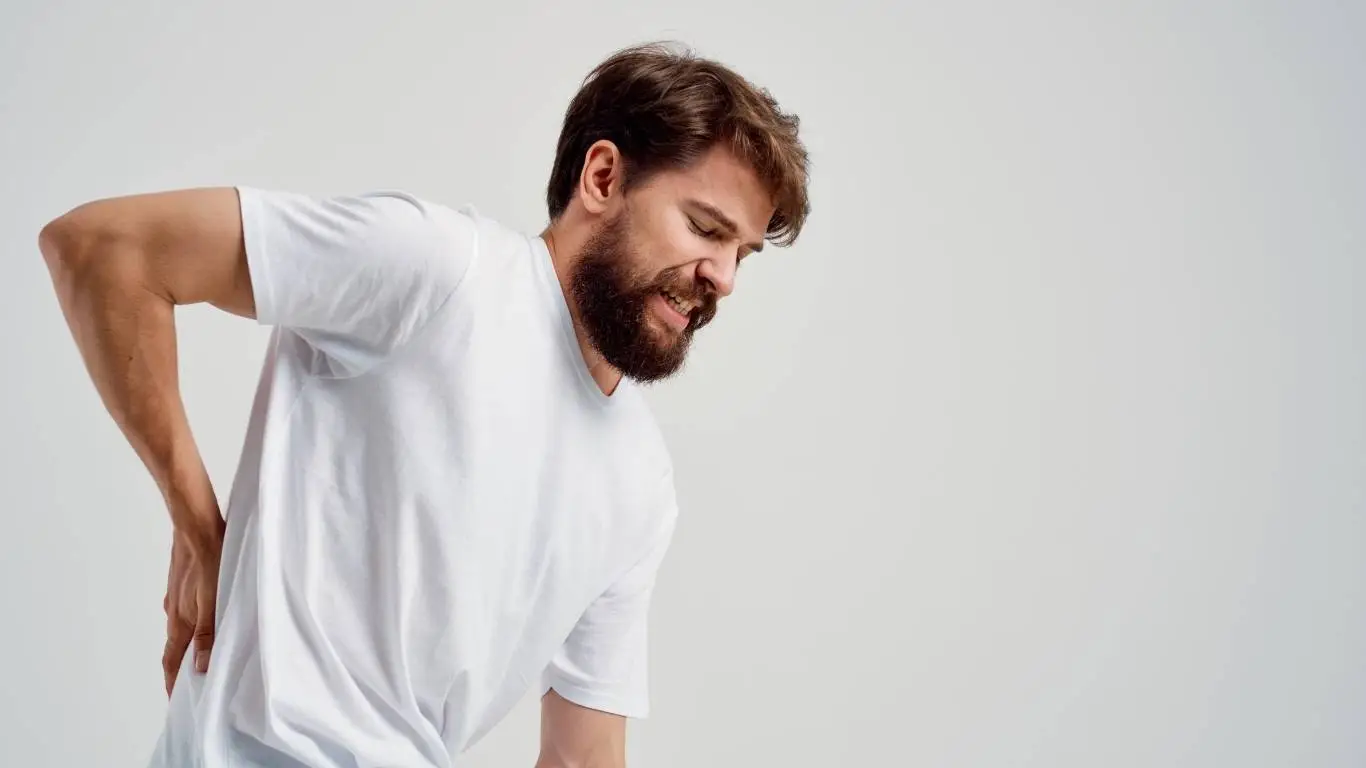
Here’s something practical — you don’t need to redesign your entire workspace to feel relief. Small, targeted ergonomic changes can massively reduce the cumulative strain on your spine.
- Swapping a standard chair for an ergonomic office chair with lumbar support.
- Using a footrest to offload lower back pressure.
- Switching to a standing desk part of the day for postural variety.
During my recovery, I found that setting simple phone reminders for posture checks every hour was a game changer. It sounds silly, but those micro-adjustments throughout the day prevented my back from defaulting into that post-viral “lockdown mode.”
Alternative Therapies: What Worked and What Didn’t

Alright, let’s talk about alternative therapies — because when conventional methods plateau, it’s tempting to explore every option. I tried acupuncture after hearing rave reviews. Surprisingly, after a few sessions, the deep, stubborn tightness around my thoracic spine started easing up.
On the flip side, cupping therapy didn’t do much for me, but I know people who swear by it. That’s the tricky part with post-viral stiffness — what works for one might not for another. The key is staying patient and experimenting under professional guidance.
Building Long-Term Resilience Against Post-Viral Spine Issues
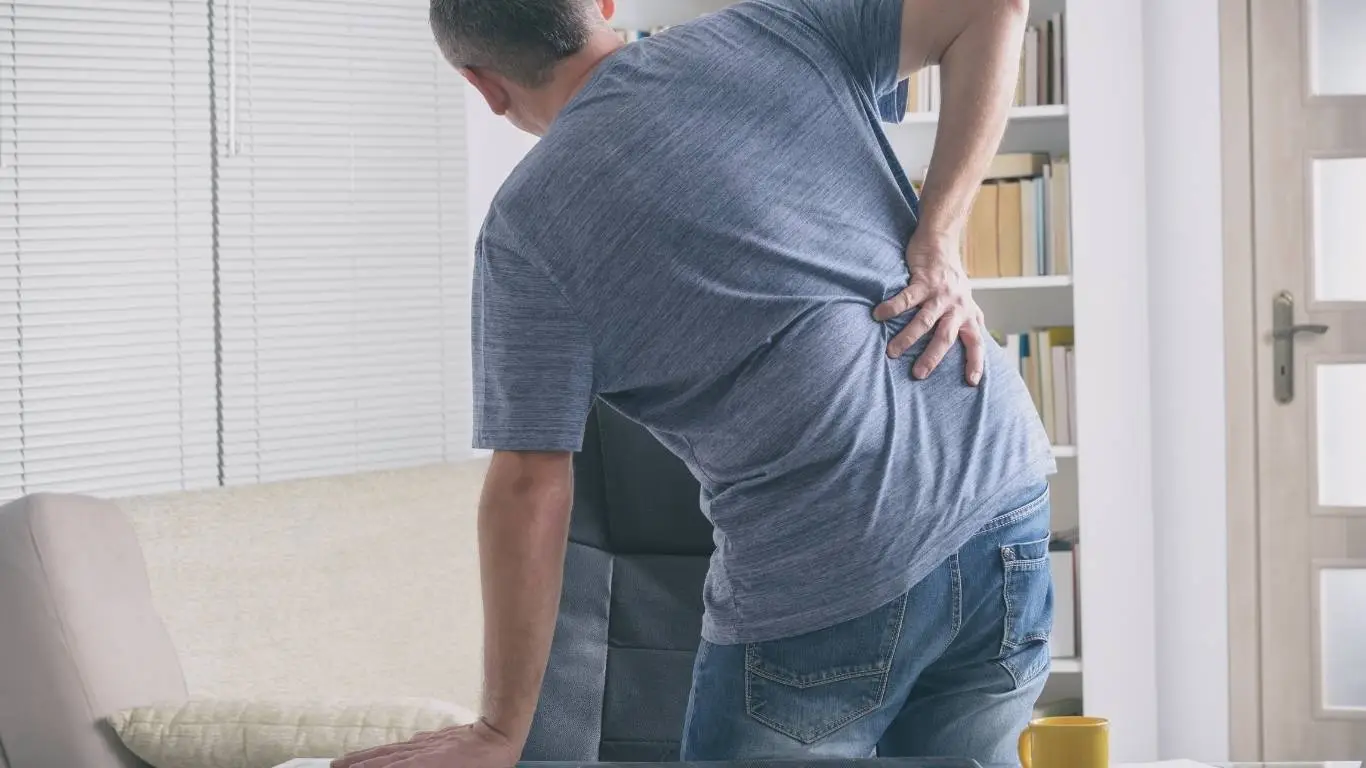
The silver lining? My spine feels stronger and more resilient now than it did pre-infection. Why? Because managing post-viral stiffness forced me to be more mindful of my body mechanics. Strengthening core muscles, focusing on spinal mobility drills, and listening to my body’s signals became a routine, not a chore.
If you’re looking for a holistic approach to post-viral spine care, I’d highly recommend diving into this comprehensive Exercise & Rehabilitation Pillar which breaks down movement strategies designed specifically for long-term spinal health.
And if you’re just starting your journey or need a bird’s-eye view of how various factors interplay in back health, don’t skip the Main Back Pain Resource that Healthusias offers — it’s hands-down the best foundation to build upon.

Camellia Wulansari is a dedicated Medical Assistant at a local clinic and a passionate health writer at Healthusias.com. With years of hands-on experience in patient care and a deep interest in preventive medicine, she bridges the gap between clinical knowledge and accessible health information. Camellia specializes in writing about digestive health, chronic conditions like GERD and hypertension, respiratory issues, and autoimmune diseases, aiming to empower readers with practical, easy-to-understand insights. When she’s not assisting patients or writing, you’ll find her enjoying quiet mornings with coffee and a medical journal in hand—or jamming to her favorite metal band, Lamb of God.