Why Floaters Are More Visible in Pastel-Colored Rooms and How to Fix It
Ever noticed how those pesky floaters seem to pop out more when you’re in a pastel-colored room? Trust me, you’re not imagining it. I used to think my eyes were playing tricks on me every time I sat in my friend’s mint-green kitchen, but after a bit of digging (and some personal experience), I realized it’s a lot more common than people think. Floaters are already annoying, but under soft-colored lighting and pale backgrounds, they become little dancing shadows you just can’t unsee. Let’s dive into why this happens and what you can do about it.
Why Floaters Stand Out in Pastel-Colored Rooms
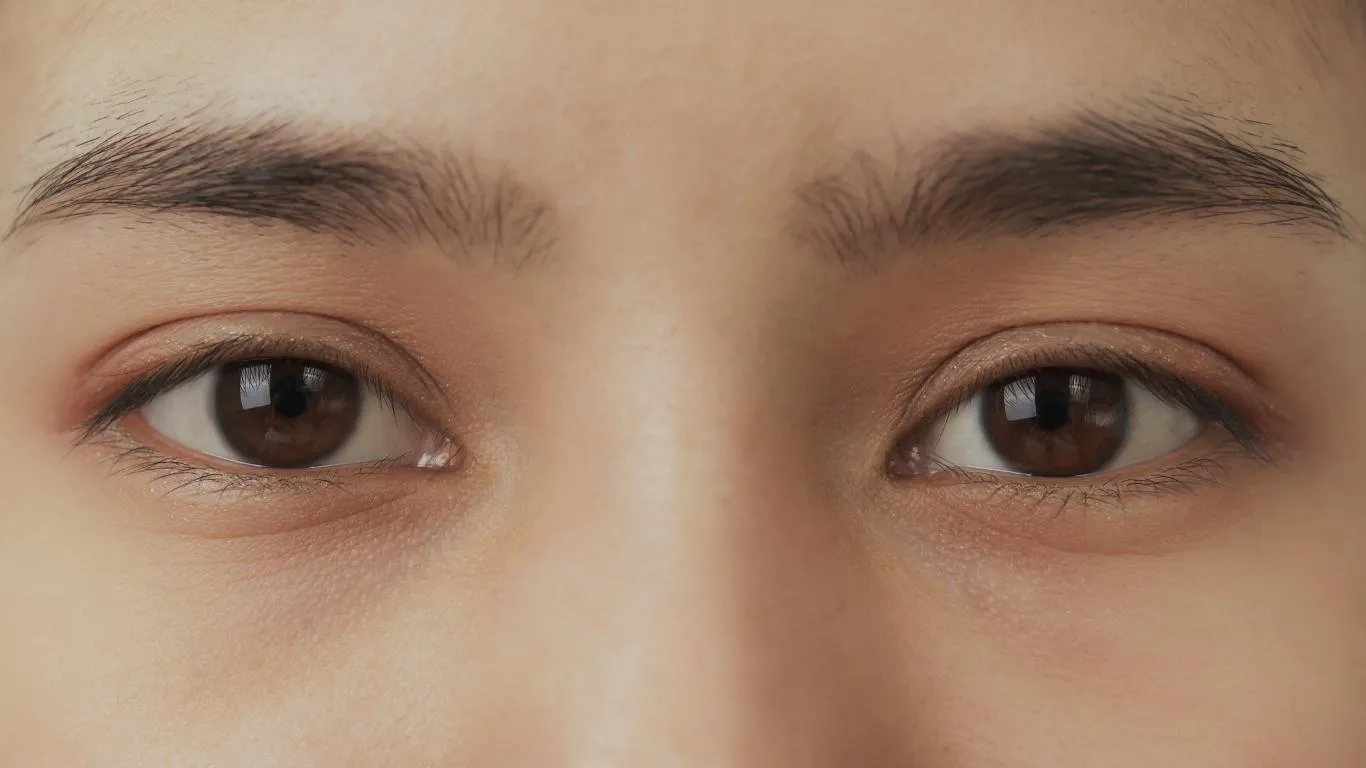
Floaters are tiny clumps of collagen that drift inside the vitreous of your eye. Normally, your brain does a pretty good job of ignoring them. But when you’re surrounded by soft pastel tones, like baby blues, pale pinks, or light beiges, the contrast makes these floaters stand out more dramatically. It’s like putting a speck of dust on a clean white table – you can’t help but notice it.
In rooms with bright, vivid colors, or even darker shades, the floater’s shadow often blends with the surrounding hues. But pastel shades reflect more light evenly, creating a “blank canvas” effect that makes floaters appear sharper and more intrusive.
The Science Behind Floaters & Light Diffusion
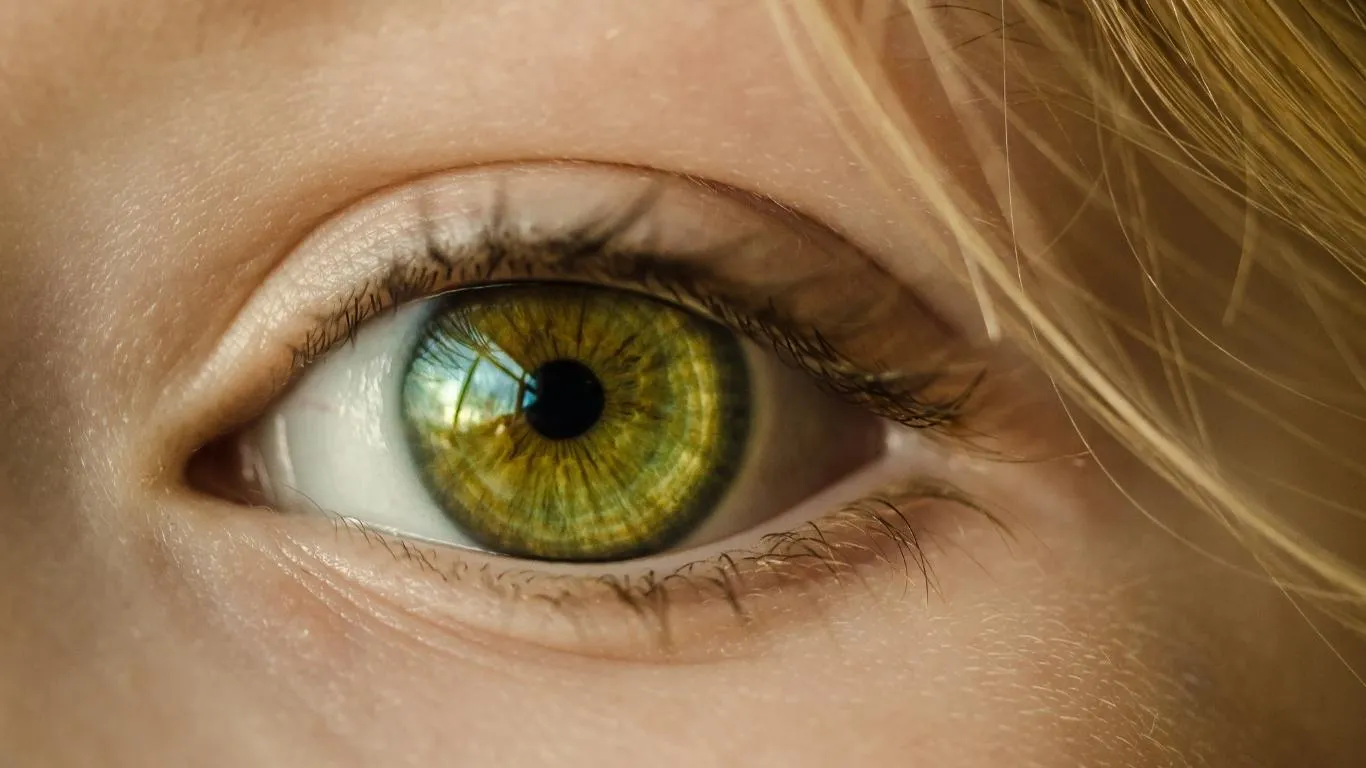
Here’s where it gets a bit geeky. When light enters your eye, it should ideally scatter in a way that the retina forms a clear image. But with floaters, these collagen bits float in the vitreous and cast shadows on the retina. In pastel-colored rooms, the gentle and diffused lighting lacks the “visual noise” to mask these shadows, making them appear more prominent.
According to American Academy of Ophthalmology, floaters become particularly noticeable in uniformly lit environments, such as clear skies or light-colored walls, because the absence of visual clutter allows the shadows to stand out sharply.
My Personal Experience: Why Pastels Are the Worst
I never thought colors could mess with my vision until I moved into an apartment with pastel-themed décor. It had these calming lilac walls, a cream-colored ceiling, and pale wooden floors. The moment sunlight hit, I felt like my floaters were on a parade across my field of vision. Even when I looked away or blinked rapidly, they kept floating back into view. I found some relief by swapping pastel curtains with darker shades and adding a few bold-colored wall hangings. Surprisingly, that visual contrast helped reduce how often I noticed them.
Other Environments Where Floaters Become More Noticeable
- Bright computer screens with white backgrounds
- Looking at snow-covered landscapes
- Using mobile phones in dark rooms
- Reading books with crisp white pages under sunlight
These environments act similarly to pastel-colored rooms by minimizing distractions in your visual field, making floaters pop out even more. If you’ve been struggling with floaters while working on light-themed apps or staring at bright walls, you’re definitely not alone.
In fact, floaters often become a lot worse after intense visual focus sessions, especially when your eyes are adjusting to different light sources. You can read more about this interesting connection in this detailed article which explains why screen-time makes eye floaters worse.
Small Adjustments That Can Help
- Switch to Medium-Tone Wall Colors: Neutral grays or soft terracotta reduce floaters’ visibility without darkening the space.
- Adjust Room Lighting: Using warm, diffused light bulbs can help scatter light more effectively, diminishing floaters’ shadows.
- Add Contrasting Décor Elements: Bold patterns and darker furniture introduce visual noise that helps “distract” your perception from floaters.
- Limit Staring at Uniform Surfaces: Break long sessions of screen or book reading by shifting your focus to textured surfaces.
There’s also an interesting overlap between pastel visibility and floaters appearing after intense focus or concentration. If you’ve ever noticed more floaters after long reading or design work in minimalistic pastel environments, this article dives deeper into why that happens.
When Floaters Could Signal More Than Just a Nuisance
While most floaters are harmless, sometimes a sudden burst or significant increase could hint at serious conditions like a retinal tear or detachment. Recognizing when floaters are a benign annoyance versus a medical concern is critical. I highly recommend reading this guide that outlines warning signs you shouldn’t ignore.
For an in-depth understanding of floaters, their causes, and treatment options, don’t miss out on our main guide on eye floaters. It’s a comprehensive breakdown that answers pretty much everything you need to know.
If pastel-colored rooms have been driving you crazy with floaters, you’re not alone. But here’s the thing – it’s not just about colors. There’s a lot more going on beneath the surface. In Part 1, we talked about how soft, pale environments make floaters more obvious. But what if I told you there are habits and hidden factors in your daily life that quietly make these floaters worse over time?
Daily Habits That Amplify Floaters in Soft-Toned Environments
One mistake I used to make (and you probably do too) is spending long hours scrolling my phone while lying in bed under soft-colored sheets and pastel walls. That combo is a recipe for floaters to hijack your vision. Why? Because your eyes are dealing with both uniform backgrounds and eye strain simultaneously.
Another common trigger is working in pastel-themed offices with bright overhead lighting. If you’re sitting under fluorescent lights bouncing off light-colored walls, your floaters get a perfect stage to perform their unwanted show. You might want to explore this article on how fluorescent lighting makes floaters worse.
Simple Behavioral Tweaks You Can Try
- Use darker digital themes: Switch your devices to dark mode to reduce the visual contrast that makes floaters stand out.
- Take regular visual breaks: Every 20 minutes, look at an object 20 feet away for at least 20 seconds.
- Mind your posture: Slouching or awkward neck angles can increase eye strain, making floaters more noticeable.
Pastel surroundings aren’t inherently bad, but combined with long hours of screen time, poor hydration, and lack of eye movement, they create the perfect storm for floaters to steal the spotlight.
Lighting Adjustments That Actually Work
One of the best tweaks I’ve done in my workspace is installing adjustable warm-light desk lamps. Direct overhead lighting tends to highlight floaters because of how it floods the room uniformly. But side lighting with adjustable intensity helps minimize harsh contrasts. Another surprisingly effective trick? Using indirect floor lamps that bounce light off darker-colored walls.
You might also want to read this insightful piece on how bright lights can amplify floaters and what lighting conditions actually help.
Natural Remedies: What Works & What’s Just Hype

Let’s be honest, we’ve all Googled “natural cures for floaters” at some point. Some swear by herbal supplements, while others promote eye exercises. From my experience, no miracle pill will dissolve floaters overnight. However, certain nutrients like Omega-3 fatty acids, Vitamin C, and Lutein can support overall eye health. Hydration is another underrated yet crucial factor. When I upped my daily water intake, I noticed my floaters became less bothersome, especially in brightly lit, pastel-colored spaces.
For a deeper dive into science-backed supplements that can help with floaters, check out this detailed guide.
When Professional Treatment Becomes Necessary
Most floaters are harmless and don’t require medical intervention. However, if you experience a sudden increase in floaters, flashes of light, or vision loss, you should see an eye specialist immediately. These could be early signs of retinal tears or detachment. Procedures like YAG laser vitreolysis or a more invasive vitrectomy are options when floaters severely impact daily life.
This article on eye floater treatments explains the different treatment routes, from simple observation to surgical interventions.
Understanding the Psychological Impact of Floaters
Here’s something people rarely talk about—floaters can quietly mess with your mental well-being. I remember a phase when I became hyper-fixated on them, especially when I was working in a pastel-colored studio. It felt like a constant distraction that led to irritability and even mild anxiety. You’re not crazy if you feel the same way.
In fact, floaters can significantly affect daily comfort and mental focus. There’s a great article on how floaters impact mental health that I highly recommend reading if this resonates with you.
Proactive Steps to Stay Ahead of Floaters
- Routine Eye Exams: Don’t skip those yearly check-ups. Early detection of vitreous changes can prevent serious complications.
- Stay Active: Regular physical activity supports healthy blood circulation, which benefits your eyes.
- Limit Screen Time: Take digital detox breaks and use screen filters to reduce blue light exposure.
- Mindful Environment Design: Incorporate deeper tones or textured wallpapers in pastel-themed rooms to reduce floater visibility.
For a broader understanding of eye floaters and how to differentiate them from other eye conditions, visit our comprehensive guide on eye floaters vs other eye problems.
If you’re just starting to explore the basics, causes, and treatments of floaters, this foundational guide is your best starting point to build a clear understanding.

Camellia Wulansari is a dedicated Medical Assistant at a local clinic and a passionate health writer at Healthusias.com. With years of hands-on experience in patient care and a deep interest in preventive medicine, she bridges the gap between clinical knowledge and accessible health information. Camellia specializes in writing about digestive health, chronic conditions like GERD and hypertension, respiratory issues, and autoimmune diseases, aiming to empower readers with practical, easy-to-understand insights. When she’s not assisting patients or writing, you’ll find her enjoying quiet mornings with coffee and a medical journal in hand—or jamming to her favorite metal band, Lamb of God.