Daily Anxiety Checklist That Helps You Regain Calm And Control
Ever felt like your mind is running a marathon before you even get out of bed? Yeah, me too. Anxiety has a sneaky way of creeping into our daily routines, often without us realizing it. That’s why having an anxiety checklist for daily self-assessment isn’t just helpful—it’s a sanity saver. Over the years, I’ve learned that catching anxiety patterns early gives you a huge advantage. It’s like spotting a leak before it floods the whole house.
Why You Need a Daily Anxiety Self-Assessment

Let’s be honest—most of us are so caught up in our daily grind that we don’t stop to ask, “How am I really feeling today?” That’s where a simple self-assessment checklist comes in. It’s not about overanalyzing every emotion but becoming aware of subtle signs that could snowball if ignored.
According to National Institute of Mental Health, anxiety disorders are among the most common mental health issues, yet many people go undiagnosed for years. A daily self-check can bridge that gap, giving you the power to manage symptoms before they spiral.
Key Elements to Include in Your Anxiety Checklist

1. Physical Symptoms Scan
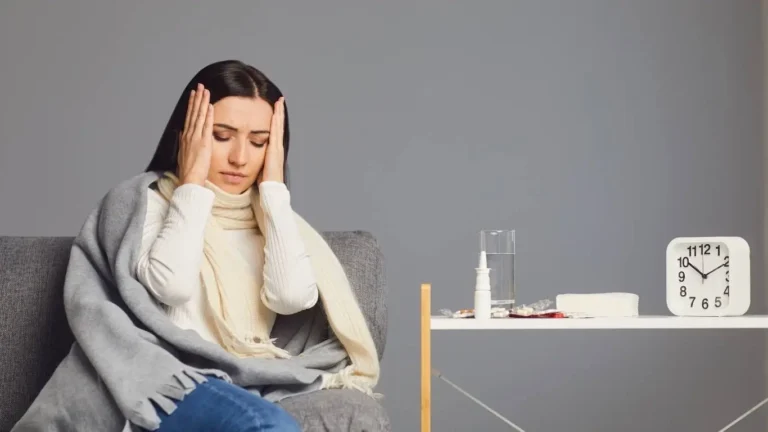
- Do you feel chest tightness or unusual heart palpitations?
- Is there a nagging headache or muscle tension you can’t shake off?
- Have you been feeling dizzy or lightheaded without a clear reason?
Physical symptoms are often the first to show up, even before your mind catches on. If these symptoms sound familiar, you’re not alone. Many people experience them daily without linking them to anxiety. Here’s why dizziness and anxiety are often overlooked.
2. Emotional Check-in
- Are you feeling unusually irritable or snappy?
- Do you catch yourself overthinking minor issues?
- Is there a lingering sense of dread or nervousness?
I used to brush off my irritability as ‘just a bad mood,’ but in reality, it was anxiety knocking. Emotional check-ins are like emotional weather reports—they help you prepare for storms before they hit.
3. Sleep & Rest Patterns
- Did you have trouble falling or staying asleep last night?
- Are you waking up feeling unrested, no matter how many hours you sleep?
Quality of sleep is one of the most overlooked indicators of rising anxiety levels. If sleep disturbances are becoming a pattern, it’s time to take notice. You can read more about how anxiety disrupts your sleep patterns.
Behavioral Signs You Should Never Ignore

Let’s talk behavior. Anxiety doesn’t just live in your head; it hijacks your daily habits in sneaky ways.
1. Avoidance Patterns
Are you dodging phone calls, procrastinating on simple tasks, or avoiding social plans? These small actions often signal a larger anxiety issue brewing beneath the surface. If avoidance becomes your default response, it’s a clear red flag. Learn more about why avoidance worsens anxiety cycles.
2. Overplanning & Control-Seeking Behavior
I’m guilty of this one. When anxiety peaks, I find myself making endless to-do lists just to feel in control. While planning is great, overplanning is a subtle anxiety coping mechanism. The key is to differentiate productive planning from anxiety-fueled micromanagement. More on this behavior in this article about overplanning and anxiety.
Quick Self-Assessment Questions for Busy Days

We all have hectic days when detailed checklists are just not practical. Here’s a shortcut I often use:
- On a scale of 1-10, how tense do I feel physically?
- Am I breathing deeply or shallow today?
- Have I been unusually snappy or withdrawn?
- Did I avoid something today because it felt “too much”?
It’s not about perfection; it’s about awareness. Even a 60-second check-in can prevent an anxiety spiral later in the day. For a more comprehensive approach, I highly recommend checking out this guide on the Beck Anxiety Inventory.
When Self-Assessment Isn’t Enough
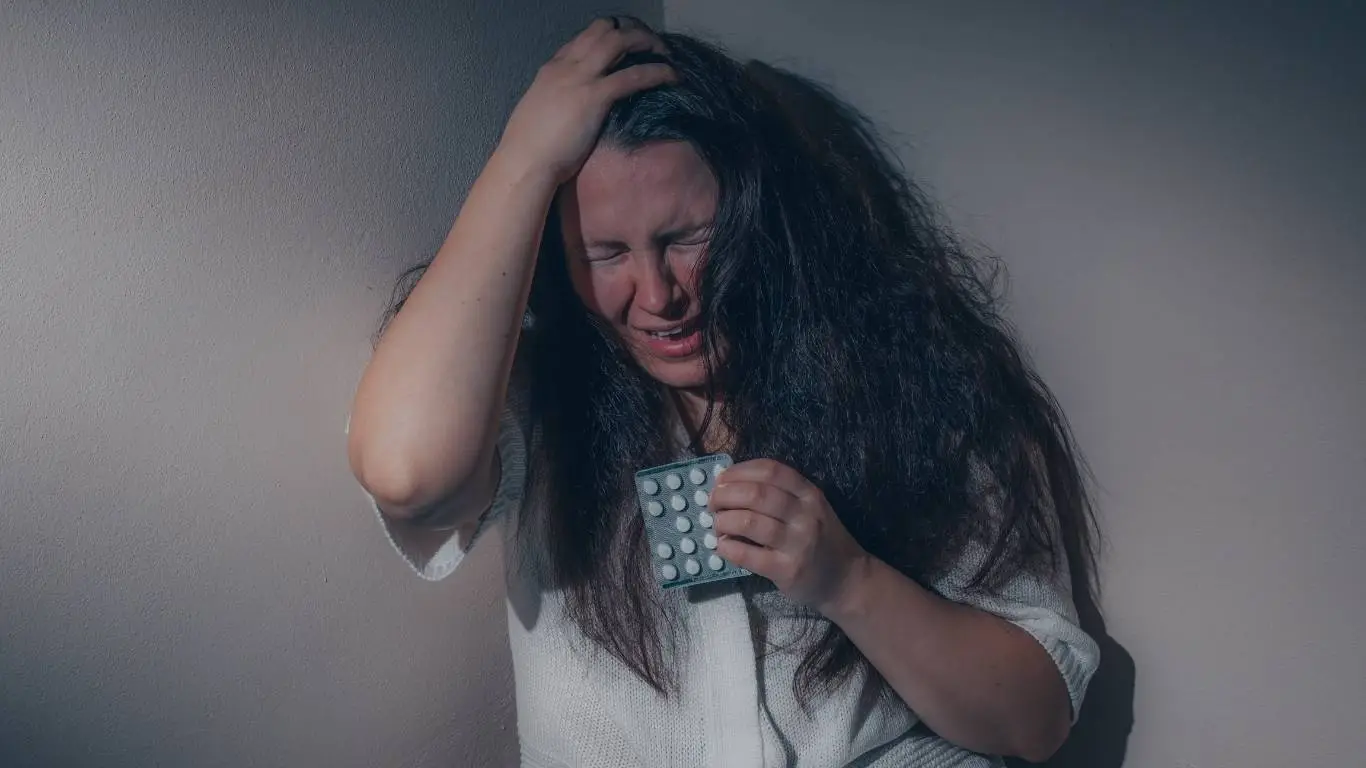
While daily self-assessments are powerful, they’re not a substitute for professional evaluation if symptoms persist. I learned this the hard way. Ignoring prolonged anxiety can lead to burnout, panic attacks, and even physical health issues. If your checklist keeps flagging recurring issues, consider a formal assessment. Here’s a resource that breaks down how proper anxiety diagnosis and assessment works.
For an in-depth understanding of how anxiety quietly infiltrates daily routines, don’t miss this essential read: Why Anxiety Disorders Can Secretly Control Your Daily Life.
How to Use Your Anxiety Checklist to Build Healthier Habits

Checking off items on an anxiety checklist is a good start, but it’s what you do with those insights that truly changes the game. I used to jot down my symptoms and then… do nothing. Big mistake. The checklist isn’t the goal; it’s the compass guiding you toward healthier habits.
One habit that’s been a game-changer for me is using journaling prompts designed for anxiety relief. Not just venting, but structured prompts that help identify patterns and triggers. You can explore effective journaling techniques in this article.
Micro-Actions That Lead to Big Shifts
- Breathing Breaks: Set a timer to take deep breaths every couple of hours.
- Movement Moments: Even a 5-minute stretch can release pent-up tension.
- Digital Detox: Limit doom-scrolling that fuels anxiety spirals.
These micro-actions, when done consistently, rewire how your body and brain respond to stress. I can’t tell you how often a simple breathing exercise snapped me out of an impending anxiety episode. A detailed guide on breathing techniques for anxiety is a must-read if you’re just starting.
Common Anxiety Checklist Mistakes to Avoid

Alright, let’s keep it real—I’ve messed up my fair share of self-assessments. It’s easy to fall into traps that make the process less effective. Here are a few mistakes I’ve learned (the hard way) to avoid:
- Overcomplicating It: If your checklist feels like a dissertation, you’re doing too much. Simplicity wins.
- Using It for Self-Criticism: The checklist is a tool for awareness, not a weapon for self-judgment.
- Inconsistency: A once-a-month check-in isn’t going to cut it. Consistency builds self-awareness muscle.
I also found that some people mistake physical symptoms for something more severe, which leads to unnecessary panic. That’s why knowing the difference between anxiety symptoms and serious health issues is crucial.
Integrating Professional Support with Daily Checklists

One thing I wish I had done sooner was bringing my daily self-assessment data to therapy. I used to think, “It’s just personal notes.” But when I shared my daily patterns with my therapist, we uncovered root triggers I had missed. This collaborative approach isn’t just helpful—it’s transformative.
Therapies like Cognitive Behavioral Therapy (CBT) benefit tremendously from consistent self-monitoring. Here’s a resource that breaks down CBT techniques that integrate well with daily assessments.
Medical Checklists vs. Personal Checklists
It’s important to understand the difference between clinical diagnostic tools and daily self-checks. Tools like the GAD-7 Questionnaire are structured assessments used in medical settings. Your daily checklist, however, is more fluid and tailored to your personal experiences.
Daily Self-Assessment and Lifestyle Adjustments

One of the best things you can do after identifying anxiety patterns is making small but impactful lifestyle adjustments. Think of it as turning tiny dials rather than flipping a big switch.
Dietary Tweaks That Support Mental Calm
I didn’t realize how much my morning coffee was sabotaging my mental calm until I started tracking my symptoms. For some, caffeine can be a major trigger. Here’s a breakdown of why caffeine might be fueling your anxiety.
Adding magnesium-rich foods and omega-3 fatty acids made a noticeable difference in my anxiety levels over time. For those curious, there’s a helpful resource on magnesium’s calming effect on anxiety.
Routine Optimization
- Set a Predictable Morning Routine: It reduces anticipatory anxiety.
- Evening Wind-Down Ritual: Helps signal to your brain it’s time to relax.
- Mindful Transitions: Build small pauses between activities to prevent overwhelm.
It’s these small tweaks that slowly but surely make your mind a calmer place to live in.
Turning Your Checklist into a Long-Term Anxiety Management Tool

Initially, using a checklist might feel like an extra task, but soon it becomes second nature. Over time, it transforms into a self-awareness habit that empowers you to recognize triggers early, adjust proactively, and seek help when needed. That’s the real power of a self-assessment—it gives control back to you.
For a deeper dive into lifestyle adjustments, therapies, and holistic strategies, this comprehensive guide on lifestyle and self-help strategies for anxiety disorders is a goldmine.
Remember, anxiety doesn’t have to secretly control your life. The smallest daily actions can create the biggest shifts.

Camellia Wulansari is a dedicated Medical Assistant at a local clinic and a passionate health writer at Healthusias.com. With years of hands-on experience in patient care and a deep interest in preventive medicine, she bridges the gap between clinical knowledge and accessible health information. Camellia specializes in writing about digestive health, chronic conditions like GERD and hypertension, respiratory issues, and autoimmune diseases, aiming to empower readers with practical, easy-to-understand insights. When she’s not assisting patients or writing, you’ll find her enjoying quiet mornings with coffee and a medical journal in hand—or jamming to her favorite metal band, Lamb of God.