How Bacterial Vaginosis Postpartum Catches New Moms Off Guard And What To Do About It
It’s funny how no one tells you about the less glamorous side of postpartum recovery. You prepare for the sleepless nights, the emotional rollercoaster, and even the avalanche of diaper changes. But when I first experienced that strange, unpleasant odor just a few weeks after giving birth, I was confused, embarrassed, and frankly, a little panicked. Little did I know, I was facing a very common but rarely talked-about postpartum visitor—Bacterial Vaginosis (BV). If you’re in the thick of postpartum recovery and wondering what’s going on down there, you’re not alone. Let’s dive into how BV shows up during postpartum, why it happens, and most importantly, what you can do about it.
Understanding BV in the Postpartum Period

Bacterial Vaginosis is not an infection you get from poor hygiene. In fact, after childbirth, it’s the over-cleansing and hormonal shifts that often throw off the vagina’s natural bacterial balance. During postpartum recovery, your body is trying to recalibrate, and sometimes, it needs a little help.
Why Postpartum Women Are More Prone to BV
- Hormonal Fluctuations: Estrogen levels plummet after childbirth, leading to a drier vaginal environment, making it easier for harmful bacteria to take over.
- Disrupted pH Balance: Post-delivery lochia (vaginal discharge) combined with over-washing or using scented products can disrupt the pH balance.
- Weakened Immune Response: Your body is healing from delivery, making it less effective at fighting off bacterial overgrowth.
One of the earliest signs I noticed was a persistent fishy odor, especially after intimacy or workouts. For a while, I thought it was just “normal postpartum stuff” until I stumbled upon an article that made everything click. Here’s what BV odor really means.
Spotting the Signs Early

The tricky part is that BV symptoms can be subtle or easily confused with other postpartum changes. But there are a few distinct signs to look for:
- Thin, watery discharge that’s greyish or white.
- Noticeable odor—often described as “fishy” and worsens after intercourse.
- Mild itching or irritation, though not always present.
Some moms, including myself, never experience pain or discomfort, which makes it even sneakier. If you’re not sure whether it’s BV or something else, this guide on how to self-diagnose BV might come in handy.
Managing BV During Postpartum Recovery
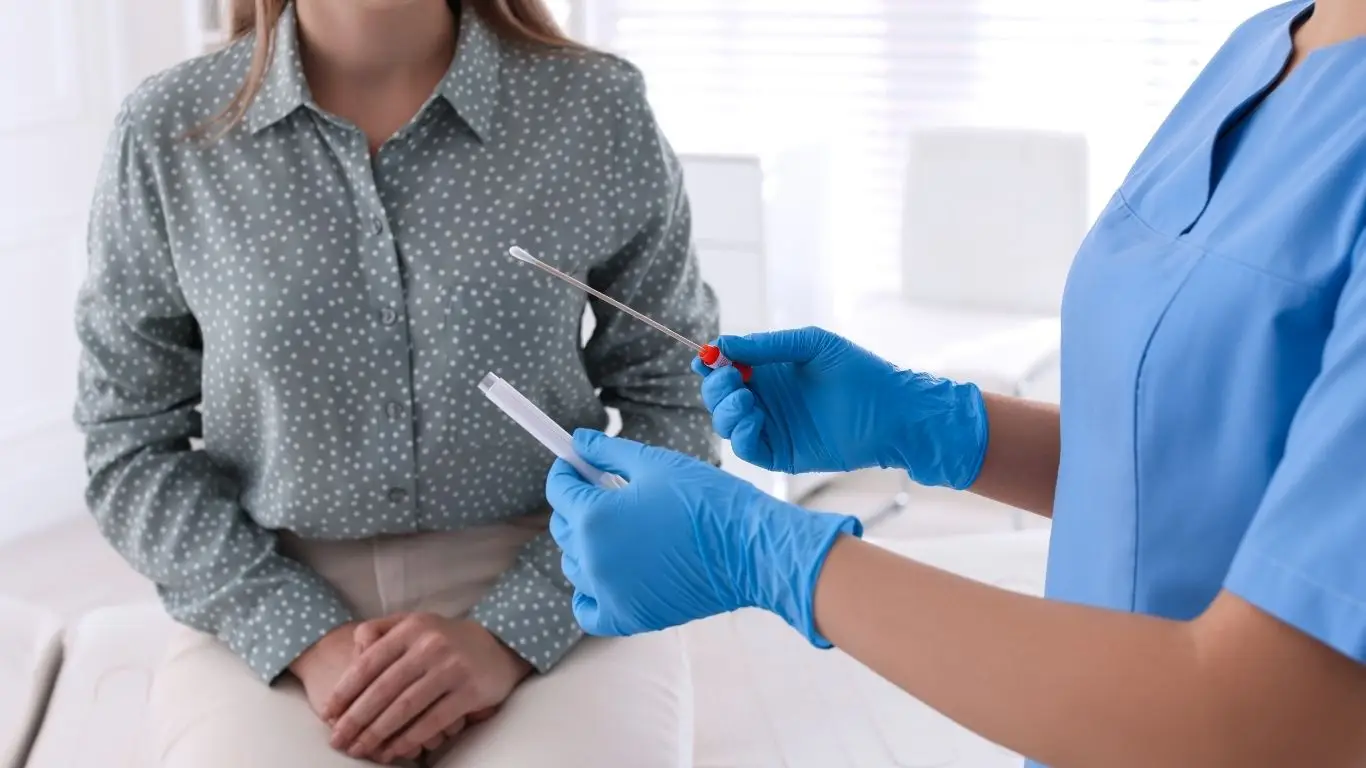
Once you’ve identified the signs, managing BV becomes much less daunting. Here’s what helped me navigate through the ordeal:
Medical Treatments
- Metronidazole: A go-to antibiotic for BV. I was prescribed the gel form to avoid upsetting my gut flora during breastfeeding. More on how Metronidazole treats BV.
- Clindamycin: An alternative antibiotic, often used if Metronidazole isn’t suitable.
Natural and At-Home Remedies
Not everyone is comfortable jumping straight into antibiotics, especially while breastfeeding. Here’s what many postpartum moms (including me) find useful:
- Probiotics: Daily intake of probiotics, both oral and vaginal, can help restore healthy bacteria. This article on Probiotics for BV was a game-changer for me.
- Apple Cider Vinegar Baths: Though not a cure, it provides temporary pH balance relief.
- Switch to Cotton Underwear: Allows better airflow and reduces moisture buildup.
I also learned that BV doesn’t just resolve on its own. Ignoring it can lead to complications, especially during the fragile postpartum phase. If you’re curious, you should read this in-depth piece about what happens if BV is untreated.
Preventing Recurrence—What Actually Works

Here’s the tough part: BV is notorious for coming back. I went through two rounds of treatment before figuring out a prevention strategy that stuck.
Daily Habits that Help
- Gentle Hygiene: Avoid scented soaps, douches, or aggressive washing techniques. Mild, pH-balanced cleansers are the way to go.
- Post-Intercourse Care: Rinse with plain water after intimacy to restore balance without stripping natural flora.
- Diet Adjustments: Limiting sugar intake really made a difference in keeping BV at bay. Curious how sugar affects BV? This article explains it well.
There’s also a comprehensive guide on long-term BV prevention strategies that I highly recommend bookmarking.
If you’re looking to understand how BV interacts with other postpartum recovery aspects, this main pillar resource on BV Types and Anatomy offers a detailed breakdown. For a broader context on postpartum-related concerns, the main BV resource is a great place to start exploring.
Effective Long-Term BV Management for Postpartum Moms

Once you’ve cleared an episode of BV, the next hurdle is keeping it from returning—something I learned the hard way. After my second flare-up, I realized that postpartum recovery is not just about healing but also about maintaining a delicate balance. Let’s talk about strategies that actually work to prevent BV from coming back, so you don’t have to constantly live in fear of a relapse.
Simple Lifestyle Tweaks That Make a Difference
- Wear Breathable Fabrics: Ditch the tight yoga pants and synthetic underwear—opt for breathable cotton. This small change drastically reduced my recurrence episodes.
- Stay Hydrated: It sounds basic, but drinking enough water helps flush out toxins and supports your body’s natural defenses.
- Rethink Your Diet: Cut down on refined sugars and processed foods. Here’s a helpful guide on foods to avoid when you’re prone to BV.
One tip my OB-GYN gave me was to take daily probiotics specifically formulated for women’s vaginal health. I was skeptical at first, but consistent use made a noticeable difference. You can read more about probiotic routines here.
Intimate Hygiene: What Works and What to Avoid

One of the biggest misconceptions is that BV is caused by “being unclean.” Ironically, it’s often over-cleaning that disrupts the natural flora. After my first BV scare, I became obsessive about hygiene, not realizing I was making it worse.
Postpartum Hygiene Do’s and Don’ts
- Do use unscented, mild soaps formulated for intimate areas.
- Don’t douche—ever. It strips away protective bacteria.
- Do wear breathable pads or liners if needed, but change them frequently.
- Don’t use scented wipes, even if they’re labeled “feminine hygiene.”
If you’re unsure about which hygiene habits are safe postpartum, this comprehensive article on how to clean without disrupting pH balance is a must-read.
Sexual Health and BV: What Postpartum Moms Should Know

Let’s be honest—postpartum intimacy is already complicated, and when BV is added to the mix, it becomes even trickier. One thing that caught me off-guard was how BV symptoms often flared after intimacy, making me feel self-conscious and frustrated.
Steps to Minimize Post-Intercourse BV Flare-Ups
- Use Protection: Condoms help prevent the mixing of different bacterial ecosystems, which can trigger an imbalance.
- Rinse with Water Post-Intimacy: Simple water rinse helps maintain pH without harsh cleansers.
- Open Communication: Talk to your partner about it. Trust me, it reduces the anxiety significantly.
One question I had early on was whether my partner could be reintroducing BV bacteria. This article clears up whether partners need treatment or not.
Recurrence Triggers You Should Watch For

Even when you think you’re in the clear, BV can sneak back due to common triggers. For me, it was a combination of stress, tight clothing, and those tempting bubble baths. Here’s what to keep an eye on:
- Stress Levels: High cortisol can disrupt your body’s natural bacterial balance. Meditation or even short walks can help.
- Menstrual Products: Certain tampons or pads can worsen symptoms. Consider switching to organic, unscented products.
- Hormonal Birth Control: Some hormonal contraceptives can impact vaginal flora. If you’re noticing a pattern, discuss alternatives with your doctor.
There’s a great piece explaining common triggers of recurrent BV that’s worth checking out.
Finding the Right Support

Dealing with BV postpartum can feel isolating, but it doesn’t have to be. Finding a healthcare provider who listens and understands is crucial. I also found that joining postpartum support groups—both online and offline—made a world of difference in managing the emotional toll.
For a comprehensive look at how BV affects postpartum women and recovery, this in-depth article on BV in special populations is a must-read. Additionally, you can always refer to the main BV hub for up-to-date resources and expert guidance.

Dr. Gwenna Aazee is a board-certified Internal Medicine Physician with a special focus on hypertension management, chronic disease prevention, and patient education. With years of experience in both clinical practice and medical writing, she’s passionate about turning evidence-based medicine into accessible, actionable advice. Through her work at Healthusias.com, Dr. Aazee empowers readers to take charge of their health with confidence and clarity. Off the clock, she enjoys deep dives into nutrition research, long walks with her rescue pup, and simplifying medical jargon one article at a time.