Why You Might See More Floaters When Smelling Strong Essential Oils
Ever caught yourself sniffing a strong essential oil, only to suddenly notice strange little specks or squiggly lines drifting across your vision? It’s oddly disconcerting, right? I remember the first time this happened to me with a peppermint diffuser—thought I was losing it. Turns out, seeing floaters when smelling strong essential oils is more common than people think, yet hardly anyone talks about it. Let’s unravel this bizarre connection that might be happening right under our noses—literally.
What Are Eye Floaters and Why They Appear Unexpectedly
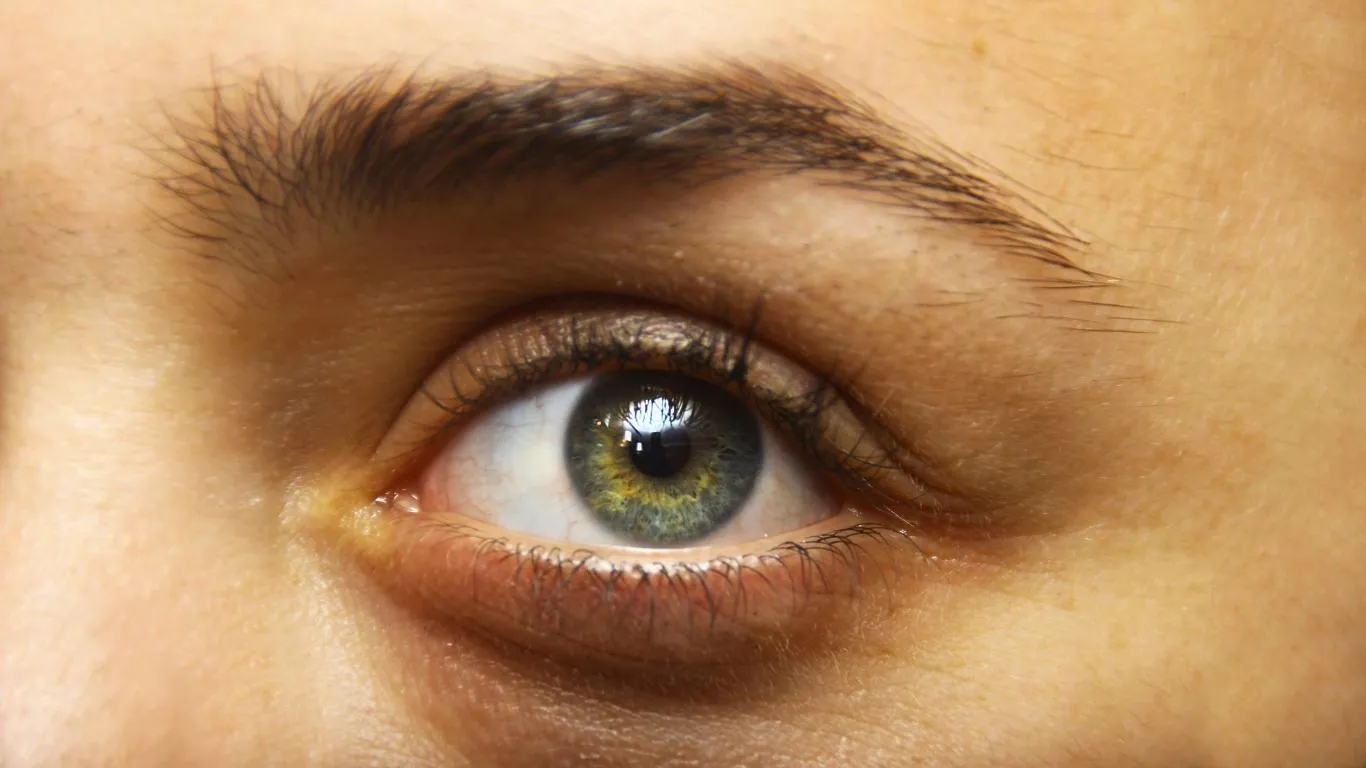
Eye floaters are those translucent, shadowy shapes—like cobwebs, spots, or thread-like lines—that drift across your vision, especially against bright backgrounds. They’re essentially tiny bits of protein, collagen, or cellular debris floating within the vitreous humor, the gel-like substance filling your eyeball.
Normally, these floaters are harmless and part of the eye’s natural aging process. However, certain triggers can suddenly make them more noticeable or even cause new ones to appear. Smelling strong essential oils is one of these oddly specific triggers that’s baffling people.
Can Essential Oils Really Trigger Eye Floaters?
Essential oils have potent aromatic compounds that can stimulate not just your sense of smell but also affect your body’s internal responses. Some theories suggest that exposure to intense scents, like eucalyptus or peppermint, might:
- Cause sudden changes in eye pressure or fluid dynamics.
- Trigger minor ocular migraines without the headache.
- Lead to momentary irritation or dryness in the eyes, enhancing floater visibility.
While there isn’t a ton of formal research pinpointing this connection yet, anecdotal experiences are piling up. I even stumbled upon a few cases where blood flow restriction near the eyes seemed to amplify floater visibility when essential oils were involved.
Possible Explanations Why This Happens
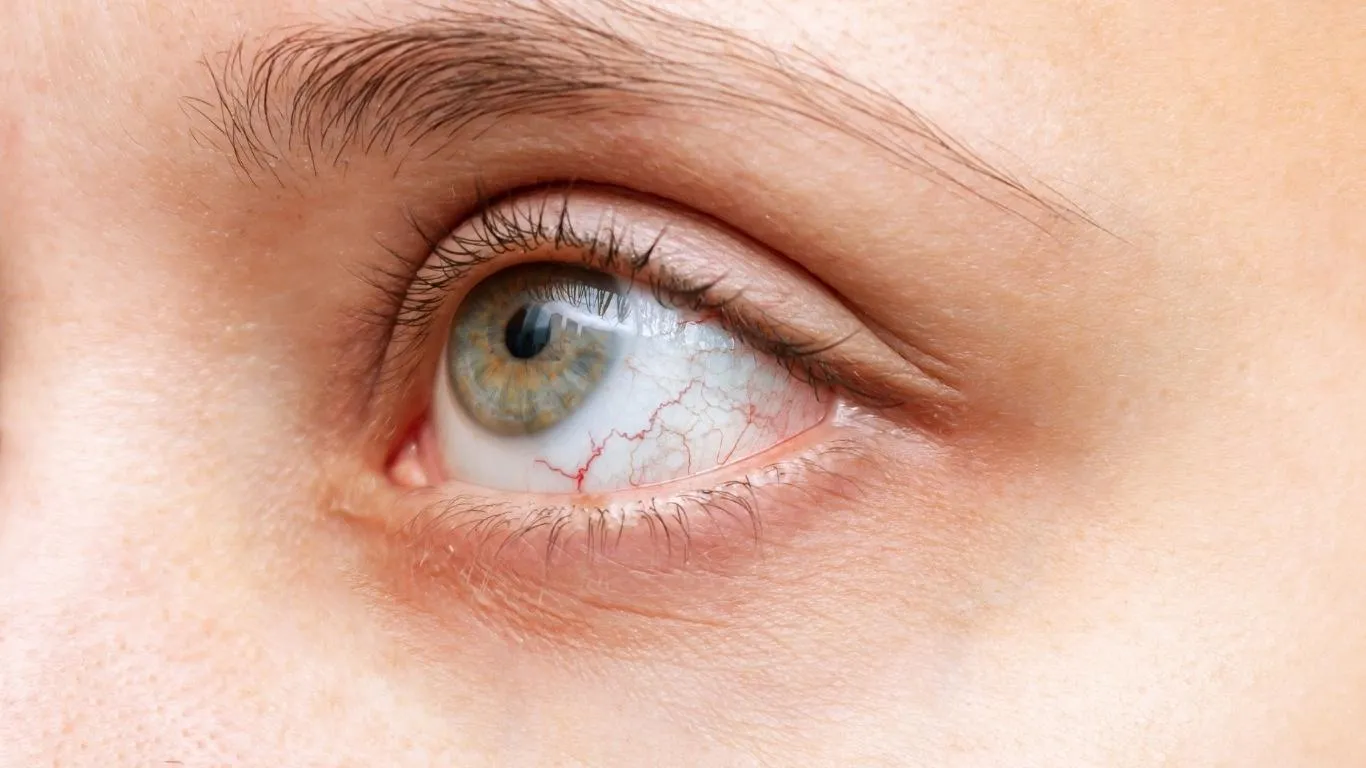
1. Vasodilation and Blood Flow Changes
Many essential oils are known vasodilators—they temporarily widen blood vessels. When this happens near sensitive ocular regions, it might alter intraocular pressure, making floaters suddenly more prominent. Oils like peppermint, cinnamon, and clove are notorious for this effect.
2. Dry Eye Syndrome Exacerbation
Strong aromatic compounds can sometimes irritate mucous membranes. If you’re prone to dry eyes, inhaling intense scents could dry out your tear film, causing those annoying floaters to stand out more. It’s a subtle trigger but incredibly real. Learn more about how dry eye syndrome worsens floaters if this sounds familiar.
3. Light Sensitivity and Visual Processing
Ever noticed floaters becoming more noticeable in bright light? Essential oils like citrus blends can increase your light sensitivity, making your visual system hyper-aware of the tiny floaters already lurking in your vitreous. It’s a sensory overload phenomenon.
Who’s More Prone to Floaters Triggered by Essential Oils?
Not everyone who enjoys aromatherapy will experience this. However, you’re more likely to notice floaters after inhaling strong scents if you:
- Already have a history of floaters or vitreous degeneration.
- Are prone to ocular migraines or light sensitivity.
- Suffer from dry eyes or tear film instability.
- Experience allergies or sinus issues that affect ocular pressure.
There’s also an interesting link between emotional stress and persistent floaters. Stress can heighten sensory responses, making any minor visual disturbance feel amplified when combined with environmental triggers like strong essential oils.
Is This a Sign of Something More Serious?
Most of the time, floaters from essential oil exposure are harmless and temporary. However, if you notice:
- A sudden shower of new floaters.
- Flashes of light accompanying the floaters.
- Peripheral vision loss or a dark curtain effect.
You might be dealing with a more serious condition like a retinal tear or detachment. In such cases, consult an eye specialist immediately. You can also refer to our detailed guide on when floaters signal dangerous underlying issues.
Managing Floaters Triggered by Aromatherapy: What Works?
While you can’t always control how your eyes react, you can minimize the chances of essential oils triggering floater episodes. Here are some practical steps:
- Ensure good ventilation when diffusing strong scents.
- Use milder oils or dilute heavily concentrated blends.
- Stay hydrated to maintain optimal vitreous clarity.
- Consider protective eyewear if you’re sensitive to airborne irritants.
In some cases, floaters may persist, especially if underlying vitreous changes are progressing. Check out this comprehensive resource on treatment options for stubborn eye floaters.
Understanding the Bigger Picture of Eye Floaters
Floaters aren’t just random nuisances; they often reflect what’s happening inside your eyes. While essential oils might not directly cause new floaters, they can amplify the visibility of existing ones through sensory pathways. For a foundational understanding of floaters, their causes, and treatment avenues, explore our main guide on what eye floaters are and how to manage them.
Can Repeated Exposure to Essential Oils Make Floaters Worse Over Time?
This is a question that kept bugging me, especially since I’m a bit of an essential oil fanatic. The truth is, while essential oils themselves don’t directly cause new floaters, repeated exposure—especially in poorly ventilated spaces—could make existing floaters feel more pronounced. Prolonged sessions with intense scents can trigger subtle ocular responses like:
- Persistent mild eye strain.
- Temporary fluctuations in intraocular fluid dynamics.
- Exacerbation of dry eyes or surface irritation.
Over time, this could create a cycle where your awareness of floaters heightens, making them feel worse than they actually are. Some specialists suggest that individuals with conditions like diabetes-related eye issues might be more susceptible to such sensory amplifications.
Is There a Safe Way to Enjoy Essential Oils Without Aggravating Floaters?
You don’t have to give up aromatherapy altogether. I still use essential oils, but I’ve learned to tweak my environment. Here are a few hacks that’ve worked wonders for me:
- Use Passive Diffusers: Instead of ultrasonic diffusers that disperse large amounts of vapor, opt for reed diffusers or ceramic passive diffusers that release scents gradually.
- Ventilation is Key: Always crack a window open or ensure cross-ventilation to prevent the build-up of concentrated aromatic compounds.
- Stay Hydrated: Maintaining adequate fluid intake keeps your eyes’ vitreous gel stable and less prone to floater disturbances.
- Choose Gentle Scents: Floral or woody notes like lavender or sandalwood are less likely to cause ocular irritations compared to intense mentholated oils.
If you’re sensitive to environmental changes, it’s also worth learning about how severe allergies could trigger floaters, since allergens often accompany strong scents in enclosed spaces.
When Should You Be Concerned About Floaters After Aromatherapy?
If your floaters are mild and only appear during or after exposure to essential oils, it’s usually nothing to stress over. However, red flags to watch for include:
- A sudden increase in the number of floaters.
- Accompanying symptoms like flashing lights or vision dimming.
- Persistent floaters that don’t subside hours after exposure.
In such cases, immediate professional evaluation is crucial. These symptoms could indicate underlying issues like vitreous detachment or even early-stage retinal tears. Our guide on floaters that might indicate retinal tears provides a deeper dive into this.
Can Lifestyle Adjustments Reduce Floaters Sensitivity?
I’ve personally found that holistic lifestyle tweaks can dramatically reduce how noticeable floaters are, even when exposed to strong scents. Consider the following:
- Regular Eye Exercises: Simple eye rotations and focus shifts can improve vitreous circulation, making floaters less intrusive.
- Diet Rich in Antioxidants: Foods high in lutein, zeaxanthin, and Vitamin C support overall eye health and vitreous clarity.
- Mindfulness & Stress Management: Stress is a silent amplifier of sensory disturbances. Techniques like meditation or yoga can help reduce your perception of floaters. Check our tips on relieving stress-induced floaters.
Implementing these strategies won’t eliminate floaters, but they can make them far less disruptive to your daily life, even in aromatic environments.
When Aromatherapy Could Be a Hidden Trigger for Underlying Eye Issues
Sometimes, the problem isn’t the essential oils themselves but what they represent. If smelling certain oils triggers sinus congestion or allergic reactions, this can lead to temporary changes in eye pressure or even blood flow. These subtle shifts can exacerbate floaters. If you’ve noticed a pattern between aromatherapy sessions and ocular discomfort, it might be worth exploring potential links between sinus health and eye floaters.
When It’s Time to Consider Professional Floater Treatment Options
If your floaters are consistently bothersome—essential oil triggers aside—it might be time to consult with an eye specialist about treatment options. Advances in laser vitreolysis and micro-incision vitrectomy surgeries are offering relief to individuals for whom floaters are impacting quality of life. You can read more about these treatments in our comprehensive guide on eye floater treatment options.
As with any medical decision, it’s vital to weigh the pros and cons with a qualified professional. For many, lifestyle adjustments and understanding floater triggers—like those potent essential oils—might be enough to keep them in check.

Camellia Wulansari is a dedicated Medical Assistant at a local clinic and a passionate health writer at Healthusias.com. With years of hands-on experience in patient care and a deep interest in preventive medicine, she bridges the gap between clinical knowledge and accessible health information. Camellia specializes in writing about digestive health, chronic conditions like GERD and hypertension, respiratory issues, and autoimmune diseases, aiming to empower readers with practical, easy-to-understand insights. When she’s not assisting patients or writing, you’ll find her enjoying quiet mornings with coffee and a medical journal in hand—or jamming to her favorite metal band, Lamb of God.