How Anxiety Causes Numbness And Tingling That Feels Scary But Isn’t Dangerous
You know that bizarre feeling when your fingers suddenly go numb, or your face starts tingling out of nowhere? Yeah, I’ve been there too—panic rising, heart racing, convinced something’s seriously wrong. What if I told you anxiety could be the culprit? It sounds wild, but anxiety doesn’t just mess with your mind; it loves to play tricks on your body too. One of the most unnerving symptoms? That odd, pins-and-needles sensation. Let’s break down how anxiety causes numbness or tingling and why it feels so real—even when you’re perfectly healthy.
Understanding the Numbness and Tingling Sensation in Anxiety

Ever noticed how when you’re anxious, your body goes into full-on alert mode? That’s your sympathetic nervous system kicking into overdrive. It’s the same system responsible for the classic “fight or flight” response. But here’s the kicker—when it’s overactive, it doesn’t just stop at a racing heart or sweaty palms. It can cause hyperventilation, constrict blood vessels, and result in reduced blood flow to certain areas of your body. The result? That odd numbness or tingling in your hands, feet, or even your face.
When I was dealing with Generalized Anxiety Disorder (GAD), I used to think I was having a stroke every time my left arm tingled. Spoiler alert—I wasn’t. It was just anxiety playing tricks on my nervous system. Turns out, I wasn’t alone. This phenomenon is so common that it often shows up in symptoms of anxiety disorders lists.
Why Does Anxiety Trigger These Sensations?
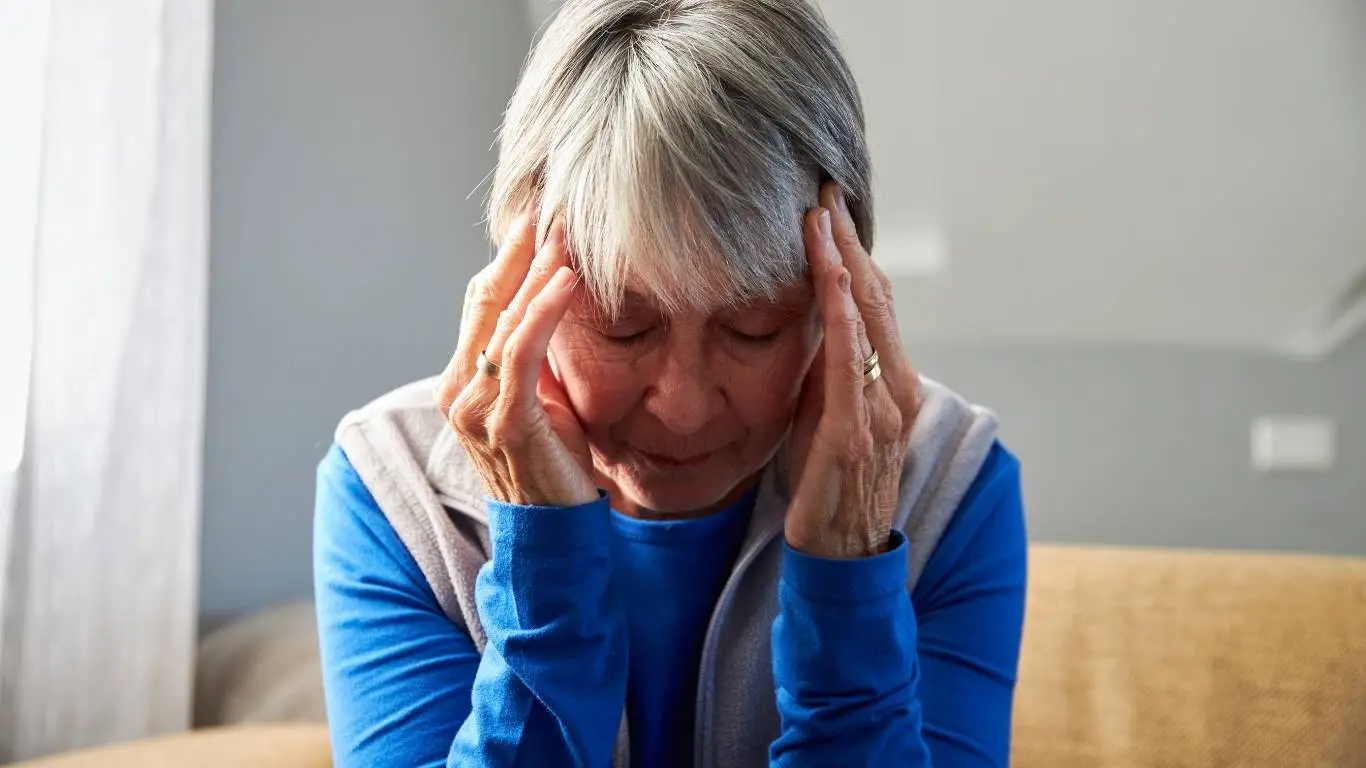
There are a few key reasons anxiety can cause numbness or tingling, and none of them mean you’re in immediate danger:
- Hyperventilation: Rapid, shallow breathing changes the levels of carbon dioxide in your blood, which can cause sensations of numbness or tingling, especially in extremities.
- Muscle Tension: Anxiety makes you subconsciously clench muscles, particularly in the neck and shoulders, which can pinch nerves and restrict circulation.
- Blood Flow Redistribution: During intense anxiety, your body redirects blood to vital organs, sometimes at the expense of your limbs.
It’s wild how your brain, trying to ‘protect’ you from a perceived threat, ends up creating physical sensations that make you feel even worse. For those wondering if it’s something more sinister like a heart issue or nerve damage, you’re not alone. Many confuse anxiety symptoms with serious medical conditions. Here’s a detailed comparison of Panic Disorder vs. Heart Attack that clears up this common anxiety-fueled fear.
Personal Story: The Day Anxiety Made My Face Go Numb

I’ll never forget sitting in traffic when half my face went numb. Cue instant meltdown. I thought it was a stroke. After a panicked ER visit (and some very patient nurses), the doctor calmly explained, “It’s anxiety.” That felt like a bizarre answer at the time, but it made sense. Anxiety had hijacked my body’s normal nerve responses. If you’ve experienced similar sensations, I highly recommend reading how anxiety-related dizziness and nerve sensations are often overlooked but very real.
How Long Does Anxiety Numbness Last?

The duration can vary. For some, it lasts minutes, for others—hours. The key is managing the root cause. Here’s the reality: the numbness and tingling won’t stop until you address the anxiety itself. That might sound frustrating, but it also means you have more control than you think.
During one particularly bad episode, I found that simple breathing exercises helped reset my nervous system. The tingling faded within minutes. Other people find that progressive muscle relaxation or even walking helps, which ties into lifestyle changes recommended in this pillar guide on self-help strategies.
When Should You Worry About Numbness?

Alright, let’s be honest—anxiety or not, numbness isn’t something you want to ignore indefinitely. Here’s when you should consider seeing a doctor:
- The numbness is persistent and doesn’t improve with relaxation techniques.
- It affects only one side of your body, which could indicate a neurological issue.
- It’s accompanied by slurred speech, sudden weakness, or vision changes.
But here’s the catch—most anxiety-induced numbness episodes are short-lived and improve as your anxiety calms. That’s why understanding the hidden causes of anxiety is crucial. This comprehensive article on anxiety’s hidden triggers dives deep into factors you might not even realize are feeding into your symptoms.
Practical Tips to Ease Anxiety-Related Numbness and Tingling

- Practice Grounding Techniques: Focus on physical sensations, like touching textured objects or naming items you see.
- Slow Down Your Breathing: Try box breathing (inhale 4 sec, hold 4 sec, exhale 4 sec, hold 4 sec).
- Loosen Up: Roll your shoulders, stretch your arms, and move your neck gently to release muscle tension.
- Hydrate: Dehydration can exacerbate nerve sensitivity.
It’s fascinating how small daily habits can shift your body’s response to stress. When I added mindfulness and hydration into my routine, I noticed those random tingling spells reduced dramatically. You might also find that adjusting your diet helps. Here’s a practical guide on nutrition and anxiety that actually makes a difference.
For a deeper understanding of how anxiety can secretly run your daily life and manifest in surprising ways, this main pillar article on anxiety’s hidden control is a must-read. It helped me connect the dots between my stress and my body’s wild reactions.
How Anxiety Tricks Your Brain into Feeling Physical Symptoms

One of the most frustrating things about anxiety is how convincingly it mimics physical illnesses. There’s a psychological loop at play here—when you start focusing on a sensation (like tingling fingers), your brain amplifies that feeling. It’s called somatic focusing. Before you know it, you’re spiraling, checking Dr. Google, and assuming the worst.
From personal experience, I used to obsess over every little bodily sensation, convinced it was a symptom of something life-threatening. What I didn’t realize was that this hyper-awareness was part of my anxiety cycle itself. The more I fixated, the worse the tingling became. It wasn’t until I stumbled upon cognitive reframing techniques, similar to what’s outlined in this article on cognitive distortions, that I could break free from this loop.
The Role of Chronic Stress in Persistent Tingling Sensations

It’s not just acute anxiety attacks that trigger these odd sensations—chronic stress can do it too. Long-term elevated stress hormones like cortisol wreak havoc on your body, including your nervous system. Prolonged stress can make your nerves hypersensitive, leading to frequent episodes of numbness and tingling even when you’re not feeling overtly anxious.
In fact, during a particularly stressful work period, I noticed my hands would tingle for hours—even when I felt “fine” mentally. It took diving into research about chronic stress’s impact on anxiety to realize how deeply interconnected it all was.
Is It Just Anxiety, or Could It Be Something Else?

Let’s address the elephant in the room: not every case of numbness is caused by anxiety. There are other medical conditions that share similar symptoms, including:
- Peripheral neuropathy (often due to diabetes or vitamin deficiencies)
- Cervical spine issues like herniated discs
- Multiple sclerosis (though rare, it’s a common fear among those with health anxiety)
The problem is, anxiety often magnifies minor, benign sensations into what feels like a medical emergency. This is why differential diagnosis is crucial. If you’re experiencing persistent, one-sided numbness, or it’s worsening, consult a healthcare professional. Here’s a helpful guide on differential diagnosis for anxiety that could give you clarity on when to seek medical help.
Daily Habits That Can Reduce Anxiety-Driven Nerve Sensations

Managing anxiety-related numbness and tingling isn’t about quick fixes. It’s about creating sustainable habits that lower your overall stress threshold. These are the small but mighty changes that made a huge difference in my life:
- Regular Movement: Even a short walk can improve circulation and calm the nervous system.
- Mindfulness Meditation: Grounding yourself in the present moment reduces the hyper-focus on bodily sensations.
- Balanced Nutrition: Keeping blood sugar stable helps minimize nerve hypersensitivity.
- Limit Stimulants: I noticed cutting back on caffeine dramatically reduced my tingling episodes. You can read more on how caffeine worsens anxiety symptoms.
I also started journaling daily, not just for mental clarity but to track when my symptoms were most pronounced. This helped me connect dots between stressors and physical sensations, something many people overlook.
Treatment Approaches That Address Both Anxiety and Physical Symptoms

If self-help strategies aren’t cutting it, don’t hesitate to seek professional guidance. Some evidence-based therapies are particularly effective for anxiety-induced numbness:
- Cognitive Behavioral Therapy (CBT): Helps reframe anxious thoughts and reduce somatic hyperfocus. This article on CBT steps for anxiety lays out actionable techniques.
- Acceptance and Commitment Therapy (ACT): Focuses on accepting bodily sensations without attaching fear to them.
- Progressive Muscle Relaxation: Teaches you to consciously release muscle tension that could be compressing nerves.
In some cases, medical interventions like SSRIs are considered, especially if anxiety is severe and persistent. Here’s what you should know about SSRIs’ effectiveness for anxiety.
Why Understanding Anxiety’s Physical Manifestations is Empowering

There’s a huge sense of relief that comes with understanding your body’s reactions. I can’t tell you how liberating it felt when I realized my numbness wasn’t a sign of an impending catastrophe, but rather my body’s quirky response to stress. Knowledge truly is power.
That said, it’s important to balance self-awareness with self-compassion. You’re not “crazy” for feeling physical symptoms from anxiety. It’s a legitimate, documented response that many, including healthcare professionals, sometimes underestimate.
To explore how anxiety disrupts daily routines in ways you might not even realize, this article on anxiety’s subtle daily disruptions is a game-changer. It helped me understand patterns in my own life that I was previously blind to.
Creating an Anxiety Response Toolkit

One of the most practical things I did was create a “response toolkit” for when anxiety-related numbness would strike. Here’s what mine looks like (feel free to adapt it!):
- A list of go-to breathing exercises
- Noise-canceling headphones for overwhelming environments
- A stress ball or textured object for sensory grounding
- A small notebook with affirmations and grounding statements
- Links to articles that rationalize and normalize my symptoms (like this one)
These may sound simple, but having a physical action plan reduces the panic that often escalates these episodes. It brings a sense of control back, which is something anxiety loves to steal from us.
Building Long-Term Resilience Against Anxiety-Induced Numbness

Managing anxiety-driven physical symptoms isn’t a one-time fix—it’s a journey. The key lies in building long-term resilience. Things like maintaining a consistent sleep schedule, setting boundaries at work, and even practicing gratitude have a profound impact over time.
Another powerful shift for me was understanding how perfectionism fueled my anxiety. If that resonates, you might find this read on perfectionism’s link to anxiety incredibly validating.
It’s a process, but every small step helps retrain your brain and body to react differently. With the right strategies and mindset, numbness and tingling won’t control you anymore. You’ll recognize it for what it is—a false alarm triggered by a mind working overtime.

Camellia Wulansari is a dedicated Medical Assistant at a local clinic and a passionate health writer at Healthusias.com. With years of hands-on experience in patient care and a deep interest in preventive medicine, she bridges the gap between clinical knowledge and accessible health information. Camellia specializes in writing about digestive health, chronic conditions like GERD and hypertension, respiratory issues, and autoimmune diseases, aiming to empower readers with practical, easy-to-understand insights. When she’s not assisting patients or writing, you’ll find her enjoying quiet mornings with coffee and a medical journal in hand—or jamming to her favorite metal band, Lamb of God.