Why Floaters Appearing After Deep Sighs Could Signal Eye Strain
Ever noticed those tiny specks or wispy strands drifting across your vision right after a deep sigh? Yeah, me too. It’s one of those oddly specific moments when you take a relaxing breath, look up at a bright wall, and suddenly, these floaters come alive like uninvited guests. The first time it happened to me, I genuinely thought I had dust in my eyes. Spoiler: it wasn’t dust. Let’s talk about why floaters appearing after deep sighs isn’t as random as it seems and what’s really going on inside your eyes.
What Exactly Are Eye Floaters?
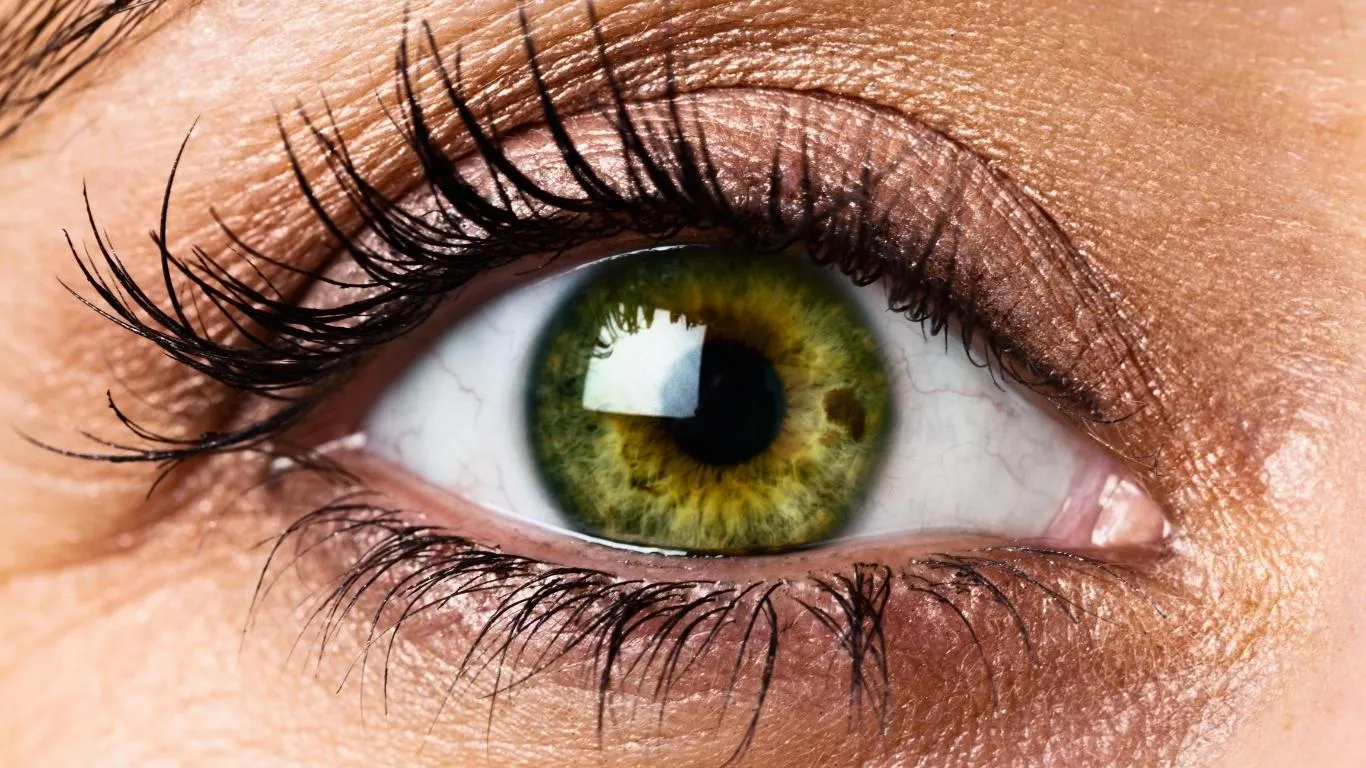
In plain English, eye floaters are tiny bits of collagen fibers or cells drifting around in the vitreous, the gel-like substance that fills most of your eye. These floaters cast subtle shadows on your retina, and that’s what you’re seeing. For most people, they’re harmless and come and go without much drama. But sometimes, like after a deep sigh, they decide to make their grand appearance.
And no, it’s not just you. There’s a physiological explanation for why floaters become more noticeable at certain times.
Why Do Floaters Become Visible After Deep Sighs?
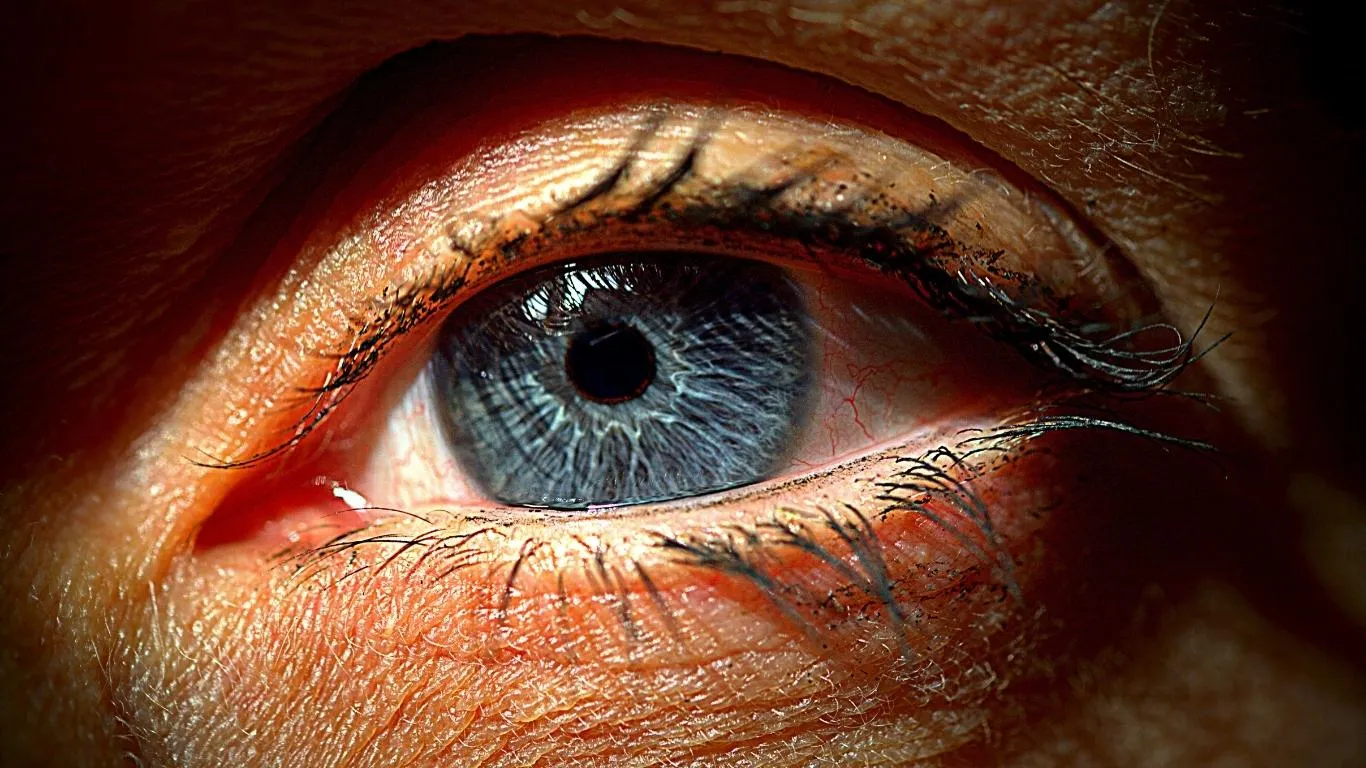
When you take a deep breath, especially a long sigh, it can subtly affect your intraocular pressure. This isn’t dangerous, but the sudden change can cause the vitreous gel to shift slightly. That’s often enough to jostle floaters into your line of sight. Add in the fact that deep sighs often involve looking upward or towards a light surface — boom, the floaters become crystal clear.
There’s also a relaxation component. After a sigh, your body calms, your pupils adjust, and sometimes, floaters become more noticeable against stabilized lighting. It’s not a problem unless you notice sudden bursts of floaters, flashes of light, or vision loss — in which case, it could be a retinal issue, and you should pay serious attention.
Are Floaters After Sighing a Sign of a Bigger Problem?
Most of the time, these sigh-triggered floaters are harmless, especially if you’ve had them for years and they haven’t changed much. But if you’re suddenly seeing new shapes, increase in size, or more dense floaters than usual, it’s smart to stay alert.
Conditions like posterior vitreous detachment (PVD) are common in people over 40, but can occasionally be triggered earlier due to factors like myopia or even after surgeries. I remember chatting with a friend who had LASIK, and her floaters went wild for weeks. Floaters after eye procedures aren’t unusual — here’s a deep dive on LASIK-related floaters.
When Should You Be Concerned?
- Sudden appearance of dozens of new floaters
- Flashes of light in your peripheral vision
- Dark curtain or shadow moving across your vision
If you’re ticking any of these boxes, it could indicate a retinal tear or detachment. While rare, it’s serious and needs immediate medical attention. You can learn more about differentiating floaters from other vision problems in this guide.
Personal Triggers That Make Floaters Worse
Let’s be real — I’ve noticed that floaters are absolute divas. They show up when you least want them to. For me, it’s after deep sighs, but also after staring at a screen for hours or stepping into a bright room after a nap. You might notice them more when:
- You’re tired or dehydrated
- After heavy screen usage without breaks
- When shifting from a dark to a bright environment quickly
There’s even evidence suggesting that stress plays a role. Curious? You can read about how stress impacts floater visibility.
Managing Annoying Floaters Naturally
While most floaters can’t be eliminated without surgery (like vitrectomy), there are ways to reduce how noticeable they are. From personal experience, hydration and eye exercises made a bigger difference than I expected. Here are a few tips that helped me:
- Stay Hydrated: Dehydration can thicken the vitreous, making floaters more prominent.
- Practice Eye Movement Exercises: Moving your eyes in gentle circles can shift floaters out of your central vision zone.
- Manage Lighting: Bright but diffused light reduces contrast, making floaters less visible.
- Diet Rich in Antioxidants: Nutrients like lutein and zeaxanthin support eye health. Curious about floater-friendly foods? Here’s a good resource on diet changes that may help.
For those preferring medical insights, this comprehensive guide covers causes, symptoms, and treatments for floaters, offering a deep dive into what you should know.
And if you’re wondering whether natural remedies are truly effective or just wishful thinking, I’d recommend reading this balanced breakdown on natural floater management.
When Floaters After Deep Sighs Signal Underlying Conditions
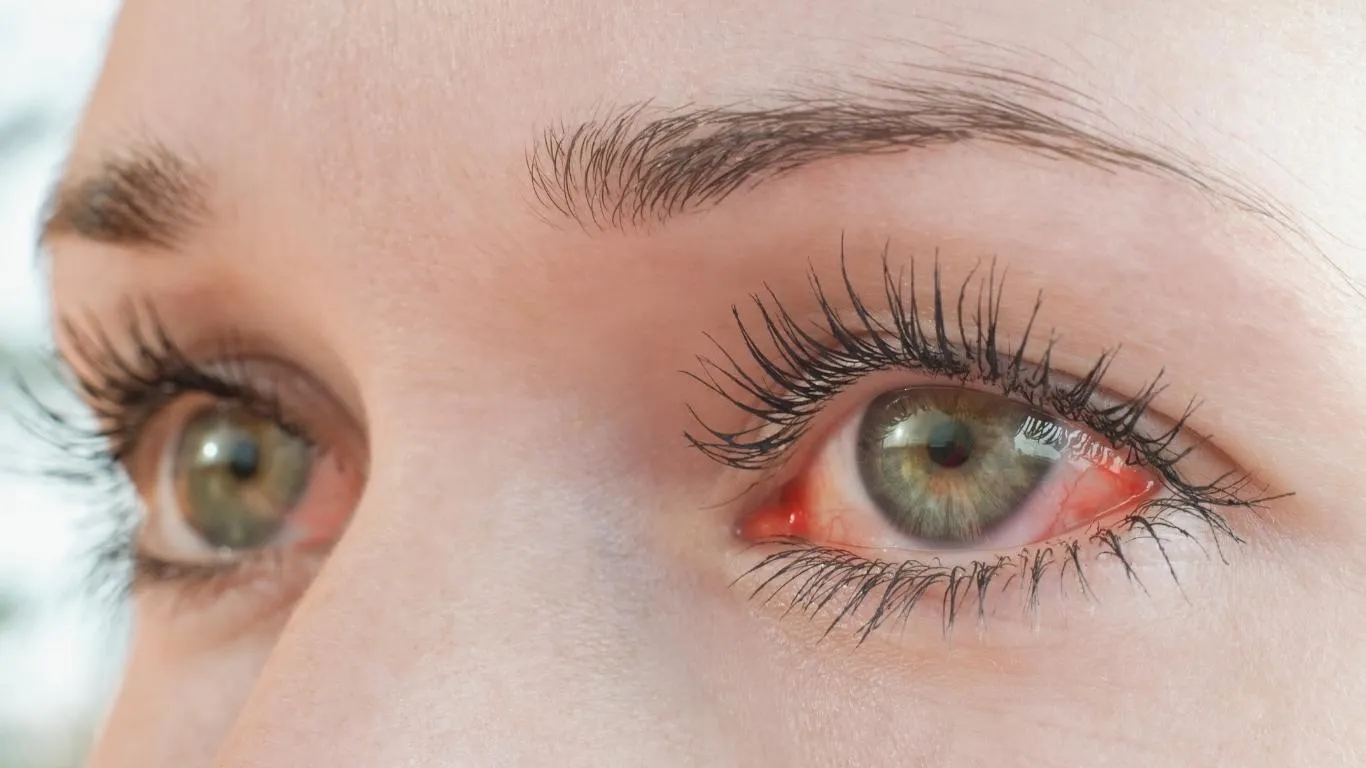
Most of the time, floaters appearing after a deep sigh are just a quirk of how light and your eyes interact. But sometimes, it can be your body’s subtle way of nudging you to pay attention. Certain health conditions can amplify how often and how intensely you notice floaters after small triggers like sighing.
If you’ve been dealing with high blood pressure, diabetes, or have a history of eye trauma, your risk of having more significant floater issues rises. One often-overlooked connection is how blood pressure spikes can make floaters more prominent. You might want to read about how high blood pressure impacts floater visibility.
Key Medical Triggers You Should Know
- Diabetic Retinopathy: Can cause new floaters due to retinal blood vessel leaks.
- Posterior Vitreous Detachment (PVD): A natural aging process but can cause a sudden burst of floaters.
- Eye Infections: Inflammatory responses can alter vitreous clarity.
Interestingly, dehydration is another sneaky culprit. After a long sigh, if your body is even slightly dehydrated, the vitreous gel consistency changes, making floaters more noticeable. Learn more about how dehydration worsens floaters.
Everyday Habits That Make Sigh-Induced Floaters Worse
I’ll be honest, I never paid much attention to my posture until I realized how often slouching at my desk made my floaters pop up after a stretch or sigh. It’s wild how small lifestyle habits magnify floater visibility. Here are a few I wish I had known sooner:
- Screen Time Overload: The more you stare at a backlit screen without blinking, the more visible those floaters become after a sigh or stretch.
- Poor Lighting Conditions: Switching from dim environments to bright ones instantly highlights floaters.
- Eye Rubbing: Constant rubbing can stir up floaters, and deep sighs after can make them impossible to ignore. Here’s a detailed piece on how eye rubbing impacts floaters.
Effective Techniques to Reduce Floater Visibility
If you’re like me and prefer to avoid clinical treatments unless absolutely necessary, the good news is there are effective ways to manage floater distractions. While these techniques won’t remove floaters, they can drastically reduce how often you notice them after a deep sigh.
Try These Natural Adjustments
- Eye Tracking Exercises: Moving your eyes in smooth patterns helps shift floaters out of the central vision zone. Especially useful right after a sigh when they become visible.
- Blue Light Filters: Reduces glare that accentuates floaters on screens. Read more on how blue light glasses can help.
- Hydration Routine: Regular water intake keeps your vitreous gel at a healthier consistency.
- Mindful Breathing Techniques: If sighing often triggers floaters, controlled breathing can minimize abrupt shifts in intraocular dynamics.
Also, some supplements targeting eye health have shown potential benefits. Omega-3 fatty acids, lutein, and antioxidants play a significant role in maintaining vitreous clarity. For those curious, here’s a closer look at supplements that may help with floaters.
When Medical Intervention Becomes Necessary
Let’s keep it real — not all floaters require medical treatments. But when they start affecting your daily activities, or if you’re constantly battling with intense visual disturbances post-sighs, it might be time to consider professional help.
The most common procedures include:
- YAG Laser Vitreolysis: A non-invasive laser treatment that breaks up floaters, making them less noticeable.
- Vitrectomy: A surgical option where the vitreous is partially removed and replaced with a saline solution. Reserved for severe cases due to its risks.
It’s essential to consult a retinal specialist to assess whether your floaters are purely benign or if there’s an underlying issue. For a more in-depth overview of treatment options, I recommend this guide on treating eye floaters.
Real-Life Scenario: My ‘Sigh and Floaters’ Dilemma
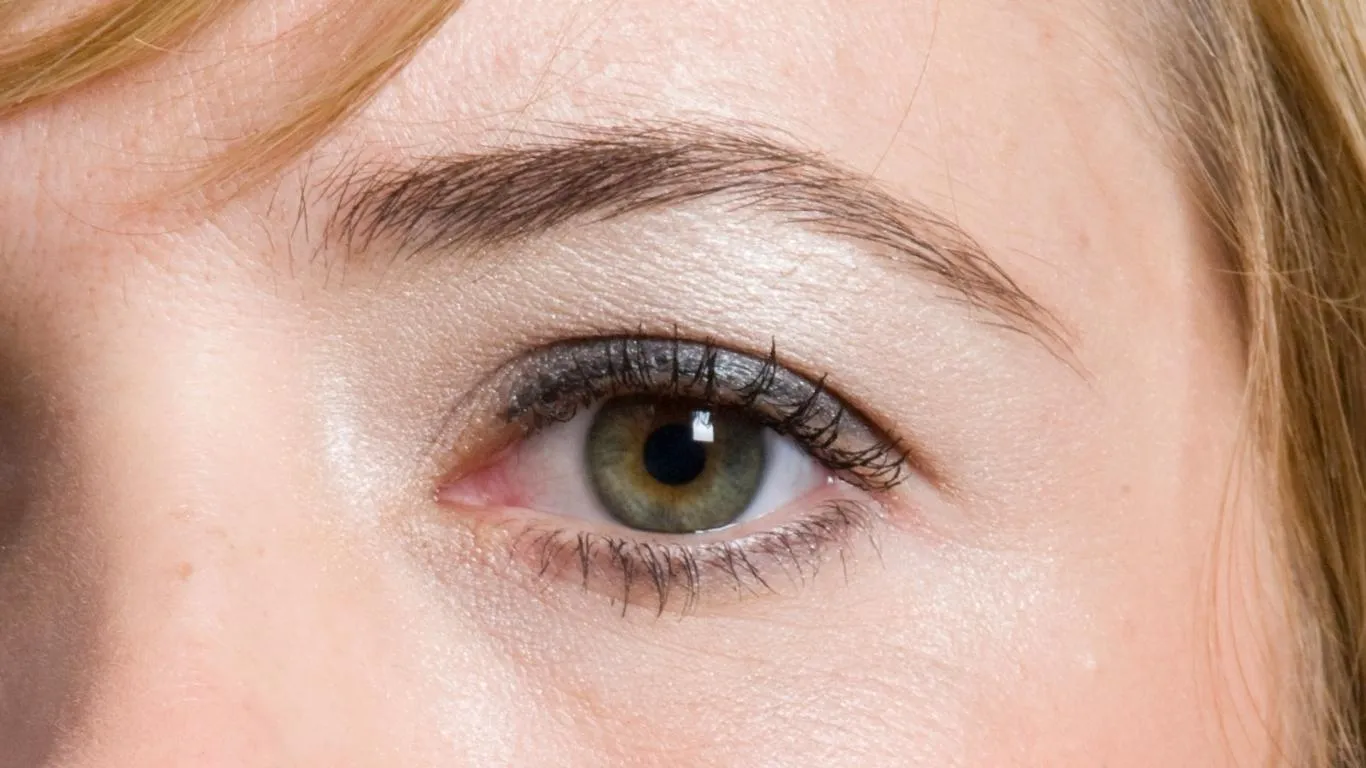
Just to share a slice of reality — I had a phase where every time I leaned back in my chair, sighed, and stared at the ceiling, a pesky floater would park itself dead-center in my vision. At first, I panicked, fearing something serious. But after learning how common this is (and after obsessively Googling and visiting an optometrist), I realized it wasn’t a crisis. Adjusting screen time habits and maintaining better hydration worked wonders.
That said, floaters can evolve. If you start seeing changes in floater patterns or if they start pairing with headaches, flashes, or peripheral vision loss, it’s worth exploring if something deeper is at play. For anyone dealing with similar situations, it might help to read this comprehensive look at when floaters become a red flag.
For a holistic overview of what causes floaters, symptoms you shouldn’t brush off, and a variety of treatment routes (both conventional and alternative), check out this all-encompassing guide on eye floaters.

Camellia Wulansari is a dedicated Medical Assistant at a local clinic and a passionate health writer at Healthusias.com. With years of hands-on experience in patient care and a deep interest in preventive medicine, she bridges the gap between clinical knowledge and accessible health information. Camellia specializes in writing about digestive health, chronic conditions like GERD and hypertension, respiratory issues, and autoimmune diseases, aiming to empower readers with practical, easy-to-understand insights. When she’s not assisting patients or writing, you’ll find her enjoying quiet mornings with coffee and a medical journal in hand—or jamming to her favorite metal band, Lamb of God.