How Stool Frequency Triggers Pelvic-Lumbar Pressure And Back Pain
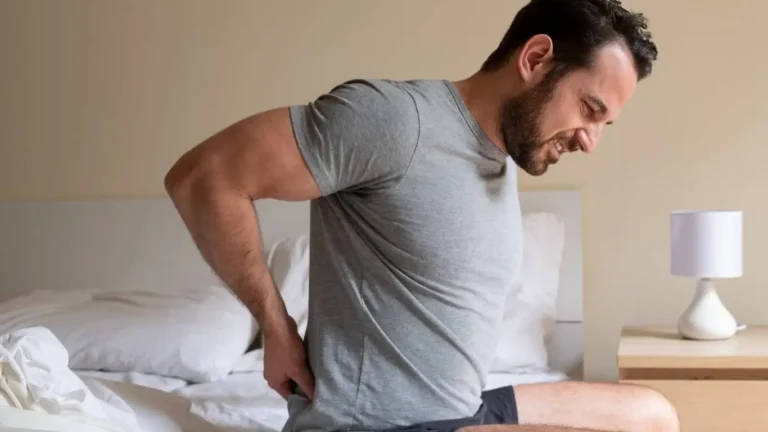
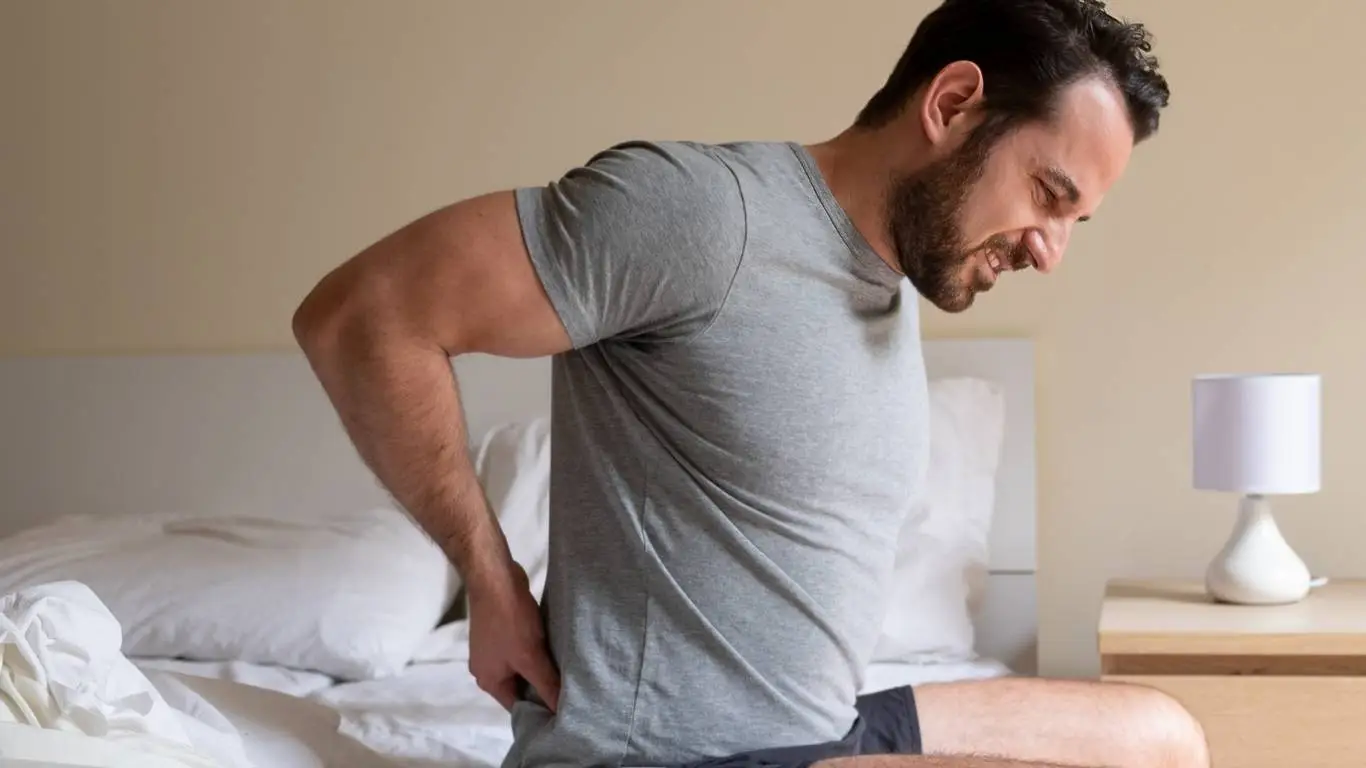
Ever notice how the frequency of your bathroom trips seems to mess with your lower back comfort? I’ve been there. At first, I thought it was a random coincidence—until the nagging lumbar pressure became part of my daily routine. Turns out, the relationship between stool frequency and pelvic-lumbar pressure is more real than most of us realize. And it’s not just about constipation or diarrhea; it’s a complex interplay of posture, abdominal strain, and nerve sensitivity that can silently fuel back discomfort.
Understanding How Stool Frequency Influences Pelvic-Lumbar Pressure
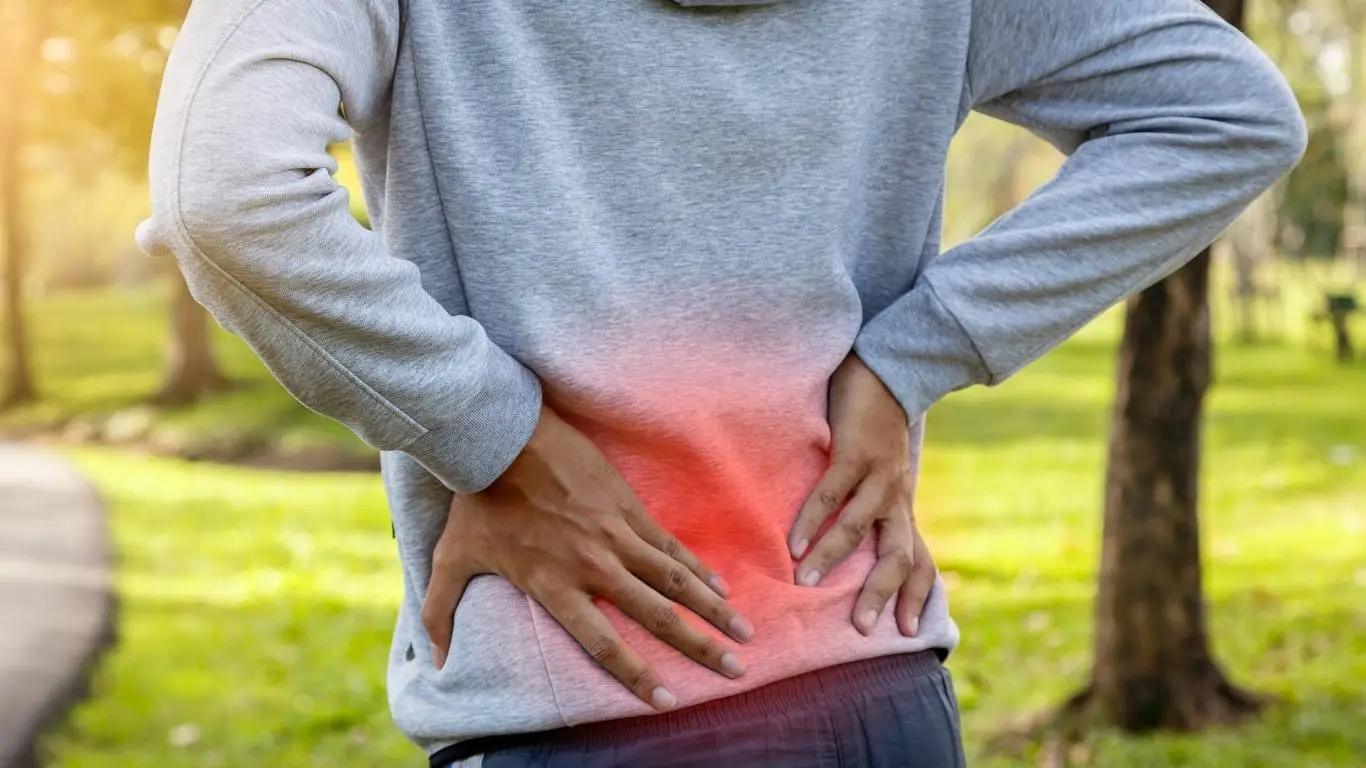
Let’s break it down. The pelvis and lumbar spine share more connections than you’d think. Each time you’re dealing with irregular bowel habits—be it constipation or going too frequently—your core muscles, pelvic floor, and spinal alignment are all under subtle yet consistent stress.
I remember mornings where I’d feel a dull ache in my lower back even before getting out of bed. Later, I found out it wasn’t some mystical back curse, but actually linked to how my digestive tract was behaving that week.
Constipation: The Hidden Culprit Behind Increased Lumbar Tension
Constipation is notorious for causing excessive straining. Each time you push, you’re not just working your abs—you’re also compressing your lumbar discs and overstimulating the pelvic floor muscles. This repetitive pressure can aggravate lower back stiffness and even contribute to conditions like gut-related chronic back pain.
- Prolonged straining increases intra-abdominal pressure, which radiates into the lumbar spine.
- Pelvic floor dysfunction can trigger compensatory muscle tightness in the lower back.
- Chronic constipation has been associated with sciatic-like referred pain in some individuals.
Overactive Bowel Movements and Lumbar Instability
On the flip side, having frequent, urgent bowel movements can leave your core muscles fatigued and destabilized. After a series of urgent bathroom visits, have you ever felt your lower back just “giving out” by midday? That’s your spine reacting to compromised support from the surrounding musculature.
Research from NCBI highlights how recurrent bowel motility issues can disrupt the coordination between the pelvic floor and lumbar stabilizers, leading to functional back pain syndromes.
The Biomechanics of Pelvic-Lumbar Pressure: Why It Matters
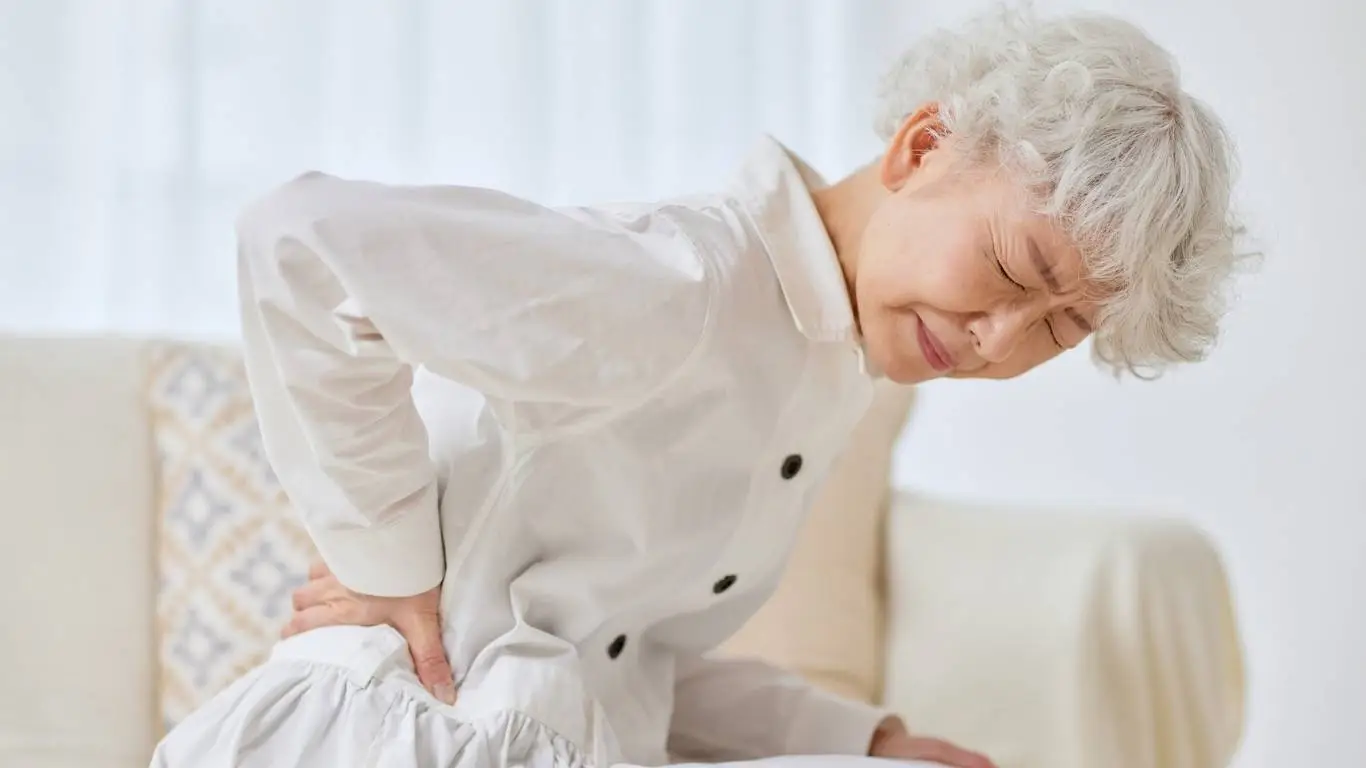
One thing I never paid attention to before my back issues worsened was posture on the toilet. Slouching or leaning forward excessively can exacerbate lumbar disc compression, especially during straining episodes. Even sitting for extended periods can contribute to a subtle anterior pelvic tilt, further irritating your lower back.
Pelvic Floor Dysfunction and its Link to Lumbar Pain
The pelvic floor acts like a hammock supporting your abdominal organs. When bowel habits are irregular, this “hammock” can get either overstretched (due to overactivity) or overly tight (from chronic straining), both of which can trigger compensatory lumbar pain. In fact, mechanical causes of back pain often trace back to issues originating from poor pelvic muscle coordination.
Abdominal Pressure and Nerve Sensitivity
When bowel movement frequency is out of sync, intra-abdominal pressure fluctuates abnormally, which can irritate nerve roots along the lumbar spine. The sensitive lumbosacral plexus, responsible for innervating both pelvic and lower back regions, becomes vulnerable to compression, leading to a lingering ache or sudden sharp pains during simple movements like bending or twisting.
Everyday Habits that Quietly Worsen Pelvic-Lumbar Stress

- Holding in bowel movements: Leads to excessive abdominal pressure buildup that reflects onto the lumbar discs.
- Sitting too long on the toilet: A habit I was guilty of, scrolling through my phone, unknowingly increasing lumbar stress.
- Ignoring hydration and fiber intake: Both are crucial for softening stools and reducing strain during defecation.
- Incorrect toilet posture: Lack of foot support (like not using a squatty potty) can tilt your pelvis in ways that burden the lower spine.
Simple Adjustments that Can Alleviate Pressure
- Use a footstool to elevate your knees above hip level while on the toilet.
- Incorporate pelvic floor relaxation exercises daily.
- Stay hydrated consistently, not just when you feel thirsty.
- Practice diaphragmatic breathing to ease abdominal tension during bowel movements.
According to Cleveland Clinic, integrating these micro-adjustments can drastically reduce lumbar strain associated with bowel irregularities.
When to Worry: Red Flags You Shouldn’t Ignore
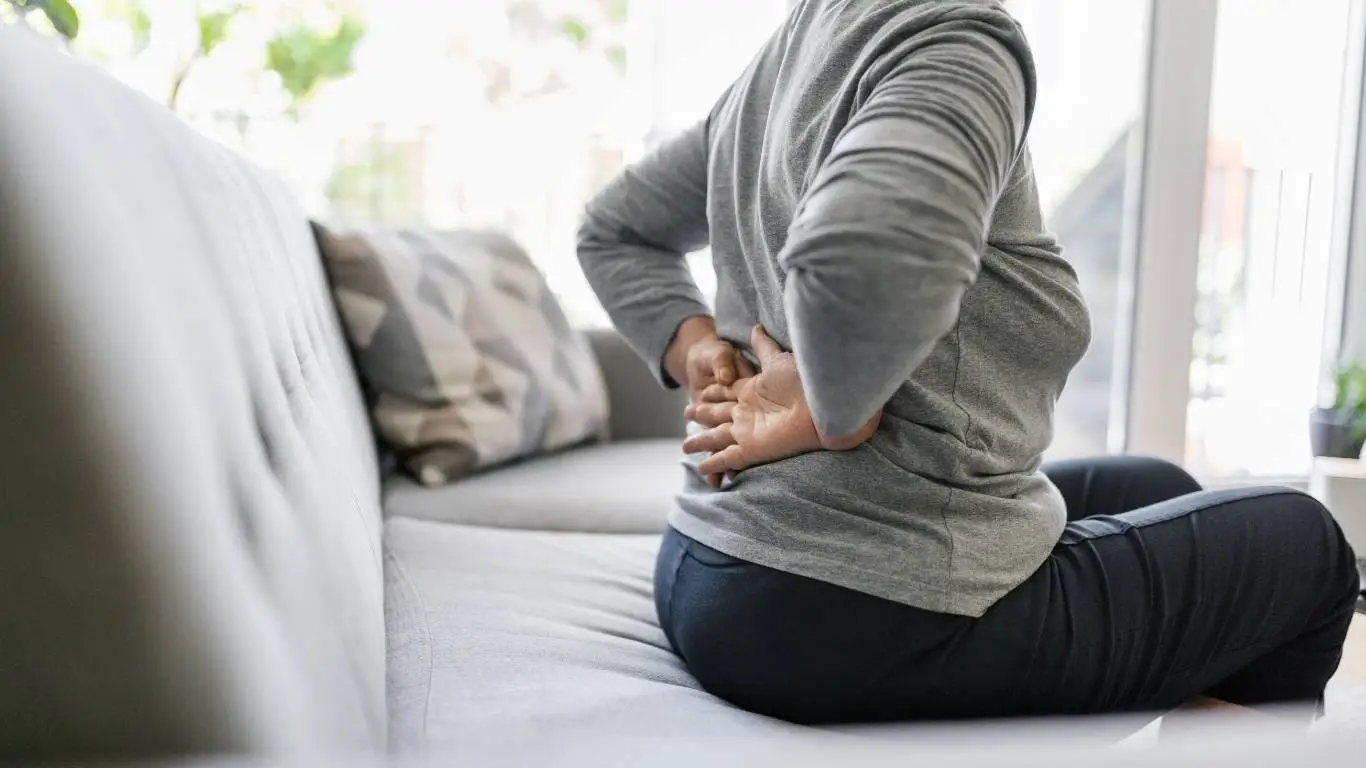
There’s a difference between occasional discomfort and persistent pelvic-lumbar pressure that interferes with daily life. If you notice symptoms like sharp lumbar pain with bowel movements, urinary dysfunction, or unexplained numbness down the legs, it’s essential to consult a specialist. These could be signs of more serious underlying conditions like cauda equina syndrome or advanced pelvic floor dysfunction, which require immediate medical attention.
Also, chronic gut-related back pain can sometimes be a manifestation of systemic issues. This is where exploring the comprehensive back pain resource center becomes invaluable to understand potential underlying triggers and holistic management approaches.
How Digestive Rhythm Disrupts Spinal Stability Over Time
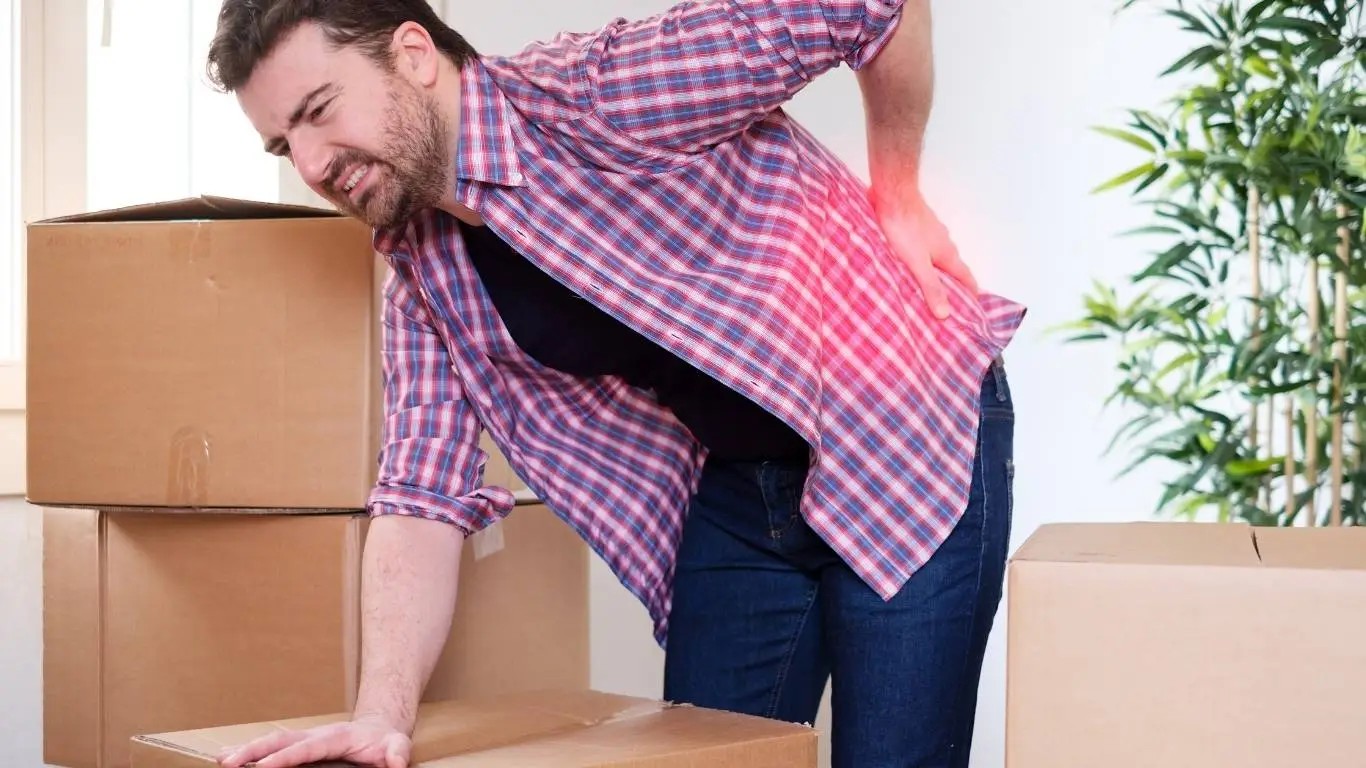
I never thought irregular digestion could silently wear down my back. But over the years, the connection became painfully clear. Every bout of bloating or irregular bowel rhythm seemed to correlate with an uptick in lumbar tension. It wasn’t until a physical therapist explained how my gut habits were messing with my core stability that it all clicked.
When bowel patterns fluctuate unpredictably, the core muscles that support your spine are forced into a constant state of reactive tension. This doesn’t just lead to discomfort — it gradually erodes the fine-tuned balance between the abdominal wall, pelvic floor, and lumbar extensors.
Postural Adaptations That Sneak Up On You
Think about the way you unconsciously hunch or arch your back when you’re dealing with bloating or abdominal discomfort. These micro-adjustments, though seemingly harmless, accumulate over time. I used to find myself leaning forward slightly while sitting, trying to “relieve” the gut pressure — not realizing this was loading my lumbar discs unevenly.
- Anterior pelvic tilt becomes more pronounced as abdominal tension pushes the pelvis forward.
- Thoracolumbar fascia tightens, leading to restricted movement and chronic mid-back discomfort.
- Gluteal inhibition occurs as the body compensates for pelvic floor instability.
The result? A vulnerable lumbar spine, more prone to strain, spasms, and even discogenic pain episodes.
Nerve Compression: The Overlooked Digestive-Spinal Link
Let’s not forget the neural aspect. Excessive intra-abdominal pressure from chronic constipation or gut inflammation can subtly impinge on lumbar nerve roots. This isn’t just a theory — several studies on Mayo Clinic detail how visceral-somatic reflexes can trigger musculoskeletal pain syndromes, particularly in the lower back and sacral regions.
I personally experienced transient sciatica-like symptoms that baffled me and my doctors, only to later discover it was linked to prolonged gut motility issues. Addressing the bowel irregularity brought surprising relief to my back.
Targeted Exercises to Break the Cycle of Pelvic-Lumbar Strain

Correcting the impact of stool frequency on your back isn’t just about fixing digestion — it’s also about retraining your body’s muscular responses. Here are exercises that became game-changers for me:
- Pelvic floor down-training: Focused breathing techniques to reduce hypertonicity in pelvic muscles.
- Core activation drills: Engage the transverse abdominis without compensating through the lower back.
- Quadruped rocking: Helps restore lumbar flexion mobility and pelvic neutrality after prolonged sitting.
- Deep squats with support: Enhances pelvic floor relaxation and spinal decompression simultaneously.
Many of these can be easily integrated into daily routines. For those dealing with chronic pelvic-lumbar tension, following a structured rehabilitation plan similar to this exercise and ergonomics guide can yield sustainable results.
The Role of Ergonomics in Minimizing Lumbar Stress During Digestive Flare-ups
One mistake I used to make was ignoring my sitting habits during digestive discomfort. Now, I swear by these simple ergonomic tweaks:
- Use a lumbar roll or cushion when seated for long periods to maintain neutral spinal curves.
- Elevate feet slightly to reduce pelvic tilt, especially during bowel movements.
- Alternate between sitting and standing if bloating triggers lower back tension.
Little adjustments like these, highlighted in the mechanical causes of back pain pillar, make a huge difference over time.
Nutrition’s Subtle Influence on Pelvic-Lumbar Health
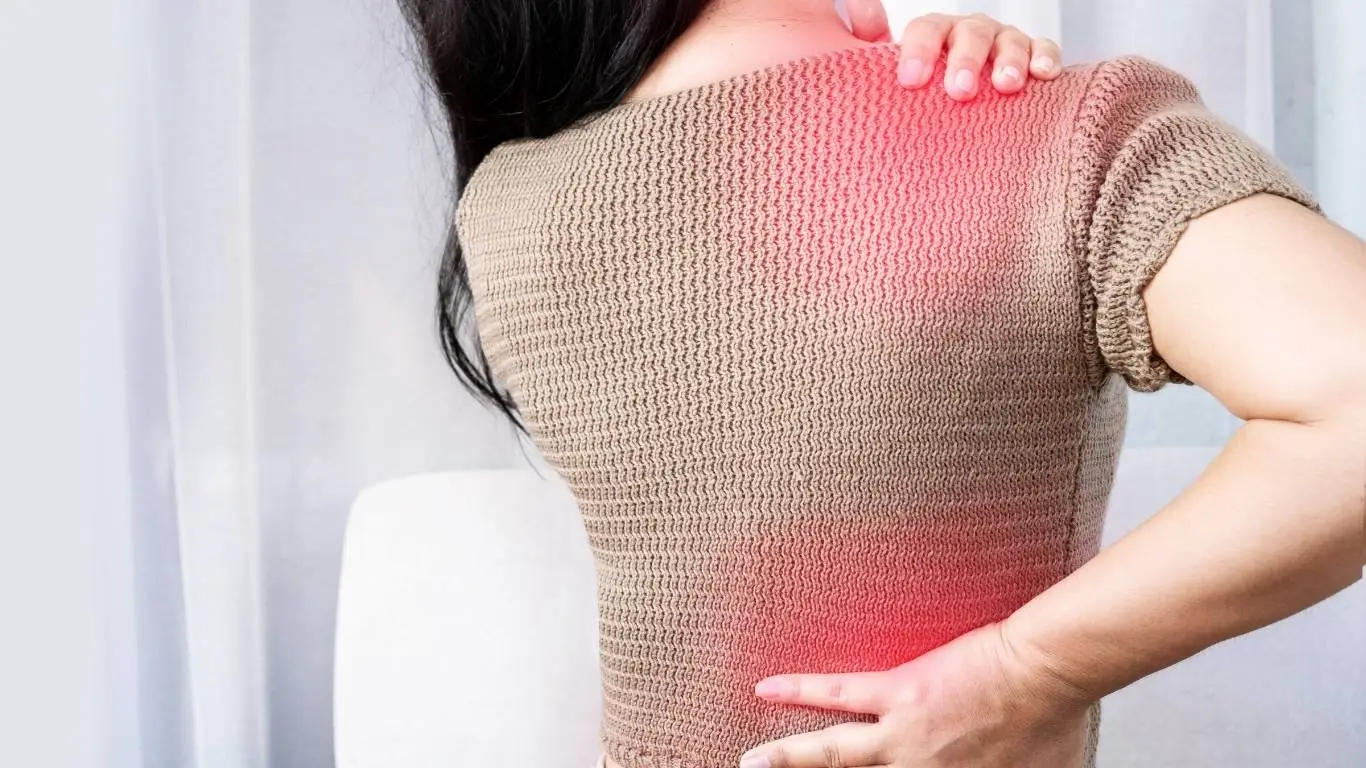
Fixing stool frequency isn’t just a mechanical process; nutrition plays a pivotal role. During my worst phases of pelvic-lumbar tension, I noticed that certain foods would tip the scales towards gut irregularity, which would inevitably flare up my back pain. Here’s what I learned through trial and error:
- Inadequate fiber intake hardened stools, forcing me to strain and aggravate lumbar compression.
- Over-reliance on fiber supplements without balancing hydration worsened bloating and abdominal tightness.
- Hidden food intolerances (like dairy sensitivity) triggered inflammatory responses, subtly worsening back stiffness.
Transitioning to an anti-inflammatory diet approach not only eased digestion but also reduced those annoying back flare-ups. Simple shifts like adding omega-3-rich foods and being mindful of hydration worked wonders.
Gut Health: The Missing Piece in Chronic Back Pain Recovery
One of the biggest “Aha!” moments for me was understanding how gut microbiome imbalances can fuel systemic inflammation, which in turn sensitizes spinal structures. It’s a two-way street. Digestive distress tightens up your back, and back pain increases stress hormones, further destabilizing digestion. Addressing gut health holistically became a non-negotiable part of my lumbar recovery strategy.
If you’re struggling with persistent back discomfort that seems immune to conventional fixes, looking into resources on the Healthusias Back Pain Center is a smart next step.
When Professional Help Becomes Essential

There’s only so much you can fix on your own. If stool frequency issues continue to create pressure and discomfort in your pelvic-lumbar region despite lifestyle adjustments, it’s time to consult a specialist. Physical therapists with pelvic floor training, gastroenterologists, and even spine specialists can collaborate to create a multi-pronged approach to your recovery.
What surprised me the most during my journey was how many professionals overlooked this gut-back connection initially. But persistence paid off. Getting a thorough evaluation, including both gastrointestinal and musculoskeletal assessments, was what finally cracked the code to my persistent lumbar tension.
For a deeper dive into how overlapping systems in your body contribute to back pain syndromes, explore the comprehensive symptoms and diagnosis pillar guide that covers these multi-systemic interactions in detail.

Camellia Wulansari is a dedicated Medical Assistant at a local clinic and a passionate health writer at Healthusias.com. With years of hands-on experience in patient care and a deep interest in preventive medicine, she bridges the gap between clinical knowledge and accessible health information. Camellia specializes in writing about digestive health, chronic conditions like GERD and hypertension, respiratory issues, and autoimmune diseases, aiming to empower readers with practical, easy-to-understand insights. When she’s not assisting patients or writing, you’ll find her enjoying quiet mornings with coffee and a medical journal in hand—or jamming to her favorite metal band, Lamb of God.