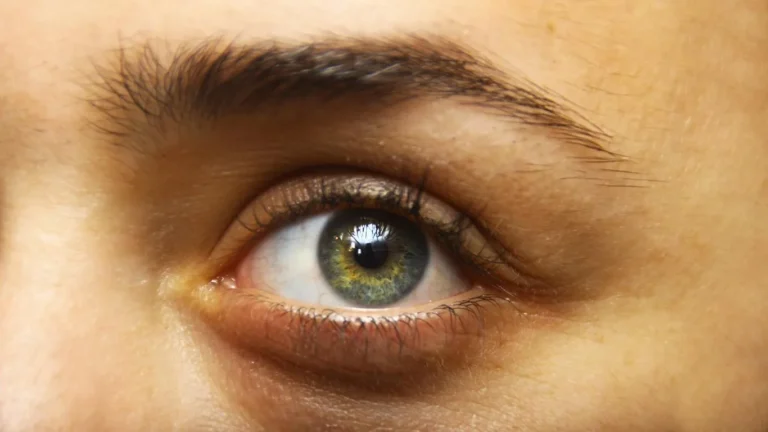
How Anxiety Manifests In Teenagers And Quietly Disrupts Daily Life
Teenagers today seem to have it all — smartphones, endless information, social media fame — but beneath that glossy surface, anxiety is silently weaving its way into their daily lives. I’ve seen it up close with my niece, who went from a bubbly, outgoing girl to someone who dreads going to school because of “this constant pit in her stomach.” Anxiety in teenagers isn’t always about panic attacks or visible breakdowns; often, it’s subtle, quiet, and easily dismissed as ‘just teenage mood swings.’
Understanding How Anxiety Sneaks into Teenage Life
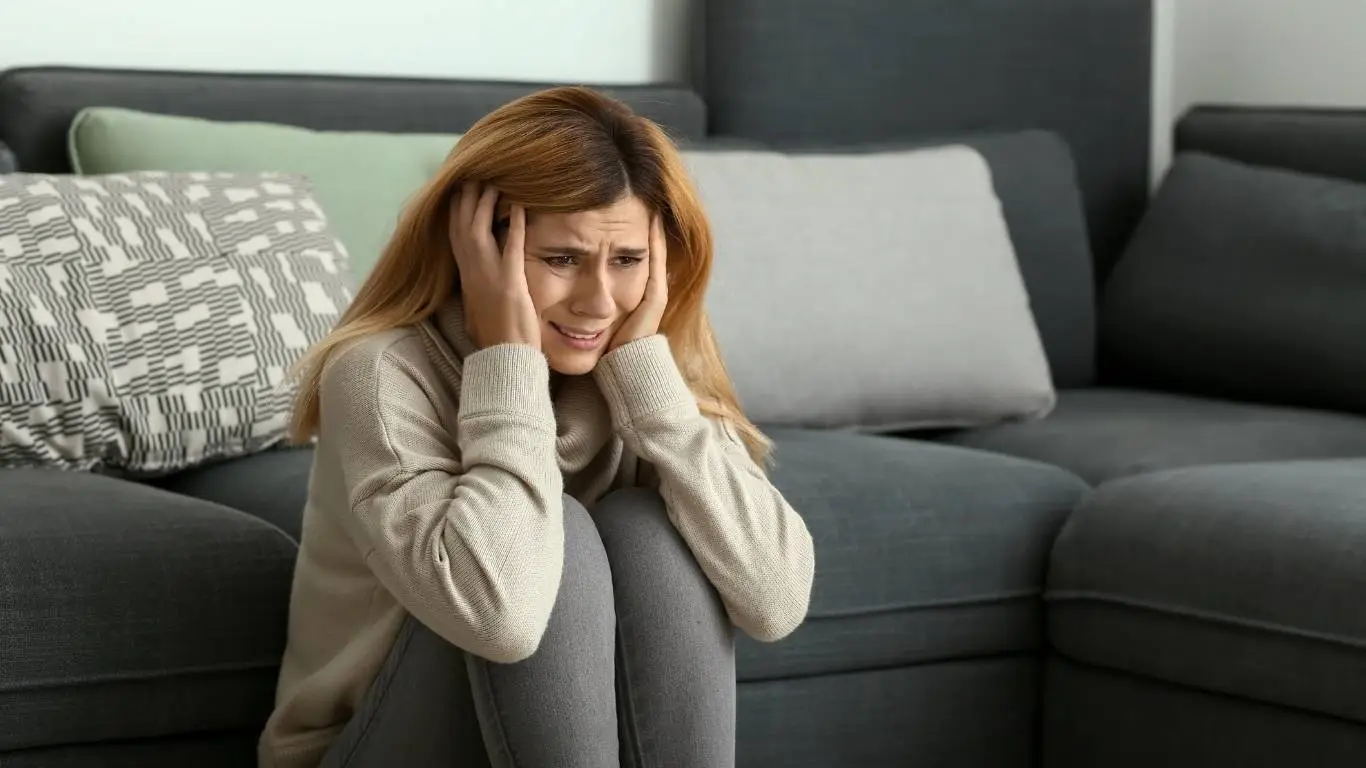
Teenage anxiety doesn’t announce itself with flashing lights. It starts with little things — avoiding friends, procrastinating schoolwork, being overly critical of themselves. What’s scary is how often parents and teachers brush it off, thinking it’s “just hormones.” But anxiety loves to hide in plain sight.
The Silent Signs You Might Miss
- Sudden change in sleep patterns — staying up late scrolling or unable to sleep due to racing thoughts.
- Frequent complaints of headaches or stomachaches with no medical cause.
- Loss of interest in hobbies they used to love.
- Irritability and snapping at family over small things (trust me, it’s not “just teenage attitude”).
What many don’t realize is that these symptoms are often early warning signs of anxiety disorders in teenagers. According to National Institute of Mental Health, anxiety disorders affect nearly one-third of adolescents.
Social Media & Academic Pressure: The Perfect Storm

Social media has turned teenage life into a constant performance. Every photo, every post, is silently judged, liked, or worse — ignored. For teens with anxiety, this can become an exhausting cycle of self-comparison and feeling “not good enough.”
I remember my cousin telling me how she felt worthless when her TikTok video didn’t “go viral,” even though it was just for fun. Combine this with mounting academic expectations, and you’ve got a teen who feels like they’re always falling short.
Academic Stress and Fear of Failing
Schools, knowingly or not, often amplify anxiety. The pressure to maintain perfect grades, excel in extracurriculars, and craft an impressive college application is relentless. Some teenagers cope by overworking themselves, while others freeze and procrastinate, leading to further stress. This vicious cycle often goes unnoticed until it spirals out of control.
To understand more about how performance anxiety quietly collides with daily life, it’s essential to recognize how these patterns form early in adolescence.
How Anxiety Disguises Itself as Physical Ailments

One of the trickiest things about teenage anxiety is how it often mimics physical health issues. Teens might complain of dizziness, chest pains, or constant fatigue. In many cases, even doctors might misdiagnose these as unrelated medical problems, when the root cause is psychological.
This connection between anxiety and physical symptoms is explained in depth in our article on why chest pain from anxiety feels so real. Recognizing these symptoms early can be the difference between temporary discomfort and a full-blown anxiety disorder.
Common Physical Symptoms Triggered by Anxiety
- Racing heart or palpitations during stressful situations.
- Shortness of breath, especially in crowded places or exams.
- Frequent gastrointestinal issues, often mistaken for food intolerances.
- Muscle tension, leading to back or neck pain.
Family Dynamics: How They Shape a Teen’s Anxiety
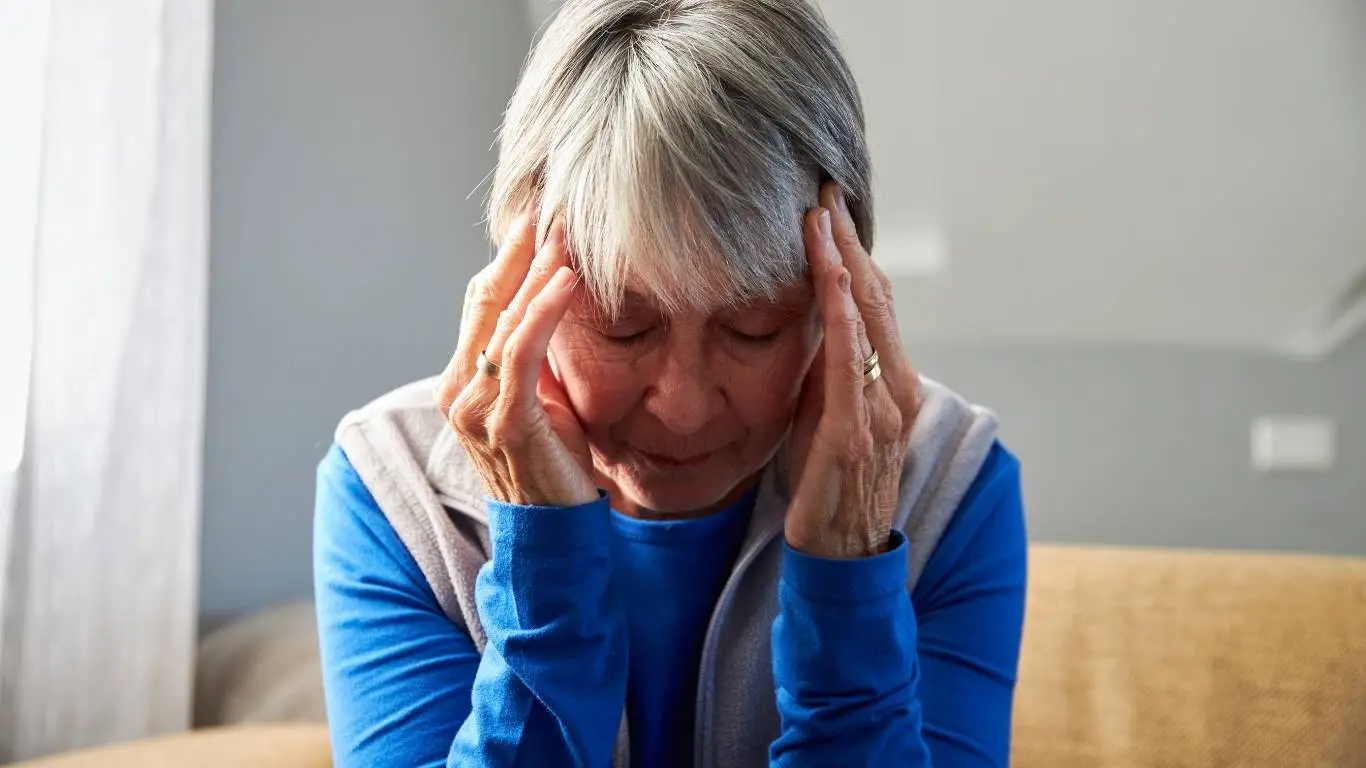
Family environment plays a huge role in how teenage anxiety develops and manifests. Growing up in a household where anxiety is either dismissed (“just toughen up”) or unintentionally amplified (“you better get straight A’s!”) can significantly shape a teen’s internal coping mechanisms.
Personal experience time: In our family, mental health wasn’t a topic of conversation. When my younger brother started exhibiting obsessive behaviors—checking locks multiple times—I chalked it up to “quirks.” Only years later did I realize these were manifestations of deep-seated anxiety patterns, passed down from generations.
The influence of family history on anxiety is often underestimated. Parents may unknowingly model anxious behaviors that teens pick up and internalize.
When to Seek Professional Help (Before It Gets Worse)

Not every anxious teen needs therapy immediately, but knowing when professional help is necessary is crucial. If anxiety starts to interfere with school performance, friendships, or daily activities, it’s time to act. Tools like the GAD-7 questionnaire are simple, effective ways to assess anxiety levels and determine next steps.
Exploring treatment options is essential. From Cognitive Behavioral Therapy (CBT) to lifestyle interventions, several paths can make a real difference. Our detailed guide on psychotherapy and counseling for anxiety disorders explains how tailored approaches work wonders for teenagers struggling to regain control over their lives.
And don’t overlook daily life disruptions caused by anxiety. You’ll find a comprehensive breakdown of how anxiety disorders can secretly control your daily routine and why early intervention is key to preventing long-term struggles.
Everyday Triggers That Amplify Teenage Anxiety

One thing I’ve noticed with my teenage cousins is how ordinary situations can unexpectedly trigger intense anxiety. A simple thing like walking into a crowded cafeteria or being called on in class can set off a full-blown anxiety response. It’s not because they’re being dramatic—it’s because their brain perceives these situations as threats.
The Role of Overthinking and Catastrophic Thoughts
Teens are notorious for overthinking, but for those struggling with anxiety, it can spiral into catastrophic thinking. A missed assignment becomes a fear of failing school, a minor social slip-up turns into an endless loop of “they hate me” thoughts. It’s exhausting for them.
Understanding how overthinking quietly drains daily joy is key to identifying when typical teenage worry crosses into harmful anxiety territory.
Common Anxiety-Inducing Scenarios for Teens
- Waiting for test results or grades (this can trigger sleepless nights).
- Fear of public embarrassment—like stumbling over words during presentations.
- Social gatherings where they don’t feel in control.
- Unexpected changes in routine, like a substitute teacher or last-minute schedule shift.
What makes these scenarios more dangerous is that many teens won’t openly admit their anxiety. Instead, they might make excuses to avoid situations altogether—a phenomenon known as avoidance coping. This might seem like a harmless workaround, but over time, it reinforces anxious patterns and makes it harder to face everyday challenges.
The Digital World’s Hidden Impact on Teen Anxiety

Let’s face it—teens are practically glued to their phones. But constant connectivity isn’t just a minor distraction; it fuels a relentless comparison game. Every scroll through Instagram or TikTok is a highlight reel of someone else’s life, leaving teens feeling inadequate in their own.
Even worse, the fear of missing out (FOMO) can spiral into severe anxiety. My friend’s daughter once told me she couldn’t sleep because she was terrified of waking up and seeing she’d been left out of a group chat. It’s heartbreaking, but it’s the reality they’re navigating.
For a deeper dive into how social media quietly erodes confidence and mental clarity, this article is a must-read.
Cyberbullying and Online Shaming
Unlike past generations, today’s teens can’t escape bullying by going home. Cyberbullying follows them into their bedrooms, with group chats, DMs, and anonymous apps being weapons for online harassment. Even a single harsh comment can linger in a teen’s mind for weeks, fueling self-doubt and anxiety.
Parents and educators need to understand the deep emotional toll of these digital interactions. Cyberbullying isn’t “just words on a screen”—it’s a 24/7 assault on a teen’s sense of self-worth.
Breaking the Anxiety Cycle: Practical Coping Strategies

While professional therapy is often the best route for managing teenage anxiety, daily coping strategies play a vital role too. These small, consistent actions can help teens regain a sense of control and reduce the frequency of anxiety spikes.
Simple, Yet Effective Self-Help Techniques
- Breathing Exercises: Deep, controlled breathing isn’t just a cliché. It’s a powerful tool to calm the nervous system. I’ve seen teens practice this discreetly during stressful moments.
- Journaling: Writing down intrusive thoughts can help declutter a racing mind. For those who feel awkward about “dear diary” moments, prompts like “What’s bothering me right now?” can be game-changers.
- Progressive Muscle Relaxation: This technique involves tensing and relaxing muscle groups to release built-up physical tension, which is often a byproduct of anxiety.
For a more detailed guide, check out breathing exercises for anxiety relief and how progressive muscle relaxation eases daily anxiety.
When Lifestyle Tweaks Make a Huge Difference
- Limiting Screen Time: Reducing phone usage before bed can improve sleep and decrease anxiety-driven overthinking.
- Healthy Nutrition: Foods rich in magnesium and omega-3s are known to have calming effects on the nervous system.
- Physical Activity: Regular exercise, even light walks, can significantly reduce anxiety symptoms.
Our article on lifestyle and self-help strategies for anxiety disorders dives into these techniques in depth and explains how small daily habits can compound into meaningful change over time.
Red Flags: When Anxiety Turns Into a Crisis

Sometimes, teenage anxiety escalates beyond the point of self-managed strategies. It’s vital to watch for these crisis-level red flags:
- Complete withdrawal from social life and family interactions.
- Persistent feelings of hopelessness or verbalizing thoughts like “what’s the point?”
- Neglecting personal hygiene and daily routines.
- Sudden drop in academic performance with no clear reason.
If you notice these patterns, it’s time to involve a mental health professional immediately. Early intervention can prevent the progression into more severe anxiety disorders or depression.
Taking the First Steps Toward Professional Help

Approaching teens about therapy can be tricky. Many fear being judged or labeled “crazy.” Sharing stories of others who’ve benefited from therapy (yes, even celebrities openly talking about their mental health journeys) can make the idea less intimidating. Cognitive Behavioral Therapy (CBT) remains one of the most effective approaches for teenagers.
It’s worth reading our guide on CBT steps that actually work for anxiety to understand how it can be practically applied in daily teenage life.
Also, a variety of complementary methods like mindfulness, journaling, and even diet adjustments are gaining traction as effective add-ons. The comprehensive guide on complementary and alternative therapies for anxiety disorders provides a solid overview of these holistic approaches.
To see the bigger picture of how anxiety subtly infiltrates everyday routines, our in-depth article on how anxiety disorders control your daily life is essential reading.

Camellia Wulansari is a dedicated Medical Assistant at a local clinic and a passionate health writer at Healthusias.com. With years of hands-on experience in patient care and a deep interest in preventive medicine, she bridges the gap between clinical knowledge and accessible health information. Camellia specializes in writing about digestive health, chronic conditions like GERD and hypertension, respiratory issues, and autoimmune diseases, aiming to empower readers with practical, easy-to-understand insights. When she’s not assisting patients or writing, you’ll find her enjoying quiet mornings with coffee and a medical journal in hand—or jamming to her favorite metal band, Lamb of God.