Does BV Cause Pain During Bowel Movements? Find Out Why It Hurts
You know that awkward moment when you’re just trying to have a normal bathroom break, but instead, you’re hit with this weird, sharp discomfort? It’s not exactly a hot topic at dinner, but trust me, you’re not alone. Many women experience pelvic discomfort that feels like it’s coming from their gut, but surprise — it’s often not a digestive issue at all. One of the sneaky culprits? Bacterial Vaginosis (BV). Yep, that notorious condition we mostly associate with odor and discharge can also make you feel pain during bowel movements. I’ve had my own “why does this hurt here” moment, which led me down the rabbit hole of understanding how BV messes with areas you wouldn’t expect.
Why Does BV Cause Pain During Bowel Movements?

Let’s get real about anatomy. The vagina and rectum are neighbors — separated by a thin wall of tissue. When BV triggers inflammation in the vaginal canal, that irritation can radiate to surrounding areas, including the rectum. This can lead to a stinging or cramping sensation when you’re on the toilet.
In my case, it started with a persistent itch and unusual discharge, but I didn’t make the connection until those bathroom trips became… well, complicated. What’s fascinating is that BV-related pelvic pain isn’t just a localized problem. The bacteria imbalance can inflame nerve endings that communicate with nearby structures, making every bowel movement feel like an ordeal.
Key Symptoms That Overlap with Bowel Discomfort

- Burning sensation during or after passing stool
- Deep pelvic pressure that mimics constipation
- Localized vaginal irritation that extends towards the perianal region
- Persistent urge to empty bowels, yet no relief after
It’s easy to mistake these for a yeast infection or even hemorrhoids. However, BV often brings an unmistakable odor that signals a bacterial imbalance. If you notice a fishy vaginal odor coupled with bowel movement discomfort, it’s time to dig deeper (no pun intended).
How BV-Triggered Inflammation Impacts the Rectal Area

Inflammation is the body’s defense mechanism, but in BV, it’s a bit of a troublemaker. The overgrowth of anaerobic bacteria doesn’t stay politely in the vaginal canal. The inflamed tissues swell, pressing on nerves shared by the rectal and anal regions. This is why many women feel that deep ache while passing stool, despite having no digestive disorder.
Another thing that hit home for me was how the recurrence of BV often coincided with flare-ups of this bowel-related pain. Managing that cycle became crucial.
Watch Out for These “Silent” Indicators
- Mild vaginal itching that worsens after bowel movements
- Sensation of bloating, though it’s not digestive gas
- Post-bowel movement pelvic cramps lasting several minutes
Common Mistakes When Identifying the Source of the Pain

Here’s a confession — I spent weeks convinced I had IBS (Irritable Bowel Syndrome). Turns out, I was way off. BV-induced bowel pain is often misdiagnosed because symptoms overlap with GI issues. But here’s the giveaway: IBS doesn’t cause vaginal odor or unusual discharge.
On the flip side, distinguishing BV from a yeast infection can be tricky without proper examination. Both can cause irritation, but yeast infections are less likely to cause the “rectal pressure” sensation during bowel movements.
When Should You See a Healthcare Provider?
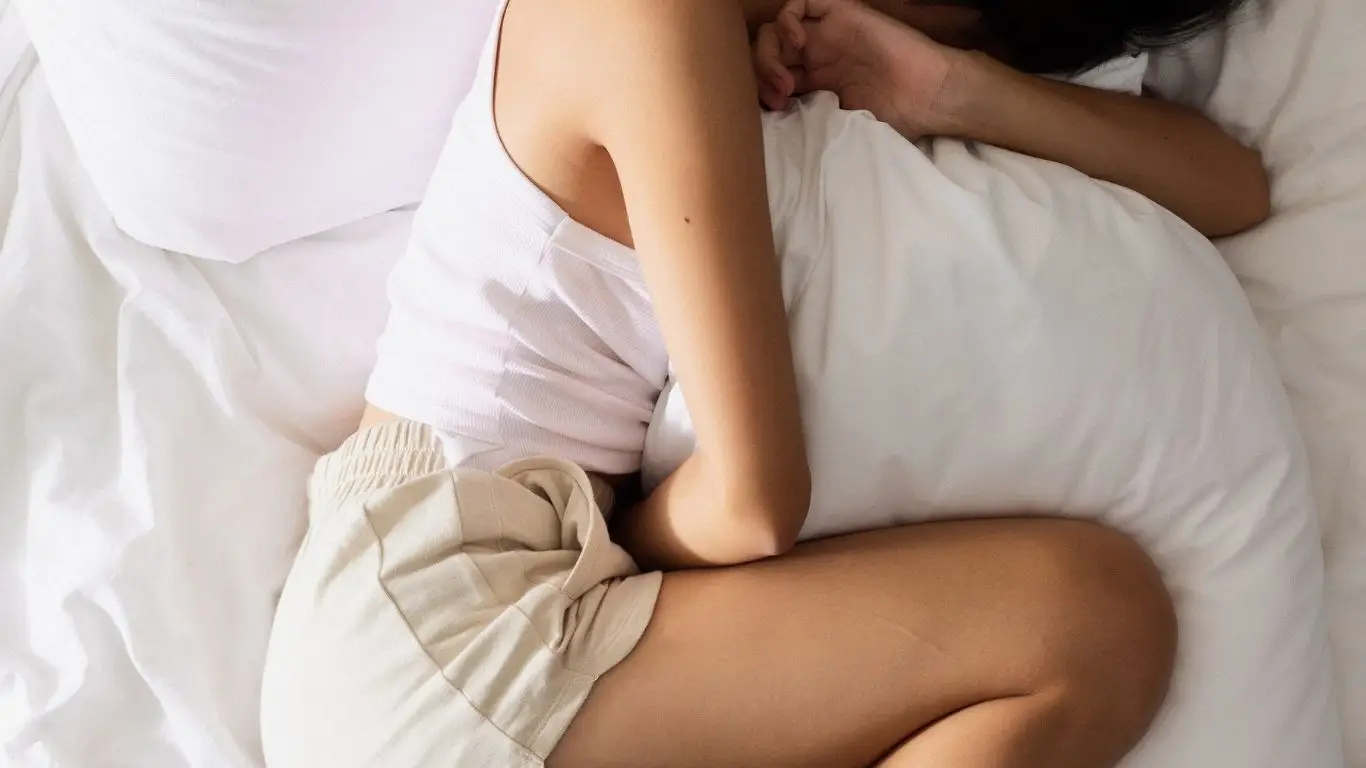
If you’re experiencing persistent pain during bowel movements alongside typical BV symptoms, it’s essential to consult a healthcare provider. The longer the inflammation lingers, the more it can exacerbate discomfort and even lead to complications like chronic BV flare-ups.
In some cases, doctors may recommend a combination of antibiotics and probiotics to not only eliminate the infection but also restore healthy vaginal flora. I personally found that adding probiotics made a noticeable difference in reducing recurrence.
Link Between BV and Digestive Strain

Emerging studies suggest a close relationship between gut and vaginal microbiomes. When one is out of balance, it can indirectly affect the other. This is why some women notice that BV flare-ups coincide with digestive disturbances, although BV itself isn’t a gastrointestinal infection.
For in-depth insights on managing BV from a holistic perspective, you might want to explore our guide on rebalancing vaginal pH naturally. You can also dive into our comprehensive BV Pillar Article for a broader understanding of causes, treatments, and prevention strategies.
If you’re looking for a foundational understanding of bacterial vaginosis, visit our main resource here: BV Diagnosis and Symptom Guide.
Effective Treatments for BV-Related Bowel Pain

If you’ve made it this far, you’re probably wondering — “Alright, how do I stop this pain from ambushing my bathroom visits?” Good news: with the right approach, you can manage BV and the awkward bowel pain it drags along. Standard BV treatment usually starts with antibiotics like Metronidazole or Clindamycin. But here’s a personal tip — don’t stop at antibiotics alone.
Probiotics are absolute game-changers. After my third BV episode (yep, third), I incorporated probiotics for BV and noticed a significant reduction in both recurrence and the annoying bowel pressure.
Natural Remedies You Can Try at Home
- Boric Acid Suppositories — a reliable backup if antibiotics aren’t cutting it (read more)
- Apple Cider Vinegar Rinses — helps balance vaginal pH and soothe irritation (how-to guide)
- Tea Tree Oil — has antimicrobial properties but must be used carefully (safe application tips)
Important side note: Always consult your healthcare provider before trying natural remedies, especially if you’re pregnant or dealing with recurrent infections.
Preventing BV Flare-Ups that Cause Bowel Pain
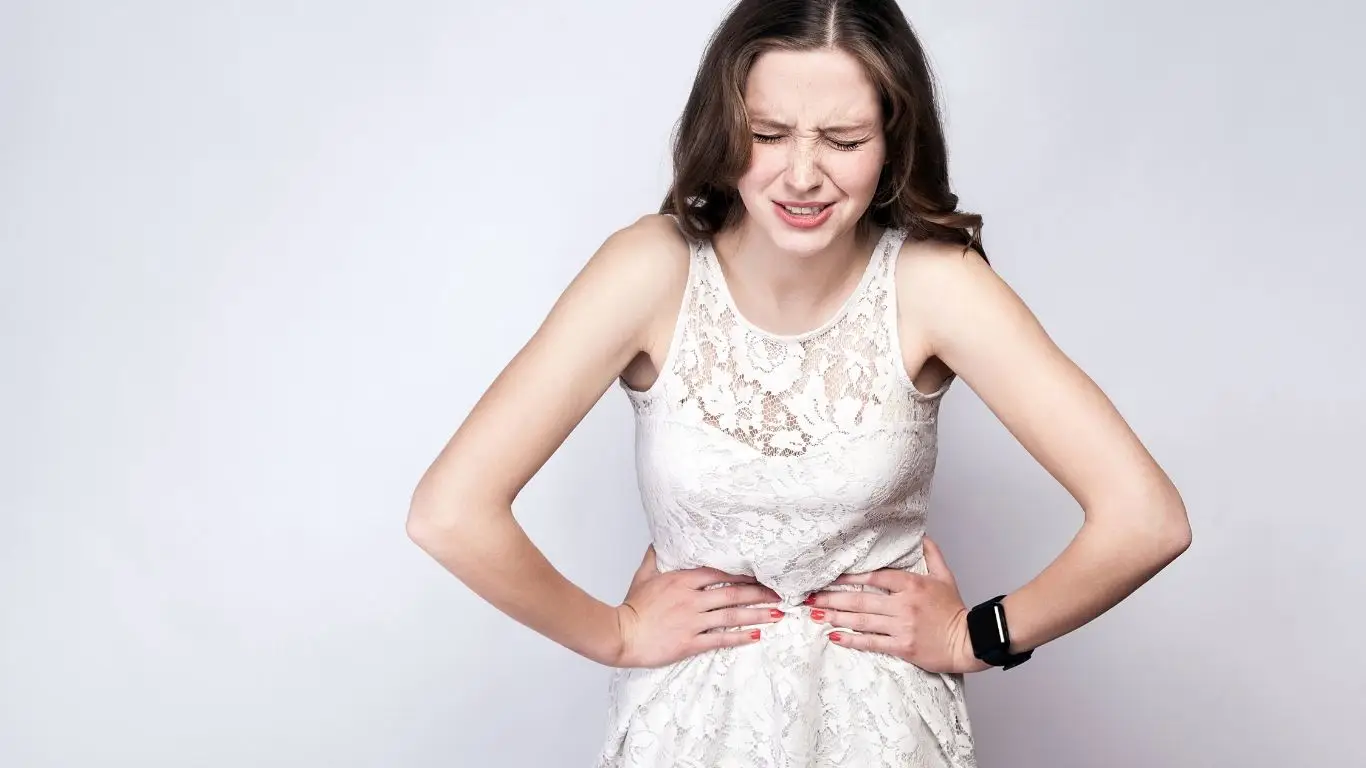
After dealing with recurring episodes, I quickly realized that prevention is so much easier than treatment. It’s not just about killing off bad bacteria; it’s about creating an environment where they can’t overgrow again. Small lifestyle changes can significantly reduce flare-ups and the bowel discomfort they cause.
Daily Habits That Help Keep BV in Check
- Wear breathable cotton underwear — synthetic fabrics trap moisture.
- Avoid scented feminine hygiene products that disrupt pH balance.
- Practice safe sex — and yes, condoms help.
- Mind your gut health — a balanced gut microbiome often reflects in vaginal health.
Interestingly, I found that maintaining a probiotic-rich diet (think yogurt, kefir) not only helped with BV but improved my digestion too — double win!
Could Bowel Pain Signal a More Severe BV Complication?

While most BV cases are manageable, persistent bowel pain should never be ignored. In rare cases, untreated BV can ascend and cause infections in the upper reproductive tract, leading to conditions like Pelvic Inflammatory Disease (PID). PID can cause chronic pelvic pain that gets worse during bowel movements.
If you notice fever, severe cramps, or unusual spotting alongside the bowel discomfort, it’s crucial to consult a medical professional immediately. Learn more about what happens if BV is left untreated.
When Lifestyle Fixes Aren’t Enough — Advanced Treatment Options

For those of us dealing with chronic, stubborn BV (I feel you), sometimes lifestyle tweaks and over-the-counter remedies just don’t cut it. In such cases, doctors might explore long-term treatment plans involving:
- Long-term suppressive antibiotic therapy
- High-dose probiotic regimens
- Evaluating underlying conditions like hormonal imbalances or immune deficiencies
Also, consider reading about long-term solutions for recurring BV if you’re struggling with persistent symptoms despite treatment.
Practical Tips from My Personal BV Battle

- Always finish your prescribed antibiotics — stopping early increases recurrence risk.
- Track flare-ups in a symptom diary — helps identify personal triggers (stress, diet, etc.).
- Consider vaginal pH test kits — a quick way to catch early imbalances at home.
- Don’t ignore subtle signs — if bowel discomfort sneaks up again, act early.
Trust me, staying proactive is key. Ignoring small symptoms was my biggest mistake during my first BV episode, and it cost me months of unnecessary discomfort.
For a deeper understanding of how BV impacts various aspects of women’s health, visit our Comprehensive BV Guide.
Also, explore related women’s health topics on our Special Populations & Back Pain Resource — because pelvic health often intersects with musculoskeletal wellness.

Dr. Gwenna Aazee is a board-certified Internal Medicine Physician with a special focus on hypertension management, chronic disease prevention, and patient education. With years of experience in both clinical practice and medical writing, she’s passionate about turning evidence-based medicine into accessible, actionable advice. Through her work at Healthusias.com, Dr. Aazee empowers readers to take charge of their health with confidence and clarity. Off the clock, she enjoys deep dives into nutrition research, long walks with her rescue pup, and simplifying medical jargon one article at a time.