Why Floaters Become Annoyingly Visible When Diffused Sunlight Hits Walls
Ever had that odd moment when you’re sitting in a bright room, sunlight gently diffused across the walls, and out of nowhere — those pesky floaters start to dance in your field of vision? Trust me, I’ve been there. It’s strangely distracting. You move your eyes, and they dart away, only to return like uninvited guests at the worst possible time. This little phenomenon isn’t just your imagination playing tricks — it’s a real thing, and understanding why floaters become more noticeable in diffused light can save you from unnecessary worry.
Why Do Floaters Seem More Visible with Diffused Sunlight?
Floaters, those transparent or shadowy specks that float around your vision, become especially noticeable when light hits a wall in a soft, diffused manner. But why is that?
- Lighting Contrast: Diffused sunlight creates a large, uniform light source. This removes the sharp contrasts and shadows in your environment, making imperfections in the vitreous (the gel inside your eyes) stand out more against a plain backdrop.
- Angle of Light: When sunlight is scattered across a wall, it tends to enter your eyes at multiple angles, which can accentuate the visibility of floaters floating within the vitreous gel.
- Focus Shift: When you’re looking at a blank wall, your eyes aren’t focusing on intricate details. This subtle shift in focus can enhance your awareness of internal visual phenomena, like floaters.
For many, it becomes an everyday annoyance, especially if you work in brightly lit offices or love basking in natural light. In fact, studies have shown that floaters become significantly more noticeable when staring at uniform backgrounds — like a soft-lit wall — than in busy, cluttered environments (source).
Is It Normal to Notice Floaters More in Bright Rooms?
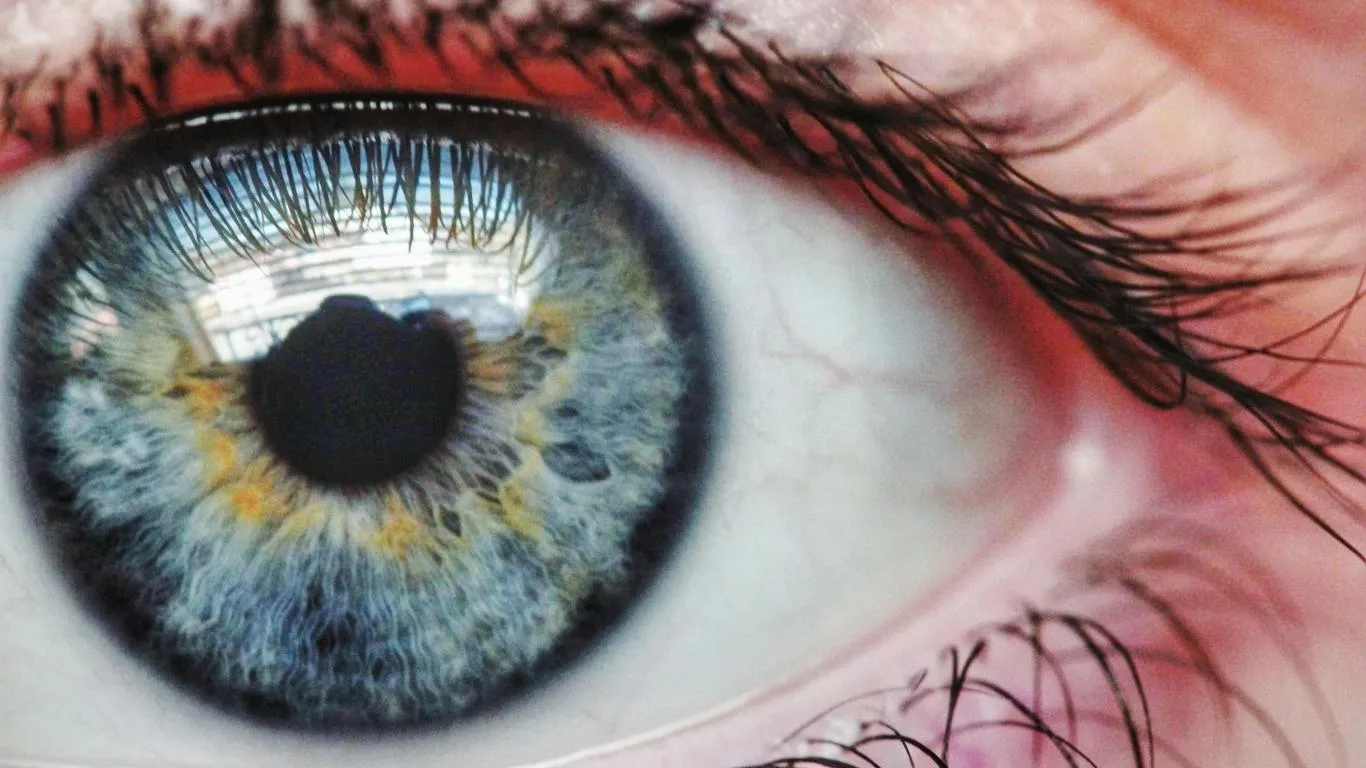
This is a common question I get from friends and readers alike. The short answer? Yes, absolutely. Your floaters aren’t multiplying because you looked at a sunlit wall — they’re simply being put under the spotlight, literally.
In fact, this in-depth guide on floaters noticeable only in bright rooms explains how environmental lighting dramatically impacts floater visibility. It’s often mistaken for a sudden floater “attack,” but it’s just the perfect lighting conditions making them obvious.
But, here’s a catch. If you suddenly notice a sharp increase in floaters or accompanying flashes of light, that’s when it’s time to consult an eye specialist. This could be a warning sign of a retinal issue, like a posterior vitreous detachment (read more about this here).
What Makes Diffused Light Different From Direct Sunlight?
You might think direct sunlight would make floaters even worse. Interestingly, it’s quite the opposite. Diffused light — such as sunlight passing through curtains or bouncing off pale walls — provides a broad, even illumination that removes visual clutter. Direct sunlight, however, casts stronger shadows and highlights, distracting your brain from the floaters.
- Diffuse Light: Broad, soft light that brings floaters into focus against a clean, bright background.
- Direct Light: Harsh light that creates busy visual noise, masking floaters more effectively.
I used to think my floaters were getting worse until I realized it was just my office’s white walls and giant windows doing the magic trick. Changing environments can significantly affect how you perceive them, as highlighted in this article about floaters when looking at smartphone screens in bed.
Can This Be a Sign of Eye Health Problems?
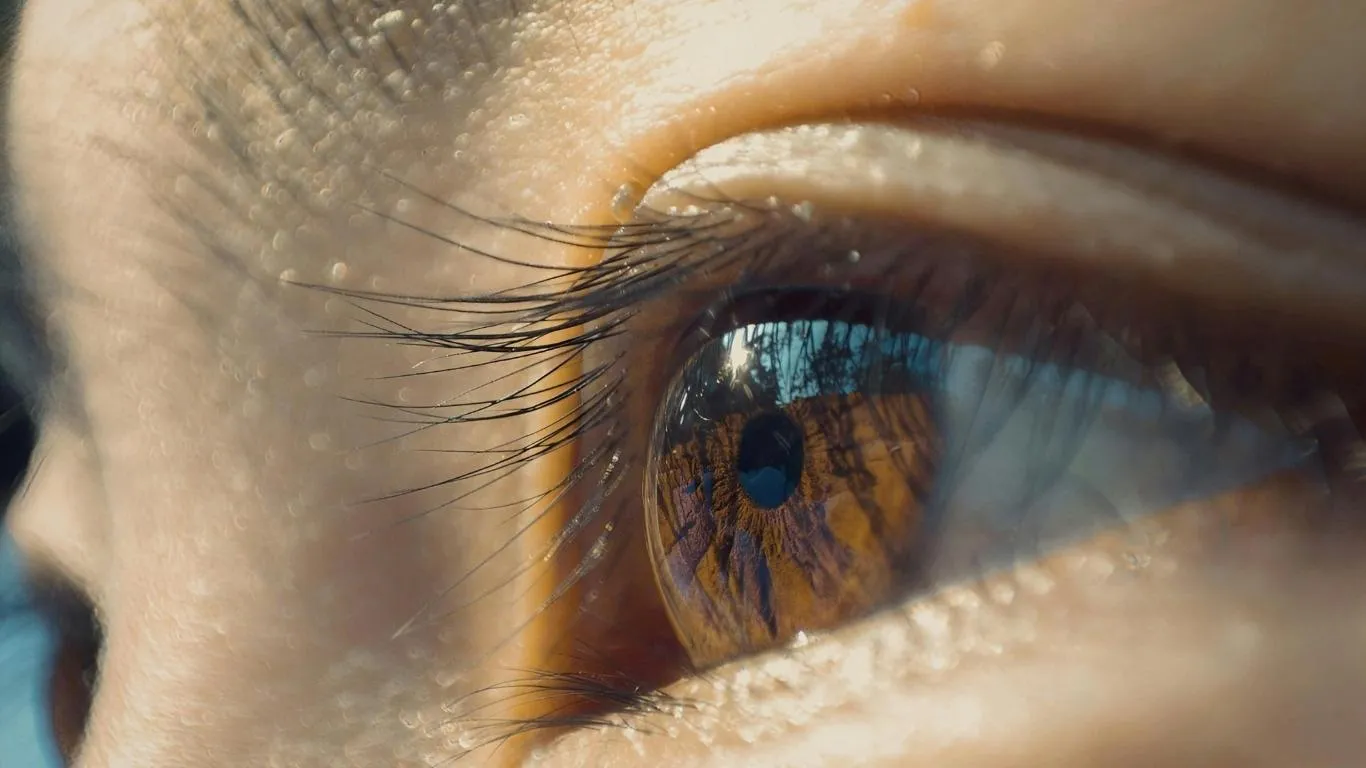
Alright, let’s get this straight. Noticing floaters in diffused light alone isn’t a red flag. However, if you experience a sudden shower of floaters, flashes of light, or peripheral vision loss, it could indicate a serious condition such as a retinal tear or detachment. Always better to err on the side of caution — see your eye doctor promptly.
There’s a detailed breakdown of when floaters can be dangerous in this guide on warning signs of serious conditions. But generally speaking, if they’ve been there for a while and haven’t dramatically increased, you’re probably in the clear.
Can You Reduce Floater Visibility in Diffused Light?
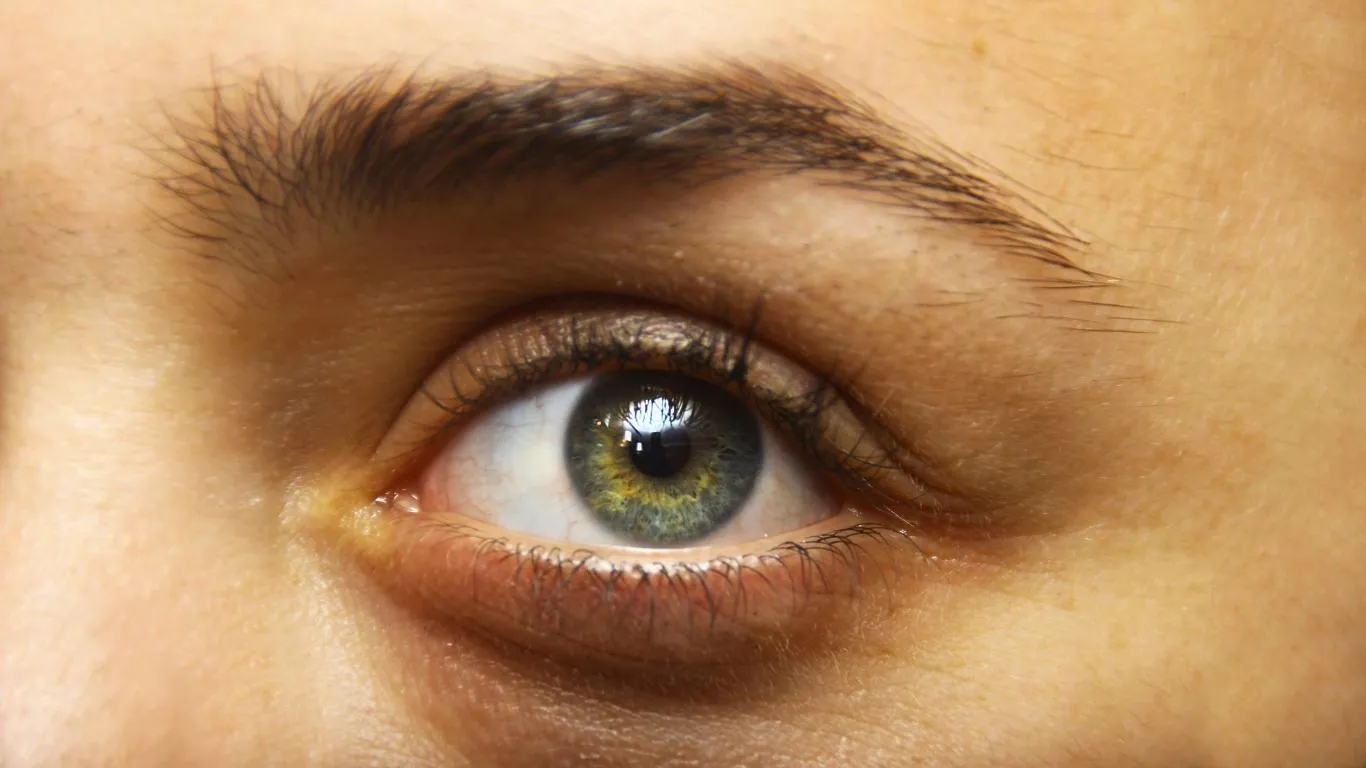
I wish I could tell you there’s a magic eye drop to vanish floaters, but sadly, most floaters are harmless and permanent. However, there are simple adjustments that can make them less bothersome in diffused light settings:
- Dim the Lights: Softening the intensity of room lighting can reduce contrast, making floaters less noticeable.
- Add Visual Texture: Introduce patterns or plants to plain walls to break the monotony that highlights floaters.
- Change Focus Frequently: Avoid staring at blank walls for long periods — shift your focus regularly to ‘reset’ your visual attention.
For more advanced methods, including treatments and natural remedies, check out this comprehensive article on eye floater treatments. And if you’re curious about common causes beyond lighting — this pillar guide covers everything.
When Should You See a Doctor About Floaters?
While floaters are often harmless, there are situations where they can signal something more serious. I remember when I had a sudden burst of floaters after a long afternoon of working under a skylight — it was enough to make me schedule an eye exam, just for peace of mind.
According to ophthalmology experts, you should see a doctor if:
- You notice a sudden increase in floaters, especially if it feels like a “curtain” or “cloud” is entering your field of vision.
- You experience flashes of light along with floaters, even in dark rooms.
- There’s a loss of peripheral vision or a “shadow” that won’t go away.
These could be signs of a retinal tear or detachment, conditions that require immediate medical attention. You can read a detailed guide about early warning signs of retinal tears here.
Can Environmental Changes Help Reduce Floater Distractions?
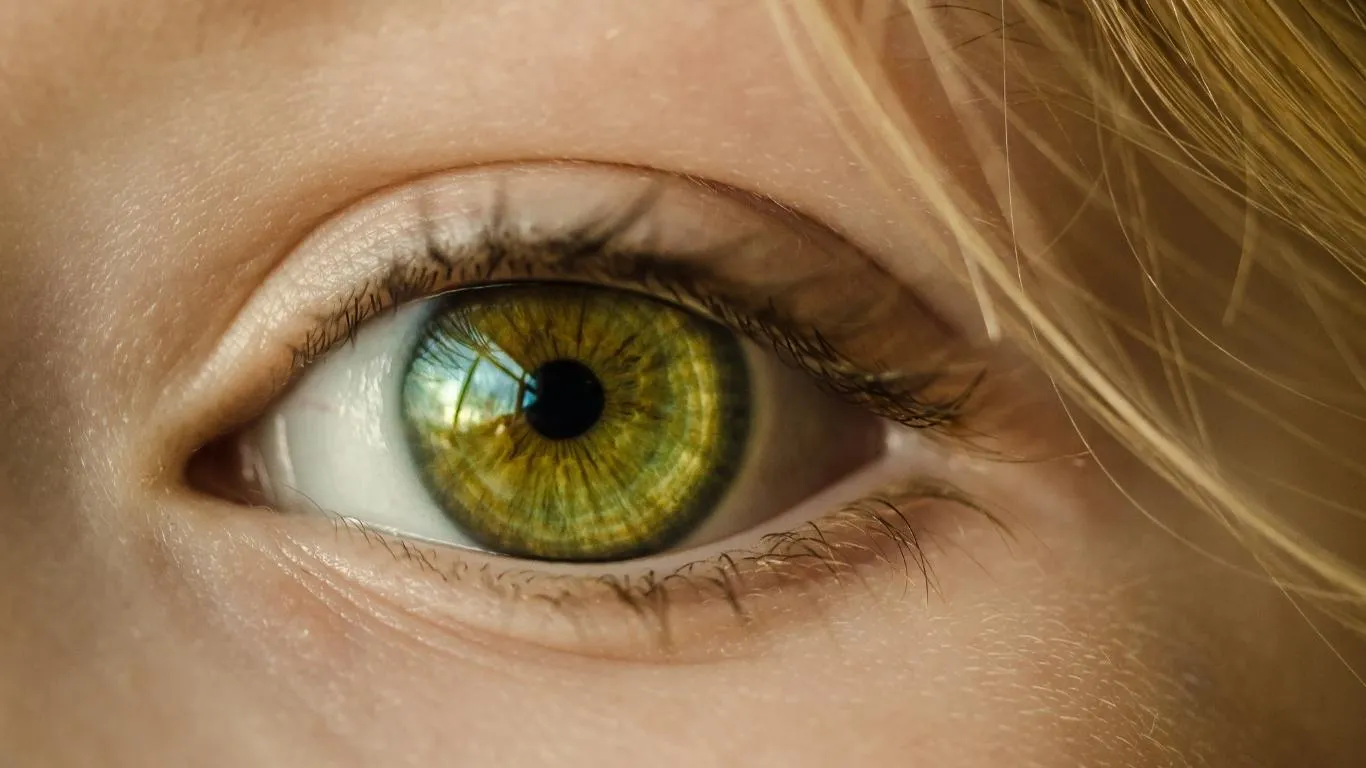
In my experience, tweaking your surroundings can do wonders. For instance, in my living room, I added sheer curtains and some textured wall art, which reduced the “blank canvas” effect where floaters become most noticeable.
Here are a few tweaks that could help:
- Install Soft Diffusers: Use lampshades or diffusers to create a more balanced light environment indoors.
- Avoid White-Washed Walls: Go for light patterns or subtle color gradients on walls to break uniformity.
- Use Anti-Glare Screens: If you’re working near windows, anti-glare filters on devices can reduce floater distractions when light hits walls behind you.
I came across a great piece on practical ways to minimize floater distractions post-eye strain — a must-read if you’re constantly working in well-lit spaces.
Why Floaters Are More Noticeable in One Eye than Both
Ever feel like floaters are worse in just one eye? You’re not imagining things. Vitreous changes don’t occur symmetrically. One eye could develop floaters earlier or in greater density. For me, it was my left eye — and yes, it always made staring at white walls a bit annoying.
There’s an informative article that dives deep into why floaters in one eye can be more noticeable and when it’s a concern.
What Does Science Say About Floaters and Lighting Conditions?
Scientific research backs up the idea that floaters are a lighting-dependent phenomenon. Studies have indicated that the contrast sensitivity of the human eye changes based on environmental brightness. In uniform lighting (like diffused sunlight hitting a wall), the brain’s ability to filter out vitreous imperfections diminishes.
This is also why people often report seeing floaters while reading on a tablet or smartphone in bed with a lamp on. It’s not your eyes getting worse; it’s your brain simply being more aware of them in certain settings. There’s an excellent breakdown in this article about floaters while using devices in bed.
Is There a Link Between Hydration and Floater Intensity?
Here’s something I personally tested out after a long stint of dry indoor heating — hydration levels can indeed make floaters feel less intrusive. While water doesn’t magically dissolve floaters, maintaining optimal vitreous consistency can reduce light scatter and floater harshness.
Some optometrists suggest that staying hydrated may alleviate the “stickiness” of floaters clumping together. For deeper insights, this article on the effects of dehydration on floaters sheds light on the science behind it.
What If Floaters Suddenly Become Worse After Eye Strain?
There’s nothing more frustrating than finishing a long project or binge-watching a series, only to realize your floaters have staged a full-blown parade across your vision. This is a common post-eye strain scenario, where prolonged near-focus tasks fatigue the visual system, making floaters hyper-visible.
Floaters noticed after intense visual focus are rarely permanent escalations. However, it’s essential to give your eyes regular breaks — the 20-20-20 rule (every 20 minutes, look at something 20 feet away for 20 seconds) works wonders.
For those of you curious, there’s a guide on how to track changes in floaters proactively — check out this resource on floater monitoring.
Can Supplements Help in Managing Floaters?
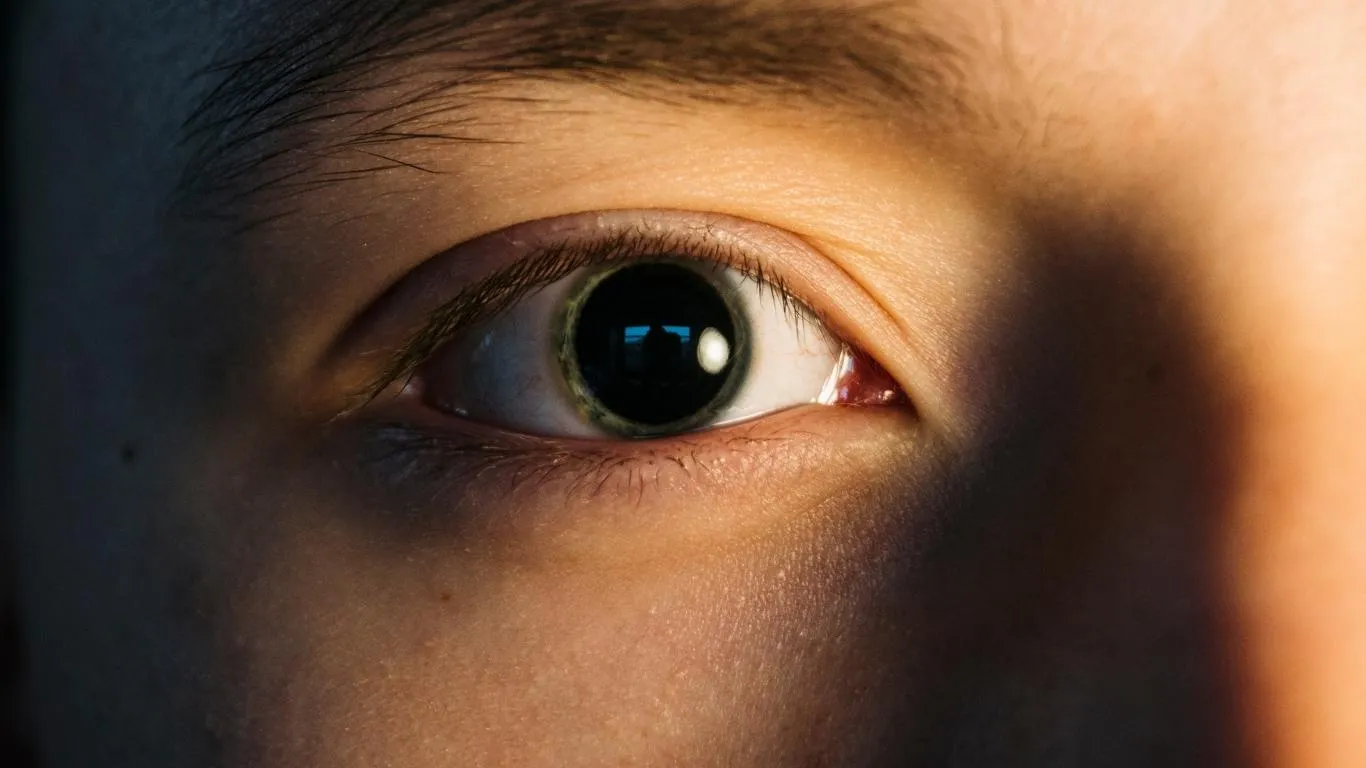
While there’s no miracle pill for floaters, certain supplements aimed at improving vitreous health and reducing oxidative stress can be beneficial. From my personal experience, incorporating omega-3 fatty acids and antioxidants like lutein has made a subtle difference over months.
- Omega-3 Fatty Acids: Promote eye fluid balance and reduce inflammation.
- Lutein & Zeaxanthin: Protect the retina from oxidative damage.
- Vitamin C: Supports collagen integrity in the vitreous humor.
There’s a thorough article about which supplements genuinely help with floaters.
And if you’re looking to understand the broader picture of what causes these floaters — from aging to trauma — this comprehensive guide on eye floater causes is a must-read alongside the main article on eye floater treatments and management.

Camellia Wulansari is a dedicated Medical Assistant at a local clinic and a passionate health writer at Healthusias.com. With years of hands-on experience in patient care and a deep interest in preventive medicine, she bridges the gap between clinical knowledge and accessible health information. Camellia specializes in writing about digestive health, chronic conditions like GERD and hypertension, respiratory issues, and autoimmune diseases, aiming to empower readers with practical, easy-to-understand insights. When she’s not assisting patients or writing, you’ll find her enjoying quiet mornings with coffee and a medical journal in hand—or jamming to her favorite metal band, Lamb of God.