How Anxiety Affects Libido And Weakens Emotional Relationships
Ever found yourself avoiding intimacy with your partner, not because you don’t want to, but because your mind just won’t slow down? I’ve been there. Anxiety has this sneaky way of creeping into places you least expect — and yes, it can absolutely wreck your libido and throw your relationship dynamics into chaos. The worst part? Most people don’t even realize anxiety is the hidden culprit sabotaging their connection.
How Anxiety Quietly Lowers Your Libido

When you think of anxiety, you probably picture racing thoughts, sweaty palms, or maybe even panic attacks. But its impact goes much deeper — right down to your sex drive. High anxiety triggers a constant fight-or-flight response, making your body prioritize survival over pleasure. So, it’s no wonder your libido takes a backseat.
I remember reading how hormonal imbalance anxiety silently disrupts libido and thinking, “That’s exactly what’s happening to me.” Cortisol, the stress hormone, can throw your testosterone and estrogen levels out of whack, leaving you feeling emotionally distant and physically uninterested.
Physical Symptoms That Kill the Mood
- Chronic muscle tension making you feel physically uncomfortable
- Stomach issues like bloating or nausea dampening desire
- Fatigue from poor sleep due to restless, anxious nights
And here’s the thing: when your body is constantly on edge, relaxation — which is essential for intimacy — feels almost impossible.
The Emotional Toll of Anxiety on Relationship Intimacy

Anxiety doesn’t just mess with the physical; it deeply affects emotional connection too. One minute you’re craving closeness, and the next, you’re overthinking every little thing your partner said. It becomes a vicious cycle of self-doubt and emotional withdrawal. Been there, done that.
For many, social anxiety’s impact on self-worth and intimacy doesn’t stop at adolescence — it follows into adulthood relationships, making vulnerability feel like a terrifying risk.
Common Anxious Thoughts That Distance Partners
- “What if I’m not good enough in bed?”
- “They’re probably getting tired of my emotional ups and downs.”
- “If I show how anxious I am, they’ll think I’m broken.”
This constant mental chatter builds invisible walls between you and your partner. The more you try to control it, the worse it seems to get.
Performance Anxiety: A Double-Edged Sword

Performance anxiety isn’t just about the act itself — it’s the pressure of meeting expectations. It’s that nagging fear of failing your partner, which ironically, sets you up for exactly that. I still recall one night where my anxiety spiraled into a full-blown panic attack, mid-intimacy. Talk about mood killer.
Learning practical tips to combat performance anxiety changed the game for me. Breathing techniques, reframing intrusive thoughts, and openly communicating with my partner eased the overwhelming expectations I’d placed on myself.
The Vicious Cycle of Avoidance
- Fear of disappointing your partner leads to intimacy avoidance
- Avoidance fosters emotional distance and misunderstandings
- Misunderstandings amplify anxiety and feelings of inadequacy
When Anxiety Leads to Relationship Mistrust

Anxiety has this cruel way of planting seeds of doubt where they don’t belong. You start questioning your partner’s feelings, their intentions, even their loyalty. It’s exhausting — for both of you. Over time, this mistrust, born out of anxious overthinking, can quietly chip away at relationship stability.
I found it enlightening to dive into the connection between anxiety and mental focus, especially how it fuels hypervigilance in relationships. Constantly being on edge for signs of rejection or betrayal becomes an emotional rollercoaster.
Red Flags Anxiety Is Affecting Your Trust
- You need constant reassurance about your partner’s feelings
- Minor delays in responses trigger worst-case scenario thoughts
- You find yourself snooping or overanalyzing innocent actions
It’s important to recognize these patterns early. Left unchecked, they can spiral into a toxic loop of accusations and emotional distancing.
Rebuilding Intimacy by Addressing Anxiety First

Here’s the reality — you can’t fix relationship intimacy without tackling the root anxiety. Trust me, I tried to “fake it till I make it,” but it never worked. I had to confront the underlying anxiety head-on, which wasn’t easy, but incredibly freeing.
Resources like psychotherapy and counseling for anxiety disorders became instrumental. Cognitive Behavioral Therapy (CBT) helped me identify distorted thought patterns, while open conversations with my partner created a safe space for emotional honesty.
Of course, anxiety isn’t something that just disappears, but with consistent effort, its grip on intimacy can loosen. I also found this guide on how anxiety disorders secretly control daily life incredibly eye-opening — it helped me see the subtle ways anxiety infiltrated my relationship without me realizing.
Why Anxiety-Induced Libido Loss Feels So Personal
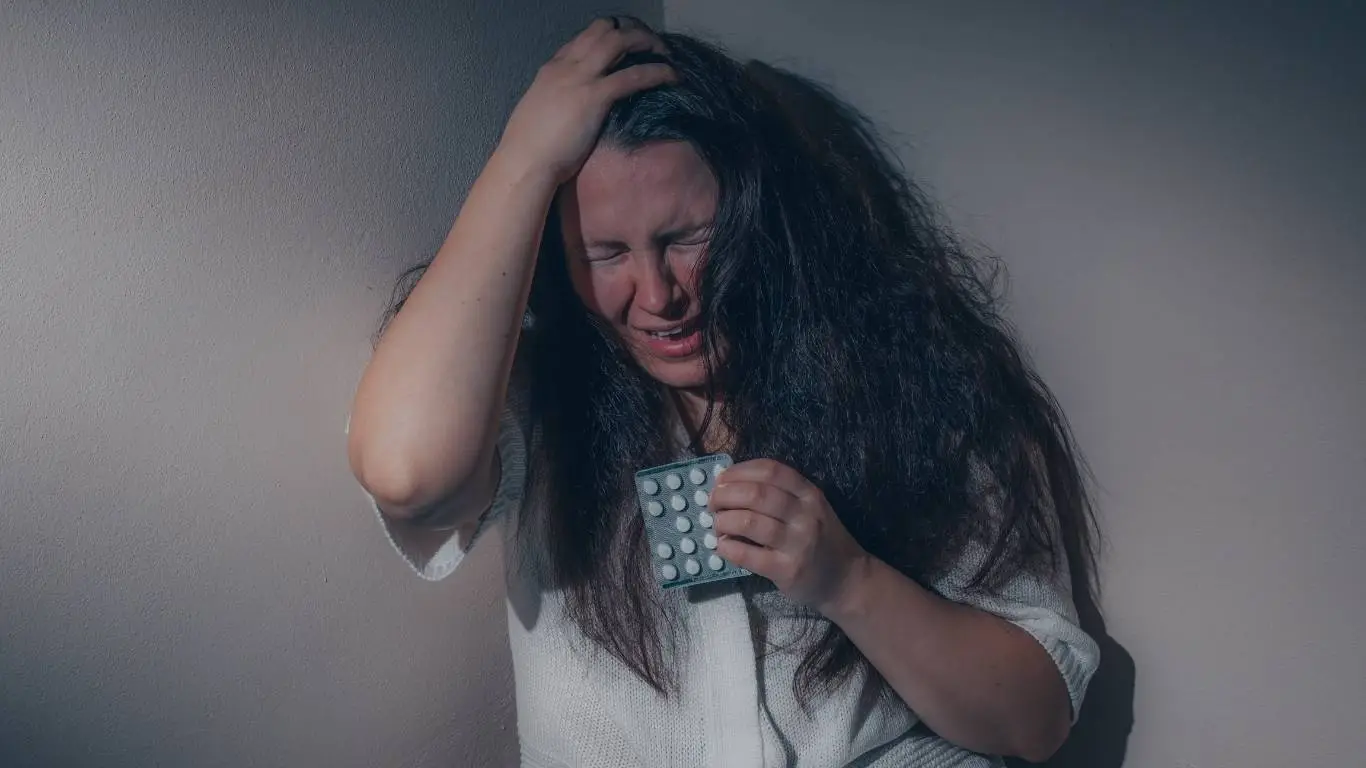
One thing I learned the hard way is that losing your libido because of anxiety feels incredibly personal. It’s not just about sex; it feels like you’re losing a piece of your identity. I used to beat myself up thinking, “Why can’t I just relax and enjoy this?” But the truth is, anxiety hijacks your body’s ability to switch off survival mode — and no amount of “just try harder” will fix that.
Articles like how anxiety impacts workplace performance helped me realize this isn’t just a bedroom issue. It’s a life issue. The same mental fatigue that drained my focus at work was draining my connection at home too.
Shame and Guilt: The Silent Libido Killers
The emotional baggage of anxiety doesn’t stop with mistrust and overthinking. Guilt about not “performing” or keeping up with your partner’s needs adds another layer of stress. It becomes this exhausting cycle where anxiety reduces desire, which triggers guilt, which fuels more anxiety.
- Feeling ashamed of “not being in the mood”
- Overcompensating in other areas of the relationship to make up for it
- Constantly comparing yourself to an imagined “normal”
Breaking this cycle starts with self-compassion — easier said than done, but essential. Understanding how neurotransmitter imbalances impact desire gave me a more forgiving perspective on my body’s reactions.
The Impact of Anxiety on Emotional Closeness

Anxiety doesn’t just shrink your libido; it can quietly sabotage emotional closeness. I used to pull away when I felt anxious, not because I wanted distance, but because I didn’t want my partner to see me “in that state.” Little did I know, this only created more emotional gaps.
One of the most eye-opening moments for me was learning about how past trauma shapes anxiety responses. Many of us are unknowingly repeating protective patterns we learned long ago, which now harm our adult relationships.
Signs Anxiety Is Blocking Emotional Intimacy
- You avoid deep conversations out of fear of vulnerability
- You find yourself “numbing out” during intimate moments
- Your mind is constantly racing even during quiet, personal time together
Recognizing these patterns was half the battle. The other half was having honest conversations about them — which, by the way, felt terrifying at first, but was absolutely worth it.
Practical Ways to Rekindle Intimacy Amid Anxiety
Rebuilding intimacy when anxiety is in the mix isn’t about pushing yourself into situations you’re not ready for. It’s about creating safe, low-pressure environments where connection can naturally flourish. Here’s what worked for me:
- Mindful touch exercises: No expectations, just rediscovering physical connection without performance pressure.
- Shared calming activities: Like yoga, slow walks, or even breathing exercises together. I found breathing routines remarkably grounding.
- Scheduled “worry time”: Setting aside 15 minutes a day to express anxieties so they don’t spill into intimate moments.
It wasn’t a magic overnight fix, but slowly, I noticed that moments of closeness started to feel easier, more genuine, and less pressured.
Medical Treatments That Can Support Libido Recovery

For some, lifestyle changes and therapy might not be enough. I had to accept that medical interventions aren’t a sign of weakness but a tool for recovery. SSRIs, while known to sometimes impact libido, actually helped balance my baseline anxiety to a point where intimacy became possible again.
Learning about evidence-based medical treatment options gave me the confidence to have an open dialogue with my doctor. We discussed dosage strategies that minimized sexual side effects while effectively managing anxiety levels.
Additionally, I explored complementary treatments like Omega-3 supplements which surprisingly boosted my mood and energy, subtly improving libido over time.
Rebuilding Relationship Confidence Together

Anxiety can make you feel like you’re the only one struggling, but intimacy is a team effort. One of the most transformative things my partner and I did was approaching it as “our challenge” rather than “my problem.” This shift in perspective lightened the emotional load immensely.
We even tried techniques from lifestyle self-help guides — setting small, shared goals like weekly “no-pressure connection time” where intimacy wasn’t the focus, but authentic bonding was.
How Open Communication Changes Everything
- It diffuses assumptions that your partner “doesn’t care”
- It creates a space where struggles are met with empathy, not frustration
- It builds a stronger emotional foundation that naturally nurtures physical intimacy
And when communication felt tough, I’d revisit reminders about anxiety’s sneaky influence on daily life to keep myself grounded in the bigger picture.

Camellia Wulansari is a dedicated Medical Assistant at a local clinic and a passionate health writer at Healthusias.com. With years of hands-on experience in patient care and a deep interest in preventive medicine, she bridges the gap between clinical knowledge and accessible health information. Camellia specializes in writing about digestive health, chronic conditions like GERD and hypertension, respiratory issues, and autoimmune diseases, aiming to empower readers with practical, easy-to-understand insights. When she’s not assisting patients or writing, you’ll find her enjoying quiet mornings with coffee and a medical journal in hand—or jamming to her favorite metal band, Lamb of God.