How Clenching Toes Quietly Triggers Spinal Compensations and Pain
Ever found yourself unconsciously clenching your toes while standing, sitting, or even walking? Yeah, me too. I used to think it was just a quirky habit until my lower back started protesting after long workdays. Turns out, this toe-gripping habit does a lot more than just tire your feet. It quietly triggers a chain reaction all the way up to your spine, leading to imbalances and nagging back pain. Let’s dive into how this small habit can mess with your posture and what you can do to fix it.
How Toe Clenching Disrupts Your Body’s Natural Balance

Your toes might seem insignificant in the grand scheme of spinal health, but they’re foundational to your body’s balance. When you clench your toes, you’re essentially shortening the base of your support. It’s like trying to balance a tall bookshelf on a narrow pedestal—inevitably, your body has to compensate elsewhere to avoid toppling over.
The Subtle Start of a Big Problem
Most people don’t notice they’re doing it. For me, it was during long hours of working at my desk that I found my toes gripping the floor, creating tension up my legs. This seemingly harmless act forces your calves, hamstrings, and even glutes to engage in unnatural ways. Over time, this leads to muscular imbalances, affecting your lumbar spine and beyond.
- Increased tension in the posterior chain muscles
- Anterior pelvic tilt compensation to stabilize posture
- Chronic strain on sacroiliac joints
Spinal Compensations: What’s Really Happening?
When your toes clench, the foot arch tightens, leading to overactivation of the deep stabilizers. This throws off your entire kinetic chain. To maintain balance, your pelvis might tilt forward, your lower back arches excessively, and even your upper body posture adjusts to keep you upright. Over time, this creates a cascade of compensatory patterns that can lead to persistent discomfort and pain.

Common Signs Your Toe Clenching is Affecting Your Spine
Most of us dismiss mild discomfort until it turns into a bigger issue. Here are some tell-tale signs that your toe-clenching habit is messing with your spinal alignment:
- Recurring lower back stiffness especially after long standing or walking sessions
- Knee pain that doesn’t seem to have a clear injury cause
- Uneven hip alignment noticeable in mirrors or photos
- Tightness in hamstrings and calves despite regular stretching
Interestingly, this toe clenching pattern is also a common culprit in muscle imbalances causing back pain, often overlooked during standard assessments.
Why Your Body Adapts to Dysfunction (And Pays the Price)

Our bodies are experts at adapting. But these compensations come at a cost. The stabilizer muscles of your core (like the Transverse Abdominis and Multifidus) start to take a back seat, while superficial muscles like hip flexors and lower back extensors take over stabilization duties. This altered movement strategy not only increases fatigue but also raises the risk of developing chronic pain syndromes.
A recent study from PubMed highlighted how toe gripping can alter gait mechanics, causing subtle yet cumulative stress on the lumbar spine. It’s a classic example of a small dysfunction escalating into a full-blown issue over time.
Functional Weakness in the Core
When toe clenching is habitual, your core musculature becomes reactive rather than proactive. This ‘bracing’ mode fatigues your lower back faster, leading to compensations that even affect how your thoracic spine moves. If you’ve noticed stiffness between your shoulder blades or sudden mid-back aches, there’s a good chance toe clenching is part of the puzzle. Explore more on shoulder blade tension and spinal alignment here.
Effective Strategies to Break the Toe Clenching Habit
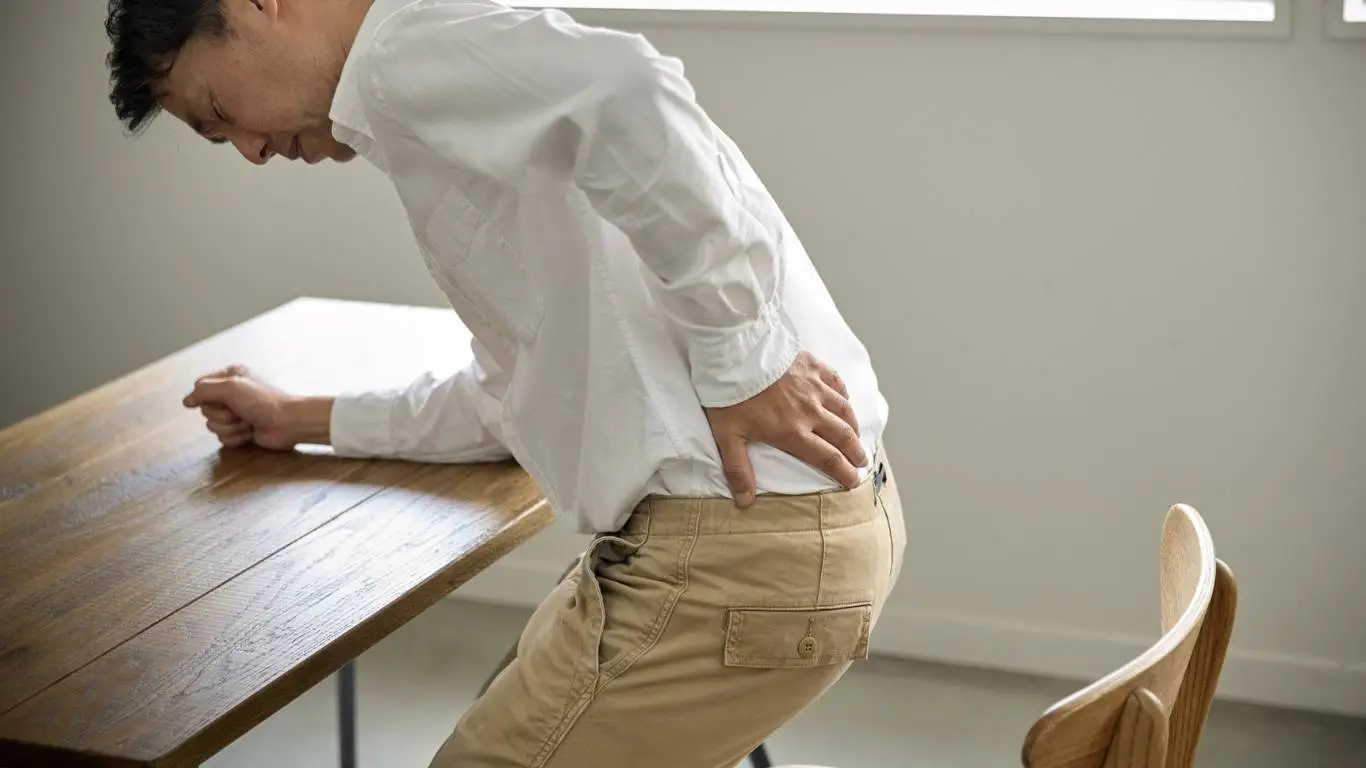
I know how frustrating it can be to realize a small habit is behind your persistent back issues. The good news? It’s fixable. But it requires awareness and a few targeted interventions:
- Foot intrinsic muscle strengthening (think toe spreading exercises, short foot drills)
- Calf and hamstring release techniques to reduce posterior chain tension
- Core activation drills focusing on deep stabilizers
- Regular posture resets, especially during prolonged standing or sitting tasks
Here’s a great resource to dive deeper into exercise and ergonomic strategies for back health that align perfectly with correcting toe-induced spinal compensations.
Could Your Footwear Be Making Things Worse?

Guilty as charged. I used to wear shoes that looked great but had zero arch support. Unsurprisingly, they encouraged more toe gripping, especially on hard surfaces. Footwear that lacks proper arch support can significantly exacerbate compensatory patterns, forcing your toes to do the stabilizing job that should be handled by the shoe structure and your intrinsic foot muscles.
If you’re wondering whether your shoes are contributing to your back discomfort, you should check out this in-depth guide on how improper footwear affects your spine.
Consider This
Minimalist shoes might be trendy, but without proper transition and foot strengthening, they can worsen toe gripping tendencies. The key is progressive adaptation and not jumping straight into barefoot-style shoes if your feet aren’t ready.
For a broader understanding of how these subtle compensations fit into the bigger back pain picture, don’t miss the comprehensive guide on types and anatomy of back pain—a must-read for anyone serious about tackling this issue at its root.
Also, explore the main resource hub for back pain insights here: Healthusias Back Pain Resource.
Simple Daily Practices to Prevent Toe Clenching

One of the first things that helped me break the clenching cycle was setting micro-reminders. It sounds silly, but a sticky note on my desk with “RELAX YOUR TOES” was a game-changer. Over time, these small cues made me more conscious of how my feet were behaving, even during stressful work calls or while standing in queues.
Incorporating short, daily mobility drills can make a huge difference too. Start your day with some barefoot toe spreading on a yoga mat or carpet. It’s a subtle yet powerful way to reconnect your brain with those neglected foot muscles.
- Practice toe splaying exercises for 2 minutes every morning
- Alternate between seated calf stretches and foot rolls to release tension
- Set a phone alarm every 2 hours with a reminder to ‘Check Your Toes’
- Stand on uneven surfaces (like a balance pad) to challenge your foot stabilizers
Additionally, consider integrating short foot posture resets into your workspace setup. If you’re working long hours, you’ll find these strategies in standing desk posture improvement tips especially useful.
When Toe Clenching Is a Sign of Bigger Issues

For some, toe clenching isn’t just a habit but a compensation for deeper postural imbalances or neurological patterns. I learned this the hard way after experiencing recurring hip discomfort that didn’t go away with stretching. A specialist pointed out how my body’s proprioception was off, making my toes overcompensate for poor pelvic stability.
Persistent toe clenching can sometimes indicate:
- Weakness in core stabilizers (especially the Transverse Abdominis)
- Subtle foot deformities like overpronation or rigid arches
- Neurological misfires leading to dysfunctional muscle activation patterns
For those battling with chronic compensations, a guided rehab approach focusing on ergonomics becomes essential. It’s not just about correcting the foot, but retraining your entire kinetic chain to move more efficiently.
Don’t Ignore These Red Flags

While toe clenching is often a low-level compensation, there are certain symptoms that warrant deeper evaluation:
- Consistent unilateral lower back pain after walking
- Knee tracking issues despite good form in squats or lunges
- Numbness or tingling sensations in the toes or feet
- Visible muscle imbalances, such as a dropped shoulder or rotated hip
Ignoring these signs can lead to more complex problems like facet joint irritation or even sciatic nerve entrapment over time. Early intervention is key.
Practical Footwear Tips to Reduce Compensations

Swapping out my fashion sneakers for supportive trainers was humbling but transformative. The right footwear can assist in reducing unnecessary toe gripping by providing adequate arch support and midfoot stability. Look for shoes with:
- A firm but flexible sole that supports natural foot movement
- Wide toe boxes to allow natural toe splay
- Low to moderate heel drop to promote neutral foot positioning
Avoid shoes that compress your forefoot or overly cushion the arch, as these often promote lazy foot mechanics. You can learn more about optimizing footwear choices in this comprehensive guide on footwear and back pain.
Integrating Mindful Movement into Your Daily Routine

Breaking the toe-clenching habit isn’t just about physical exercises. It requires a shift in body awareness. Mindful practices like slow walking barefoot at home, balancing exercises, or even short standing meditations help in rewiring how your nervous system engages your feet during daily activities.
Start with these simple steps:
- Dedicate 5 minutes post-work to stand barefoot and consciously relax your toes
- Incorporate foot mobility drills as part of your warm-up before workouts
- Use proprioception tools like balance discs during TV time
For a deeper dive into the mind-body connection and its role in back pain relief, you should explore the mental and emotional aspects of back pain.
Building Long-Term Resilience Against Compensatory Patterns

Toe clenching might start as a minor quirk, but its ripple effect on your posture and spine can be profound. The key to long-term relief lies in consistency. Regularly activating the foot’s intrinsic muscles, addressing hip and core stability, and being mindful of footwear choices are non-negotiables for sustainable change.
As I discovered, small daily corrections lead to big transformations. If you’re ready to take control of your postural health and stop compensatory patterns in their tracks, you’ll find immense value in this comprehensive guide on lifestyle and natural remedies for back health.
And of course, make sure to bookmark the ultimate resource hub for all things back pain at Healthusias Back Pain Resource.

Camellia Wulansari is a dedicated Medical Assistant at a local clinic and a passionate health writer at Healthusias.com. With years of hands-on experience in patient care and a deep interest in preventive medicine, she bridges the gap between clinical knowledge and accessible health information. Camellia specializes in writing about digestive health, chronic conditions like GERD and hypertension, respiratory issues, and autoimmune diseases, aiming to empower readers with practical, easy-to-understand insights. When she’s not assisting patients or writing, you’ll find her enjoying quiet mornings with coffee and a medical journal in hand—or jamming to her favorite metal band, Lamb of God.