How to Prevent Back Pain After Trampoline Workouts With Simple Fixes
Bouncing on a trampoline feels like a throwback to childhood, doesn’t it? That carefree feeling of defying gravity, even if just for a split second. But if you’re like me, you’ve probably experienced an unexpected downside — that annoying back pain after trampoline workouts. At first, I thought it was just soreness, but when the ache lingered, I realized trampoline exercises aren’t always as harmless as they look.
Why Trampoline Workouts Trigger Back Pain More Often Than You Think

Most people underestimate the physical demand of trampoline workouts. Sure, it seems low-impact, but the rapid bouncing places a huge strain on your spinal alignment and core muscles. When your body lacks proper stability, each landing can jar your lower back, especially if your form slips even slightly.
Speaking from personal experience, I learned that what feels fun at first can quickly turn into a nagging lumbar ache. Over time, it made me curious: why exactly does trampoline activity cause such discomfort for some people while others seem unaffected?
The Hidden Culprit: Poor Core Engagement
One of the biggest mistakes people make is assuming trampoline workouts are all about cardio. In reality, your core stability is what keeps your spine protected during each jump. Without proper engagement of your deep core muscles, the bouncing motion places excessive strain on your lower back.
- Weak glutes failing to stabilize pelvis
- Tight hip flexors causing anterior pelvic tilt
- Lack of core activation leading to lumbar hyperextension
It’s a recipe for back discomfort, especially if you’ve been sitting at a desk all day before jumping into an intense trampoline session.
Common Mistakes That Amplify Back Pain Post-Trampoline

Let’s be honest — most of us don’t warm up before hopping on a trampoline. It’s not like we treat it with the same seriousness as a gym workout. That casual approach often leads to:
- Landing with a stiff, locked-knee posture that shoots impact straight to your spine.
- Allowing your pelvis to tilt forward due to tight hip flexors.
- Using momentum rather than controlled muscular engagement, especially during flips or high bounces.
On top of that, if you already struggle with conditions like weak glutes or tight hamstrings, you’re setting yourself up for back strain. I personally noticed a significant difference once I started including dynamic warm-ups and activation drills before trampoline sessions.
Posture Breakdown: The Subtle Spine Misalignment
The repetitive impact of bouncing forces your body into micro-adjustments to maintain balance. If you have underlying postural issues — even minor ones — they become magnified. Over time, that leads to lumbar nerve irritation or facet joint stress.
Believe me, it creeps up on you. One day you’re fine, the next you feel a nagging ache that just won’t go away after trampoline fun.
How I Managed to Reduce My Back Pain After Trampoline Workouts

Honestly, I didn’t want to give up trampoline workouts. They’re fun, and let’s face it — they torch calories like crazy. So, I had to get smart. Here are a few game-changing adjustments that worked for me:
1. Pre-Jump Core Activation Routine
Before every session, I now spend 10 minutes activating my transverse abdominis and glutes. Simple exercises like dead bugs and glute bridges make a huge difference in how my back feels afterward.
2. Stretching the Tight Spots
Targeting hip flexors, hamstrings, and thoracic spine mobility with stretches (I found this guide on effective stretches) made my landings smoother and less jarring on my lumbar spine.
3. Post-Workout Recovery Tactics
I started using hot-cold therapy right after trampoline sessions. Alternating between heat packs and ice helps reduce inflammation and soothes tight lower back muscles.
When to Take Back Pain Seriously After Trampoline Activities
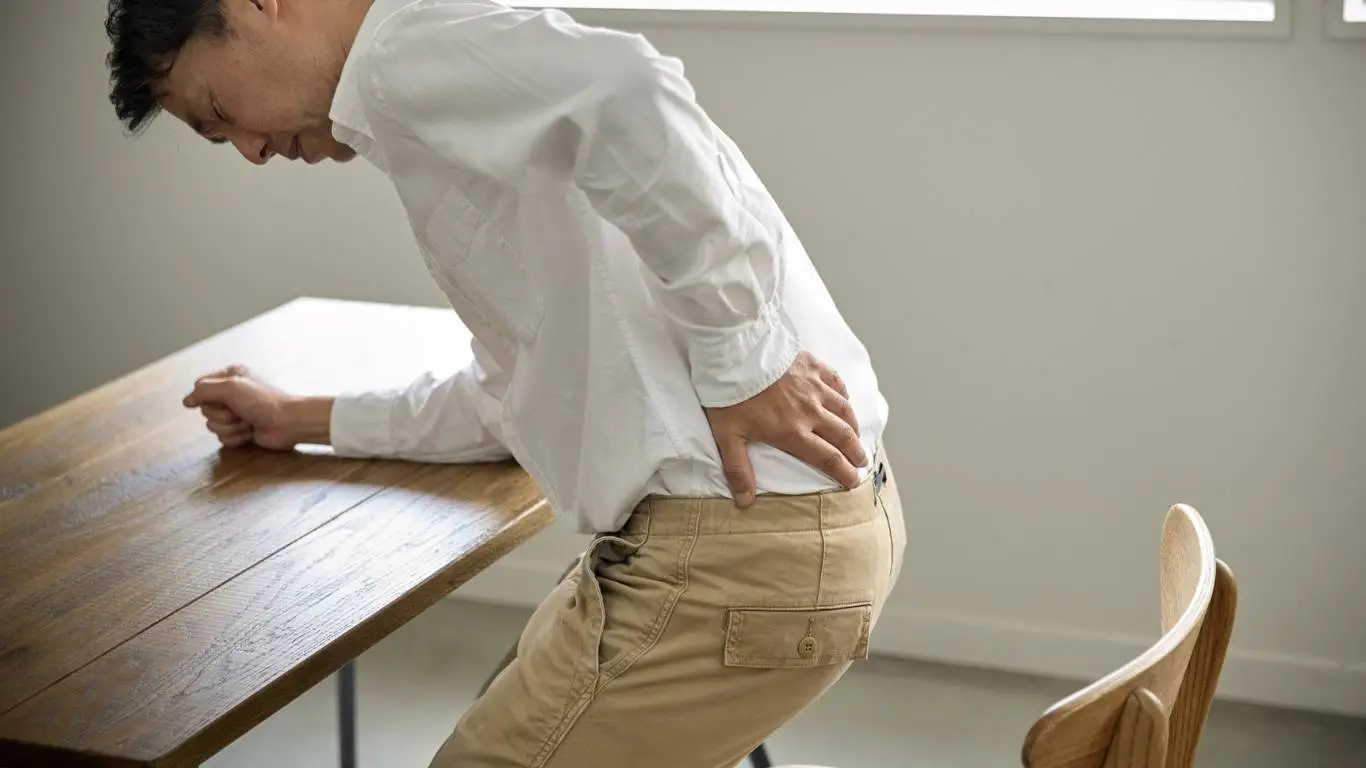
Occasional soreness is normal, but persistent, sharp, or radiating pain isn’t something to brush off. Conditions like sciatica or a herniated disc can develop if trampoline-induced stress isn’t managed early.
If you notice symptoms like numbness, tingling, or shooting pain down your leg, it’s essential to get evaluated by a professional. Trampoline workouts are fun, but they’re no joke when it comes to spinal health.
For a deeper dive into how activity-specific back pain develops and effective ways to manage it, check out this comprehensive resource on back pain causes. It’s one of the best breakdowns I’ve come across that explains the mechanics behind exercise-induced discomfort.
And if you want a broader perspective on how various lifestyle factors contribute to back pain, this main back pain guide is an excellent place to start.
Essential Rehab Strategies to Recover from Trampoline-Related Back Pain

Recovering from back pain after trampoline sessions isn’t about complete rest — it’s about smart, active recovery. I learned this the hard way when I thought taking a few days off would solve everything. Spoiler alert: it didn’t. What worked was a structured rehab approach that addressed muscle imbalances and poor movement patterns.
Active Stretching and Mobility Drills
Daily dynamic stretches focusing on hip flexors, hamstrings, and thoracic rotation were a game-changer. I found this fascia release routine incredibly effective for easing stubborn lower back tension post-workout.
- Cat-Cow stretches to improve spinal flexibility
- Hip flexor lunges for anterior chain release
- Thoracic spine openers to improve upper back mobility
It’s a simple routine, but consistency matters. Within two weeks, I noticed my post-trampoline soreness cut in half.
Core Stability Before Strength
One mistake I see a lot (and I made it too) is jumping straight into heavy core strengthening. But if your deep stabilizers are weak, adding load too soon can backfire. What helped me was integrating core engagement techniques that focus on control rather than brute strength.
Here’s a simple progression that worked wonders:
- Isometric holds like bird-dogs and dead bugs
- Controlled hollow-body holds
- Slow tempo planks, focusing on deep TVA activation
Fixing Daily Habits That Secretly Worsen Trampoline Back Pain

As much as trampoline form matters, I realized my daily habits were quietly sabotaging my back health. You might not link your office chair or driving posture to post-trampoline pain, but trust me — it all adds up.
Ergonomics First: Office & Car Setup
Swapping my generic desk chair for a proper ergonomic chair was one of the simplest, yet most effective changes. Additionally, I adjusted my car seat following these car ergonomics tips. Small tweaks, big relief.
Micro-Movements and Active Breaks
I started implementing micro-breaks every 30 minutes. Just standing up, doing a quick spinal twist, or walking for 2 minutes made trampoline recovery much smoother. I followed this guide on micro-break strategies, and it genuinely reduced my next-day soreness.
Preventing Back Pain Recurrence After Trampoline Sessions

After months of trial and error, I found a solid routine that allows me to enjoy trampoline workouts without flaring up my back pain.
Mastering Landing Mechanics
Most trampoline back pain stems from poor landing control. I worked with a coach to refine my landing mechanics — keeping knees slightly bent, engaging core upon landing, and avoiding over-arching my lower back. This small adjustment reduced my spinal compression significantly.
Strengthening Glutes & Posterior Chain
Weak glutes were a silent contributor to my recurring back pain. Incorporating targeted posterior chain exercises like hip thrusts, Romanian deadlifts, and single-leg bridges created a noticeable difference in my landing stability.
Monitoring Inflammation & Recovery
I also added anti-inflammatory strategies like turmeric supplementation (see: turmeric for back pain) and monitored my sleep posture using tips from this sleeping position guide.
When It’s Time to Seek Professional Help

If your back pain persists for more than a few weeks despite corrective measures, it’s crucial to get it checked out. Conditions like facet joint syndrome or SI joint dysfunction can masquerade as simple soreness but require specialized treatment.
Depending on the severity, options like osteopathic manipulation therapy or even epidural steroid injections might be recommended.
For a detailed breakdown of non-surgical solutions, this guide on conservative treatments for back pain is packed with practical insights.
And if you’re looking for an all-in-one hub covering everything from causes to treatments of back discomfort, you’ll find this comprehensive back pain resource incredibly useful.

Camellia Wulansari is a dedicated Medical Assistant at a local clinic and a passionate health writer at Healthusias.com. With years of hands-on experience in patient care and a deep interest in preventive medicine, she bridges the gap between clinical knowledge and accessible health information. Camellia specializes in writing about digestive health, chronic conditions like GERD and hypertension, respiratory issues, and autoimmune diseases, aiming to empower readers with practical, easy-to-understand insights. When she’s not assisting patients or writing, you’ll find her enjoying quiet mornings with coffee and a medical journal in hand—or jamming to her favorite metal band, Lamb of God.