How Anxiety During Caffeine Withdrawal Quietly Wrecks Your Calm
I never thought my innocent morning coffee ritual could quietly wreck my nerves. But there I was, jittery and restless, battling anxiety during caffeine withdrawal like it was a secret war no one warned me about. It’s not just about missing the buzz; it’s the rollercoaster of mental fog, irritability, and unexpected waves of panic that hits you when your body starts screaming for its usual caffeine fix. If you’ve been there—or you’re going through it right now—you know exactly what I mean.
Why Caffeine Withdrawal Triggers Anxiety: It’s More Complex Than You Think

Caffeine is a stimulant that hooks into your central nervous system, giving you that sharp, laser-focused energy. But when you cut it off—whether you go cold turkey or gradually reduce—it doesn’t go quietly. The sudden drop in adenosine receptor blockage leads to a rebound effect. Translation? Your brain’s calming neurotransmitters freak out, and anxiety surges.
- Heart palpitations that make you second-guess whether it’s anxiety or a heart condition
- Mental fog paired with restlessness that makes it impossible to concentrate
- Heightened irritability—as if everyone suddenly became more annoying
In my case, I felt like my brain was playing ping-pong between exhaustion and nervous energy. It was exhausting, and the worst part was I didn’t even know it was caffeine withdrawal causing it.
How Long Does Anxiety During Caffeine Withdrawal Last?
This is the golden question. For most people, the acute withdrawal phase lasts anywhere between 2 to 9 days. But here’s the catch—if you’re prone to anxiety, the rebound symptoms can linger for weeks, especially if you’ve been a heavy coffee drinker (I’m talking 3-5 cups daily club). It’s not uncommon to feel like you’re spiraling even after the headaches subside.
One of the studies from ncbi.nlm.nih.gov pointed out that individuals with generalized anxiety disorder (GAD) are more susceptible to caffeine-induced anxiety and withdrawal effects. That hit home for me because I always thought my anxiety was “just me” and didn’t connect it to my caffeine habits until much later.
Recognizing When It’s Anxiety, Not Just Caffeine Headache

Common Signs You’re Dealing With Anxiety During Withdrawal
- Persistent feeling of doom or dread for no apparent reason
- Increased sensitivity to minor stressors
- Chest tightness and shallow breathing
- Overthinking minor issues into worst-case scenarios
During my own withdrawal phase, I noticed I was obsessing over emails, rereading them multiple times, worrying I had said something wrong. These obsessive thoughts are classic anxiety markers, and caffeine withdrawal can amplify them if your system is already wired for worry.
How I Managed Anxiety Without Reaching for Another Cup

It’s tempting to “fix” the withdrawal by sneaking in just a little caffeine, but that only postpones the inevitable. Here’s what actually worked for me:
- Hydration overload: Drinking water constantly to flush out caffeine metabolites faster.
- Magnesium-rich snacks: Almonds and spinach smoothies helped calm my jittery nerves. This strategy is actually supported in this detailed guide on magnesium for anxiety.
- Deep breathing techniques: I followed simple breathing exercises specifically for anxiety relief which helped regain calm within minutes.
- Progressive Muscle Relaxation (PMR): This was a game-changer. I didn’t believe in it until I read about how PMR eases daily anxiety naturally.
Is It Worth Quitting Caffeine If You Struggle With Anxiety?
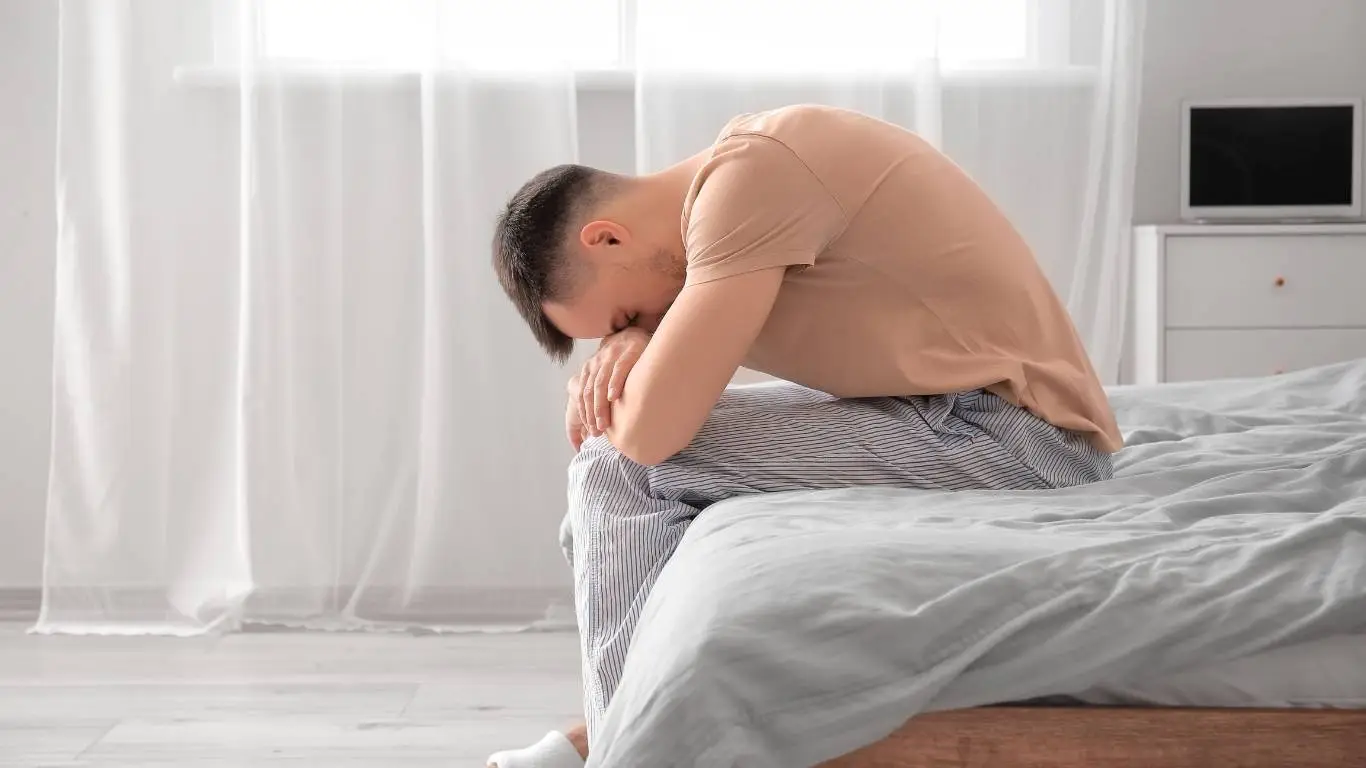
This is personal, but for many—including me—it’s been worth every jittery moment. The first few days are rough, no sugar-coating it. But the clarity and calm I felt after a few weeks? Life-changing. Plus, my panic episodes that used to sneak up in the afternoons dramatically reduced. I found immense help from structured techniques like Cognitive Behavioral Therapy (CBT) steps tailored for anxiety.
For a deeper understanding of the hidden causes that trigger anxiety, which often get overlooked, I recommend reading this insightful piece on The Hidden Causes of Anxiety Disorders Most People Miss. You might be surprised how intertwined your daily habits are with your mental health.
Also, if you’re curious about how anxiety can silently disrupt your life in ways you never noticed, this resource is an absolute must-read: Why Anxiety Disorders Can Secretly Control Your Daily Life.
Natural Alternatives to Caffeine That Won’t Spike Your Anxiety
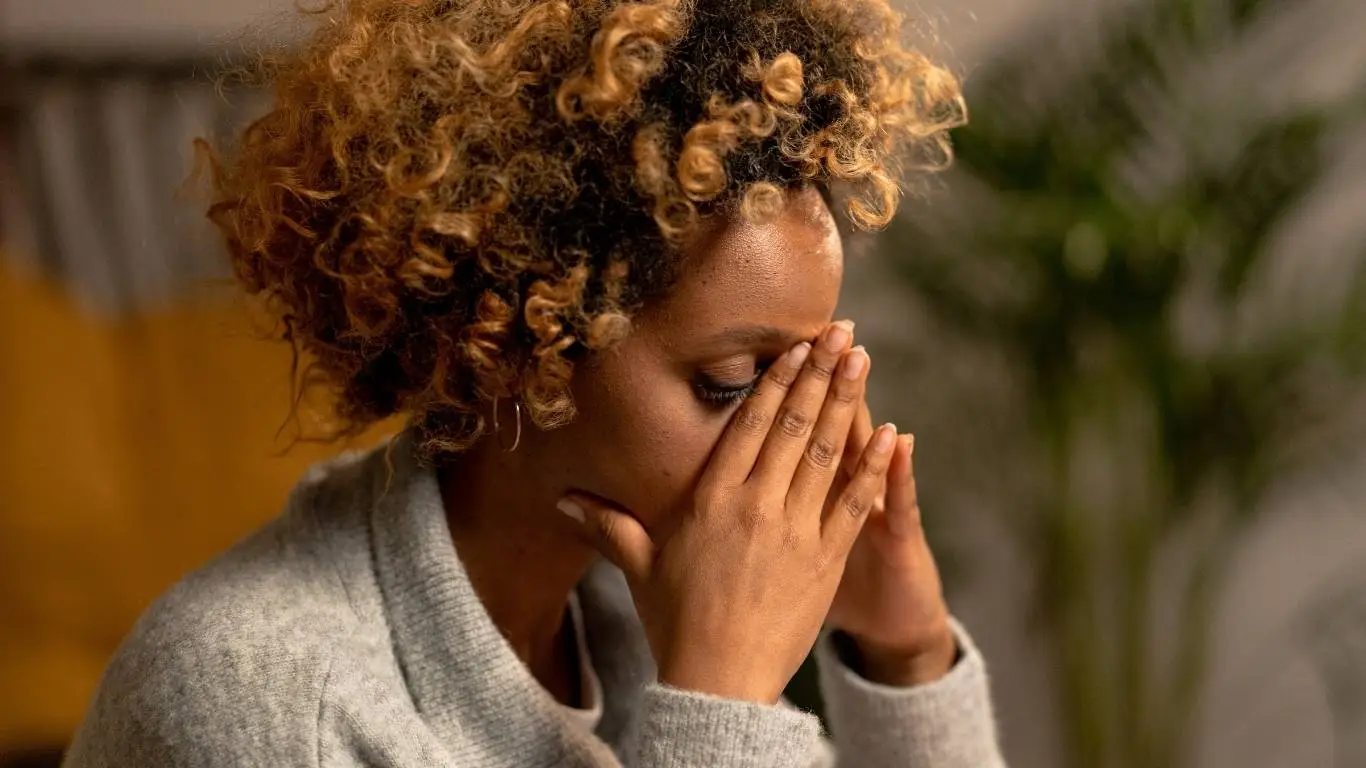
One of the hardest parts about quitting caffeine was finding something that gave me a sense of alertness without the crash or anxiety spiral. Let me save you the trial-and-error I went through. Here are the real winners that actually work:
- Herbal teas with adaptogens: My personal go-to is ashwagandha-infused tea. It’s calming yet gives a subtle clarity. This list of herbal teas for anxiety relief became my caffeine-free bible.
- Warm lemon water in the mornings: Simple but surprisingly refreshing. It helps wake up your system without sending your cortisol levels through the roof.
- Caffeine-free herbal drinks: Rooibos tea became my late-afternoon savior when I’d usually reach for that dangerous “third cup.” You can check out more suggestions here: caffeine-free drinks that calm anxiety naturally.
Making the switch wasn’t instant, but within a week or two, my mornings felt less frantic, and I wasn’t on edge by noon anymore.
Dealing With “Phantom” Anxiety Attacks Post-Caffeine Detox
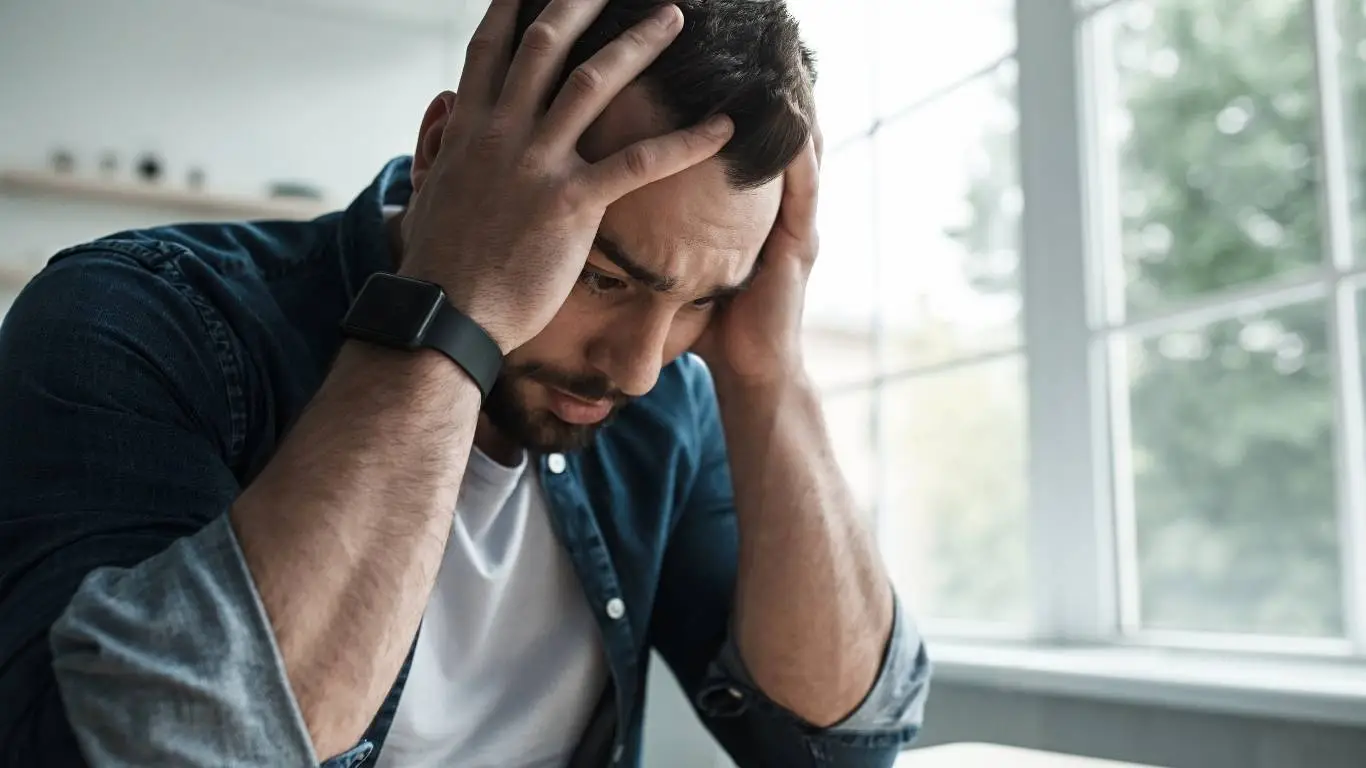
Here’s something they don’t tell you: even after you quit caffeine, your body might still “expect” those stimulants. I went through what I call “phantom anxiety attacks”—random waves of unease that hit even weeks after I had my last cup.
These episodes usually strike when you’re in situations where you “used to” rely on caffeine—afternoon work slumps, stressful meetings, or even grocery shopping. I found it incredibly helpful to use mindfulness techniques. One practice that really made a difference was progressive muscle relaxation (PMR). If you haven’t tried it, check out this step-by-step PMR guide that simplifies it.
How Diet & Nutrition Play a Bigger Role in Withdrawal Anxiety Than You Think

One mistake I made during my first caffeine detox attempt was ignoring my diet. Caffeine withdrawal anxiety gets magnified if your blood sugar levels are on a rollercoaster. Here’s what worked for me:
- Incorporating Omega-3 rich foods: Salmon and chia seeds became my brain’s best friends. The anti-inflammatory effects are backed by research, and you can find more info on their anxiety benefits here.
- Reducing processed sugar: The fewer sugar crashes I had, the fewer anxiety episodes I faced. A clean, balanced meal plan made the withdrawal transition smoother.
- Staying consistent with hydration: I set phone reminders to drink water hourly. It sounds silly, but it worked wonders in flushing out residual caffeine and keeping my anxiety manageable.
If you’re curious about other nutritional strategies, this detailed guide on diet and nutrition for anxiety disorders is a must-read.
Why Caffeine Withdrawal Hits Harder If You Have High-Functioning Anxiety
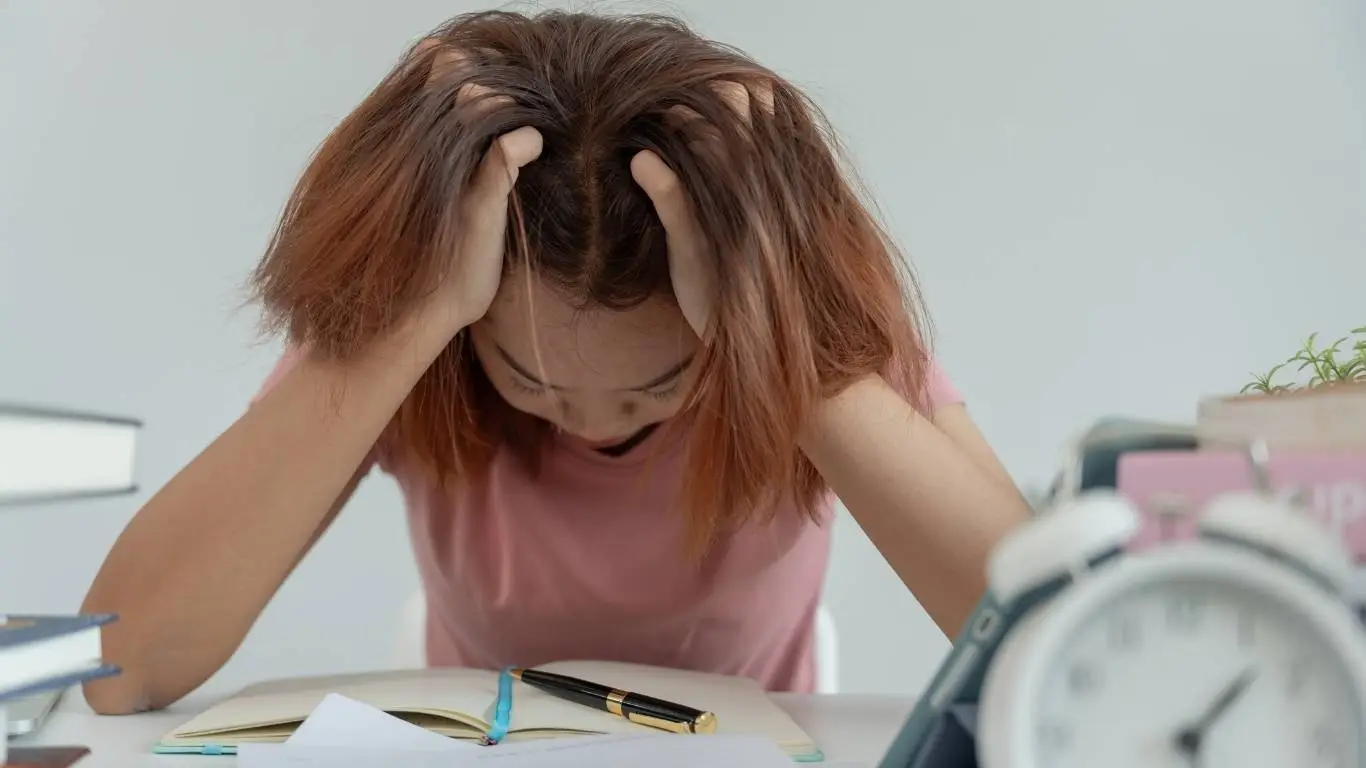
High-functioning anxiety is that sneaky form of overdrive where you look calm on the outside but are battling a storm inside. If that’s you, caffeine withdrawal is not just a minor annoyance—it feels like your coping mechanism has been ripped away.
One morning I found myself obsessing over an email typo for hours. That’s when it clicked: my high-functioning anxiety was amplifying my withdrawal symptoms. If this sounds familiar, I highly recommend reading about how high-functioning anxiety silently drains you.
Combining self-awareness with structured support techniques like psychotherapy or counseling can make a massive difference.
Should You Taper Off Caffeine or Quit Cold Turkey?

Honestly, I’ve tried both. Cold turkey was rough but fast. Tapering off was gentler on my nerves, but the process took longer. There’s no “one-size-fits-all,” but if you have a history of anxiety disorders, a gradual taper is often easier on your system.
If you’re unsure how to structure it, this breakdown on tapering off medications offers insights that apply surprisingly well to caffeine, too.
My Anxiety Symptoms Post-Caffeine: What Got Better?

About a month into being caffeine-free, I noticed changes that I didn’t expect:
- Fewer intrusive thoughts in the afternoons (when my second cup would’ve kicked in).
- My sleep quality improved dramatically. No more 3 a.m. anxiety spirals.
- My heart rate felt steadier, especially during stressful workdays.
But the most surprising benefit? I stopped dreading social interactions. For years, I chalked up my social anxiety to “just who I am.” Turns out, caffeine was a silent accomplice all along. This article on social anxiety and its hidden impacts sheds light on why it’s often misunderstood.
If anxiety quietly controls your daily life and you’re looking for a deeper understanding of how habits like caffeine consumption intertwine with mental health, you’ll want to explore this in-depth resource on Why Anxiety Disorders Can Secretly Control Your Daily Life.

Camellia Wulansari is a dedicated Medical Assistant at a local clinic and a passionate health writer at Healthusias.com. With years of hands-on experience in patient care and a deep interest in preventive medicine, she bridges the gap between clinical knowledge and accessible health information. Camellia specializes in writing about digestive health, chronic conditions like GERD and hypertension, respiratory issues, and autoimmune diseases, aiming to empower readers with practical, easy-to-understand insights. When she’s not assisting patients or writing, you’ll find her enjoying quiet mornings with coffee and a medical journal in hand—or jamming to her favorite metal band, Lamb of God.