How Jumping Rope Impacts Spinal Shock Absorption and Back Health
So, I was at the gym the other day, watching this guy absolutely crush a jump rope routine. We’re talking double-unders, crisscrosses, the whole deal. Impressive? Totally. But here’s the kicker—he mentioned he’s been dealing with lower back soreness. That got me thinking, how does all that repetitive impact from jumping rope actually affect our spine’s shock absorption? Especially for those of us not in our twenties anymore, right?
Understanding How Jumping Rope Impacts Your Spine

Jumping rope is one of the most underrated full-body workouts. It’s cheap, portable, and torches calories. But what most people don’t realize is the biomechanical stress it places on the spinal structures. Your spine isn’t just a stack of bones—it’s a finely tuned shock absorber designed to distribute impact forces from head to toe.
The real question is—does the repetitive bouncing of jump rope sessions wear down this natural cushioning?
How Shock Absorption Works in Your Spine
Imagine the spine as a multi-level suspension system. Between each vertebra are discs filled with a jelly-like center called the nucleus pulposus, surrounded by a tougher exterior. These discs act like tiny air cushions, compressing slightly with every jump to distribute forces evenly. But here’s where things get tricky—the efficiency of this “spinal suspension” depends on factors like posture, core engagement, and surface type.
Research from Spine-health shows that repetitive vertical impact without adequate muscular support can lead to microtraumas in these discs over time. While your body is built to handle a certain amount of bounce, poor jumping mechanics and insufficient recovery can strain the spinal joints and surrounding ligaments.
Factors that Affect Spinal Shock Absorption When Jumping Rope
- Surface Type: Jumping on concrete vs cushioned gym flooring makes a world of difference. Hard surfaces amplify ground reaction forces straight up your spine.
- Footwear: Those thin-soled shoes you use for agility might be sabotaging your lumbar discs. Opt for cushioned, arch-supportive trainers.
- Jumping Technique: High, exaggerated jumps with stiff knees? Bad idea. A slight knee bend with controlled low jumps reduces jarring spinal loads.
- Core Stability: A strong core acts like a brace, helping absorb and redirect shock away from the lower back.
Personal Experience: When My Back Started Talking
A few months back, I thought adding a daily jump rope challenge was genius. Little did I know my spine had other plans. Week three hit and boom—nagging lumbar tightness that wouldn’t quit. Turns out, jumping barefoot on hardwood isn’t the best idea when you’re not engaging your core. Lesson learned, the hard way.
Spinal Conditions That Can Be Aggravated by Jump Rope

If you’re prone to certain spinal conditions, jumping rope could stir the pot:
- Herniated Discs – Repeated compression forces can push disc material outward, irritating spinal nerves.
- Spinal Stenosis – Narrowing of spinal canals can worsen due to constant vertical loading.
- SI Joint Dysfunction – Excessive bouncing strains the sacroiliac joints, especially if your glutes aren’t pulling their weight.
These are not reasons to avoid jumping rope, but they are definite reminders to jump smart. It’s about respecting your body’s feedback.
Best Practices for Protecting Your Spine While Jumping Rope
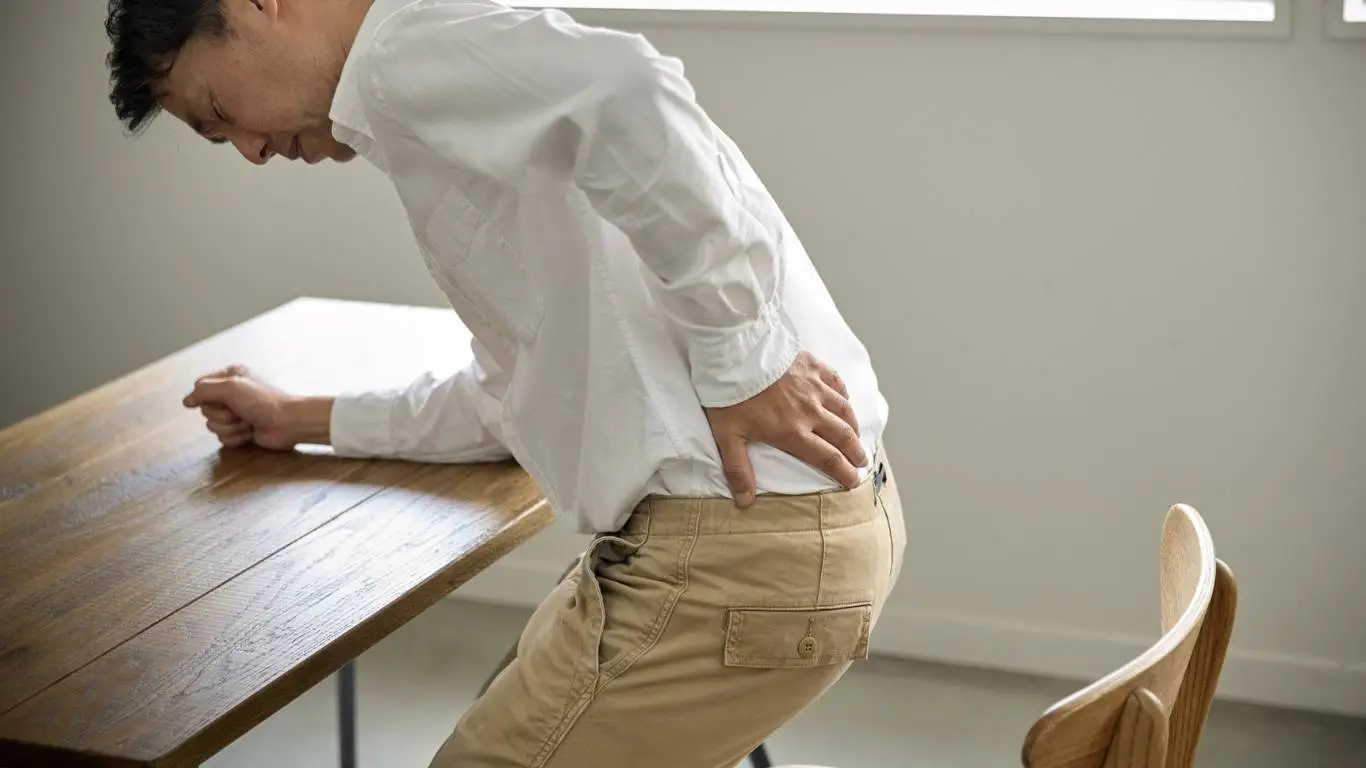
There are ways to enjoy the cardio burn of rope skipping without punishing your spine:
- Surface Matters: Aim for shock-absorbing gym mats or even grassy areas instead of hard tiles.
- Form is King: Keep jumps low, knees slightly bent, and land softly on the balls of your feet.
- Strengthen Supporting Muscles: Incorporate upper back exercises and core-focused Pilates routines to bolster spinal support.
- Listen to Your Body: Any persistent discomfort after skipping isn’t just soreness; it’s a sign to dial back intensity or reassess technique.
Hydration & Spinal Health Connection
Fun fact: spinal discs are about 70% water. Dehydration reduces their cushioning ability, making them less effective shock absorbers. Staying hydrated isn’t just about avoiding cramps—it’s literally fueling your spine’s resilience during high-impact workouts like jump rope.
Should You Skip the Rope if You Have Back Pain?

This is where the line gets a bit blurred. Jumping rope isn’t inherently “bad” for your back. But for individuals with pre-existing conditions or muscular imbalances, it can amplify underlying issues if not approached carefully. Articles like this guide on posture and chronic back pain dive deep into these nuances.
For those who want to understand the broader context of back pain triggers—including exercise-related factors—I’d recommend starting with the comprehensive overview on Back Pain Causes and always loop back to the foundational main back pain resource here on Healthusias.
Smart Modifications to Make Jump Rope Spine-Friendly

Look, I’m not about to tell you to hang up your jump rope for good. But you can absolutely tweak your routine to make it a spine-approved activity. Here’s what’s worked wonders for me and countless others:
- Alternate Jump Styles: Instead of constant double-leg hops, mix in scissor steps or side-to-side jumps. These distribute impact differently and prevent repetitive strain on the same spinal segments.
- Shorter Intervals, More Recovery: Trade those brutal 5-minute sets for multiple 30-second bursts with equal rest. This pacing gives your spine a breather.
- Use Weighted Ropes Sparingly: They’re great for upper body burn but ramp up the load on your spine. Reserve them for occasional use, not daily sessions.
One article that really changed my perspective on body mechanics during cardio is this breakdown of smart back pain prevention tips. Worth the read if you’re serious about longevity in your fitness game.
Strengthening the Spine’s Natural Shock Absorbers
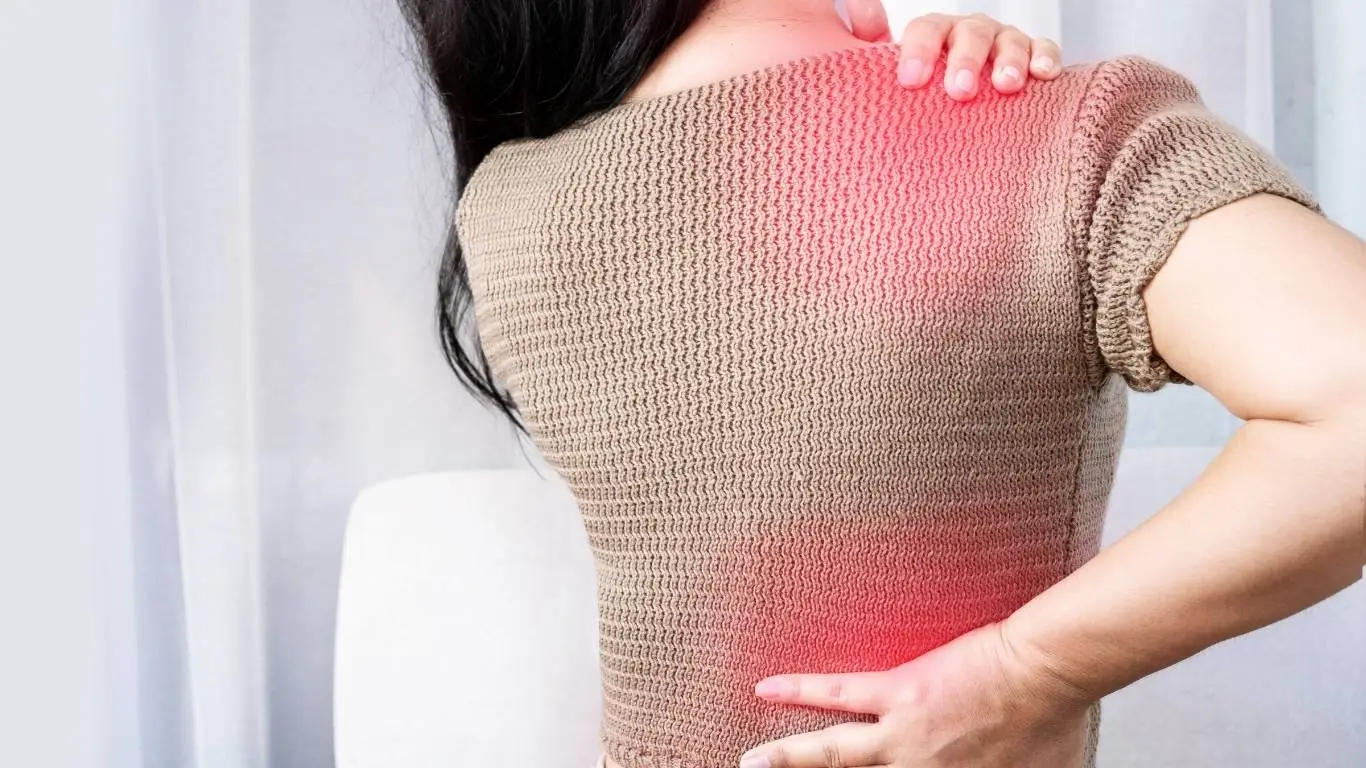
If you think stretching alone will save your back, hate to break it to you—it’s only half the battle. Building muscular armor around your spine is key.
Core & Glute Activation is Non-Negotiable
I’m talking planks, bird-dogs, and glute bridges. A strong core reduces spinal load during high-impact activities like jumping rope. I personally make sure to activate my glutes before every rope session—it’s a game-changer for reducing post-workout stiffness.
Here’s a killer resource on exercise and rehabilitation strategies for back health that dives into core mechanics and spinal stability exercises that aren’t boring.
Stretch the Right Muscles, Not Just Any Muscle
- Hip Flexors: Tight hip flexors yank on your pelvis, throwing off spinal alignment. A daily hip opener flow is essential.
- Hamstrings: Flexible hamstrings reduce compensatory lumbar rounding during jumps.
- Thoracic Spine Mobility: Loosening up that mid-back ensures shock forces don’t get bottlenecked in your lumbar discs.
When to Hit Pause: Warning Signs Your Spine Needs Rest

There’s a fine line between “good soreness” and red flags. Here’s when you need to put the rope down:
- Persistent Morning Stiffness: If your back feels locked up every morning, it’s not muscle soreness—it’s your discs crying for a break. (Check out this deep dive on morning back discomfort)
- Shooting Leg Pain: Sciatic symptoms post-skipping is a hard no-go.
- Localized Sharp Pains: Dull aches are normal, but sharp stabs around your lumbar spine are not.
In these cases, consider swapping jump rope sessions with low-impact alternatives like swimming or elliptical work until symptoms subside.
Pro-Level Hacks to Maximize Spinal Shock Absorption
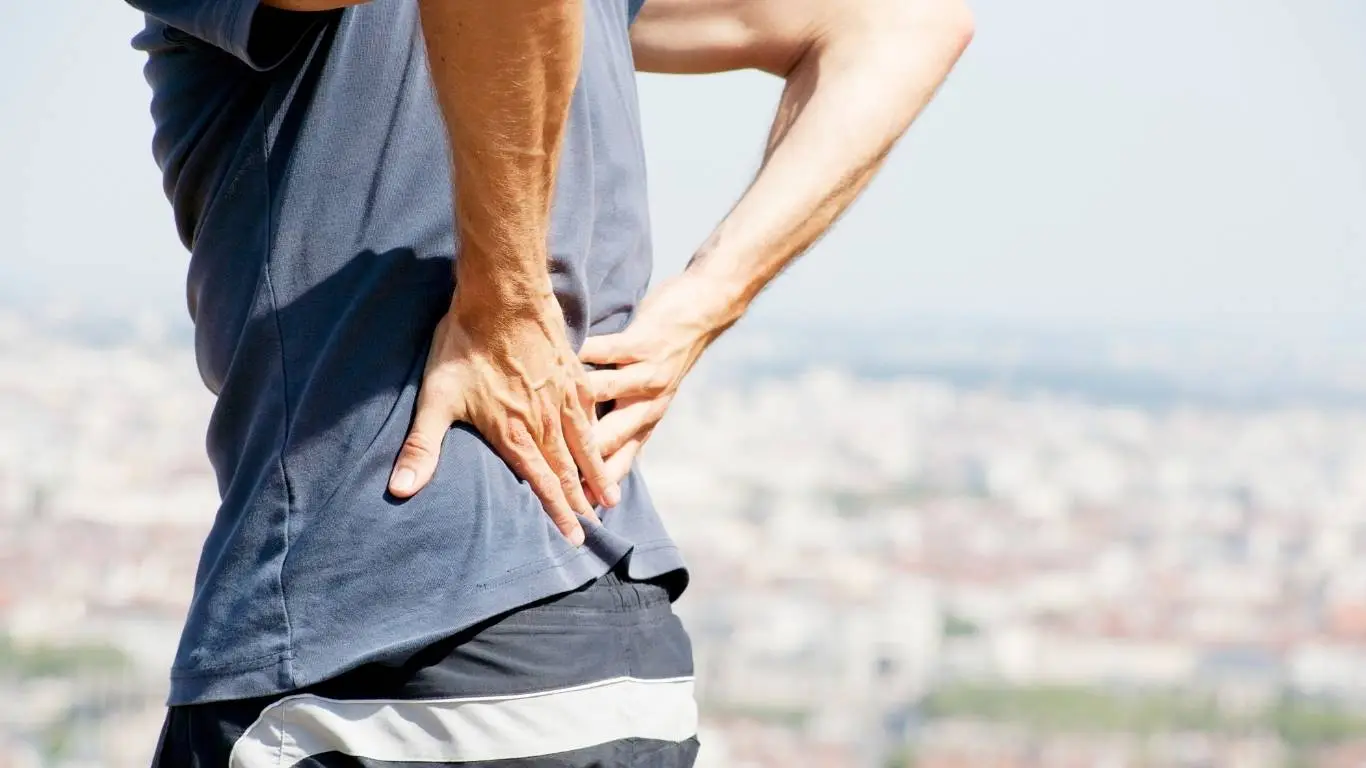
Over the years, I’ve picked up some next-level hacks from physical therapists and athletes alike that make a massive difference:
- Soft Landing Drills: Practice soft landings barefoot on a yoga mat to retrain your proprioception and reduce jarring.
- Compression Gear: Waist braces or compression belts can add extra spinal support, especially during high-volume sessions.
- Vibration Plates Post-Workout: I swear by a 5-minute vibration plate session to stimulate disc hydration and reduce post-impact stiffness.
Curious about the science behind wearable tech for posture and spinal support? Here’s a solid breakdown on back-focused wearable health technology that’s changing the game.
When to Consult a Specialist
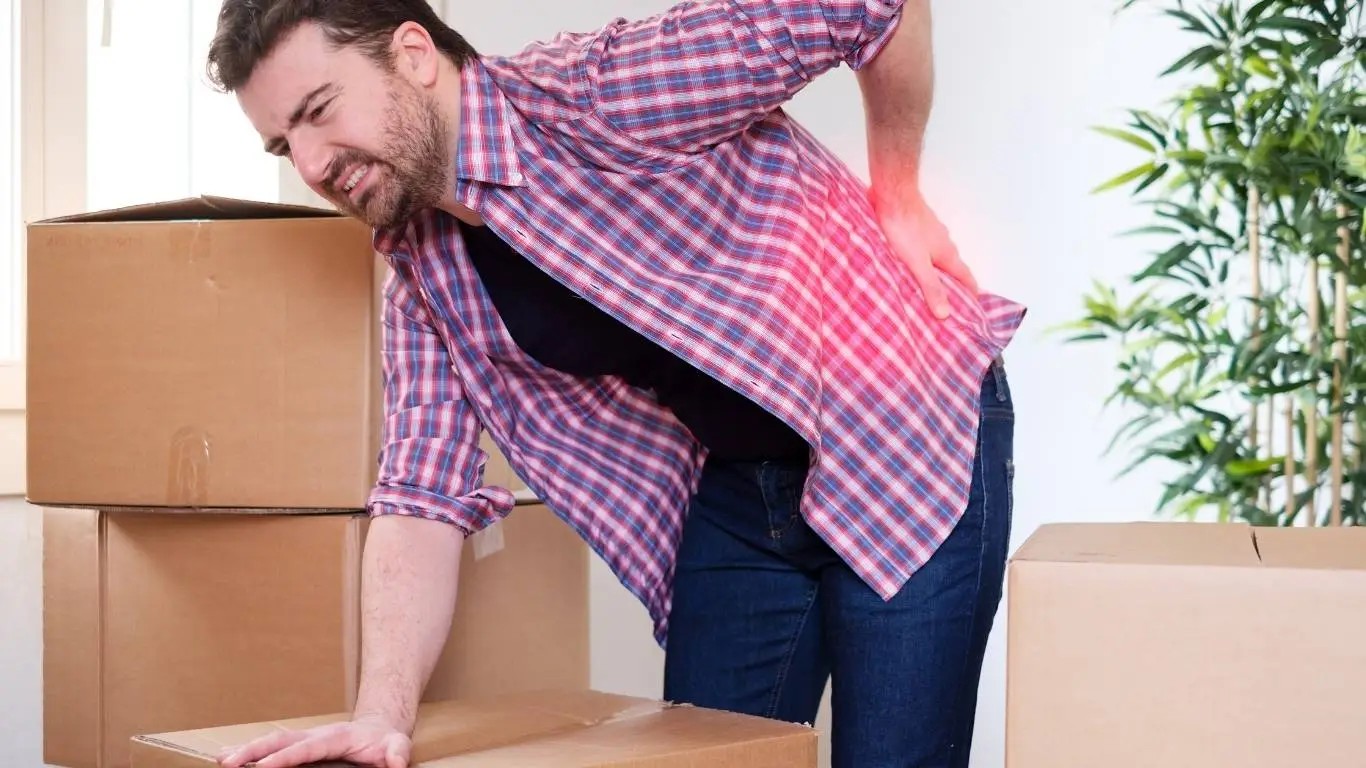
If you’re doing all the right things but still end up with back pain post-jump rope, it might be time to consult a pro. Spinal imaging (like an MRI) can reveal underlying issues that basic mobility drills won’t fix. Articles like this guide on MRIs for back evaluation really outline why proactive diagnostics matter.
And don’t underestimate the value of getting a movement assessment from a qualified physio who understands sports mechanics. Many issues are simply poor movement patterns that need fine-tuning, not invasive treatments.
Balancing Fitness Gains with Spinal Longevity

At the end of the day, jumping rope is an incredible fitness tool. But like any high-impact activity, it demands respect for spinal health. Whether you’re an athlete chasing performance or someone just trying to stay in shape, being mindful of your spine’s shock absorption limits is non-negotiable.
If you’re looking for a comprehensive understanding of spinal anatomy and how different activities affect its function, check out this deep-dive guide on back pain types and anatomy. It’s the foundational knowledge most gym-goers skip but desperately need.
And for a holistic resource that ties it all together, from prevention to treatment strategies, I always recommend starting with Healthusias’ main Back Pain Pillar page. Bookmark it. You’ll thank me later.

Camellia Wulansari is a dedicated Medical Assistant at a local clinic and a passionate health writer at Healthusias.com. With years of hands-on experience in patient care and a deep interest in preventive medicine, she bridges the gap between clinical knowledge and accessible health information. Camellia specializes in writing about digestive health, chronic conditions like GERD and hypertension, respiratory issues, and autoimmune diseases, aiming to empower readers with practical, easy-to-understand insights. When she’s not assisting patients or writing, you’ll find her enjoying quiet mornings with coffee and a medical journal in hand—or jamming to her favorite metal band, Lamb of God.