Why Floaters Get Worse in Warm Yellow Room Lighting and How to Fix It
Ever noticed those pesky little specs or transparent strands floating around your vision when you’re relaxing in a cozy, warmly-lit room? You know, the ones that become annoyingly obvious against soft yellow walls or when the afternoon sunlight bathes the room in a golden glow. I’ve been there. I remember sitting in my reading nook, thinking the room was dusty, only to realize—nope—it was my eyes playing tricks on me. Welcome to the curious world of floaters seen in warm yellow room lighting.
Why Do Floaters Become More Noticeable in Warm Yellow Room Lighting?
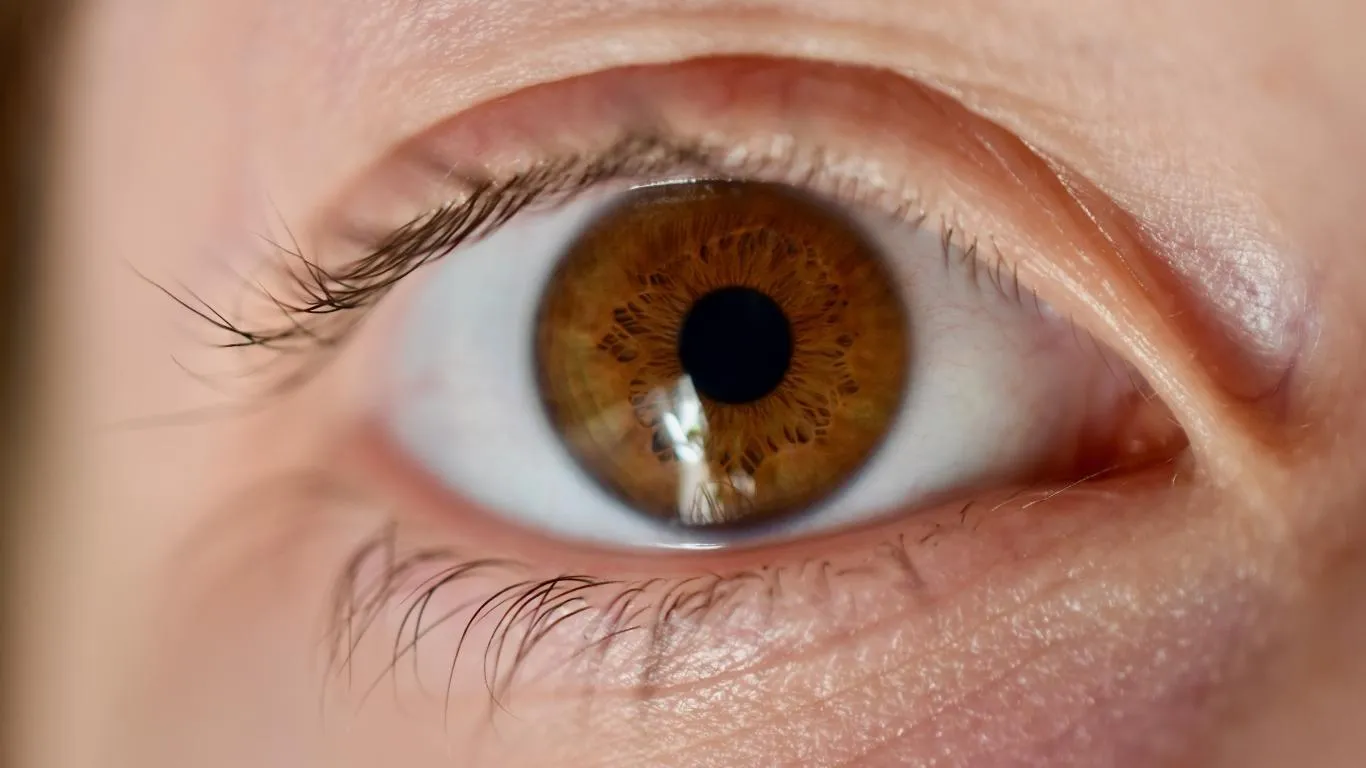
The first time you spot floaters in such settings, it feels unsettling. Warm lighting, while soothing, creates a perfect backdrop for floaters to stand out. Unlike harsh white light that scatters, warm yellow light is softer, making those floating specks more defined as they drift across your vision.
It’s not the lighting causing floaters; rather, it’s how your eye perceives them. Floaters are tiny clumps of collagen inside the vitreous humor of your eye. When light enters, especially from soft, singular-toned sources like a warm lamp or sunset glow, these floaters cast subtle shadows on the retina, making them more prominent.
Personal Experience: My Floaters Vs. My Favorite Lamp
I have this vintage lamp with a warm amber shade. Every evening, without fail, floaters become a part of my nightly routine. They’re not there when I’m staring at my laptop or under bright white LED kitchen lights. But the moment I sit under that lamp, bam, they’re dancing around like they own the place. Sound familiar?
How Lighting Temperature Affects Floater Visibility
- Warm Light (2700K – 3000K): Enhances floater visibility due to low contrast and less light scatter.
- Neutral Light (3500K – 4000K): Floaters become less noticeable as the balanced spectrum reduces sharp floater shadows.
- Cool White (5000K+): Scatter light more aggressively, often masking floaters entirely unless against a white wall or bright screen.
It’s fascinating how a room’s ambiance can shift your visual experience. According to the National Eye Institute, floater perception varies greatly depending on the angle and type of light source.
Is It a Sign of Something Serious?
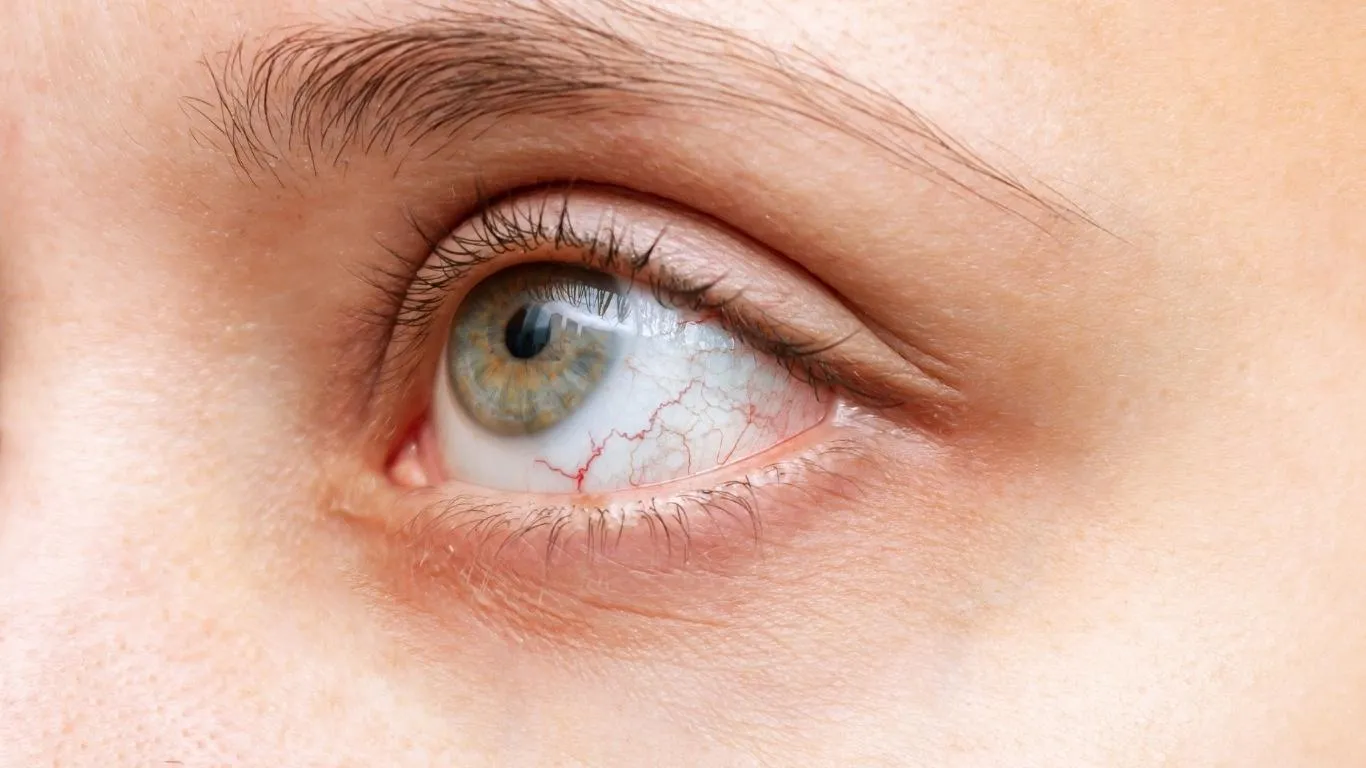
Let’s be clear, if you’ve had floaters for years, they’re usually benign. But, if you notice a sudden burst of floaters—especially if paired with flashes of light or a curtain-like shadow—you need to see an ophthalmologist immediately. Those could be signs of retinal detachment, not just a lighting quirk.
However, for most people like me, it’s a case of “they’re there, and they like to party when the lighting is right.” But it’s still important to understand the nuances of when floaters can indicate a bigger issue, as discussed in this detailed guide on warning signs you shouldn’t ignore.
Everyday Habits That Make Floaters Stand Out in Warm Lighting
- Low Ceiling Lamps: Lights closer to eye level reflect differently, creating a contrast canvas that highlights floaters.
- Matte Yellow Walls: Smooth, uniform-colored walls enhance visibility, as there’s nothing busy in the background to distract your eyes.
- Dimmed Light Settings: While cozy, lower light intensities narrow your pupils, which in turn makes floaters appear sharper.
I’ve also noticed after long reading sessions under warm lighting, floaters become even more bothersome. Probably because of prolonged focus making my eyes more sensitive to internal shadows. This is discussed in a deeper context on how long reading sessions can trigger floaters.
Simple Adjustments to Make Floaters Less Noticeable
- Layer Your Lighting: Instead of relying on a single lamp, use multiple light sources to reduce sharp contrasts.
- Increase Ambient Light: Let in natural daylight where possible. Floaters are less prominent when the entire room is evenly lit.
- Try Different Light Temperatures: Mixing a warm lamp with a neutral overhead light can balance out the shadow effect.
Still, the moment the sun sets and you’re under that warm yellow lamp, the floaters will remind you of their existence. Trust me, switching to layered lighting worked wonders in my workspace but the reading nook? The floaters still claim victory.
If you’re curious about other ways to manage these tiny annoyances, the article on natural ways to handle floaters explores which methods are helpful and which are just myths.
When Should You Be Concerned About Floaters?
Although floaters seen in warm yellow room lighting are usually harmless, persistent changes shouldn’t be ignored. Conditions like posterior vitreous detachment are common as we age, but there’s always a fine line between benign floaters and warning signs of retinal problems.
For a comprehensive overview of floaters, including causes, symptoms, and treatment options, you can refer to the main pillar article on eye floaters.
Understanding the Science Behind Floaters in Warm Yellow Lighting
Let’s get a bit geeky for a moment. You might be wondering why floaters seem to love warm, ambient light so much. The reason lies in how light wavelengths interact with the vitreous humor inside your eye. Warm yellow light falls into a spectrum that creates softer, less diffused illumination, which ironically makes internal eye debris like floaters stand out more sharply against flat-colored backgrounds.
According to American Academy of Ophthalmology, the shadow effect of floaters becomes prominent when the vitreous gel slightly contracts or shifts, which happens more during relaxed states — think lounging in your favorite armchair under a dim lamp.
Why You See More Floaters When You’re Relaxed
I’ve always noticed my floaters are way more active when I’m winding down. There’s a physiological reason for this. During relaxation, your pupils dilate slightly to accommodate low light, and as they open wider, more light—and thus floater shadows—enters your eye. Combine this with the stillness of the environment, and suddenly, you’re hyper-aware of every little floater drifting lazily across your vision.
Common Misconceptions About Floaters and Room Lighting
- “It’s my lightbulbs causing the floaters.” — False. Floaters originate within your eye, not outside it. The lighting only makes them easier or harder to see.
- “Changing wall colors will eliminate floaters.” — Sadly, repainting the living room won’t get rid of them. Though, busier wall textures can make them less noticeable.
- “Warm lights are bad for eye health.” — Warm lights are actually easier on your eyes in terms of strain. They simply happen to showcase floaters more vividly.
One of the more insightful reads on debunking floater myths can be found here, and it really clears up a lot of misunderstandings that float around (pun intended).
Best Lighting Practices to Minimize Floater Distractions
While you can’t eliminate floaters without medical intervention, you can certainly manage how much they bug you. Here’s what’s worked for me over time:
- Diffuse the Light: Use lampshades that scatter light evenly instead of directing it straight at eye level.
- Balance Color Temperature: Mix warm lights with neutral white to create a layered ambiance that reduces stark floater shadows.
- Position Light Sources Smartly: Avoid placing lamps directly behind your line of sight when reading or working. Side lighting works wonders.
There’s an excellent breakdown of how lighting ergonomics impacts floater visibility in this eye ergonomics guide. Trust me, a few simple tweaks can make a huge difference.
When Lighting Changes Reveal Underlying Eye Conditions
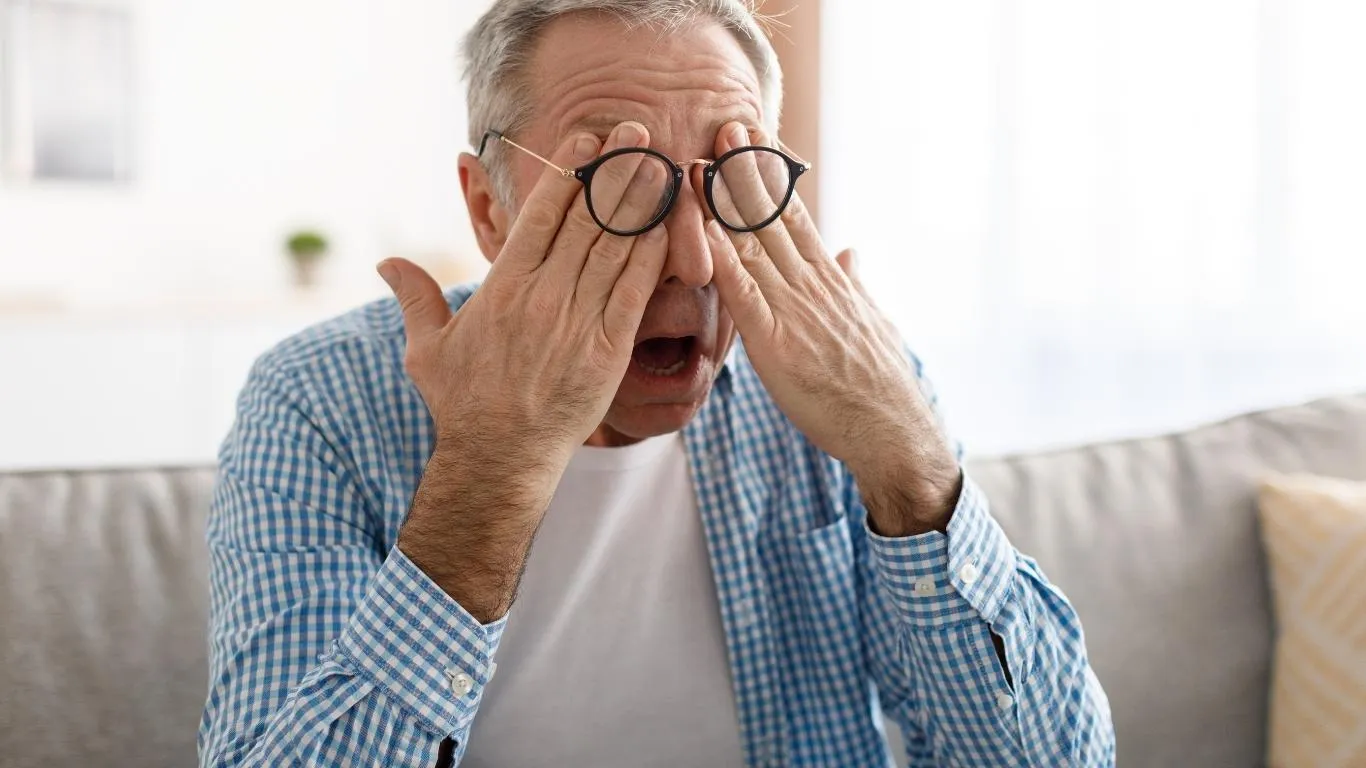
While floaters in warm yellow lighting are usually harmless, it’s essential to stay vigilant. Lighting changes can sometimes expose issues that were quietly developing. For instance, if you start seeing flashes alongside floaters in certain lighting, it could signal vitreous pulling on the retina—a condition discussed in detail in this warning signs article.
Additionally, for those who’ve undergone eye surgeries, like LASIK or cataract removal, new floaters appearing in specific lighting conditions can be linked to post-surgical changes. Here’s a thorough post-surgery floater guide that helped me understand the link.
Natural Coping Techniques for Light-Triggered Floaters
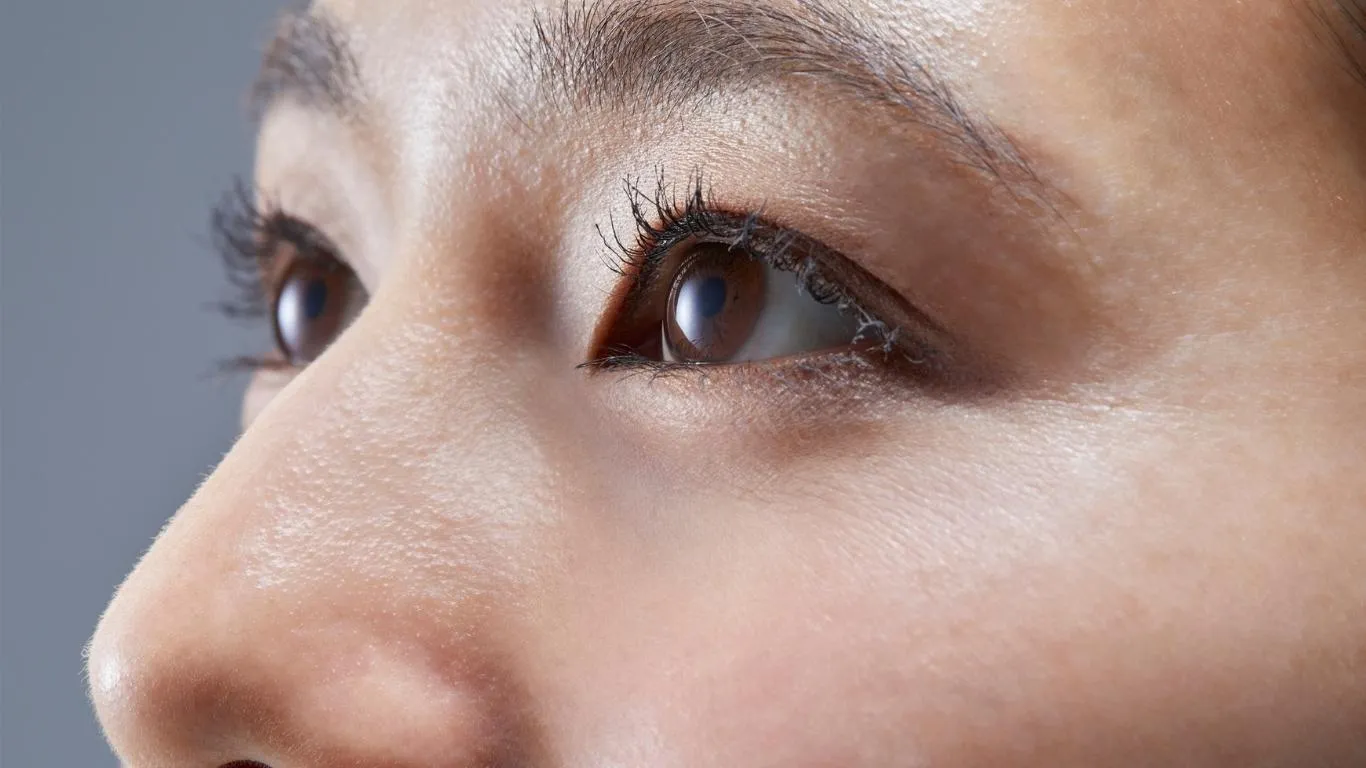
Not everything requires medical intervention. Over the years, I’ve found some natural coping methods that ease the frustration:
- Eye Movement Exercises: Simple side-to-side and up-down eye movements help floaters settle at the bottom of the vitreous, out of the central vision field.
- Mindfulness Practices: Floaters become more noticeable when you’re hyper-focused on them. Techniques like candle meditation help redirect attention.
- Environmental Adjustments: Sometimes, just shifting your position or altering your gaze angle away from the direct light path can minimize floater visibility.
More natural methods are discussed in the article on eye exercises for floaters, which I’ve personally found incredibly useful on sluggish floater days.
How to Track Changes in Floater Patterns Over Time
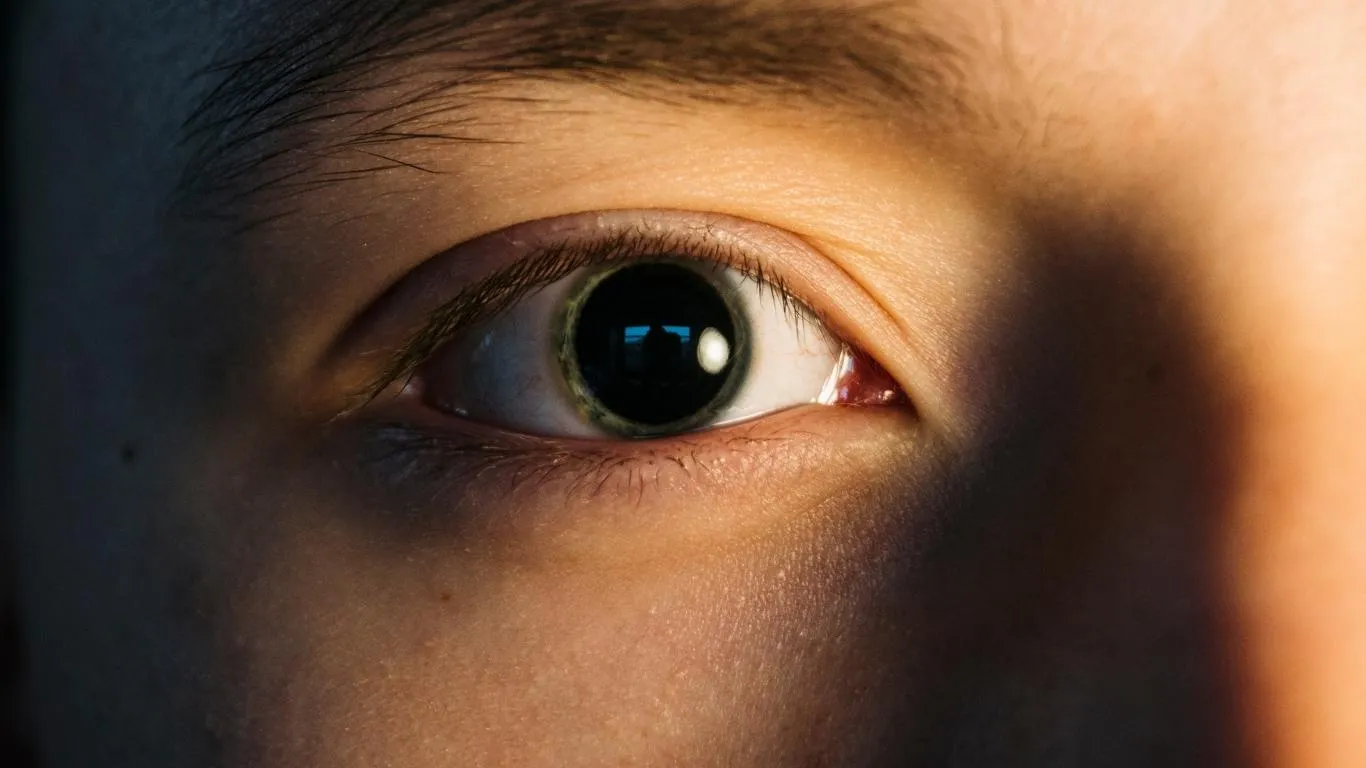
One of the most helpful practices I adopted was journaling floater behavior. It sounds tedious, but noting when, where, and how they appear (especially under certain lighting conditions) helped me predict and manage flare-ups. For example, I’ve learned that after a dehydrating day or extended screen time, floaters are far more aggressive under my living room’s warm light setup.
Keeping a simple log also provides your eye doctor with valuable insights. There’s a practical guide on tracking floater changes that makes it less of a chore and more of a habit.
For a complete understanding of floaters, from causes to advanced treatments, the comprehensive resource on eye floater treatments is a must-read.

Camellia Wulansari is a dedicated Medical Assistant at a local clinic and a passionate health writer at Healthusias.com. With years of hands-on experience in patient care and a deep interest in preventive medicine, she bridges the gap between clinical knowledge and accessible health information. Camellia specializes in writing about digestive health, chronic conditions like GERD and hypertension, respiratory issues, and autoimmune diseases, aiming to empower readers with practical, easy-to-understand insights. When she’s not assisting patients or writing, you’ll find her enjoying quiet mornings with coffee and a medical journal in hand—or jamming to her favorite metal band, Lamb of God.