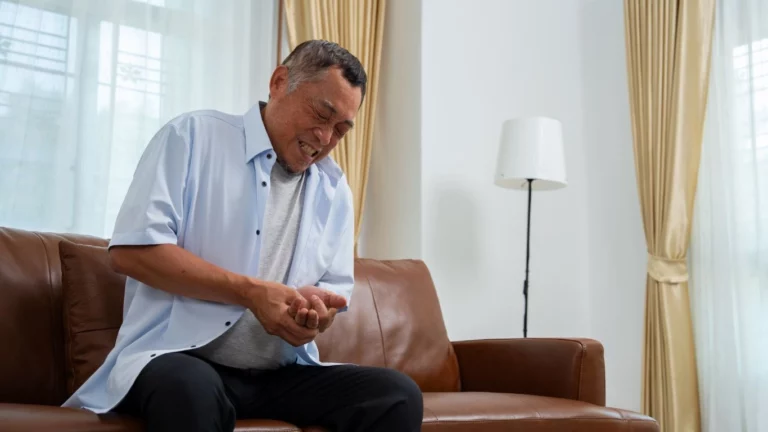
Transform Herniated Disc Recovery With These Chair Yoga Moves
If you’ve ever dealt with a herniated disc, you know how even the simplest movements can feel like an impossible mission. I’ve been there — slouching on the couch for days, afraid that standing up would send that sharp nerve pain shooting down my leg. But here’s the thing: movement is exactly what your back craves. And not just any movement. Enter: Chair Yoga. It’s gentle, it’s controlled, and it’s been a total game-changer for my recovery journey.
The Science Behind Chair Yoga for Herniated Disc Recovery

When a disc herniates, it pushes out of its normal space and often irritates nearby nerves, leading to pain, numbness, or weakness. Traditional yoga might be a bit too aggressive in the acute phase, but Chair Yoga provides a safe alternative. You get all the benefits of stretching and strengthening, minus the risky floor poses.
Studies have shown that gentle, low-impact exercises like Chair Yoga improve spinal mobility and enhance core stability, which is crucial for supporting the spine as it heals. According to NCBI, targeted mobility routines can significantly reduce lumbar disc-related symptoms over time.
Why Chair Yoga Became My Go-To Recovery Tool

I tried physical therapy, pain medications, and even considered surgery. But none of those options felt right for long-term maintenance. Chair Yoga, on the other hand, gave me control over my healing. Here’s why it works so well:
- Supportive Environment: The chair acts as a stabilizer, helping you maintain balance without stressing your spine.
- Gentle Progression: You start with micro-movements and gradually increase the range as your back strengthens.
- Accessibility: Whether you’re at home or in the office, all you need is a sturdy chair to get started.
Chair Yoga isn’t just a feel-good activity; it’s a structured method that encourages active healing while respecting your body’s limitations. One of my favorite moves was a simple seated cat-cow stretch. The rhythm of arching and rounding my back helped unlock stiffness without any painful bending or twisting.
Key Chair Yoga Poses That Helped Me Heal

1. Seated Cat-Cow Stretch
This pose gently mobilizes the spine and improves posture. Sit upright, feet flat, hands on your thighs. Inhale, arch your back slightly, lifting your chest. Exhale, round your back, tucking your chin towards your chest. Repeat for 10 cycles.
2. Chair Seated Forward Bend
For gentle hamstring and lower back release. Sit tall, hinge from the hips, and slowly reach your hands towards the floor. Only go as far as comfortable. This stretch is amazing for decompressing the lower spine after long hours of sitting.
3. Seated Spinal Twist
This was my “reset button” after sitting too long. While seated, gently twist to one side, placing your hand on the chair’s backrest for support. Hold for a few breaths and switch sides. Twists can help relieve built-up tension but always keep it within a pain-free range.
For a comprehensive approach to back pain exercise rehabilitation, incorporating these simple chair routines can drastically improve daily comfort without aggravating your herniated disc.
Common Mistakes to Avoid During Chair Yoga (Trust Me, I’ve Made Them)

- Pushing Through Pain: One time, I thought more reps would speed up my recovery — bad idea. Always back off if you feel sharp or radiating pain.
- Slouching: Maintaining a neutral spine is essential. Slumping in the chair defeats the purpose and could worsen your disc bulge.
- Choosing the Wrong Chair: Soft, cushioned chairs don’t provide the stability you need. Opt for a firm, non-rolling chair with no armrests.
One resource that really opened my eyes to subtle mistakes was an article on how poor posture contributes to chronic back pain. Small changes in alignment can make a world of difference.
Creating a Safe Home Practice Space

Your environment plays a huge role in staying consistent with Chair Yoga. I cleared a quiet corner in my living room, free from distractions and clutter. A few essentials I recommend for your home practice:
- A Firm, Armless Chair: Stability is everything. I found dining chairs work best.
- Yoga Strap: Useful for hamstring stretches and seated leg raises without straining.
- Soft Lighting & Calm Music: Helps shift you into a more mindful, relaxed state.
Setting this space encouraged me to treat Chair Yoga as a non-negotiable self-care ritual, similar to brushing my teeth. Consistency truly is the secret sauce to recovery.
If you’re looking for a broader understanding of common back pain causes and how lifestyle adjustments can accelerate healing, it’s worth diving deeper into these foundational resources.
Also, don’t miss the comprehensive guide on back pain fundamentals which covers everything from anatomy to advanced treatment strategies.
Progressing Your Chair Yoga Routine for Long-Term Disc Health

As your body gets stronger and pain levels stabilize, it’s important not to get complacent. Chair Yoga isn’t just a recovery tool — it’s a long-term maintenance strategy. I learned this the hard way when I “graduated” myself out of my routine too soon and ended up with a flare-up. Progressing smartly is key.
The goal isn’t to ditch the chair but to evolve how you use it. Adding light resistance (like loop bands) or incorporating mindful balance challenges can keep your spine engaged while still respecting its limits.
1. Seated Leg Extensions with Resistance Bands
This strengthens the quadriceps and core, providing better lumbar support. Loop a band around your ankles, sit upright, and slowly extend one leg forward. Keep movements controlled and alternate sides.
2. Arm Raises with Light Dumbbells
Shoulder stability often gets overlooked, yet it plays a crucial role in overall posture. From a seated position, raise light dumbbells to shoulder height and lower slowly. This helps counteract the rounded shoulder posture common with back injuries.
For a deeper dive into why balanced muscle engagement is critical in back pain recovery, check out this detailed guide on muscle imbalances and their role in chronic pain.
The Role of Breathwork and Mind-Body Awareness in Healing

I used to underestimate the power of mindful breathing, but once I incorporated breathwork into my Chair Yoga practice, my recovery truly accelerated. Focused diaphragmatic breathing enhances core engagement, reduces tension, and allows your body to move more fluidly.
Here’s a simple technique I swear by:
- Sit tall in your chair with feet flat on the ground.
- Place one hand on your belly, the other on your chest.
- Inhale slowly through your nose, feeling your belly expand while keeping your chest still.
- Exhale through pursed lips, gently drawing your belly button toward your spine.
Practicing this for just 5 minutes daily can retrain your body to stabilize from the inside out. The link between mindful breath and pain perception is well-documented by resources like Cleveland Clinic.
When Chair Yoga Isn’t Enough: Knowing When to Seek Professional Help

Chair Yoga is a powerful tool, but it’s not a one-size-fits-all solution. There was a point when my progress plateaued, and persistent numbness signaled it was time for professional intervention. Here’s when you should consider seeing a specialist:
- Persistent leg weakness or foot drop.
- Loss of bladder or bowel control (emergency).
- Severe pain that doesn’t improve with rest and gentle movement.
Advanced diagnostics like MRI evaluations for back pain can provide clearer insights into the severity of your disc condition. It’s always better to get a second opinion than to guess and risk worsening your injury.
Incorporating Lifestyle Tweaks for Better Outcomes

Recovery isn’t just about what happens on the mat — it’s a holistic process. I noticed dramatic improvements when I made small lifestyle changes alongside my Chair Yoga sessions:
- Ergonomic Workstations: Investing in a standing desk reduced my sitting hours and eased lower back stress.
- Mindful Sitting: Even on the couch, I became aware of lumbar support and pelvic tilt.
- Movement Breaks: Setting a timer to stretch or walk every 30 minutes made a huge difference.
These daily adjustments were inspired by actionable advice I found in back pain prevention strategies designed to simplify daily life for chronic pain sufferers.
Chair Yoga vs. Traditional Yoga: Which One’s Right for You?

Many people ask me if they should switch to a regular yoga practice once their back starts feeling better. The answer? It depends. Traditional yoga can offer deeper stretches and more dynamic poses, but Chair Yoga remains a safer, more controlled option — especially for those in the recovery or maintenance phase.
If you’re unsure about making the transition, consult with a spine-specialized physical therapist. You may also find hybrid routines (standing poses with chair support) that give you the best of both worlds.
For an in-depth look at conservative treatments for back pain, this resource breaks down non-invasive options that can complement your Chair Yoga practice beautifully.
Final Thoughts: My Recovery, Your New Beginning

Recovering from a herniated disc isn’t a straight path — it’s a winding road with ups and downs. Chair Yoga became my anchor, a daily reminder that healing doesn’t have to be aggressive or painful. It’s about consistency, patience, and listening to your body’s cues.
Whether you’re just starting your recovery or looking for sustainable ways to maintain spinal health, Chair Yoga offers a flexible, accessible path. And if you’re eager to explore the broader picture of how back pain affects special populations and tailored recovery strategies, don’t miss this comprehensive guide on special back pain cases.
To explore a foundational resource covering all aspects of back pain, from diagnosis to rehabilitation, head over to the main back pain pillar article that dives deep into every essential topic.

Camellia Wulansari is a dedicated Medical Assistant at a local clinic and a passionate health writer at Healthusias.com. With years of hands-on experience in patient care and a deep interest in preventive medicine, she bridges the gap between clinical knowledge and accessible health information. Camellia specializes in writing about digestive health, chronic conditions like GERD and hypertension, respiratory issues, and autoimmune diseases, aiming to empower readers with practical, easy-to-understand insights. When she’s not assisting patients or writing, you’ll find her enjoying quiet mornings with coffee and a medical journal in hand—or jamming to her favorite metal band, Lamb of God.