How Anxiety Affects Parenting Style And Quietly Shapes Your Family
Parenting is a wild ride, isn’t it? Some days you’re nailing it, and other days, well… let’s just say anxiety has a funny way of sneaking in and stirring up chaos. As a parent who has wrestled with anxiety, I can tell you—it quietly shapes how you interact with your kids, even if you don’t realize it at first. The way anxiety affects parenting style isn’t always dramatic. Sometimes, it’s subtle. Other times, it’s like a megaphone blaring in the back of your mind, influencing every word you say.
How Anxiety Silently Shapes Your Parenting Decisions
One thing I’ve learned is that anxiety often masquerades as “being a caring parent.” You overthink every decision, worry about worst-case scenarios, and obsess over whether you’re doing enough. But here’s the kicker — these anxious patterns subtly influence your parenting style, sometimes in ways you don’t even notice.
Overprotection in the Name of Love
It starts with wanting to protect your child from every possible harm. You might limit their independence because the “what-ifs” are too overwhelming. It’s not just about safety; it’s about control. The more you control, the safer you feel — or so it seems. But this overprotection can quietly suffocate your child’s ability to build resilience.
- Not letting them walk to school alone — even if they’re ready.
- Constantly checking in on their social interactions.
- Micromanaging homework out of fear they’ll fail.
According to research on parenting with anxiety, this style often results in children who struggle with independence and self-confidence.
Decision Paralysis — The Anxiety Trap
Ever found yourself stuck on something as trivial as choosing between two types of baby formula? Yeah, me too. Anxiety can turn small decisions into monumental stress-fests. You start doubting your instincts and rely on endless Google searches for validation.
- Worrying if you’ve picked the “right” preschool.
- Agonizing over the perfect bedtime routine.
- Second-guessing every parenting choice, big or small.
This decision paralysis doesn’t just drain your energy — it can create tension at home. Kids are surprisingly perceptive. They can sense when you’re overwhelmed, which can make them anxious too. That’s the ripple effect anxiety can have on family dynamics.
The Emotional Availability Struggle

One of the hardest things about parenting with anxiety is being emotionally present. When your mind is racing with intrusive thoughts, it’s tough to focus on your child’s needs in the moment. I’ve caught myself zoning out during playtime, not because I don’t care, but because my brain is busy replaying a mistake I made three days ago.
The Guilt Loop: A Vicious Cycle
The worst part? The guilt that follows. You beat yourself up for not being “present enough,” which only fuels more anxiety. It becomes a self-perpetuating loop:
- Anxiety distracts you from parenting.
- You feel guilty for being distracted.
- Guilt increases your anxiety.
This emotional tug-of-war can affect how your children perceive emotional intimacy. If you’re not careful, it can make them feel like they need to “compete” for your attention, which is heartbreaking to realize.
Articles like this on anxiety’s impact on performance mirror how anxiety isn’t selective — it affects personal and professional life alike. Parenting is no exception.
Setting Unrealistic Expectations on Yourself (and Them)
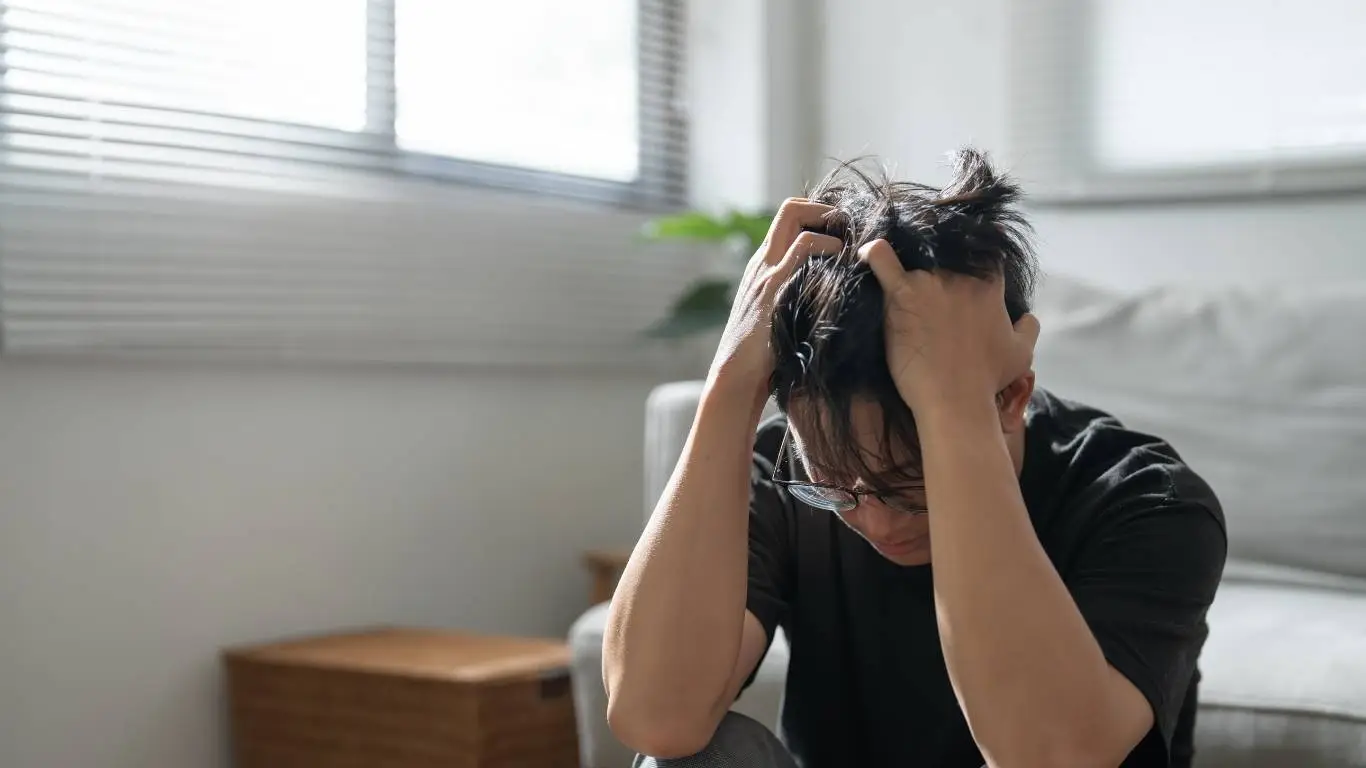
Anxiety has this sneaky habit of convincing you that you need to be the “perfect” parent. You set impossible standards for yourself, and unintentionally, you project those standards onto your kids. I remember expecting my son to always behave impeccably in public because I was terrified of being judged as a bad parent. Unrealistic? Absolutely. But anxiety doesn’t care about logic.
The Hidden Pressure Kids Feel
When you’re constantly striving for perfection, your kids pick up on that pressure. They may start feeling like their best is never good enough. Over time, this can erode their self-esteem. According to studies on perfectionism and anxiety, this parenting style can increase the likelihood of anxiety disorders in children.
Parenting Style Triggers: How Anxiety Amplifies Reactions
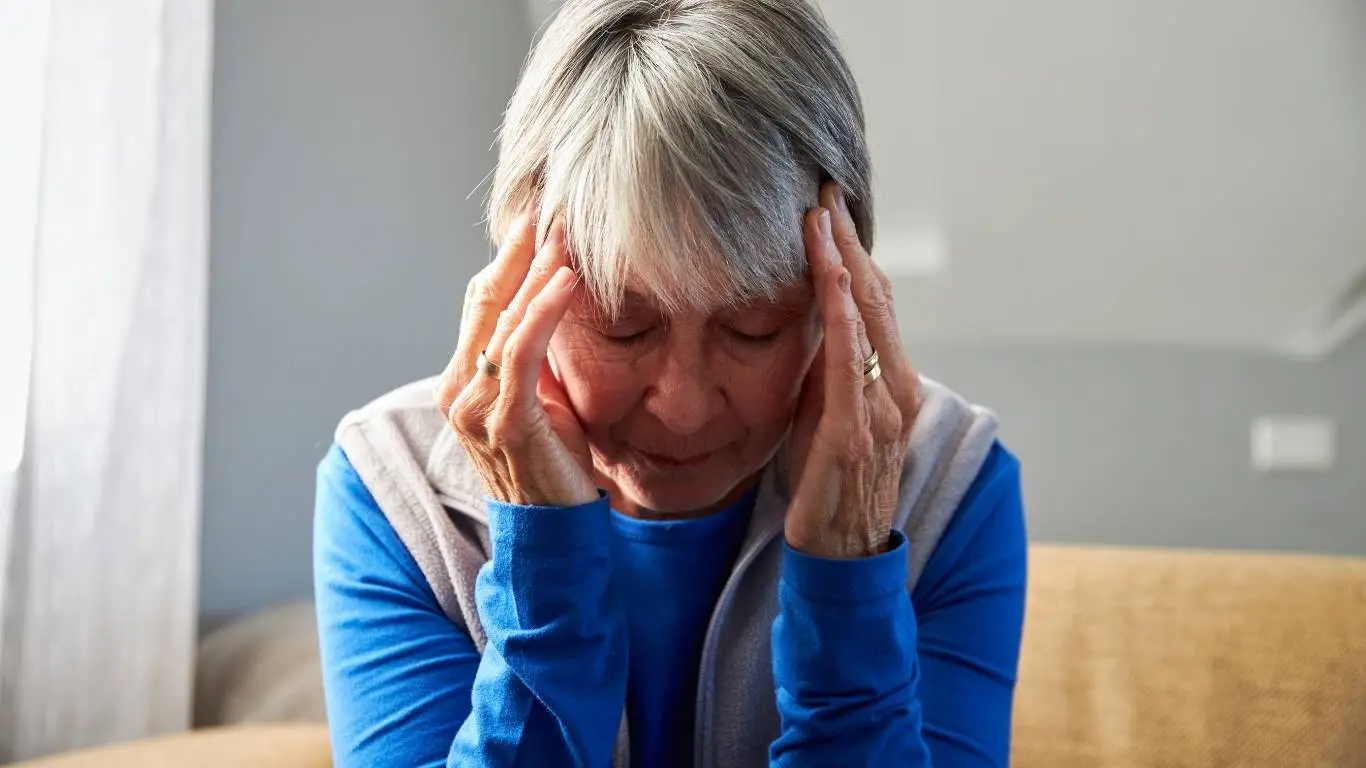
Small things that wouldn’t bother a calm parent can feel like a five-alarm fire when you’re anxious. A messy bedroom? Instant stress trigger. A bad grade? Catastrophic meltdown. I’ve had moments where my reaction was way out of proportion, only to realize later it was my anxiety speaking, not me.
Reactivity vs. Responsiveness
There’s a crucial difference between reacting and responding. Anxiety often pushes parents into reaction mode — quick, emotional outbursts aimed at alleviating immediate discomfort. But responsive parenting, which is more mindful and measured, gets drowned out by anxious urgency.
- Reacting to spills with anger instead of teaching responsibility.
- Over-disciplining minor misbehaviors due to personal stress.
- Fixating on control rather than fostering learning moments.
It’s a pattern that sneaks up on you, but recognizing it is half the battle. For more insight, the impact of anxiety on daily routines article really breaks down how this dynamic plays out in everyday life.
Breaking Free from Anxiety-Driven Parenting Patterns
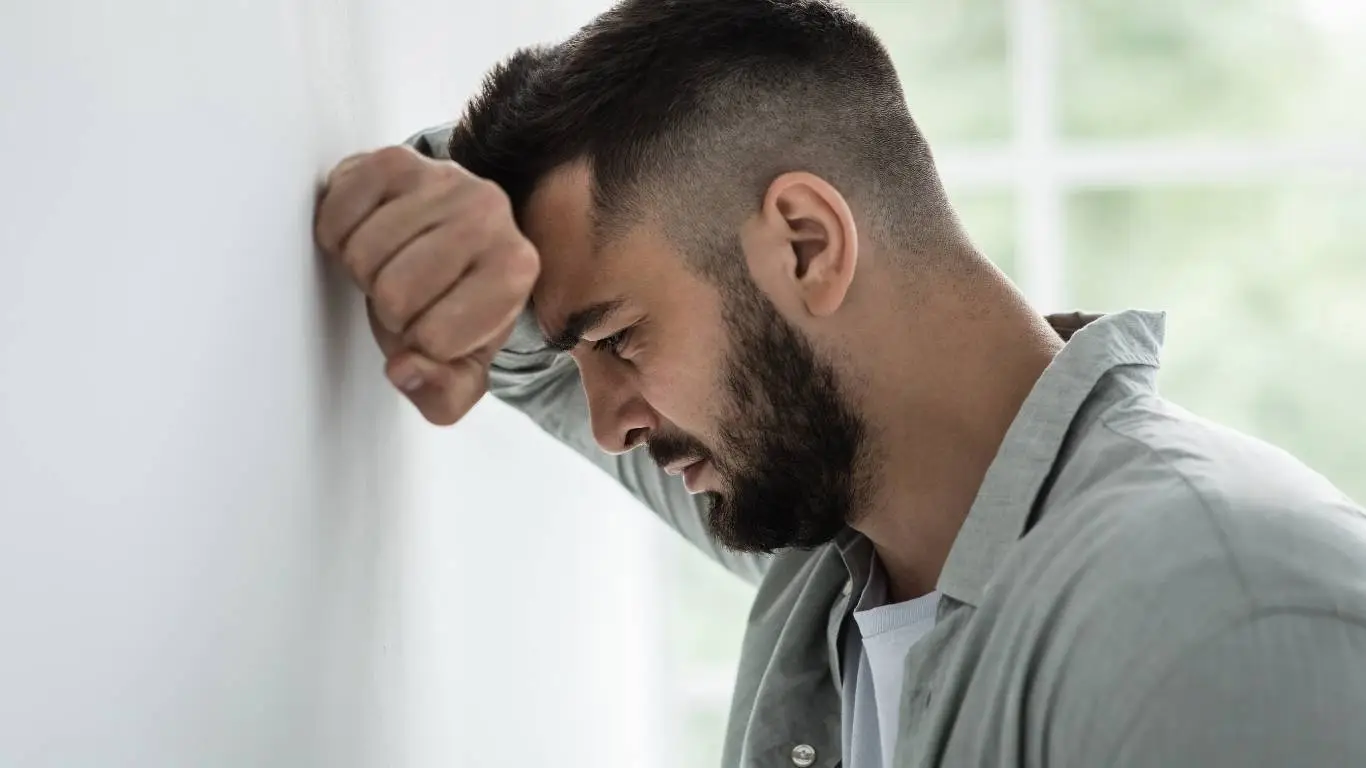
Here’s the good news — awareness is the first step toward change. Understanding how anxiety affects your parenting style gives you the power to interrupt those automatic patterns. Therapy, mindfulness practices, and even small daily habits like journaling (I swear by it!) can help shift you from reactive to responsive parenting.
Curious about deeper solutions? The article on psychotherapy and counseling for anxiety disorders dives into methods that have worked for countless parents like me. And if you want a broader perspective, this main guide on how anxiety secretly controls daily life is a must-read for connecting the dots.
The Ripple Effect: How Anxious Parenting Impacts Child Development
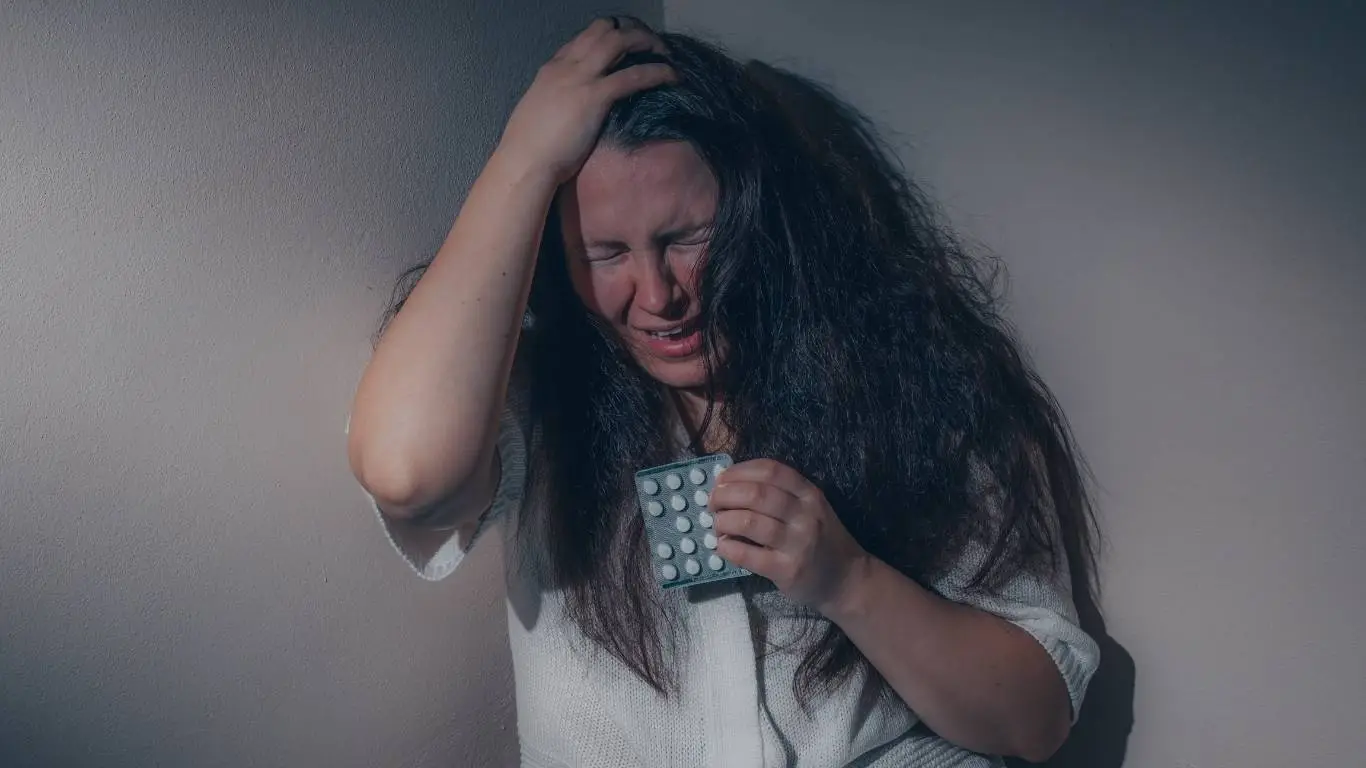
Let’s get real—kids are emotional sponges. They absorb the vibes we radiate, whether we intend to or not. When you’re parenting with anxiety, those subtle cues of worry, fear, and tension don’t go unnoticed. Over time, this can quietly shape how your child views the world.
I remember noticing my daughter biting her nails excessively at just six years old. Initially, I thought it was a phase. But then it hit me—she had been mirroring my own anxious habits. This is what experts call modeling behavior, where children unconsciously adopt coping mechanisms they see in their parents.
Increased Risk of Childhood Anxiety Disorders
Numerous studies suggest that children of anxious parents are statistically more prone to developing anxiety themselves. It’s not just genetic; it’s environmental too. Everyday interactions, tone of voice, and even non-verbal signals can contribute to a child’s emotional blueprint.
- Children may develop social anxiety due to constant parental worry about public behavior.
- Perfectionistic tendencies often stem from a parent’s fear of failure.
- Hypervigilance becomes their “normal” if that’s the home atmosphere.
This article on how childhood anxiety shapes adult behavior dives deep into this generational cycle.
Managing Parenting Responsibilities with an Anxious Mind

One of the biggest struggles is balancing the daily grind of parenting while your mind is constantly on edge. Whether it’s preparing school lunches, helping with homework, or attending parent-teacher meetings, anxiety can turn simple tasks into emotional minefields.
Setting Realistic Daily Goals
It took me years to accept that “good enough” is sometimes exactly what my family needs. I started setting small, realistic goals for myself each day. Instead of aiming for a spotless house, I’d focus on spending quality time with my kids, even if it was just a 10-minute game of UNO. That shift in mindset reduced my daily anxiety spikes drastically.
Time Management Strategies That Help
Implementing structured routines can help keep anxiety at bay. When your day has a rhythm, it leaves less room for the unexpected triggers to throw you off balance. Simple hacks like prepping school bags the night before or meal planning on Sundays became game-changers for me.
For more hands-on strategies, check out this guide on time management for anxiety sufferers. It’s filled with actionable tips that actually fit into a parent’s hectic schedule.
When Anxiety Amplifies Parenting Conflicts

Another sneaky way anxiety affects parenting style is through partner dynamics. Co-parenting becomes tricky when one parent’s anxiety leads to disagreements over discipline, routines, or even what’s considered “safe” for the child. I’ve had my fair share of late-night debates with my spouse over trivial matters that, in hindsight, were just anxiety-driven fears dressed up as “logical concerns.”
Communication Is Key (But Hard)
Open, honest conversations about how anxiety influences your parenting decisions can prevent unnecessary conflicts. It’s not always easy to admit that your overreaction stemmed from an internal battle, but being vulnerable builds understanding.
Resources like supporting a partner with anxiety offer valuable insights on navigating these tricky conversations.
Therapeutic Tools That Transformed My Parenting Approach
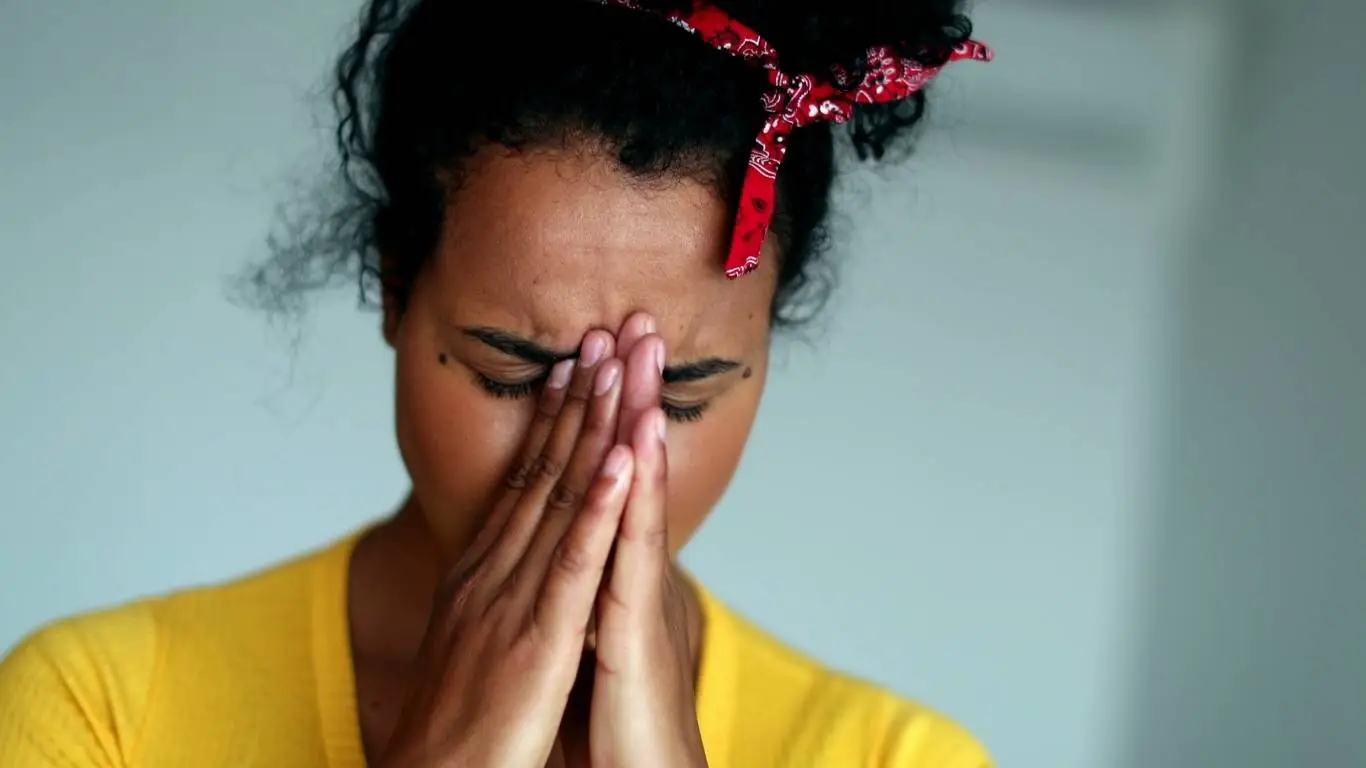
Managing anxiety as a parent isn’t just about willpower. It’s about equipping yourself with tools that help you navigate those intense emotional moments more mindfully. For me, therapy wasn’t just beneficial—it was essential. Cognitive Behavioral Therapy (CBT) helped me recognize distorted thinking patterns that were directly influencing how I responded to my children.
Mindfulness & Breathing Techniques
I know, everyone talks about mindfulness, but when you’re in the middle of an anxious spiral, grounding exercises like deep breathing can work wonders. A simple 4-7-8 breathing technique has diffused countless potential meltdowns in my household—both mine and my kids’!
Progressive Muscle Relaxation (PMR)
PMR is another underrated gem. It’s a simple practice where you tense and release muscle groups to relieve physical tension. Practicing PMR before school runs has helped me stay calmer, which in turn, sets a peaceful tone for my kids to start their day.
The article on how PMR eases daily anxiety is an excellent starting point if you’re curious to try it out.
Shifting Towards Responsive Parenting (Even with Anxiety)

Here’s the honest truth: Anxiety won’t magically disappear, but your parenting style can evolve. By shifting from an anxiety-driven reactive style to a more responsive, mindful approach, you can transform your family dynamics. It’s not about being perfect; it’s about being present.
Responsive parenting emphasizes empathy, active listening, and conscious reactions rather than knee-jerk responses. Even if anxiety is buzzing in the background, you can learn to pause, breathe, and choose how you engage with your child.
Building Emotional Resilience in Your Kids
When you model self-awareness and coping strategies, your children learn emotional resilience. They observe how you handle stress and slowly internalize those behaviors. Over time, this reduces their risk of developing anxiety patterns themselves.
For a comprehensive guide on fostering healthier parenting habits, the article on lifestyle and self-help strategies for anxiety is packed with actionable advice that’s been a lifeline for parents like me.
Ultimately, understanding how anxiety quietly controls daily life allows you to take meaningful steps towards breaking free from these patterns—not just for yourself, but for your children’s future too.

Camellia Wulansari is a dedicated Medical Assistant at a local clinic and a passionate health writer at Healthusias.com. With years of hands-on experience in patient care and a deep interest in preventive medicine, she bridges the gap between clinical knowledge and accessible health information. Camellia specializes in writing about digestive health, chronic conditions like GERD and hypertension, respiratory issues, and autoimmune diseases, aiming to empower readers with practical, easy-to-understand insights. When she’s not assisting patients or writing, you’ll find her enjoying quiet mornings with coffee and a medical journal in hand—or jamming to her favorite metal band, Lamb of God.