Why Floaters Visible When Eyes Are Fully Relaxed Can Be Annoying
Ever noticed tiny specs or cobweb-like strands drifting around in your vision when you’re just lying back, eyes fully relaxed? You’re not alone. Eye floaters are a quirky little annoyance that often show up when you least expect them—like when you’re chilling on a sunny afternoon or just staring at a blank wall. I remember the first time I spotted them while lying in my hammock; it felt like dust trapped in my eye, but no amount of blinking got rid of them. Turns out, there’s a lot more to these floaters than meets the eye (pun intended).
Why Floaters Become Visible When Eyes Are Fully Relaxed
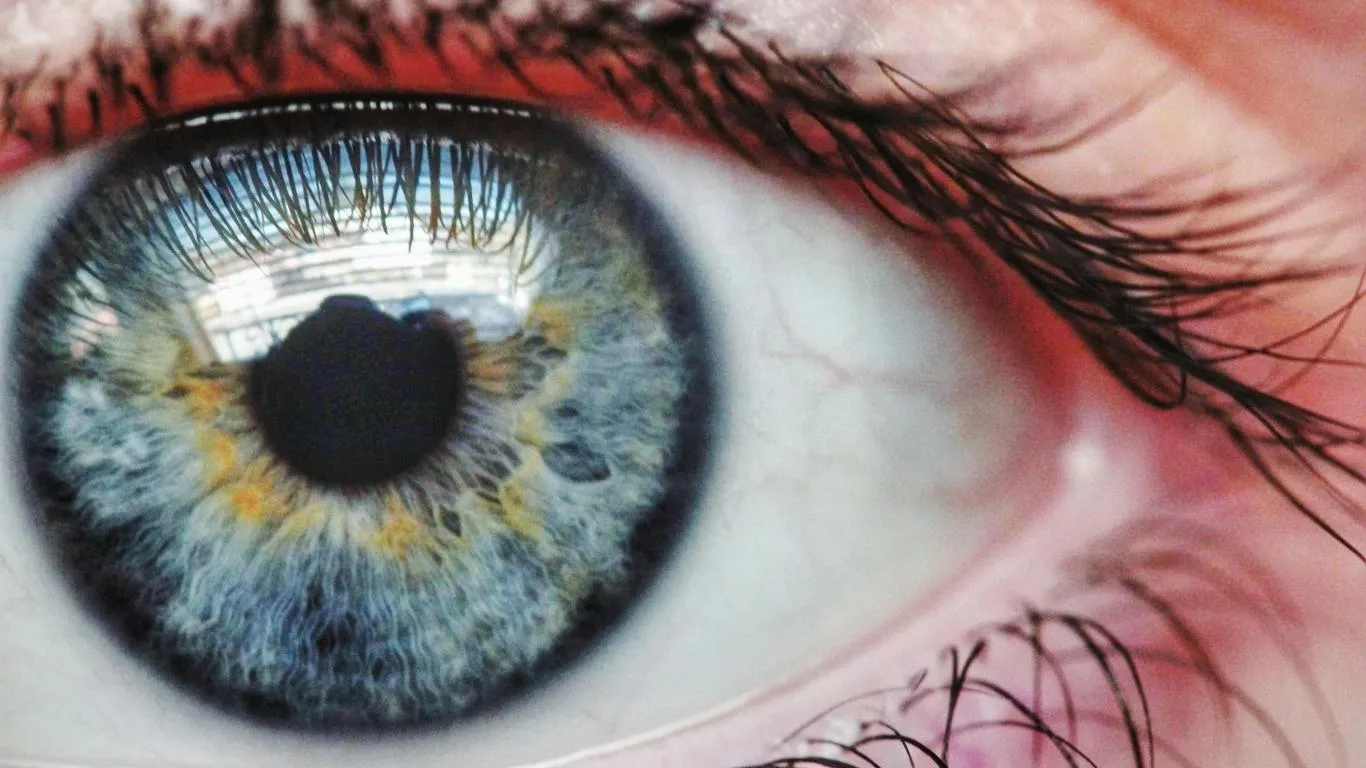
Floaters tend to become more noticeable in moments of stillness. When our eyes are relaxed—say, when we’re staring at the ceiling or lying flat—our focus shifts to the transparent gel-like substance inside the eye, known as the vitreous humor. Small collagen fibers or debris inside the vitreous cast shadows on the retina, making these floaters “pop out” more vividly in calm settings. It’s like watching tiny snowflakes float inside a paperweight.
Personal Observation: The Hammock Test
I often do what I call the “hammock test.” On weekends, I lie down outdoors and notice how floaters dance across my vision the moment I stop squinting or focusing. It’s not a medical term, but a simple trick that shows how relaxation impacts floater visibility.
Common Triggers That Make Floaters Stand Out
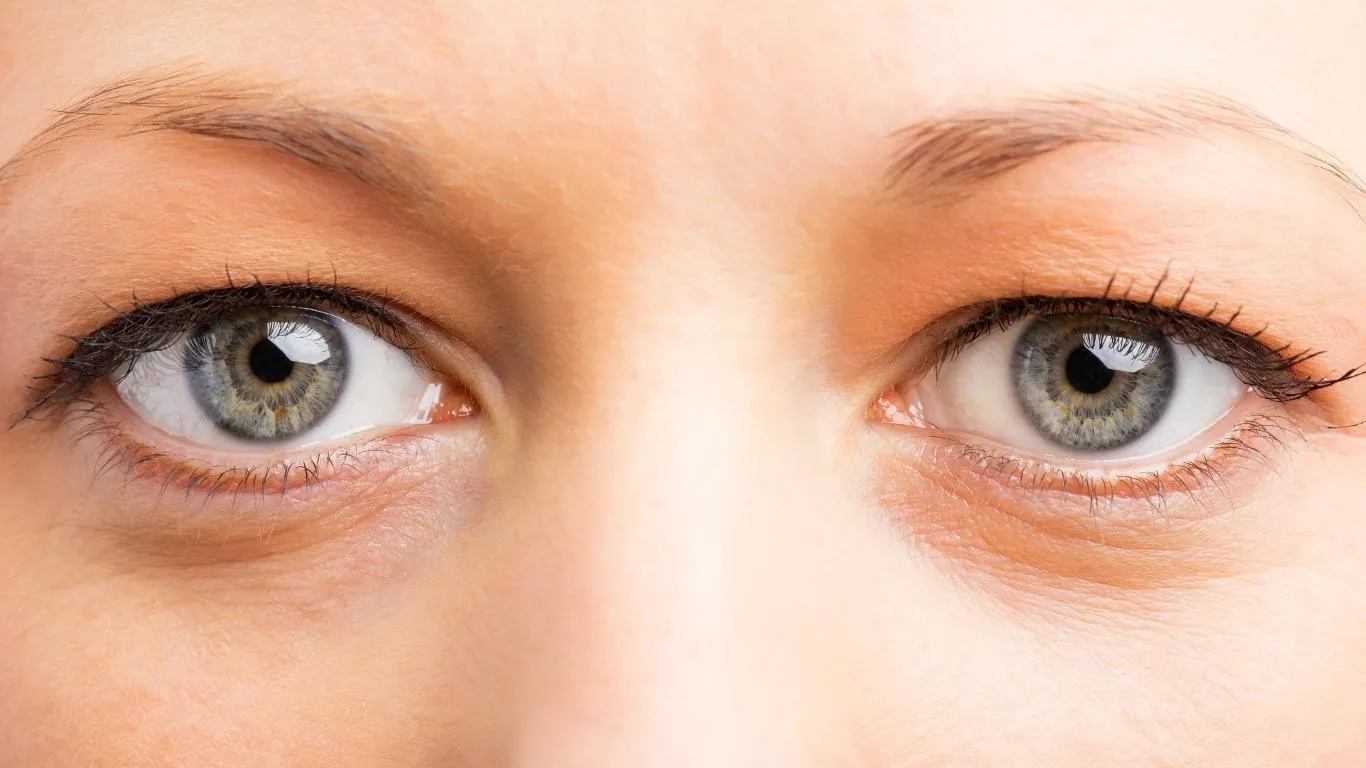
- Bright, uniform backgrounds like the sky or white walls.
- Eye position when lying flat or tilting head back.
- Reduced blinking during relaxation or meditation sessions.
One overlooked factor is hydration. Yes, dehydration can make floaters worse. There’s an insightful breakdown on how dehydration impacts floaters. After a day of working in a dry air-conditioned office, floaters seem to take center stage when I finally rest my eyes.
Is It Normal? When to Be Concerned
For most people, seeing floaters in a relaxed state is harmless. But if they’re accompanied by light flashes, sudden bursts of new floaters, or peripheral vision loss, it could signal a more serious condition like retinal detachment. That’s not something to brush off. I always recommend erring on the side of caution—especially after reading cases like this on retinal tear warnings.
Who’s at Higher Risk?
- People with high myopia (severe nearsightedness)
- Those who’ve undergone eye surgeries like cataract removal
- Individuals over 50, where natural vitreous shrinkage is common
According to the American Academy of Ophthalmology, vitreous syneresis (the shrinking and liquefying of the vitreous) is a key reason why floaters become prominent with age.
Daily Habits That Make Floaters Worse in Relaxed Eyes
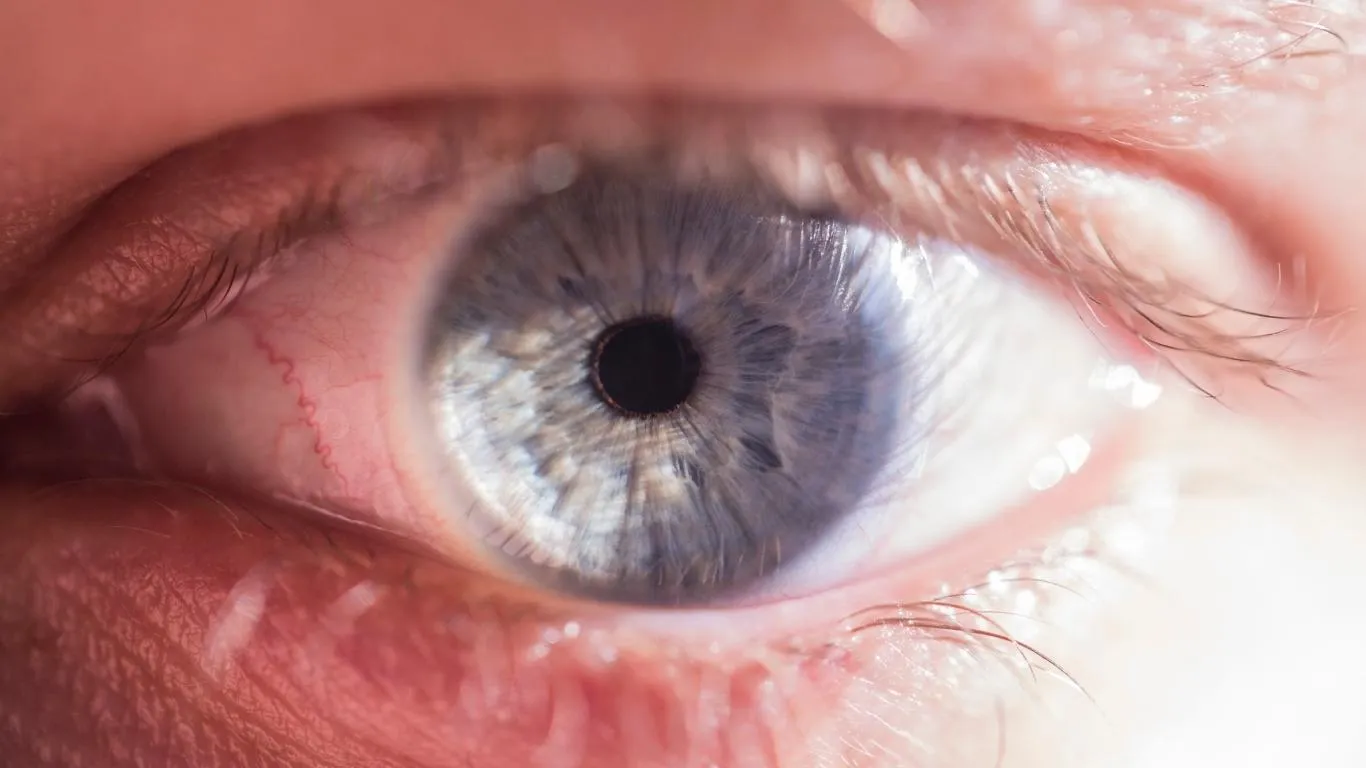
While it’s tempting to assume floaters are purely age-related, daily habits can amplify their presence. For instance, I noticed after marathon screen time sessions, lying down and relaxing my eyes always results in a “floater show.” It turns out, prolonged screen exposure without proper eye ergonomics can aggravate floater visibility. Here’s a deeper dive on how screen time affects floaters.
Eye Relaxation Techniques Gone Wrong?
Practices like yoga nidra and guided meditations, which require you to relax and “scan” your body with closed eyes, ironically make floaters more noticeable. I personally find that switching to dim lighting helps minimize their visibility during these sessions.
Can You Prevent Floaters From Being So Obvious?
While you can’t eliminate floaters completely through natural methods, you can manage how intrusive they feel. Staying well-hydrated, ensuring adequate breaks from screen time, and gently shifting gaze when lying down can help reduce floater prominence.
Some eye care experts recommend nutritional interventions. Antioxidants like lutein and zeaxanthin have been suggested for maintaining vitreous clarity. Here’s a comprehensive list of diet changes that might help with floaters.
Understanding the Link Between Relaxed Eye Position and Vitreous Shadows
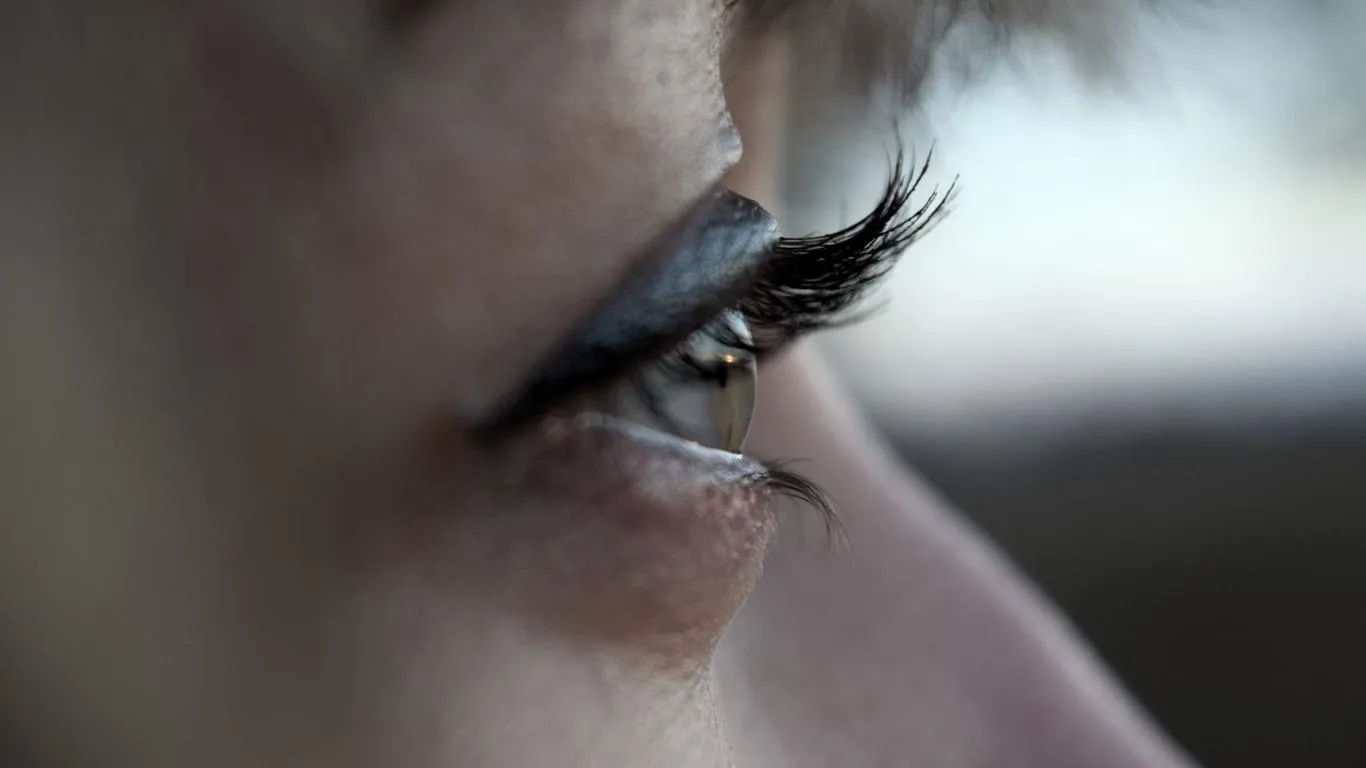
When your eyes are fully relaxed, micro-movements decrease. This reduces the “motion blur” that usually helps mask floaters during active tasks like reading or walking. Essentially, your brain’s visual filtering system isn’t as engaged, allowing floaters to float into your awareness. Fascinating, right?
If you’re curious to understand how floaters differ from other vision issues like flashes or spots, this guide on differentiating floaters from other eye problems is a must-read. For a broader look at symptoms and their seriousness, Healthusias also has a dedicated main article on eye floaters.
Why Floaters Seem Worse in Certain Lighting When Relaxed
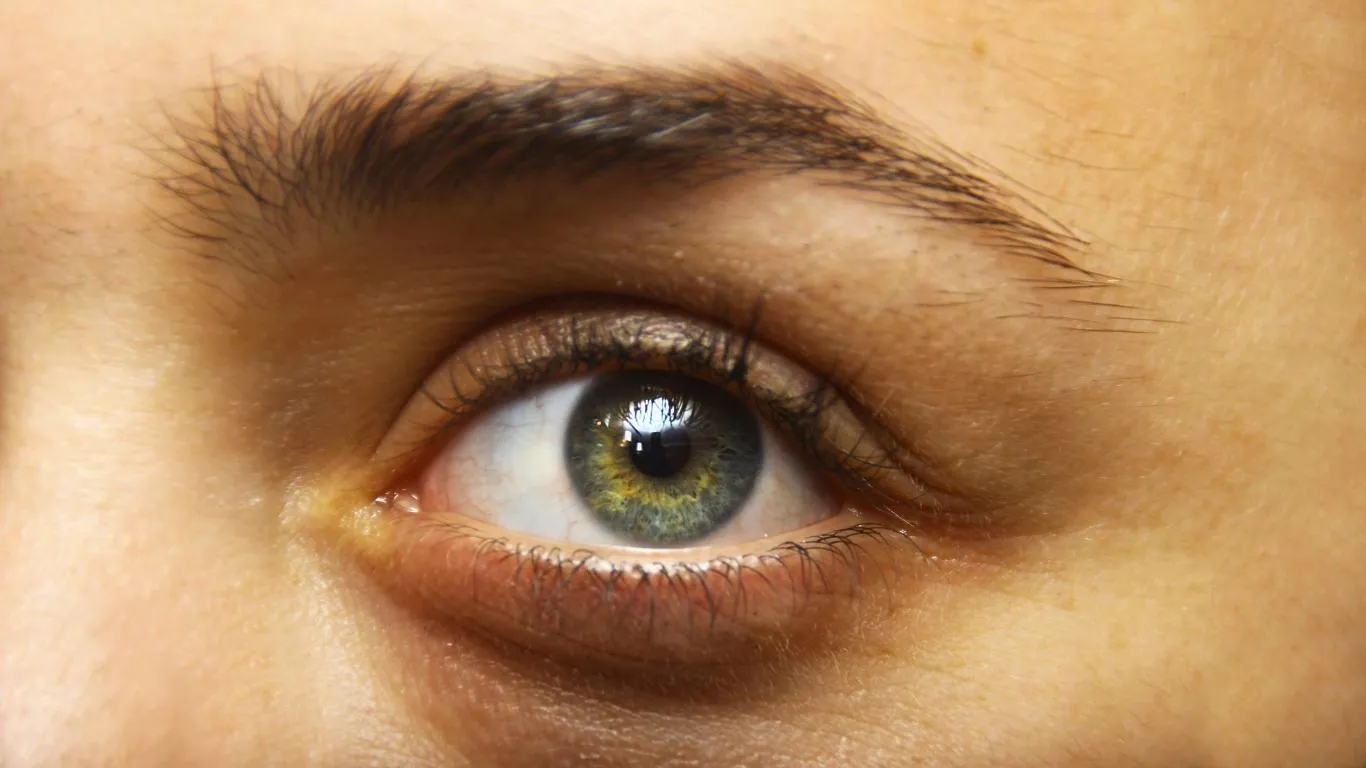
Ever noticed how floaters become super obvious when you’re in a bright, overcast room or staring at a glowing ceiling? That’s no coincidence. When our eyes are relaxed, pupils slightly constrict in well-lit environments, sharpening the contrast of floaters against plain backgrounds. It’s like they suddenly get a spotlight. I remember lying on my back in a yoga studio, ceiling lights glaring, and thinking—“Wow, they’re everywhere!”
Interestingly, floaters can also become hyper-visible in dim lighting where there’s just enough contrast. The phenomenon is explained in detail in this article on how lighting makes floaters more noticeable.
Lighting Scenarios Where Floaters Thrive
- Bright, overcast skies while lying outdoors
- Soft, diffused indoor lighting against white walls
- Evening sunsets where ambient light is low but still present
I’ve found that using softer, warmer light tones in my reading nook actually reduces floater visibility compared to stark, cool-white LEDs. Simple changes in your environment can make a noticeable difference.
How Relaxation Exercises Can Accidentally Highlight Floaters
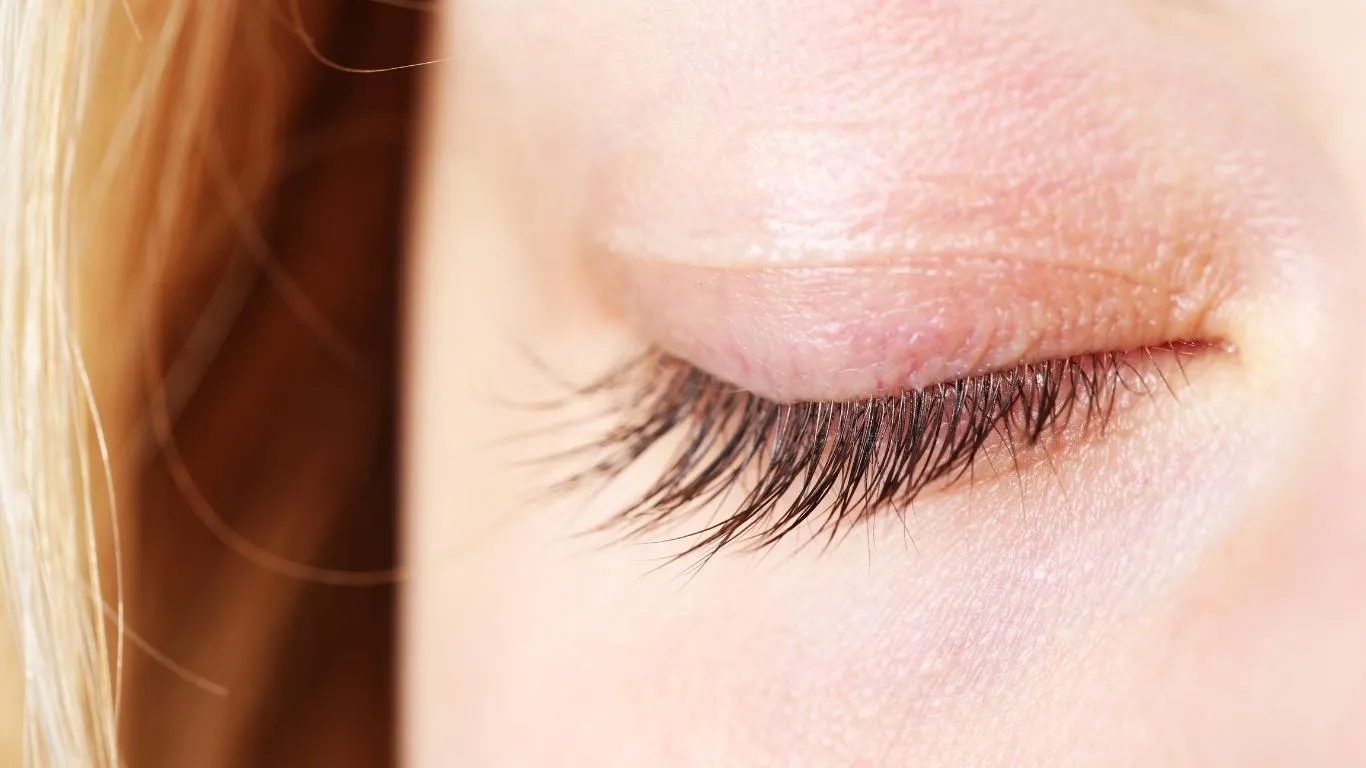
Ironically, practices designed to relax your eyes—like yoga nidra, meditation, or even deep breathing—can inadvertently make floaters the star of the show. This happens because these techniques encourage stillness, allowing floaters to drift lazily into your visual field.
While it’s a harmless quirk, for some, it can become distracting during relaxation routines. I personally adjust by either gently shifting my gaze or opting for environments with textured ceilings or patterns, so floaters blend in.
Should You Stop Relaxation Techniques?
Absolutely not. But understanding how and why floaters behave during these exercises can help you manage the experience better. For example, adjusting your focus depth during relaxation can help minimize their visibility. There’s a helpful guide on practical methods to reduce floater impact.
What Science Says About Relaxed Eye Positions & Vitreous Movements
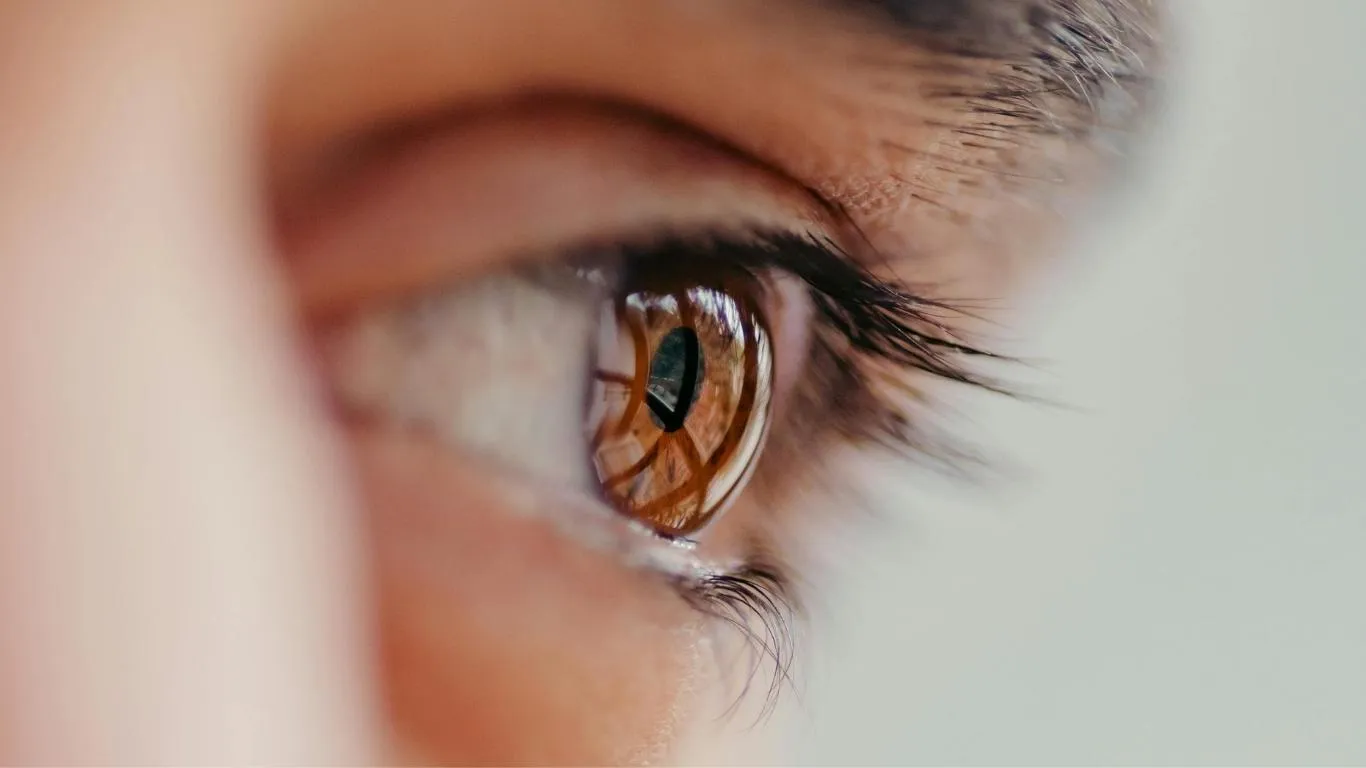
When your body relaxes, your ocular muscles do too. This reduces micro-movements that usually “jiggle” floaters out of your field of vision. Combine that with an upward gaze while lying flat, and gravity pulls floaters directly into your line of sight. According to a study from NCBI, floaters are more perceivable during static gaze due to this gravitational pull on vitreous fibers.
This explains why floaters seem less intrusive when you’re active but take center stage when you’re just lounging around.
When to See a Doctor: Red Flags You Shouldn’t Ignore
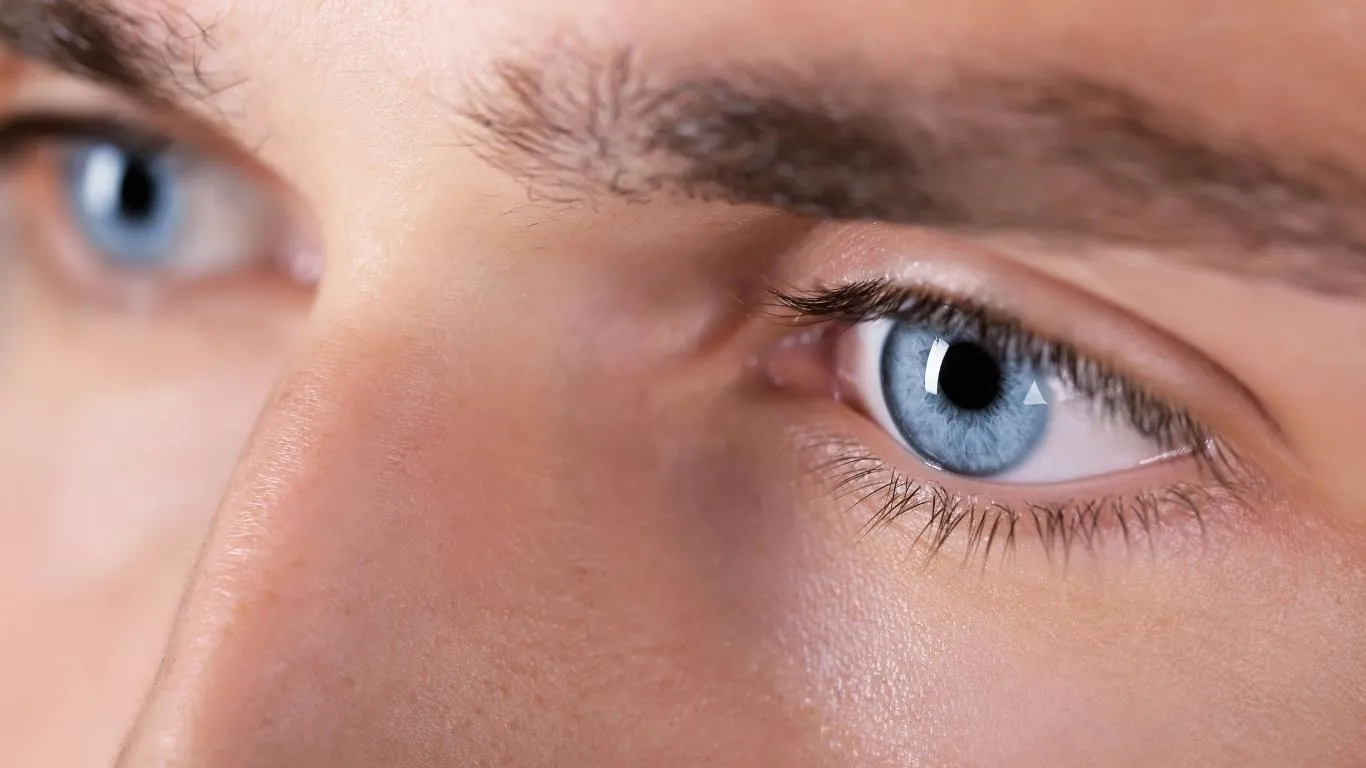
While most floaters are benign, there are situations where they could indicate something more serious. For instance, a sudden “shower” of new floaters, especially when lying down and relaxing, could hint at vitreous detachment or retinal tears.
Symptoms That Require Immediate Attention
- Sudden increase in floater numbers
- Flashes of light, like camera flashes, in your peripheral vision
- A dark curtain effect descending over your visual field
If you notice any of these, it’s critical to consult an eye specialist. You can read more about the dangers of when floaters become a serious warning sign.
Managing Floater Anxiety: My Tried & Tested Hacks
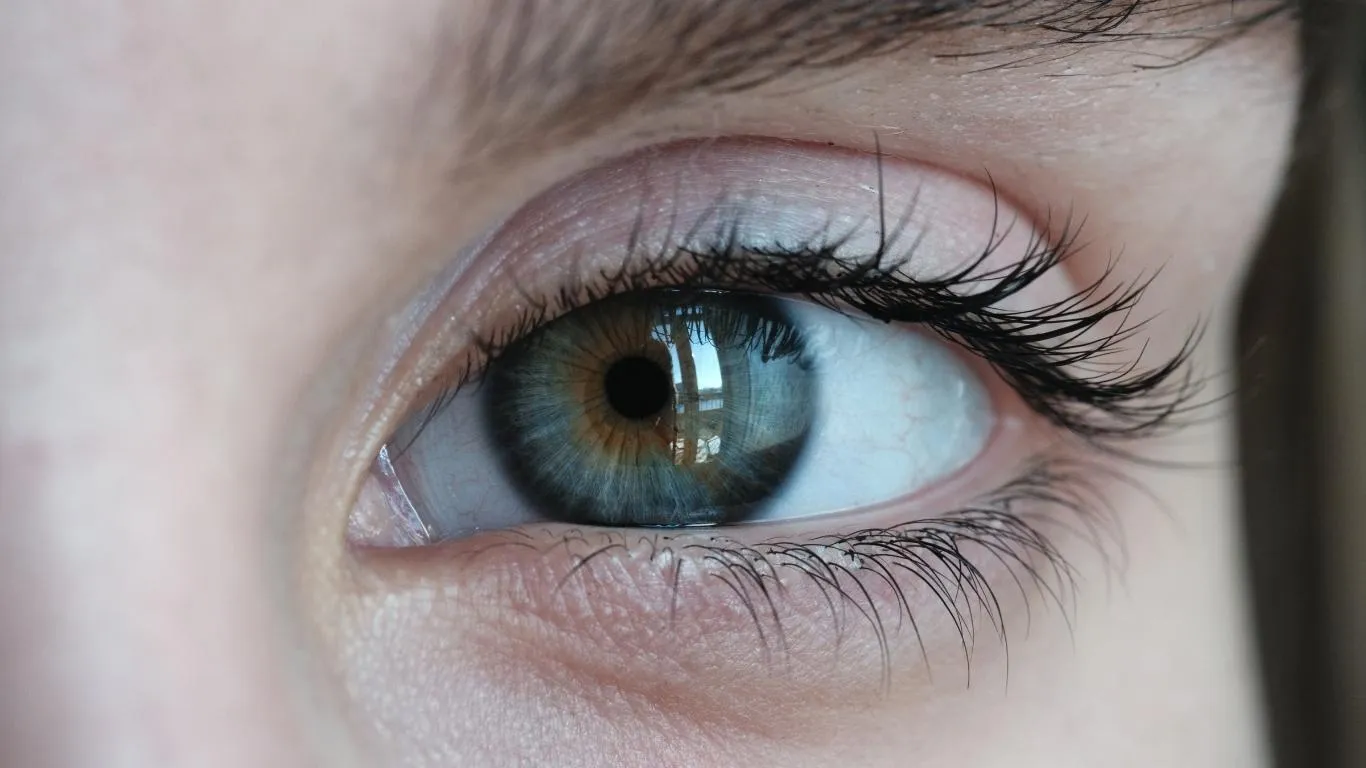
Let’s face it, floaters can get under your skin, especially when they’re more visible during downtime. Here are some small, practical habits that have worked for me to make peace with them:
- Dim the lights: Use warmer, lower intensity lighting when relaxing.
- Texture therapy: Opt for textured backgrounds (like wooden ceilings or patterned walls) to disrupt floater visibility.
- Mindful gaze shifting: Gently moving your eyes to “reposition” floaters can help dislodge them from the central visual field.
There’s also evidence that keeping your eyes moist and avoiding prolonged dryness can reduce floater prominence, especially in relaxed states. For in-depth strategies, this resource on how dry eyes influence floaters is worth exploring.
Can Lifestyle Changes Reduce Floater Impact?
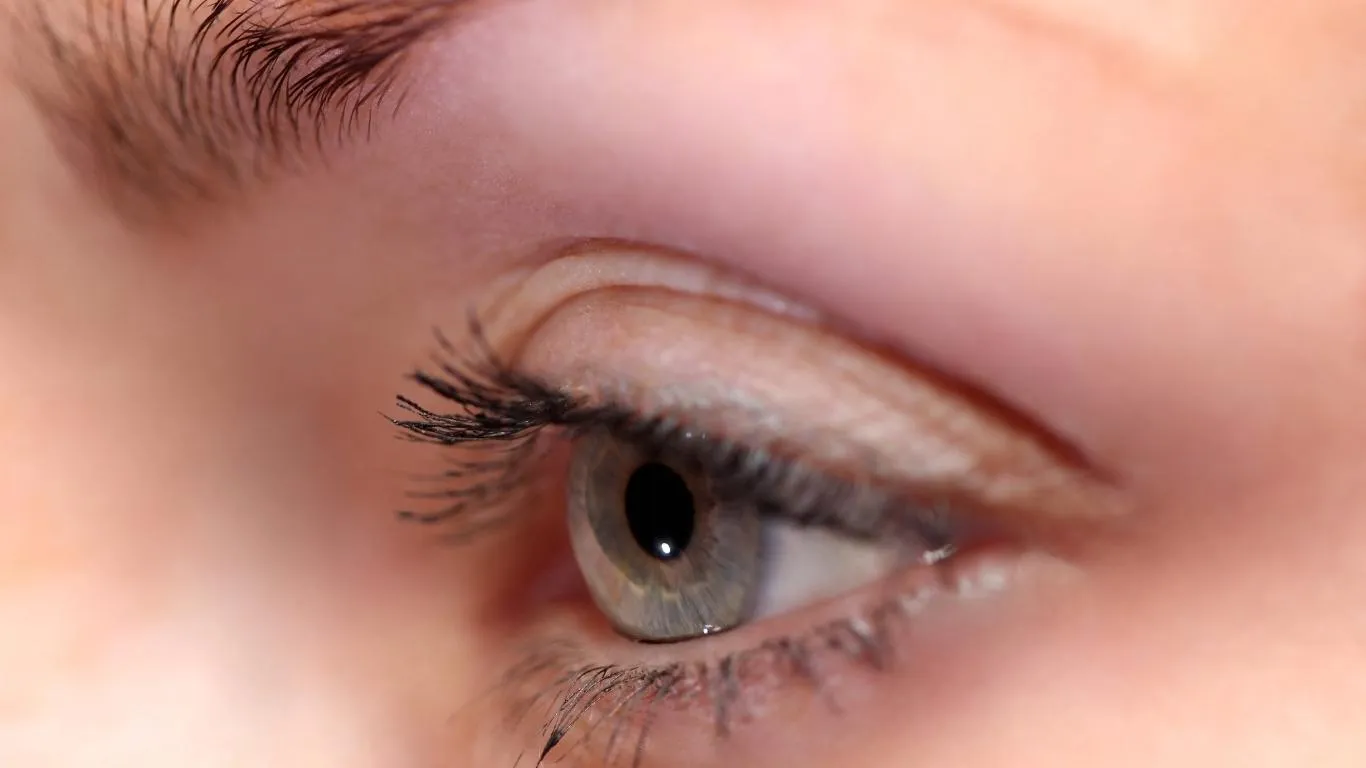
While lifestyle changes won’t dissolve floaters completely, certain adjustments can make them less noticeable. Hydration is a big one. I once underestimated how a simple glass of water could reduce the “foggy swarm” of floaters during my evening relaxation. Another is nutrition—adding antioxidant-rich foods like spinach and carrots helps maintain vitreous clarity.
Additionally, reducing screen glare, improving posture, and ensuring you blink more often (especially during concentrated tasks) can lessen floater distraction when you eventually relax.
If you’re curious about dietary approaches, here’s a detailed look at diet changes for managing floaters.
Should You Consider Professional Treatments?
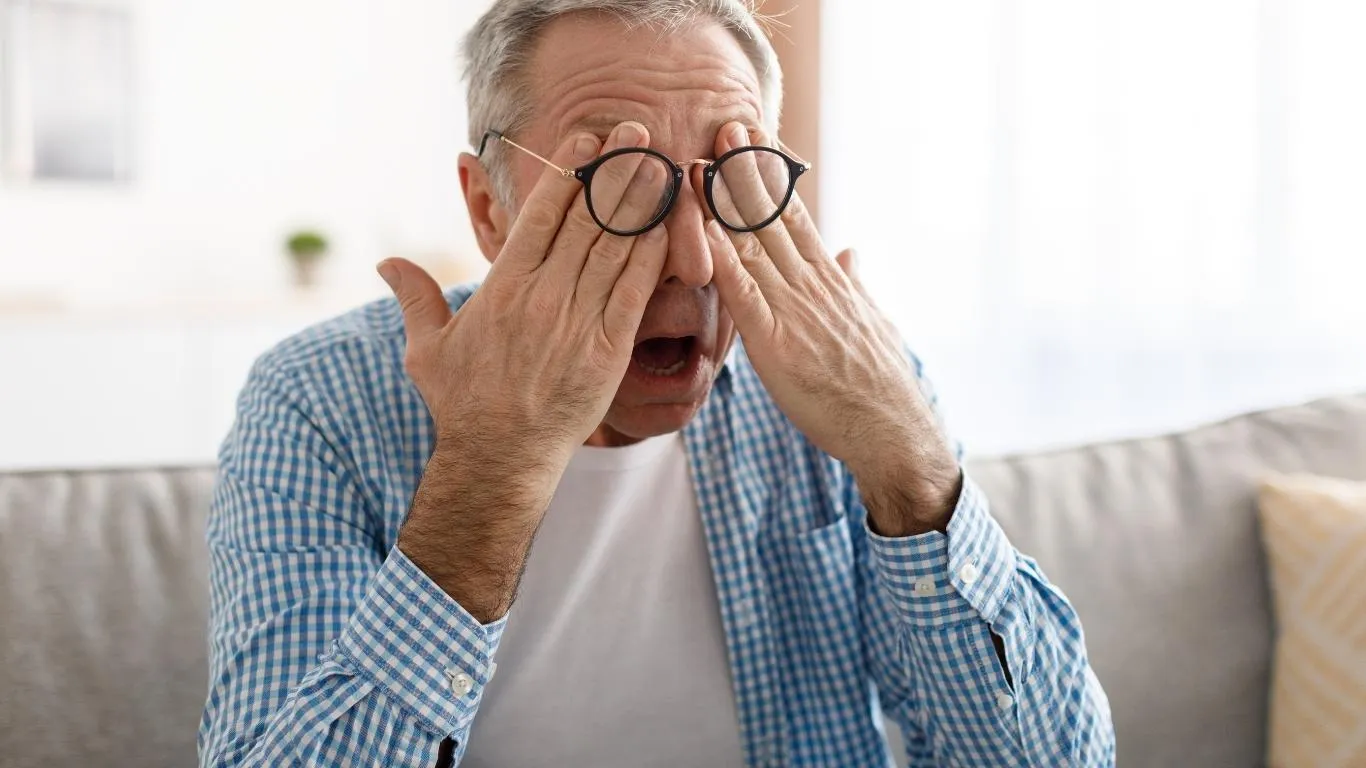
For most people, floaters are a visual annoyance, not a medical emergency. However, if they severely interfere with daily life, treatments like laser vitreolysis or vitrectomy are options to discuss with an ophthalmologist. But be warned, not everyone is a candidate, and risks are involved.
You can learn more about medical treatment options in this detailed guide on eye floater treatments. But in my experience, most floaters become less intrusive over time as your brain learns to “tune them out.”
Final Thoughts: Living with Floaters in a Relaxed World
Floaters are like that one friend who shows up uninvited when you’re just trying to unwind. But with a bit of understanding and simple adjustments, they don’t have to hijack your moments of peace. Awareness is key. Whether it’s shifting your gaze, tweaking lighting, or even just hydrating better, small actions can greatly reduce how much floaters intrude on your “me time.”
For a deeper dive into the broader causes of floaters and how they evolve, you can check out this comprehensive resource on common causes of eye floaters as well as the main article on floaters.

Camellia Wulansari is a dedicated Medical Assistant at a local clinic and a passionate health writer at Healthusias.com. With years of hands-on experience in patient care and a deep interest in preventive medicine, she bridges the gap between clinical knowledge and accessible health information. Camellia specializes in writing about digestive health, chronic conditions like GERD and hypertension, respiratory issues, and autoimmune diseases, aiming to empower readers with practical, easy-to-understand insights. When she’s not assisting patients or writing, you’ll find her enjoying quiet mornings with coffee and a medical journal in hand—or jamming to her favorite metal band, Lamb of God.