Why Floaters Seen While Attending Online Classes Can Disrupt Your Focus
It was during one of my endless online classes that I noticed something odd. Tiny shapes—like specks of dust—started drifting across my vision. At first, I thought maybe my screen was dirty or my glasses needed cleaning. But no, these little floaters were inside my eye, floating around like they owned the place. If you’re reading this while battling those annoying floaters during your own Zoom marathons, you’re not alone. Let’s break down what’s really going on when these floaters gatecrash your online classes.
What Are Eye Floaters and Why Do They Show Up on Your Screen?
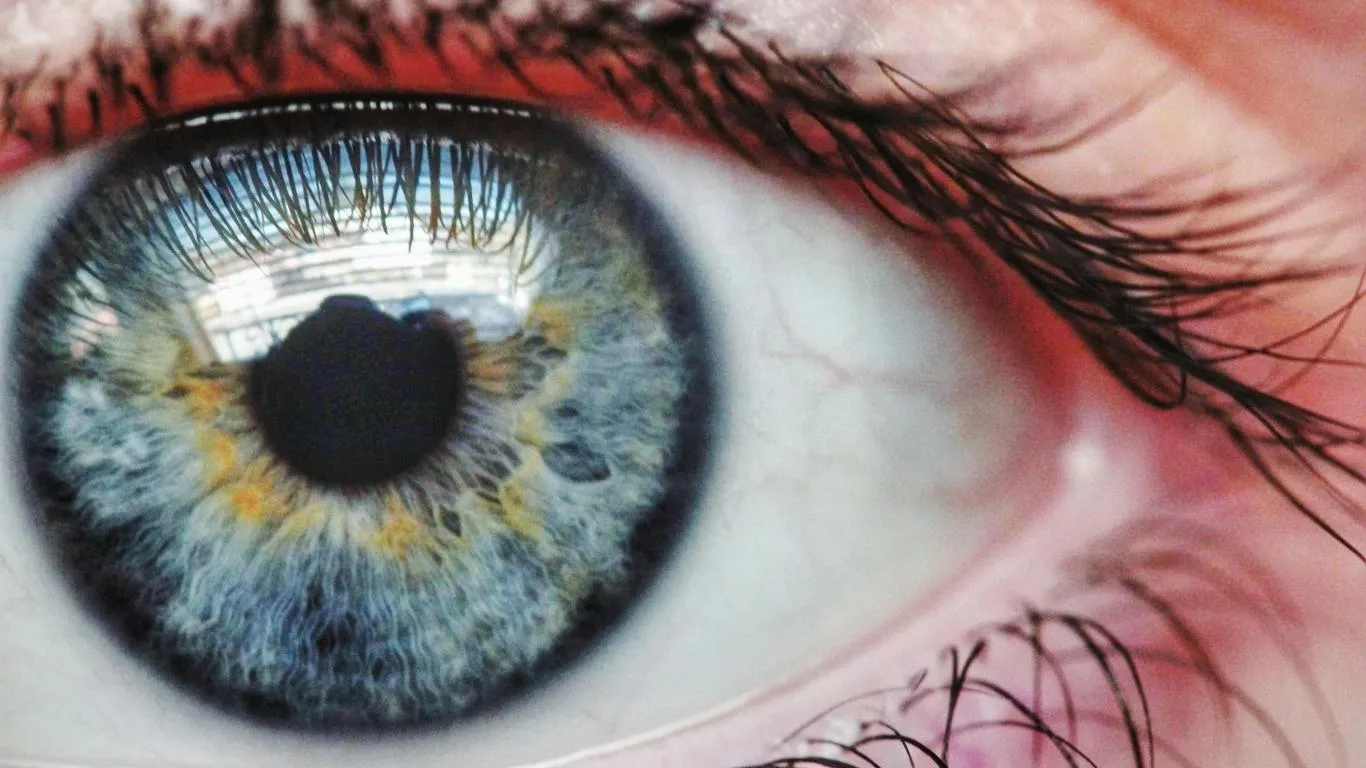
Floaters are those small, shadowy shapes that drift around in your field of vision. They might look like cobwebs, squiggly lines, or transparent blobs. The scientific explanation? These floaters are tiny clumps of collagen inside the vitreous, the gel-like substance that fills your eyeball. They’re perfectly normal, but the reason they become more noticeable during online classes is all about how you’re focusing your eyes for extended periods.
Staring at Bright Screens Makes Them Pop Out
When you’re attending an online class, you’re often staring at a bright screen with light backgrounds, which is the perfect backdrop to highlight these floaters. Think of it like dust particles being caught in a sunbeam—you don’t notice them until the light hits just right.
Eye Fatigue Can Worsen Their Appearance
Sitting through a 2-hour lecture on macroeconomics? Your eyes are working overtime. Eye strain and fatigue can make floaters seem more prominent. As your eyes get tired, their ability to filter out visual noise (like floaters) drops. This article on floaters after screen use dives deeper into this connection.
Why Online Classes Make Floaters Feel More Annoying Than Usual
- Prolonged Near Work: Focusing on a screen at a close distance reduces your blink rate, drying out your eyes and amplifying floaters.
- Screen Glare: The reflective light can make floaters shimmer and dance more noticeably.
- Limited Eye Movement: During an online class, your eyes tend to fixate on one area of the screen, giving floaters more stage time to drift into your line of sight.
Are Floaters Seen During Online Classes a Warning Sign?

Most of the time, floaters are harmless. However, if you suddenly notice a significant increase in floaters or they’re accompanied by flashes of light, it could indicate a more serious issue like a retinal tear. This is why it’s crucial to understand when floaters should never be ignored.
Should You See a Doctor?
If floaters are only noticeable during screen-heavy sessions, it’s often not urgent. But if they’re disrupting your vision outside of class time, or you notice other symptoms like blurry patches or curtain-like shadows, you need a professional evaluation. Learn more about warning signs that floaters could indicate something serious.
How to Minimize Floaters During Online Classes
- Increase Blink Rate: Make a conscious effort to blink more often to maintain eye moisture.
- Adjust Screen Brightness: Lowering brightness or using a softer background color can reduce the contrast that highlights floaters.
- 20-20-20 Rule: Every 20 minutes, look at something 20 feet away for 20 seconds. This simple eye exercise can help.
- Position Lighting Correctly: Avoid overhead lights that create screen glare. Opt for indirect lighting instead.
- Consider Blue Light Glasses: They can reduce eye fatigue, though they don’t directly affect floaters, they might ease overall discomfort during long sessions. Here’s what you should know about blue light glasses and floaters.
Personal Experience: My Floaters Got Worse After Switching Devices
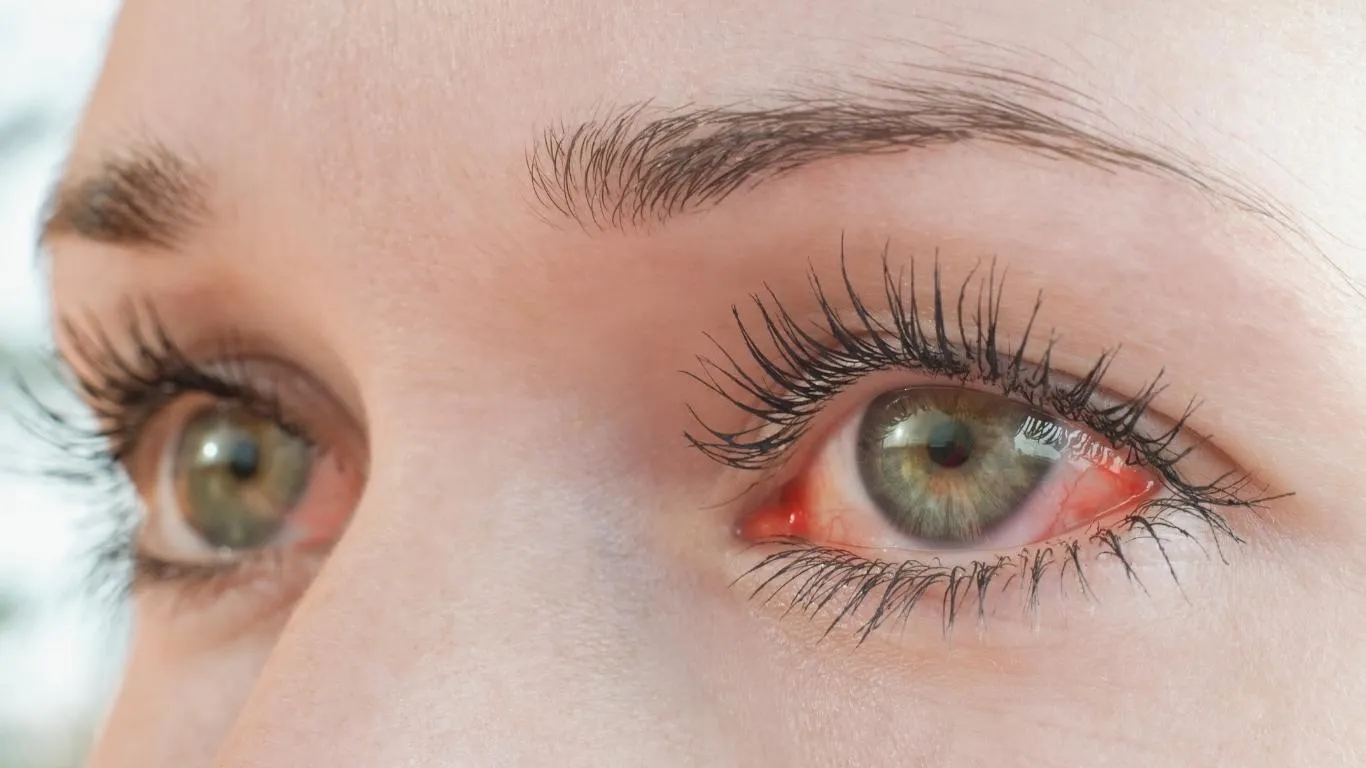
I used to switch between my laptop and tablet during classes, thinking I was giving my eyes a break. Turns out, jumping between different screen sizes and brightness levels only made the floaters more visible. After reading about device-switching impacts on floaters, I started to stick to a single, well-calibrated screen. It didn’t eliminate floaters, but it made them far less distracting.
Could Floaters Mean More Than Just Annoyance?
While floaters are generally benign, in some cases, they can hint at underlying conditions like vitreous syneresis or even early signs of retinal detachment. A comprehensive guide on differentiating floaters from other serious eye problems is a must-read for anyone concerned about their vision health during screen-heavy days.
For a more in-depth understanding of what causes floaters and how they evolve, you can explore our main pillar article on eye floaters, their causes, symptoms, and treatment options.
Long-Term Impact of Floaters on Online Learning and Productivity
Let’s be honest—those floaters aren’t just a minor distraction during classes. Over time, they can seriously chip away at your focus and productivity. Imagine trying to read a dense slide on molecular biology while floaters glide across the screen like uninvited guests. It’s frustrating, mentally exhausting, and can even make you dread attending online sessions altogether.
Visual Fatigue and Concentration Issues
Extended screen exposure forces your eyes to stay locked in one position, which makes floaters seem to move even more erratically. This constant visual disturbance can lead to concentration lapses, where you lose track of what’s being discussed. It’s not just in your head — scientific studies highlight how floaters can increase cognitive load during visual tasks, making learning feel harder than it should be.
Mental Health Implications You Shouldn’t Ignore
Dealing with persistent floaters, especially in high-pressure academic environments, can trigger anxiety and visual stress. I personally noticed my stress levels climbing after every session where floaters seemed to dance relentlessly on my screen. This isn’t uncommon. Floaters, if left unmanaged, can silently erode your mental calmness. Learn more about how persistent floaters affect mental well-being.
Natural Remedies and Lifestyle Tweaks That Actually Help
- Hydration Matters: I underestimated how much staying hydrated could minimize floater visibility. A simple habit of sipping water throughout the day reduced the intensity noticeably. This article on hydration and floaters explains why it works.
- Visual Breaks with Nature: After classes, I made it a point to step outside and let my eyes rest on natural scenery. It sounds cliché, but shifting focus to distant objects truly helps in resetting visual comfort.
- Eye-Friendly Diet: Incorporating foods rich in lutein, omega-3, and vitamin C made a tangible difference. Check out this resource on diet tips for eye health.
Supplements and Eye Exercises: Fact or Fiction?
There’s a lot of buzz around supplements that claim to “clear” floaters. While some may help with vitreous health, don’t expect miracles. I personally tried omega-3 capsules and noticed marginal improvement over months. Combining this with simple eye movement exercises (like tracing figure-eights with your eyes) provided relief, though patience is key. Here’s a breakdown of supplements that actually work for floaters.
When Medical Intervention Becomes Necessary
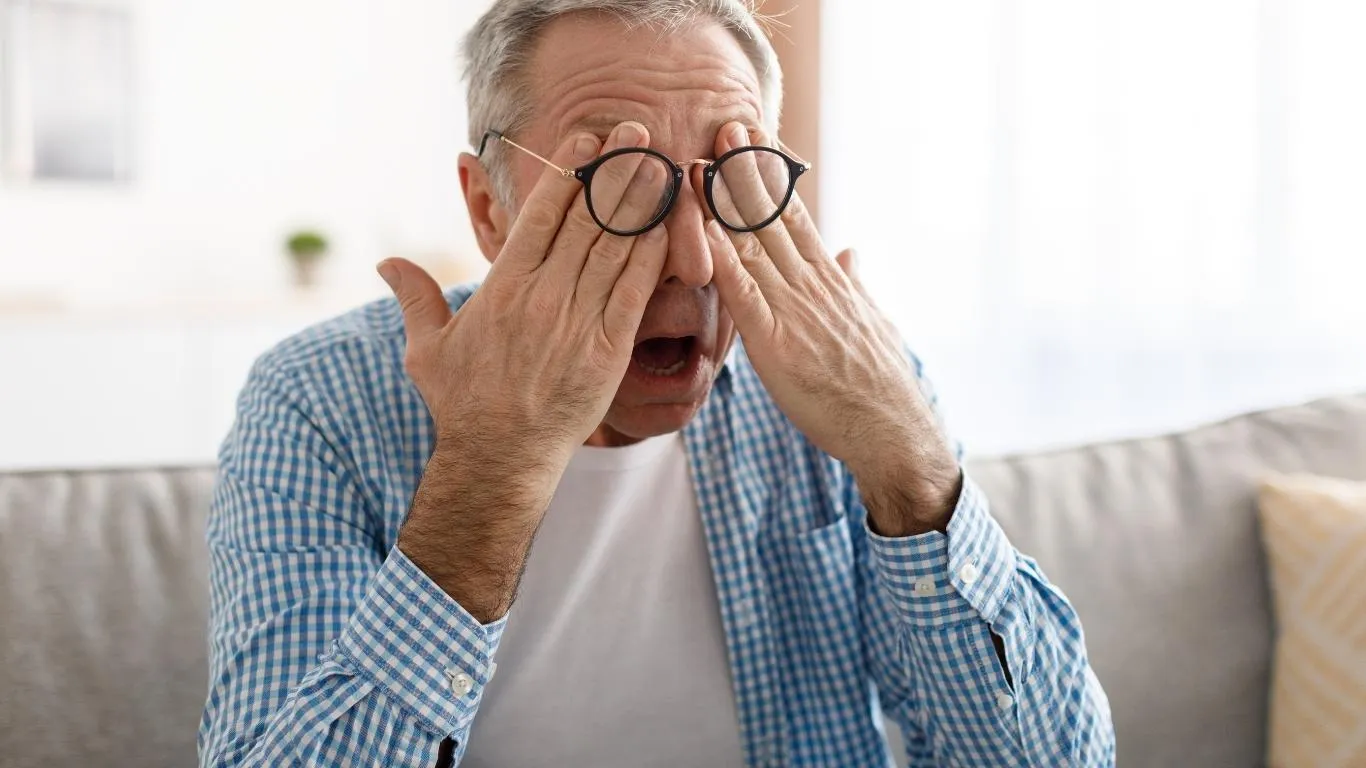
For most people, floaters remain a minor nuisance. But when they begin to interfere with your ability to function—be it studying, working, or simply relaxing—it’s time to explore professional treatment options. I had to consult an ophthalmologist when floaters began clouding my vision persistently. They ruled out any retinal issues and recommended conservative management, but also introduced me to advanced treatments like laser vitreolysis.
If you’re curious about the full spectrum of floater treatments, from watchful waiting to surgical options, this guide on eye floater treatments is essential reading.
Adapting Your Study Environment to Minimize Floater Distractions
- Opt for Dark Mode: Switching your apps and study materials to dark mode reduces contrast, making floaters less visible.
- Use Ambient Lighting: Overhead bright lights? A big no. Try soft, diffused desk lamps to ease visual strain.
- Screen Positioning: Slightly tilting your screen or sitting at an angle can minimize how floaters enter your central vision zone.
- Regular Screen Breaks: Don’t underestimate the power of a quick stretch and walk around every hour. It gives your eyes a much-needed reset.
Floaters Won’t Go Away Instantly, But They Don’t Have to Rule Your Study Life
Floaters seen while attending online classes are a frustrating, yet common experience. But they don’t have to derail your academic progress or daily productivity. With a few mindful adjustments—both to your environment and your habits—you can manage their impact effectively. And always remember, if something feels off, trust your instincts and get a professional eye check-up. Your vision deserves that attention.
For a comprehensive guide on differentiating floaters from other visual disturbances, this resource on eye floaters vs other eye problems is a must-read.
Want to learn more about the root causes of floaters, including aging and eye injuries? Dive into our detailed resource on common causes of eye floaters.

Camellia Wulansari is a dedicated Medical Assistant at a local clinic and a passionate health writer at Healthusias.com. With years of hands-on experience in patient care and a deep interest in preventive medicine, she bridges the gap between clinical knowledge and accessible health information. Camellia specializes in writing about digestive health, chronic conditions like GERD and hypertension, respiratory issues, and autoimmune diseases, aiming to empower readers with practical, easy-to-understand insights. When she’s not assisting patients or writing, you’ll find her enjoying quiet mornings with coffee and a medical journal in hand—or jamming to her favorite metal band, Lamb of God.