How Perfumed Hand Sanitizers Can Trigger Migraine Attacks
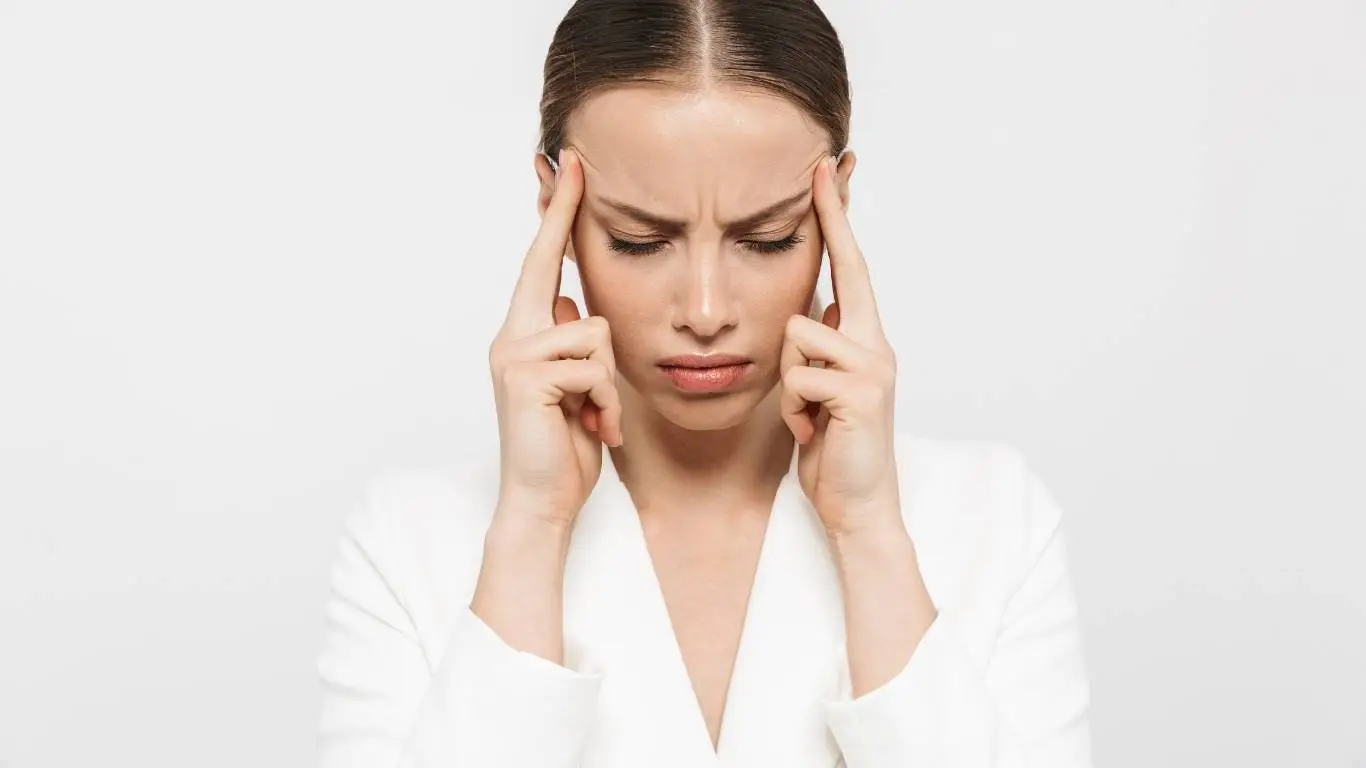
Ever grabbed a perfumed hand sanitizer thinking it’s just a small splash of freshness, only to find yourself clutching your head minutes later? Yeah, I’ve been there. That innocent-looking bottle could be a sneaky migraine trigger. For years, I couldn’t figure out why certain days, a simple trip to the grocery store left me in a dark room with ice packs and a silent prayer for relief. Turns out, those flowery, fruity, and sometimes downright overpowering scents in hand sanitizers are more than just a minor annoyance for migraine sufferers like us. Let’s dive deep into why this is a bigger issue than people realize.
Why Perfumed Hand Sanitizers Can Trigger Migraines

Fragrances are complex mixtures of chemicals, many of which are known to affect the central nervous system. When these airborne particles are inhaled, they can trigger a cascade of neurological responses, especially in individuals prone to migraines. For me, it’s like a silent landmine—I can be fine one moment, and within ten minutes of using a heavily perfumed sanitizer, I feel that all-too-familiar throbbing behind my eyes.
Scientific research has long shown that strong smells, particularly artificial fragrances, are potent migraine triggers. The chemicals such as phthalates and synthetic musks found in these products can cause overstimulation of the olfactory pathways, leading directly to a migraine episode. If you’re interested in understanding how smells play into migraine triggers, this detailed article on fragrance-induced migraines is a must-read.
My Experience: A Real-Life Example of Scent-Sensitive Migraines
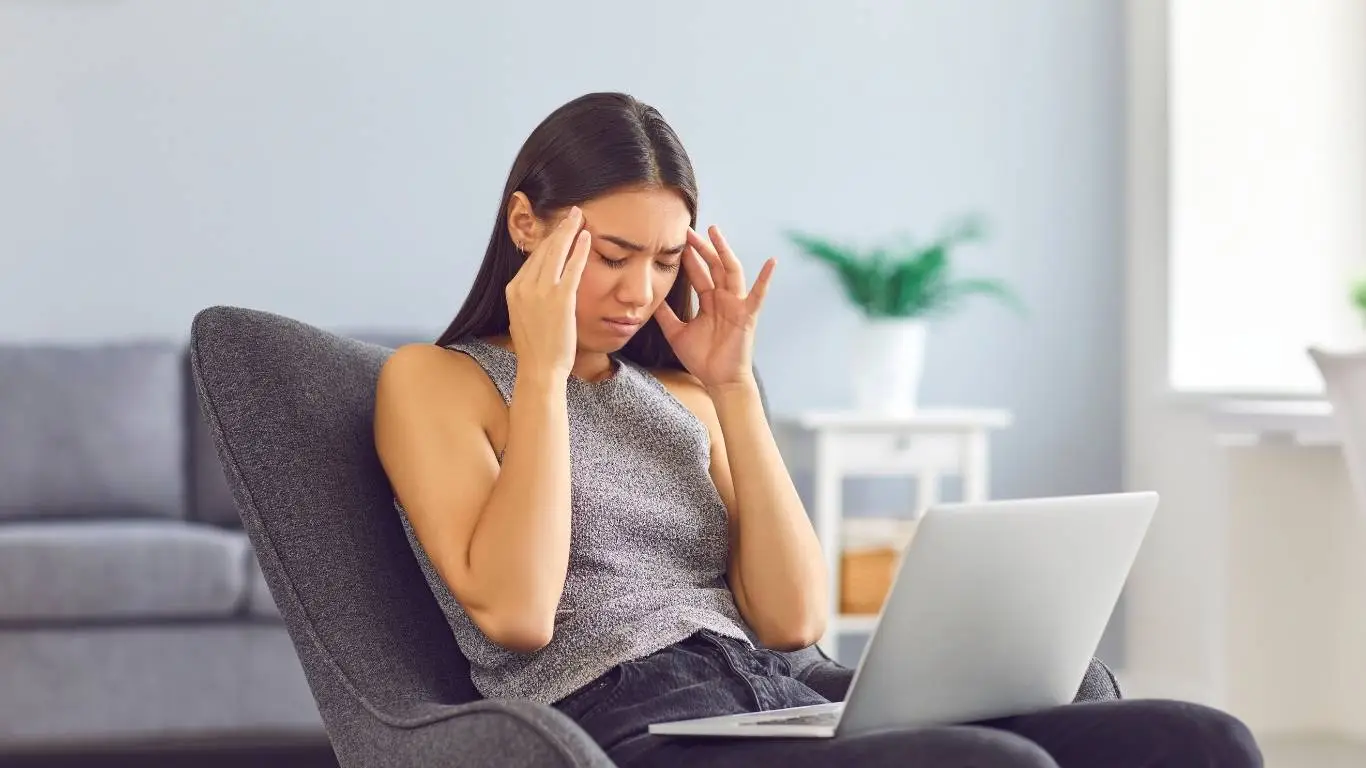
Let me share a personal moment that truly opened my eyes to this problem. I was attending a small seminar, sitting right next to someone who liberally applied a lavender-scented hand sanitizer. Within minutes, the pressure started building. I initially blamed it on the overhead lights or maybe dehydration, but nope—it was the sanitizer. Since then, I’ve switched to unscented versions religiously, but it also made me realize how little awareness there is about this trigger.
Common Scents That Could Be Problematic
- Floral (Lavender, Rose, Jasmine)
- Fruity (Citrus, Berry blends)
- Sweet Gourmand (Vanilla, Coconut)
- Herbal and Minty Scents
Each of these can act as a trigger depending on your personal sensitivity. The worst part? You might not realize the connection until you’ve had a few unfortunate episodes.
What Science Says About Fragrance Sensitivity in Migraine Sufferers

Studies published in journals like NCBI and CDC resources have shown that up to 70% of migraine sufferers report scent sensitivity as a primary trigger. This isn’t a minor niche problem. The pathways involved include the trigeminal nerve, which when irritated by chemical scents, can rapidly escalate into a full-blown migraine attack. For a comprehensive breakdown on the neurological link, check out this in-depth analysis on neurological triggers.
Symptoms to Watch For
- Throbbing pain behind the eyes or temples
- Sudden nausea or dizziness
- Visual auras or light sensitivity
- Fatigue and brain fog
For me, the sequence always starts with eye strain, then the nausea creeps in, followed by sensitivity to sounds and lights. It’s like clockwork, and recognizing these early warning signs can be life-saving.
Alternatives to Perfumed Hand Sanitizers
Switching to fragrance-free products is a game changer. Look for sanitizers labeled as “unscented” or “fragrance-free.” Don’t be fooled by terms like “lightly scented”—even minimal fragrance can trigger an episode. I personally swear by alcohol-based sanitizers with no added fragrances. Some brands even specifically market their products for sensitive users.
What to Look for in a Migraine-Safe Sanitizer
- Ingredient Transparency: Full list of ingredients without “fragrance” as a vague term.
- Non-Aerosol Packaging: Pumps or squeeze bottles are safer than sprays.
- Minimal Additives: Avoid products with coloring agents or glitter.
I’ve curated a small collection of migraine-friendly hygiene products after a lot of trial and error. It’s amazing how such a small change can dramatically reduce the frequency of attacks.
Additional Resources on Migraine Triggers

If you’re on a journey to identify and manage your personal migraine triggers, I highly recommend checking out this comprehensive guide on common migraine triggers. It covers a wide spectrum of potential culprits—from stress to environmental factors. For a broader understanding of migraines, their symptoms, and treatment options, the main pillar article on migraines and headaches is a valuable resource to bookmark.
How to Protect Yourself in Public Spaces

Let’s face it, we can’t control what others use. But we can absolutely control how we protect ourselves. I always carry an unscented hand sanitizer in my bag, but more importantly, I’ve started using a lightweight mask when in crowded places. It’s not about paranoia—it’s about survival. Especially in places like malls or public transport where the air feels saturated with perfume, colognes, and of course, perfumed sanitizers.
Did you know even light fragrance exposure in confined spaces can trigger an attack within minutes? It’s an eye-opener, really. So, proactive shielding becomes non-negotiable.
Other Smart Tactics I’ve Learned
- Choose Open Air Spaces: If I’m meeting someone, I always suggest outdoor seating when possible.
- Inform Friends Subtly: I gently mention my sensitivity to avoid surprises when they pull out scented products.
- Time Management: Avoid peak shopping hours when stores are heavily fragranced for ambiance.
One time, during a family event, I had to leave abruptly because someone nearby used a sweet-scented sanitizer. Since then, I’ve made it a habit to prepare an exit plan wherever I go. It sounds extreme, but it has saved me more than once.
Understanding the Long-Term Impact of Fragrance-Induced Migraines

Fragrance-induced migraines aren’t just a momentary inconvenience. For chronic sufferers, repeated exposure can escalate into persistent migraine conditions. The more frequent the trigger exposure, the more sensitized your system becomes over time. I learned this the hard way after ignoring scent triggers for years, thinking I was being overly sensitive.
Eventually, my episodic migraines turned into chronic daily headaches. The link between environmental triggers and chronic migraines is well-established in medical literature, as covered in this guide on chronic versus episodic migraines. Trust me, prevention is easier than managing a full-blown chronic condition.
Neurological Pathways That Worsen Over Time
- Trigeminal Nerve Sensitization: Continuous exposure primes the nerve for overreaction.
- Central Sensitization: Brain’s pain-processing system becomes hyper-reactive.
- Allodynia: Harmless stimuli like scents or light touch trigger severe pain responses.
This is why tackling minor triggers like perfumed sanitizers early on is not overreacting—it’s a form of self-preservation.
Effective Migraine Management Tools for Scent Sensitivity

Beyond avoiding triggers, there are tools that have helped me tremendously in managing episodes when avoidance fails. Devices like Nerivio wearables and Cefaly devices have given me a non-medicated way to mitigate migraine onset. They work by stimulating the trigeminal nerve to reduce the severity of attacks.
Must-Have Items in My Anti-Migraine Kit
- Fragrance-Free Hand Sanitizer
- Portable Migraine Relief Device
- Soft Eye Mask for Light Sensitivity
- Reusable Ice Packs
- Noise-Canceling Earbuds
Having these on hand gives me peace of mind, knowing I can at least minimize the impact if a surprise trigger catches me off guard.
Is the “Hypersensitivity” Label a Misconception?

One thing I often hear is, “Oh, you’re just overly sensitive.” Let me clear this up—migraine sensitivity isn’t in your head (pun intended). It’s a well-documented neurological condition. Educating those around us becomes a crucial part of advocacy. Articles like this guide on migraine symptoms offer an in-depth explanation that helps non-sufferers understand the real struggle.
The more awareness we spread, the easier it becomes to navigate public spaces without feeling like we’re asking for “special treatment.” It’s not special; it’s necessary.
Empowering Yourself with Knowledge and Community

One of the best decisions I made was joining migraine support forums and communities. The amount of practical tips, product recommendations, and moral support is invaluable. Knowledge is power, and when shared, it becomes a collective shield. For a deeper understanding of natural remedies and holistic approaches, I highly recommend reading this comprehensive guide on migraine natural remedies.
If you’re serious about managing your migraines in a holistic and informed way, explore the wealth of knowledge in the main resource hub on migraines and headaches. Trust me, once you connect the dots between daily habits and migraine patterns, the path to fewer attacks becomes clearer.

Bianca Nala is a compassionate Nurse Practitioner with a strong background in primary and respiratory care. As a health writer for Healthusias.com, she combines her clinical expertise with a talent for clear, relatable storytelling to help readers better understand their health. Bianca focuses on topics like asthma, COPD, chronic cough, and overall lung health, aiming to simplify complex medical topics without losing accuracy. Whether she’s treating patients or writing articles, Bianca is driven by a single goal: making quality healthcare knowledge accessible to everyone.