Why Flower Shop Scents Can Trigger Painful Allergen Migraines
You know that feeling when you step into a charming flower shop, greeted by an explosion of colors and that fresh floral scent? For many, it’s a pleasant experience. But for someone like me, a visit to a flower shop can quickly turn into a ticking time bomb for a migraine attack. The connection between allergen-rich floral scents and migraines is very real, and if you’ve ever wondered why your head starts pounding in the middle of a flower shop, you’re not alone.
How Flower Shop Scents Can Trigger Migraines

The beautifully arranged bouquets are not as innocent as they seem. Flowers release volatile organic compounds (VOCs), which are the chemical compounds responsible for their lovely aroma. However, for sensitive individuals, especially migraine sufferers, these VOCs can become powerful migraine triggers.
It’s not just the flowers themselves. Many flower shops also use artificial fragrances, scented sprays, or preservatives that amplify these triggers. The overwhelming mixture can irritate the nasal passages, leading to a cascade of neurological reactions that end in a migraine.
The Role of Histamines and Allergens
When you inhale allergens like pollen, your immune system releases histamines. For people prone to migraines, this histamine response can spark a chain reaction, increasing inflammation and dilating blood vessels in the brain. That’s when the throbbing pain sets in.
I’ve had countless episodes where a seemingly innocent trip to pick up flowers ended with me lying in a dark room, clutching my temples. According to experts at healthline.com and webmd.com, histamine intolerance is often an overlooked migraine trigger, especially in allergy-prone individuals.
Perfume vs. Natural Flower Scents: Which is Worse?
You’d think artificial perfumes are more problematic, but sometimes, natural scents can be just as potent. Strong-smelling flowers like lilies, hyacinths, and gardenias are infamous for triggering migraines. In my experience, it’s not just the type of scent but the intensity and duration of exposure that matters.
- Lilies — High pollen and strong, heady scent.
- Hyacinths — Sweet fragrance with dense VOCs.
- Gardenias — Rich, creamy aroma that can overwhelm.
Allergen-Rich Flower Shops: A Hidden Minefield

Most people don’t realize that flower shops are hotspots for pollen concentration, especially enclosed spaces with poor ventilation. Unlike outdoor settings where allergens disperse, indoor flower shops trap these particles, making them a concentrated source of allergens.
You can read more about how strong scents and smells trigger migraines if you’ve noticed other scents like perfumes or cleaning products causing similar reactions.
Weather and Environmental Factors
Interestingly, weather conditions can amplify the effects. High humidity levels often intensify floral scents, making them more potent. If you’ve ever experienced a migraine after a summer visit to a flower market, you’re not imagining things. The combination of heat, humidity, and allergens creates the perfect storm for migraine sufferers.
Learn about weather-related migraine triggers if environmental changes tend to worsen your symptoms.
Neurological Pathways: Why Your Brain Reacts

When allergens stimulate the trigeminal nerve (a key player in migraine pathways), it can set off a neurological alarm. The trigeminal nerve is sensitive to chemical stimuli, and exposure to strong scents triggers this nerve, which then activates migraine centers in the brain.
This explains why some people instantly feel nauseous, dizzy, or experience visual disturbances (auras) when exposed to certain smells. It’s not “just in your head.” It’s a biological reaction.
For those dealing with frequent episodes, consider reading how migraine auras manifest and why scent triggers are often linked.
Chronic vs. Occasional Migraineurs
There’s a big difference between someone who occasionally gets scent-triggered migraines and those who suffer from chronic migraines. I fall into the latter category, which means my threshold is significantly lower. Even a brief exposure to strong floral scents can ruin my day.
Chronic sufferers often have heightened sensitivity in their olfactory pathways. This is why managing triggers becomes a constant, daily task. If you’re in this boat, you’re not being dramatic — your brain is just wired differently.
Practical Tips: Surviving a Flower Shop Visit
Over the years, I’ve developed a few personal hacks to minimize my migraine risk while still enjoying the occasional flower shop visit:
- Limit Time Inside: Keep visits short and sweet. Aim for under 10 minutes.
- Wear a Mask: A high-quality mask (like an N95) filters out a good portion of airborne allergens.
- Shop During Off-Hours: Early mornings often have less concentrated pollen indoors.
- Ask for Non-Fragrant Bouquets: Florists are usually accommodating.
- Carry a Saline Spray: It helps clear nasal passages immediately after exposure.
If you’re serious about prevention strategies, check out this comprehensive guide on migraine prevention methods.
When Scents Trigger More Than Headaches
It’s not uncommon for scent-induced migraines to come with additional symptoms like nausea, dizziness, or even neck pain. I often feel my neck stiffen after being exposed to strong floral scents, which is a lesser-known but documented phenomenon.
Dive deeper into the topic of migraines associated with neck pain for a more detailed explanation.
Understanding Your Personal Threshold
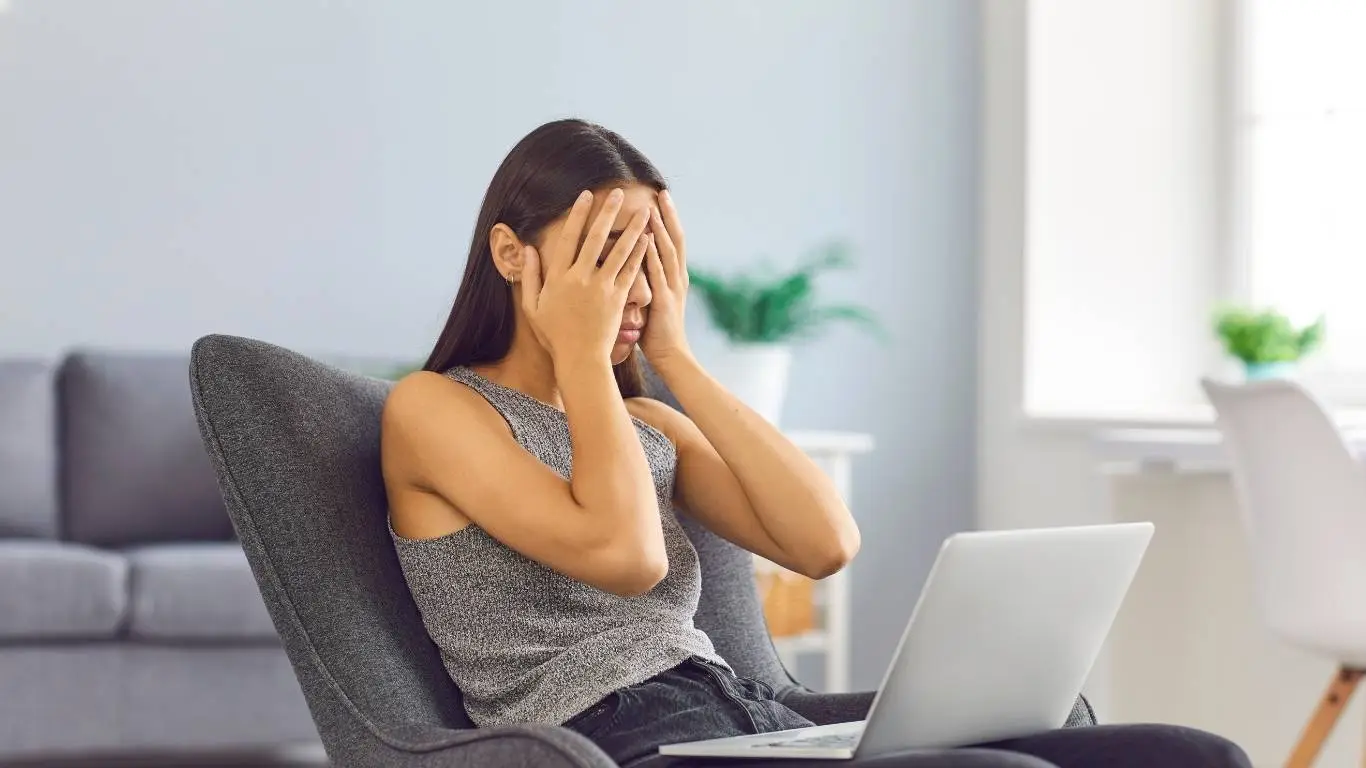
One crucial aspect of managing scent-induced migraines is recognizing your personal threshold. I’ve found that my sensitivity varies depending on stress levels, sleep quality, and even hydration. It’s a balancing act, but the more you tune in to your body, the better you’ll get at dodging these hidden triggers.
For a broader understanding of how triggers interact, I recommend starting with this resource on common migraine triggers.
And of course, if you’re new to this topic or need a foundational guide on migraines in general, you can explore the main resource at Migraines and Headaches Overview.
Common Mistakes People Make with Flower-Triggered Migraines

One of the biggest mistakes I used to make was assuming that only strong, sweet-smelling flowers were the problem. Turns out, even subtle floral fragrances layered together can be just as potent. Florists often mix multiple blooms into one bouquet, each contributing to the overall scent intensity.
Another common misstep? Ignoring the aftermath. Just because the migraine doesn’t hit immediately doesn’t mean you’re safe. Post-exposure migraines can creep up hours later, catching you off-guard. Trust me, I’ve been there — enjoying a seemingly “safe” visit, only to be knocked out by a migraine that night.
Over-Reliance on Over-the-Counter Remedies
Many people rely heavily on over-the-counter (OTC) medications like ibuprofen or acetaminophen to combat these headaches. While they can provide temporary relief, overuse can actually backfire, leading to rebound headaches. It’s a vicious cycle that chronic sufferers should be wary of.
If you often reach for quick fixes, it’s worth learning about safe OTC migraine medication practices and how to avoid overuse headaches.
Natural Remedies That Actually Work
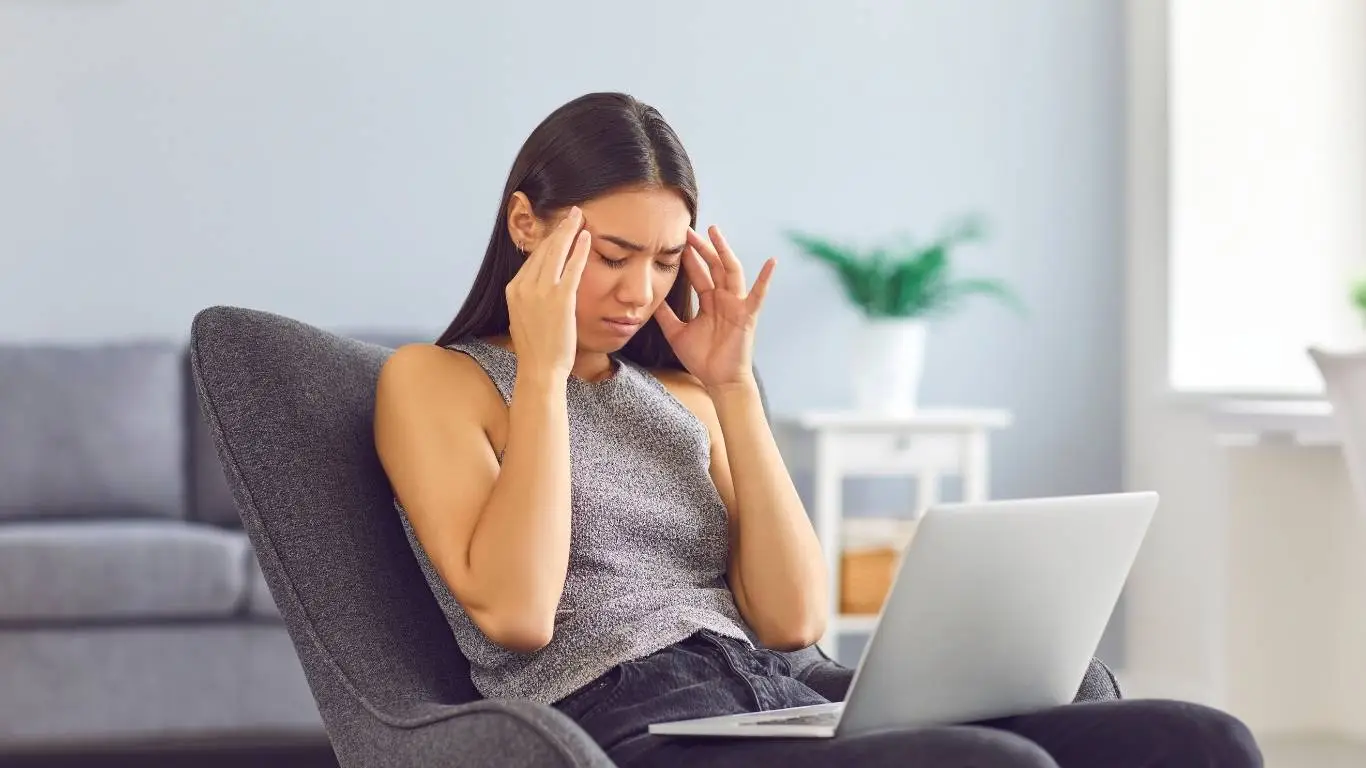
Over the years, I’ve found a few natural remedies that provide significant relief from scent-induced migraines. While nothing is a magical cure, these methods have consistently lessened my migraine frequency and intensity:
- Essential Oils: Ironically, certain essential oils like peppermint and lavender, when used correctly, can counteract migraine symptoms. The key is minimal, targeted application — no overwhelming diffusers here.
- Magnesium Supplements: A steady intake of magnesium has been a game-changer for me. It helps stabilize nerve function and reduce sensitivity to triggers.
- Acupressure Points: Applying firm pressure to specific points like the webbing between your thumb and index finger can bring surprising relief during early migraine onset.
For more in-depth information, check out this resource on natural migraine remedies that might align with your routine.
Proactive Lifestyle Adjustments
Preventing migraines from floral allergens isn’t just about avoiding flowers. It’s about creating a lifestyle that builds resilience against triggers. Here are a few tweaks I’ve made:
- Hydration First: Dehydration intensifies scent sensitivity. Keeping water intake consistent reduces my risk significantly.
- Consistent Sleep Schedule: A well-rested brain handles allergens much better. Disruptions in sleep can lower your migraine threshold dramatically.
- Stress Management: I practice daily mindfulness exercises, which has decreased my overall migraine frequency.
This article on stress-induced migraines offers practical strategies to minimize stress-related flare-ups.
When You Should See a Neurologist
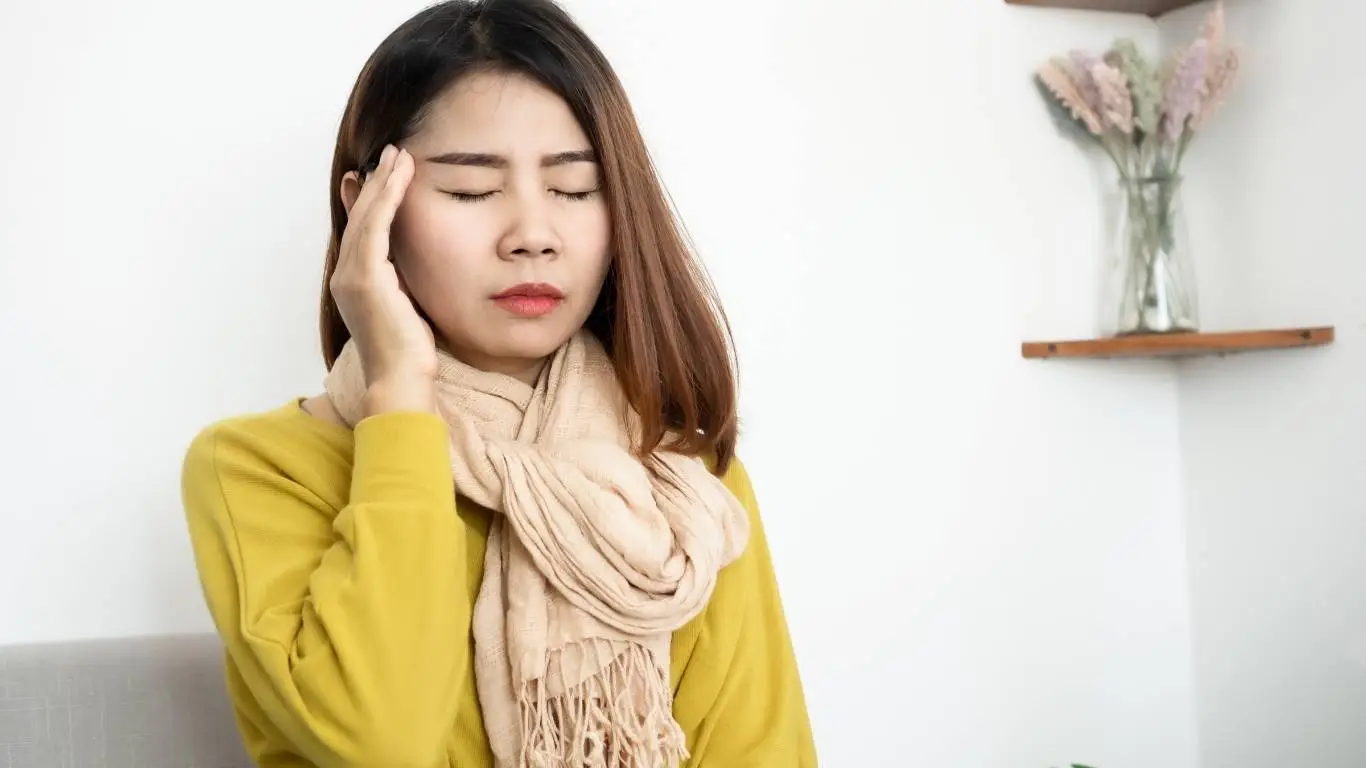
If your flower-shop migraines become frequent or start interfering with daily life, it might be time to consult a specialist. I was hesitant at first, but seeing a neurologist gave me a proper diagnosis and opened doors to treatments I hadn’t considered.
Neurologists can offer advanced therapies such as CGRP inhibitors or Botox treatments that target the neurological pathways responsible for migraine activation. You can learn more about this from the article on when to consult a neurologist for migraines.
Tracking Patterns with a Migraine Diary
One of the most powerful tools in managing scent-induced migraines is a migraine diary. Logging each episode, including the environment, time of day, and severity, helped me identify patterns I would’ve otherwise missed.
If you’re serious about pinpointing your exact triggers, start with this guide on maintaining a migraine diary. It’s an invaluable resource that has saved me from countless attacks.
Best Flower Shop Alternatives for Migraine Sufferers

If you love flowers but can’t risk a migraine episode, there are still ways to enjoy floral beauty without the suffering:
- Opt for Dried Flowers: They have little to no scent but offer the same aesthetic appeal.
- Choose Artificial Floral Arrangements: High-quality silk flowers can be breathtakingly realistic.
- Outdoor Flower Markets: The open-air environment disperses allergens, making it less intense compared to enclosed shops.
And if you ever wonder how other environmental factors — like air quality or indoor pollutants — affect migraines, the article on migraine-friendly tools and devices is a must-read.
Being Your Own Advocate
One of the hardest parts of managing scent-triggered migraines is explaining it to people who’ve never experienced it. I’ve had florists look at me funny when I ask about non-fragrant arrangements. But it’s essential to advocate for yourself.
Remember, no one else will protect your health as fiercely as you will. Whether it’s carrying your own mask, politely declining a scented gift, or choosing outdoor settings — these small choices add up.
Advanced Treatments and Preventive Care

For those who struggle with relentless episodes, exploring advanced treatments is worth considering. Preventive medications, nerve blocks, or even biofeedback therapy could offer a new level of control.
Stay informed about the evolving landscape of migraine treatments by visiting the resource on migraine treatment options.
If you need a more comprehensive understanding of migraines — not just scent-related — the ultimate guide on Understanding Migraines is a foundational must-read.

Bianca Nala is a compassionate Nurse Practitioner with a strong background in primary and respiratory care. As a health writer for Healthusias.com, she combines her clinical expertise with a talent for clear, relatable storytelling to help readers better understand their health. Bianca focuses on topics like asthma, COPD, chronic cough, and overall lung health, aiming to simplify complex medical topics without losing accuracy. Whether she’s treating patients or writing articles, Bianca is driven by a single goal: making quality healthcare knowledge accessible to everyone.