Why Floaters After Light-Based Therapy Sessions Can Disrupt Your Vision
Not long ago, I found myself squinting at tiny, drifting specks floating across my vision right after a routine light-based skin therapy session. At first, I brushed it off—just one of those things, I thought. But when these floaters became more noticeable in certain lighting, it made me curious. Could light-based therapy sessions trigger eye floaters? Or was it just a coincidence? Turns out, it’s a bit more complex than it seems.
Understanding the Link Between Light-Based Therapy and Eye Floaters
Light-based therapies, whether for skincare or medical treatments, emit high-intensity beams that interact with skin or tissue. While these treatments are celebrated for their rejuvenating effects, their impact on the eyes is often underestimated. Even when protective eyewear is used, the sensitivity of our ocular tissues can make them vulnerable.
Floaters—those squiggly, shadowy shapes that drift across your vision—are usually caused by age-related changes in the vitreous, the gel-like substance inside the eye. However, exposure to intense light, especially over multiple therapy sessions, might accelerate the detachment of microscopic collagen fibers, making floaters more prominent.
My Experience with Post-Therapy Floaters
After my third session of intense pulsed light (IPL) therapy, I started noticing floaters that weren’t there before. Initially, I dismissed them, but the more I stared at a white screen or bright wall, the clearer they became. A friend who’s an ophthalmologist mentioned that light sensitivity and sudden shifts in vitreous fluid after exposure could unmask pre-existing floaters that were previously unnoticed. That hit home.
While this doesn’t happen to everyone, individuals with high myopia or those prone to vitreous syneresis (liquefaction of the eye’s gel) might be more susceptible. This condition, often discussed in cases involving laser eye treatments, shares similarities with light-based therapy effects.
Why Bright Light Exposure Makes Floaters More Noticeable
Even if therapy sessions are brief, the aftereffects on your visual perception can last much longer. Light scatter, retinal stress, and altered contrast sensitivity can make existing floaters feel amplified. This is especially true when you’re looking at bright, uniform backgrounds like the sky, a white wall, or a computer screen.
Scientific sources, including American Academy of Ophthalmology, note that photostress responses can temporarily affect how we perceive intraocular debris like floaters. Although not harmful in most cases, these visual annoyances can certainly disrupt daily life.
Common Scenarios Where Floaters Post-Therapy Are Most Visible
- While working under fluorescent office lighting
- Reading on white digital screens (e.g., tablets, e-readers)
- Driving during sunny days, especially against direct sunlight
- In clinical environments with bright, sterile lighting
I noticed that after each session, the first 24-48 hours were when the floaters felt most intrusive. It wasn’t that new floaters were forming; rather, the altered retinal sensitivity was simply exposing the ones that were already floating around unnoticed.
Is There a Risk of Permanent Floaters After Light-Based Therapy?

The short answer? Rarely. However, if you already have underlying eye conditions—such as posterior vitreous detachment (PVD)—light-based therapy might unmask floaters earlier than expected. For individuals dealing with PVD, floaters are an inevitable part of the aging process, but certain external triggers like light therapies could accelerate the visibility timeline.
This topic is explored further in posterior vitreous detachment guides, emphasizing why proactive eye health monitoring is essential if you’re undergoing repeated light-based treatments.
Precautionary Steps to Minimize Floaters After Light Therapies
- Always insist on high-quality protective eyewear provided by the clinic.
- Consider taking visual breaks post-therapy to allow your eyes to adapt to normal lighting gradually.
- Stay well-hydrated; dehydration can worsen floater perception as noted in this eye hydration resource.
- If you’re prone to floaters, discuss alternative non-light-based treatments with your specialist.
Of course, if you notice flashes of light alongside floaters or experience a sudden increase in their number, that’s a red flag. Such symptoms warrant immediate consultation with an ophthalmologist. It’s not just about floaters—these could signal a retinal tear or detachment, which is a medical emergency.
Understanding Floaters vs. Other Visual Disturbances Post-Therapy
Many people confuse floaters with other visual side effects like halos, glare, or even corneal haze after light-based procedures. A detailed guide on distinguishing floaters from similar eye issues can help clarify this. Floaters typically drift slowly and are more pronounced when shifting gaze, while glare and halos appear more static and relate to light diffraction rather than debris inside the eye.
Based on my personal journey, understanding these subtle distinctions made a huge difference. Initially, I thought the odd flashes post-therapy were due to floaters, but in reality, it was glare from residual retinal sensitivity. Knowing what’s what is half the battle won.
For a comprehensive overview of floaters, their causes, and treatment options, you might also want to explore this main pillar article which dives deeper into the root of the issue.
How Long Do Floaters After Light-Based Therapy Usually Last?
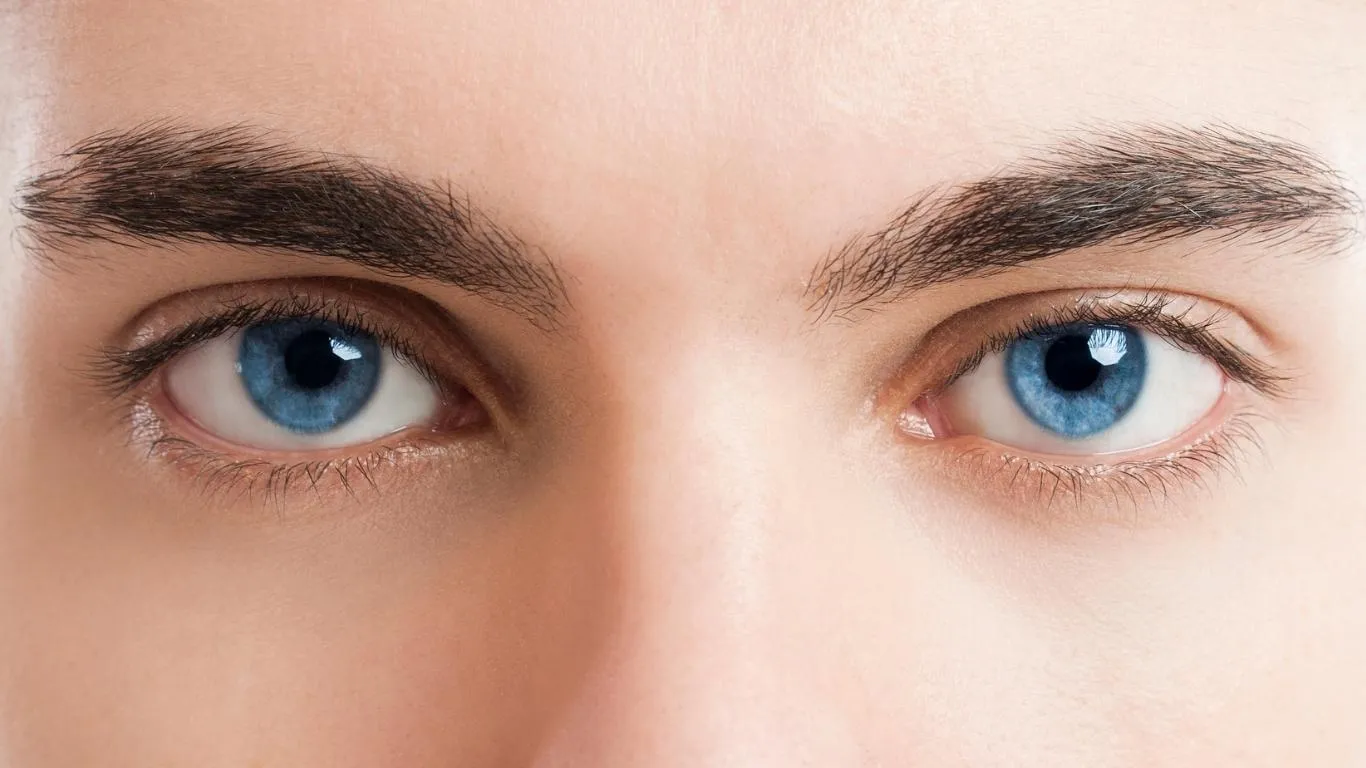
One of the biggest questions I had when those annoying little floaters appeared was: “How long is this going to last?” From my experience and what eye specialists confirm, most floaters that become noticeable after light-based therapy aren’t permanent. They tend to settle down within a few days to a couple of weeks as the eye’s sensitivity returns to baseline.
However, in some cases—especially if you already had pre-existing vitreous opacities—the therapy session simply makes you more aware of them. That doesn’t mean the therapy “created” new floaters but rather unveiled ones that were too subtle to notice before.
There’s an informative guide on how long floaters typically last which explains when to be patient and when to be proactive.
Factors That Influence Duration
- Pre-existing vitreous degeneration — Common in individuals over 40 or with high myopia.
- Type of light therapy — More aggressive treatments like laser resurfacing could have longer adjustment periods.
- Hydration and eye fluid balance — Dehydration tends to intensify floater visibility.
- Your overall eye health — Conditions like diabetes or uveitis can complicate recovery.
Can Floaters After Light-Based Therapy Be Treated?
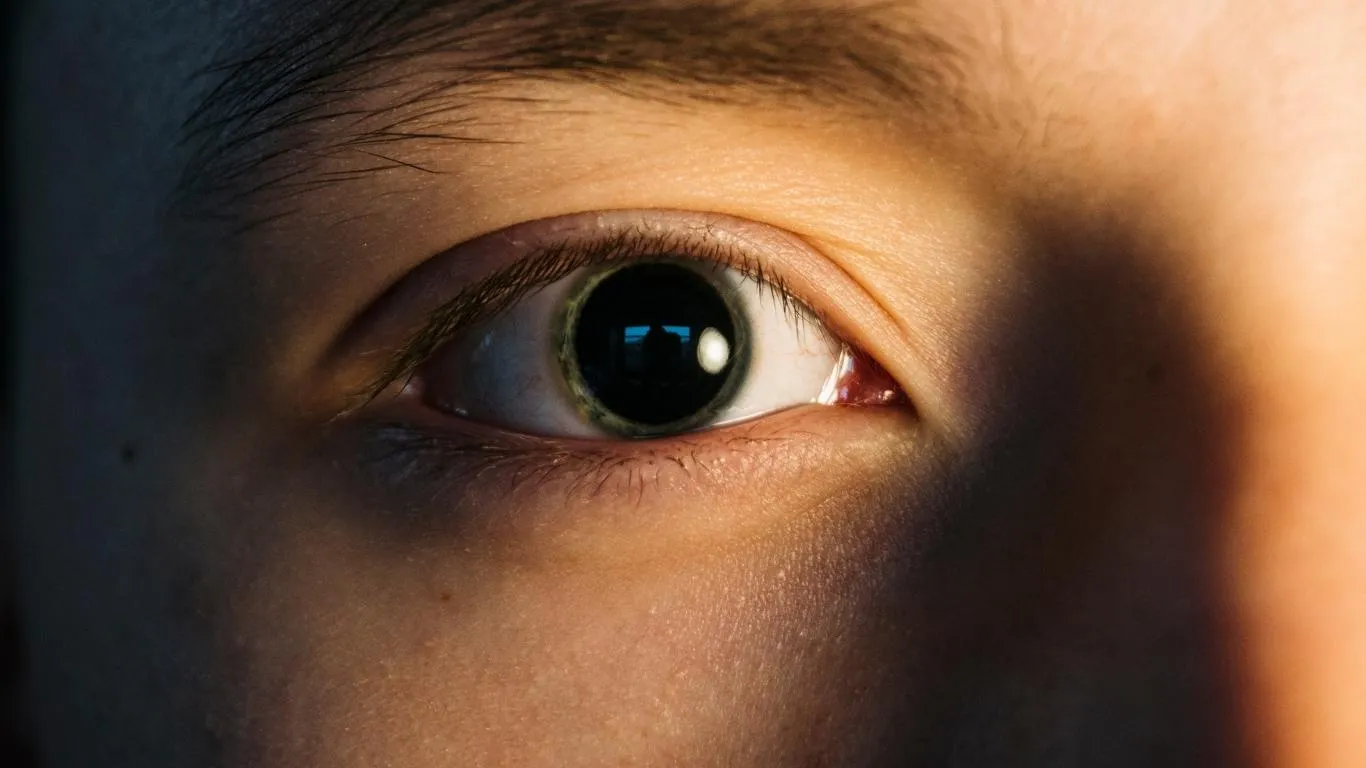
Most floaters post-therapy are benign and resolve on their own. However, if they persist or worsen, treatment options are available. Some people might find success with observation and simple lifestyle adjustments, while others may consider medical interventions. But here’s the kicker: Not all treatments are worth the risk unless floaters are truly impacting your quality of life.
Common Management Options Include:
- Observation — For most people, floaters fade or become less bothersome over time.
- Medical treatments like laser vitreolysis or vitrectomy — Only considered in severe cases where floaters severely hinder vision.
- Natural management strategies — Eye exercises, hydration, and dietary adjustments (though evidence is mixed).
Personally, after dealing with these post-therapy floaters, I found that managing my screen time and using a good pair of anti-reflective glasses made a significant difference. These subtle changes reduced the glare and made floaters less noticeable during work hours.
Are Some People More Prone to Developing Floaters After Light Therapy?
Absolutely. Certain factors can make you more vulnerable to seeing floaters after such treatments. Based on eye specialist insights and my personal experience, here are groups that should exercise more caution:
- Individuals with high myopia
- People over the age of 40
- Patients with a history of vitreous syneresis or posterior vitreous detachment
- Those who have undergone multiple laser eye procedures
It’s crucial to consult an eye specialist if you fall into these categories. Preventive strategies, like ensuring sessions are spaced appropriately and using top-tier eye protection, can reduce risks significantly.
Tips to Reduce the Annoyance of Floaters in Daily Life

While complete elimination of floaters isn’t always possible, there are several practical steps to reduce their visual impact:
- Adjust your lighting — Use softer ambient lighting instead of harsh fluorescents.
- Increase contrast settings on screens to minimize floater visibility against white backgrounds.
- Stay hydrated — Dehydration exacerbates floaters more than most people realize.
- Practice the “floaters dismissal” technique by moving your eyes side to side rapidly to shift them out of your focal zone.
- Consider eye exercises designed to alleviate floater distraction.
For me, tweaking my workspace lighting was a game-changer. The floaters became far less intrusive once I swapped my overhead LED lights with warm, indirect lamps. It sounds minor, but it makes a world of difference when you’re stuck at a desk for hours.
When Should You Seek Medical Attention for Floaters?
Floaters are common, but there are certain red-flag symptoms that should never be ignored. If you experience any of the following after a light-based therapy session, consult an ophthalmologist immediately:
- Sudden shower of new floaters
- Flashes of light (photopsia) in your peripheral vision
- Dark curtain-like shadows creeping across your field of vision
- Severe eye pain or vision loss
These could indicate serious conditions such as retinal tears or detachments, which require urgent intervention. A detailed resource on dangerous floater symptoms provides further clarity on when to be concerned.
Keeping Your Eyes Healthy Post-Therapy: Long-Term Considerations

Maintaining optimal eye health after light-based treatments goes beyond just managing floaters. Routine eye exams, maintaining a nutrient-rich diet, and being mindful of screen exposure can safeguard your visual clarity over time.
For a deep dive into the broader causes and long-term management strategies of floaters, I highly recommend this in-depth pillar article on common causes of floaters. It covers everything from age-related degeneration to trauma-induced floaters in a way that’s refreshingly easy to understand.
And if you’re just starting to explore the nuances of floaters, this foundational guide is an excellent resource to build your base knowledge and take charge of your eye health proactively.

Camellia Wulansari is a dedicated Medical Assistant at a local clinic and a passionate health writer at Healthusias.com. With years of hands-on experience in patient care and a deep interest in preventive medicine, she bridges the gap between clinical knowledge and accessible health information. Camellia specializes in writing about digestive health, chronic conditions like GERD and hypertension, respiratory issues, and autoimmune diseases, aiming to empower readers with practical, easy-to-understand insights. When she’s not assisting patients or writing, you’ll find her enjoying quiet mornings with coffee and a medical journal in hand—or jamming to her favorite metal band, Lamb of God.