How Menstrual Blood Can Worsen BV And What You Can Do About It
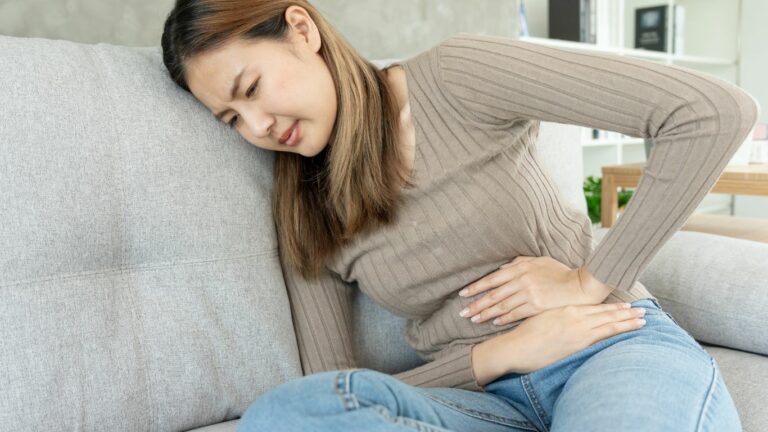
If you’ve ever noticed your BV symptoms flaring up around your period, you’re not alone. I’ve had this happen more times than I’d like to admit—thinking I was finally in the clear, only for that all-too-familiar discomfort and odor to return right after my cycle started. So the question stands: can menstrual blood make BV worse? Based on personal experience and digging through both medical studies and expert opinions, the short answer is yes—it definitely can, and here’s why.
How Menstrual Blood Can Disrupt Vaginal pH

Vaginal health is all about balance. The vagina is naturally acidic, usually with a pH between 3.8 and 4.5. This acidic environment helps keep unwanted bacteria at bay. But menstrual blood? It’s more alkaline. And when you bleed, the vaginal environment temporarily shifts.
That shift might not matter much to some, but for those of us prone to bacterial vaginosis, it can be a trigger. The increased pH can create a breeding ground for the wrong kind of bacteria—specifically, the ones that cause BV.
It’s Not Just Blood—It’s What Comes With It
It’s easy to blame the blood itself, but menstrual products also play a role. Pads, tampons, and even menstrual cups can trap blood inside the vagina or against the vulva for long periods, increasing exposure to that higher pH. Combine that with sweat, poor air circulation, or fragrance chemicals, and you’re basically inviting imbalance.
Some gynecologists suggest changing tampons or pads every 3-4 hours during heavy flow to minimize risk. And if you use a menstrual cup, sterilizing it properly between uses is non-negotiable.
Why BV Often Comes Back After Your Period

Let’s talk timing. A lot of women report recurring BV right after their periods. If you’re noticing that same pattern, there’s a biological explanation for it. After menstruation, your body is working to return the vaginal pH to its normal acidic state. But for some, it takes longer. That lag time gives harmful bacteria the perfect window to multiply.
And guess what? The more frequently you get BV, the more likely you are to keep getting it. It becomes a cycle, literally and figuratively. Learn more about recurring BV and how to break the cycle.
What I Do Differently During My Period
Personally, I switched to organic, fragrance-free pads, and that alone made a huge difference. I also avoid douching (which can be tempting post-period, but only makes things worse). Instead, I rely on gentle cleansing with water and unscented soap without disrupting the natural flora.
Another tip? I’ve started taking probiotics consistently—not just when symptoms pop up. Some strains, like Lactobacillus rhamnosus and reuteri, have been shown to help restore balance over time. For more insights, check out this piece on how probiotics support BV recovery.
Understanding the Role of Hormones
Your hormones aren’t just pulling the strings on your mood and cravings. Estrogen and progesterone also impact your vaginal environment. During menstruation, estrogen levels drop, which can make the vaginal lining thinner and more susceptible to infections like BV.
This is especially true for those with irregular cycles or hormonal conditions like PCOS. If you’re unsure whether your cycle is playing a role in your BV, consider tracking your symptoms in relation to your period. It helped me recognize patterns I hadn’t noticed before.
Is It Just BV, or Something Else?
Sometimes it’s hard to tell whether symptoms post-period are just BV or something else, like a yeast infection or even a UTI. There’s a great comparison guide here: How to tell which infection you have.
If you’re ever unsure, get tested. There are home kits now that are surprisingly accurate. Here’s a helpful breakdown of how accurate home tests for BV are.
Tips for Managing BV During Your Period

Based on both expert advice and my own trial-and-error, here are a few go-to strategies I follow every month:
- Use only unscented menstrual products. Scented tampons and pads are a no-go.
- Change products frequently. Don’t let blood sit for too long.
- Support your gut health. A healthy gut = better vaginal balance.
- Hydration helps. Seriously, it does.
- Track symptoms. Patterns help you act before it flares.
Looking for a deeper dive into prevention? This page on BV prevention tips is worth bookmarking.
Need help deciding whether what you’re dealing with is BV or something else? The main article on bacterial vaginosis overview offers a great breakdown of causes, symptoms, and treatments.
Also check out this pillar guide on BV in pregnancy if your symptoms seem to align with hormonal changes or you’re trying to conceive.
For a broader look at contributing factors, take a look at the BV causes and risk factors guide, too.
Is There a Way to Prevent BV Flares During Your Period?

Short answer? Kind of. While you can’t exactly control your hormonal shifts or completely change how your body reacts to menstrual blood, you can create an environment that makes it harder for BV to thrive.
I’ve personally found that my habits before and after my period matter just as much as what I do during it. That means starting probiotics a few days before my period, being extra gentle with my hygiene routine, and keeping my body hydrated. Staying ahead of the game often prevents things from flaring up in the first place.
Prep Your Body, Not Just Your Pads
Think of your period as a recurring event that deserves a game plan. I now prep for it the way I prep for a vacation or long work week. Probiotic-rich foods like plain yogurt, lots of leafy greens, and plenty of water go into my “pre-cycle” routine. It’s not about being perfect—it’s about helping my body stay balanced.
One of the more surprising helpers? Diet. Yes, the things you eat in the week leading up to your period can impact how your vaginal flora holds up under stress.
Common Mistakes That Can Make It Worse

It took me years (and a lot of uncomfortable days) to realize I was doing things that unintentionally made my BV worse during my period. Here’s what I wish I had known sooner:
- Using scented feminine products – Tampons, pads, even wipes. That “clean” smell is never worth the imbalance it causes.
- Douching after your period – I know it feels like you’re cleaning things out, but you’re actually flushing out the good bacteria that protect you.
- Not changing products frequently enough – It’s easy to forget when you’re busy, but even menstrual cups need to be emptied regularly.
- Skipping probiotics when symptoms disappear – Maintenance is just as important as treatment.
Learn more about why BV keeps coming back for many women—even when you’re doing most things right.
Menstrual Cups vs. Tampons vs. Pads—Which Is Better for BV-Prone Women?
This is one of those “depends on your body” situations, but here’s what I’ve noticed and what many experts agree on. Menstrual cups can be great if you’re diligent about cleaning them. But if you’re not boiling or sanitizing between uses, they can become a bacterial hotbed.
Organic cotton tampons and pads are better than conventional ones, mainly because they’re free of unnecessary chemicals and perfumes. I made the switch to pads during BV flares, even though tampons used to be my go-to. It was a small trade-off for better comfort and less irritation.
It also helps to rotate between products depending on your flow and activity level. For example, I’ll use a menstrual cup during the day and switch to a pad overnight. That break gives my vaginal environment time to breathe, literally.
When to Talk to Your Doctor

If your BV symptoms keep showing up every month like clockwork, it might be time to involve your OB-GYN. Not every treatment works for every body. In some cases, longer-term antibiotics or hormone-related solutions may be considered.
Be sure to track when your symptoms start and how long they last. I brought my “BV calendar” to an appointment once, and it completely changed how my doctor approached my care plan. Having those patterns laid out helped me get better treatment options tailored to my cycle.
Curious about alternative remedies? Explore this comprehensive look at natural BV treatment options that might work better alongside medical support.
Smart Routine After Your Period Ends

Post-period care doesn’t get talked about enough, but it’s where real prevention begins. After my period, I immediately clean my menstrual cup thoroughly, eat probiotic foods for at least 3–5 days, and avoid tight-fitting underwear. That one change (bye thongs) made more of a difference than I expected.
If you’re interested in a full routine that’s helped other women reduce symptoms long term, this article on stopping recurring BV every month is a must-read.
And don’t forget to stay hydrated, especially right after your period. It helps flush out lingering bacteria and supports healthy discharge, which naturally protects you.
Extra BV-Proofing Tips From Personal Experience

Here are a few little things I do now that I wish I had known from the start:
- Switch to breathable cotton underwear the week of and after your period.
- Use a water-only wash around the vulva and pat dry—don’t scrub.
- Apply a probiotic vaginal gel (on doctor’s advice) after your period ends.
- Keep track of your cycle with a symptom tracker app to catch patterns early.
- Take boric acid suppositories *only* as recommended, and never during your period. For more info, check this guide on boric acid for BV.
One thing to avoid? Over-correcting. Sometimes when BV symptoms appear, it’s easy to go into “fix-it-all” mode—switching products, trying too many remedies at once. That approach backfired on me more than once. Now I stick to what I know works and give it time.
For the full picture on how BV works, why it sticks around, and how to really tackle it from all angles, you’ll want to review the core guide on Bacterial Vaginosis.

Dr. Gwenna Aazee is a board-certified Internal Medicine Physician with a special focus on hypertension management, chronic disease prevention, and patient education. With years of experience in both clinical practice and medical writing, she’s passionate about turning evidence-based medicine into accessible, actionable advice. Through her work at Healthusias.com, Dr. Aazee empowers readers to take charge of their health with confidence and clarity. Off the clock, she enjoys deep dives into nutrition research, long walks with her rescue pup, and simplifying medical jargon one article at a time.